
Zotero for Android Launches, Bringing Comprehensive Reference Management to Mobile Devices

Zotero, the widely recognized open-source reference management software, has officially announced the release of its dedicated Android application, marking a significant expansion of its accessibility and functionality for researchers, academics, and students worldwide. This new application, now available on the Google Play Store, empowers users to manage their Zotero libraries directly from their Android smartphones and tablets, enabling a more fluid and integrated workflow regardless of location. The launch signifies Zotero’s commitment to providing robust research tools across diverse platforms, catering to the increasing demand for mobile-first research solutions.
A New Era of Mobile Research Management
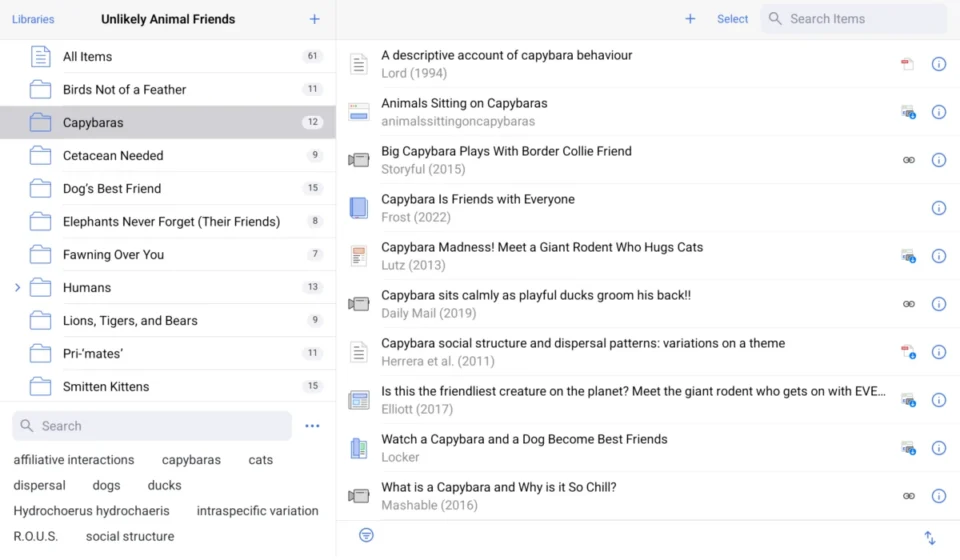
The introduction of Zotero for Android represents a pivotal moment for the Zotero ecosystem. Previously, while Zotero offered desktop applications for Windows, macOS, and Linux, and a web interface, the ability to fully interact with a Zotero library on a mobile device was limited. This new application bridges that gap, providing a comprehensive suite of features designed to facilitate research on the go. Users can now access, organize, and even annotate their collected references and research materials directly from their Android devices. This capability is particularly impactful for individuals who conduct fieldwork, attend conferences, or simply prefer to utilize downtime for research tasks.
The application allows users to browse their entire Zotero library, which can include journal articles, books, web pages, and other scholarly resources. Each item’s metadata – such as author, title, publication date, and abstract – is readily accessible. Crucially, Zotero for Android also provides access to attached files, most notably PDFs. This means that researchers can open and read documents, a feature that has been highly anticipated by the Zotero user community.
Enhanced Annotation and Integration Capabilities
A key innovation highlighted in the release is the ability to annotate PDF documents directly within the Zotero for Android application. This feature allows users to highlight important passages, add textual comments, and otherwise mark up their research materials while away from their primary workstation. The annotations are not merely temporary markings; they are integrated into the Zotero ecosystem. Once the user returns to their desktop Zotero application, these PDF annotations can be seamlessly incorporated into Zotero notes.
This integration offers a powerful workflow enhancement. Researchers can then easily transfer these annotated notes into their word processor documents, maintaining active Zotero citations. This streamlines the process of drafting academic papers, reports, and other written works, ensuring that the research integrated into the text is directly linked to its source and accompanied by the researcher’s own insights and highlights. Furthermore, the application supports exporting these notes to Markdown, a versatile plain-text formatting syntax, further enhancing interoperability with other writing tools and platforms.
Background and Development Journey
The development of Zotero for Android has been a long-standing aspiration for the Zotero project, driven by a growing user base and the evolving landscape of digital research. Zotero itself, initially developed at George Mason University and now an independent non-profit organization, has a history of prioritizing user needs and open-source principles. The project’s success is largely attributed to its robust feature set, extensive compatibility with citation styles, and its free and open-source nature, which has fostered a dedicated community of developers and users.
The decision to develop a dedicated Android application was a strategic response to user demand and the increasing prevalence of mobile computing in academic and professional settings. The project team has likely invested considerable time and resources into ensuring the Android app is not only functional but also mirrors the robust capabilities and intuitive user experience that Zotero users have come to expect. The development process would have involved rigorous testing, iterative feedback loops with beta testers, and careful consideration of Android’s specific operating system nuances and hardware capabilities. The release date, June 5th, 2025, suggests a culmination of these efforts, marking a significant milestone in Zotero’s ongoing development.
Supporting Data and User Adoption Trends
The release of Zotero for Android is particularly relevant in the context of global trends in mobile technology adoption and academic research practices. Data from various sources consistently show a significant increase in smartphone and tablet usage for work and study. For instance, reports from market research firms like Statista indicate that mobile device penetration continues to rise globally, with a substantial portion of internet traffic originating from mobile devices. In academic circles, this translates to students and researchers increasingly relying on their mobile devices for accessing scholarly literature, collaborating, and even writing.
A survey conducted by the Pew Research Center in 2023 found that a majority of college students use their smartphones for tasks such as completing homework, accessing course materials, and communicating with classmates. This data underscores the critical need for research tools that are not only powerful but also accessible on mobile platforms. Zotero’s move to offer a dedicated Android application directly addresses this growing demand, positioning the software to remain a leading choice for reference management in an increasingly mobile-centric world. While specific download numbers for Zotero for Android are not yet available, the general popularity of Zotero on desktop platforms, with millions of users worldwide, suggests a strong potential for widespread adoption of the new mobile application.
Official Statements and Community Engagement
The announcement, made by Dan Stillman, a key figure within the Zotero project, highlights the team’s excitement and confidence in the new application. The direct call for user feedback on the Zotero Forums indicates a commitment to continuous improvement and a proactive approach to addressing any emergent issues. This open channel for communication is a hallmark of successful open-source projects and fosters a collaborative environment where user experiences directly shape the future development of the software.
"We’re excited to announce the release of Zotero for Android, the best way to work with your Zotero library on an Android device," stated the official announcement, underscoring the application’s intended purpose and value proposition. The emphasis on "best way" suggests a design philosophy focused on optimizing the user experience for mobile interaction.
The Zotero Forums have historically served as a vital hub for users to share tips, troubleshoot problems, and suggest new features. The instruction to "Be sure to mention ‘Android’ in your thread title" for bug reports and feature requests is a practical measure to help the development team efficiently categorize and prioritize feedback related to the new application. This structured approach to community engagement is crucial for refining the app and ensuring it meets the diverse needs of its user base.
Broader Impact and Future Implications
The release of Zotero for Android has several significant implications for the broader research community. Firstly, it democratizes access to powerful reference management tools, making them available to a wider audience who may not have consistent access to desktop computers. This is particularly important in regions where mobile technology is more prevalent than traditional computing hardware.
Secondly, it fosters a more integrated and efficient research workflow. The ability to manage references, access PDFs, and annotate documents from a single mobile device reduces friction and allows for more spontaneous research activities. This can lead to increased productivity and a more dynamic approach to scholarly work.
Thirdly, it strengthens Zotero’s competitive position in the reference management software market. As more software providers develop mobile-first solutions, Zotero’s expansion onto Android ensures its continued relevance and appeal to a new generation of researchers. This move is likely to be closely watched by other reference management tools, potentially spurring further development of mobile applications in the sector.
The future development of Zotero for Android will likely focus on further enhancing its integration with other Zotero features and potentially introducing new mobile-specific functionalities. Given the rapid evolution of mobile operating systems and hardware, opportunities for advanced features such as voice-to-text annotation, improved offline synchronization, and deeper integration with cloud storage services are plausible. The project’s open-source nature and active community suggest a bright future for Zotero on mobile platforms, solidifying its role as an indispensable tool for researchers across the globe.