University Implements Innovative Digital Literacy Program Following Alarming Research on Student Source Credibility

A university has initiated a comprehensive digital literacy module designed to equip students with crucial skills for navigating the complex digital landscape, a move prompted by a 2023 citation analysis that revealed widespread reliance on unreliable online sources among students. The groundbreaking program, set to launch this fall, aims to integrate essential digital literacy instruction directly into the curriculum, moving beyond traditional, single-session library workshops. This proactive approach underscores a growing recognition within higher education of the urgent need to address students’ preparedness for an information-rich yet often misleading digital world.
The Genesis of the Initiative: Uncovering Digital Literacy Gaps
The catalyst for this new module was a rigorous citation analysis conducted in 2023 by a university librarian, examining nearly 250 research papers submitted by students in introductory English courses. Despite students having participated in general information literacy classes and possessing round-the-clock access to extensive library services, the findings were stark: a significant number frequently cited questionable and inappropriate sources. These included personal blogs, retail sales websites, social media posts, advertisements, and even tabloids, as detailed in the analysis (Nunnelly-Stewart et al. 107–08). This data highlighted a critical deficit in students’ ability to evaluate online information critically, suggesting that while access to resources was ample, the skills to discern credible information were not.
The implications of these findings extend beyond academic integrity. If students are utilizing such dubious sources for their scholarly work, it is highly probable they are applying similar uncritical evaluation methods to make decisions in their daily lives, impacting everything from health choices to civic engagement. The university recognized that the existing "one-shot" information literacy classes, while valuable, were insufficient to instill the deep-seated digital literacy skills required for both academic success and responsible citizenship in the 21st century. This realization spurred the development of a multi-session instructional framework, emphasizing that impactful digital literacy education must be continuous and integrated, rather than episodic. The ultimate goal articulated by the program’s architect is to empower students to use digital spaces and tools safely and efficiently, actively avoiding participation in harmful or toxic online behaviors.
A Strategic Framework: The MLA Guide to Digital Literacy
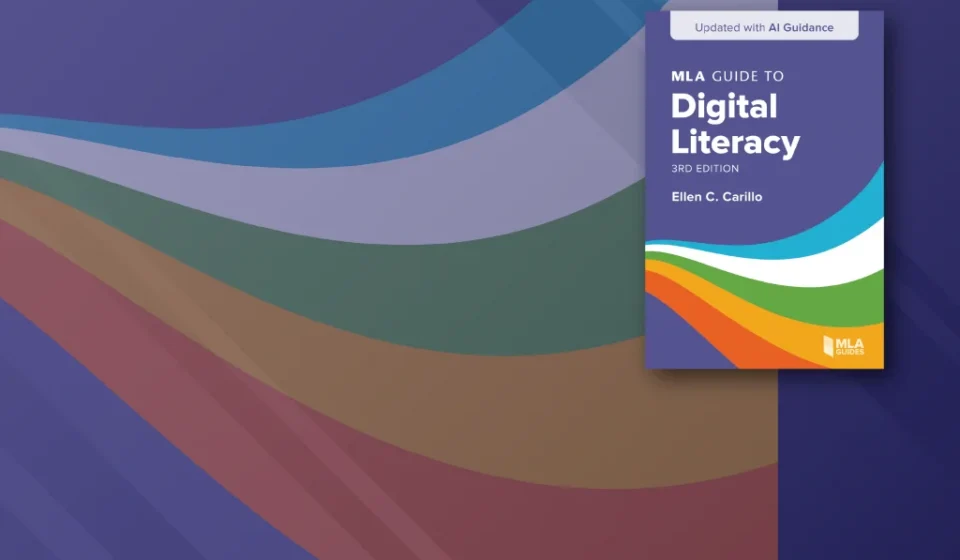
In the pursuit of a robust and accessible curriculum, the MLA Guide to Digital Literacy, authored by Ellen C. Carillo, emerged as the cornerstone for the new module. A key criterion for selection was its affordability and accessibility for students. Fortuitously, the university library already provides an electronic subscription to the guide, ensuring that all students have unlimited, cost-free, 24/7 access to the online version. This commitment to "affordable learning" removed significant financial barriers, making a comprehensive digital literacy course more viable.
The guide’s pedagogical strength also played a crucial role. Its conversational tone, a refreshing departure from the often dense and jargon-heavy language of academic texts, makes it highly approachable for both instructors and students. More importantly, it offers a well-structured framework that has been instrumental in shaping the course’s planning. The guide’s chapters provide a logical outline for topic coverage across multiple sessions, while its accompanying instructor resources and appendixes offer valuable tools for developing engaging class activities and discussion prompts. This structured approach allows for a systematic progression through key digital literacy concepts, moving beyond superficial engagement to foster deeper understanding and skill acquisition.
Curriculum Design: Engaging Students with Reality Television
Following university approval, the innovative module is slated to be taught as a five-week component within a semester-long honors course this fall. Classes will meet twice weekly for seventy-five minutes each session. To maximize student engagement and make the lessons relatable, the course will adopt reality television as its special research topic. This choice is deliberate, leveraging reality television’s pervasive influence on popular culture to ensure nearly all students possess at least a basic familiarity with various shows. The vast array of reality TV formats—ranging from competition and dating shows to docuseries, lifestyle programs, and social experiments—guarantees students can find a show that genuinely sparks their interest.
The selection of reality television serves several pedagogical purposes. Firstly, using a familiar cultural phenomenon significantly reduces the cognitive load associated with researching highly specialized academic fields, allowing students to focus intently on developing their digital literacy skills. Secondly, active fans and consumers of reality TV already engage in natural online research behaviors, such as investigating storylines, cast biographies, rumors, interviews, and fan reactions across various digital platforms. The module capitalizes on these existing habits, formalizing them into transferable academic skills. Students will learn to critically analyze information found through search engines, social media, online news media, and digital debates—practices that directly translate into success in other university courses.
For instance, in first-year writing, students crafting argumentative essays must identify credible sources to support their claims and counterarguments; the module equips them with the evaluation skills to do so effectively. In history, distinguishing between primary and secondary sources is paramount, a skill honed by the module’s focus on source types. Health science students will learn to critically assess popular medical claims, discerning vetted information from distorted messaging. Across all disciplines, the ability to evaluate information critically, recognize inherent biases, and determine the appropriateness of sources is fundamental. By practicing these skills within a captivating and accessible subject area, students are expected to internalize critical thinking habits that will serve them throughout their academic journey and beyond.
Core Objectives: Navigating a Complex Digital Landscape
The course objectives are meticulously designed to directly address the digital literacy deficiencies identified in the initial citation analysis and to prepare students for the evolving digital world. A primary focus is on enhancing students’ evaluation and research capabilities, directly confronting the problem of unreliable source usage. Chapters from the MLA Guide dedicated to locating primary sources (chapter 6) and exploring source credibility (chapter 8) are central to this aim.
Furthermore, in an era marked by the rapid proliferation and accessibility of artificial intelligence (AI), the module emphasizes understanding how algorithms, filters, and automated systems shape daily information consumption. By integrating chapter 2, which covers filters, algorithms, bots, and visual manipulation, alongside the third edition’s new chapter on generative AI tools (chapter 3), the course aims to build crucial critical thinking skills and foster AI fluency. A key goal is to educate students on how these tools can subtly influence opinions and beliefs, potentially against their best interests.
Beyond technical skills, the module seeks to cultivate responsible digital citizenship. Acknowledging that digital spaces can become toxic, hostile, and even predatory, the course is designed to protect students’ well-being and identity while encouraging thoughtful behavior and participation online. The MLA Guide‘s perspective on digital literacy as a "responsibility," integral to being "a citizen in a democratic society that depends on [students’] informed and thoughtful participation" (Carillo 2), forms a foundational principle. This perspective frames digital literacy not just as a skill set, but as a basic human right empowering individuals to make informed decisions across all aspects of their lives.
A crucial component of contributing to society is recognizing and addressing bias perpetuated through digital tools. The guide consistently highlights how information from algorithms, AI, and websites can reinforce stereotypes. Through course activities, students will practice identifying online artifacts that push specific agendas, honing their ability to spot harmful messages and intentions. The overarching objective is to instill in students a profound understanding of their responsibility to actively prevent the spread of bias or misinformation, whether by reposting, repeating, or incorporating it into their academic work. This emphasis on responsibility is woven throughout the entire course, reflecting its central importance to the module’s mission.
Pedagogical Approach: Experiential Learning in Action
The course’s instructional methodology is firmly rooted in David Kolb’s Experiential Learning Theory, a pedagogical framework positing that individuals learn most effectively through firsthand experiences. This theory guides the structure of each class session, creating a cycle of introduction, application, and reflection that encourages active interaction with concepts and collaborative discovery. The MLA Guide further supports this approach by providing an appendix of sample lesson plans, referenced within applicable chapters, which detail learning outcomes and suggest diverse class activities.
A typical class session will focus on one or two chapters of the guide. Each session commences with a brief lecture introducing the day’s main topics and providing live demonstrations to familiarize students with key vocabulary and examples. While mandatory reading is not assigned, students are shown how to access the online version of the guide at the start of each lecture, enabling them to follow along if they choose. Following the lecture, students break into small groups to complete a hands-on activity, directly applying the concepts discussed. The session concludes with a class-wide discussion where groups reflect on and share their findings, collectively building awareness and consolidating learning.
For example, a session structured around chapter 2, "Understanding Algorithms, Bots, and Visual Manipulations," might begin with a poll to gauge students’ prior understanding of these concepts. The lecture would then introduce the mechanisms of algorithms, the functions of bots, and common visual manipulation techniques, demonstrated with real-world examples. The hands-on activity could involve students analyzing specific social media feeds or news articles, identifying algorithmic biases, bot interactions, or doctored images related to their reality TV research topic. The subsequent discussion would allow groups to present their findings, debate implications, and collaboratively develop strategies for critical engagement with such digital content. This format, involving polls, lectures, activities, and discussions, will be consistently applied throughout the five-week module.
Assessment and Adaptability
Assessment in the module is designed to primarily measure engagement and conceptual understanding rather than rote memorization. Learning will be assessed through the initial class polls, an end-of-course survey capturing student feedback and perceived growth, and an open-book quiz. This quiz reviews foundational points discussed in class, serving as both an assessment tool and an opportunity for students to practice using the MLA Guide as a continuous reference—a valuable skill for their entire university career.
For instructors seeking additional assessment layers, the hands-on activities can be converted into individual assignments, with reflections completed in subsequent class meetings. Integrating discussion posts, potentially mimicking platforms like Reddit, offers another avenue for assessment. In such a scenario, students could post digital artifacts related to their reality TV topic, and peers could respond, agreeing or disagreeing with the presented information, applying the course’s critical evaluation skills to verify accuracy. While this module prioritizes in-person group activities, such online discussions offer flexible and engaging alternatives.
Recognizing that not all instructors or institutions can allocate multiple weeks and sessions for a dedicated digital literacy curriculum, several adaptable alternatives are proposed. An afternoon workshop, spanning a few hours, could be organized, potentially offering university-approved certificates as incentives for student attendance. Faculty members are likely to support and promote such workshops, given their direct benefit to research assignments. In this format, students would follow live demonstrations on individual computers, with reflection points integrated throughout the lecture, focusing on relevant chapters like primary sources, lateral reading, and source credibility.
Another viable option involves creating self-paced online modules, awarding digital badges or microcredentials upon completion. Tools like Springshare’s LibWizard facilitate the creation of interactive tutorials with quizzes and certificates. Furthermore, librarians and digital literacy advocates can proactively collaborate with faculty members across various departments. By offering workshops on basic digital literacy concepts and providing options for integrating library resources and instruction into existing courses, libraries can embed digital literacy skills directly into disciplinary contexts. This collaborative approach ensures lessons are highly relevant to students’ specific coursework, maximizing impact.
Beyond the Classroom: Long-Term Impact and Future Vision
The development of this module represents a significant step in addressing contemporary concerns regarding students’ exposure to the complexities of the digital world. Upon completing the course, students are expected to be proficient in navigating online environments productively, using digital tools thoughtfully, and recognizing the vast volume of misinformation prevalent online. A core outcome is their active avoidance of contributing to this misinformation or engaging in toxic online behaviors. The module also aims to cultivate stronger habits of attention, evaluation, and reflection that students can apply to future coursework and their personal lives.
As an evolving initiative, this course is viewed as a continuous effort to provide students with intentional preparation for digital life. The MLA Guide to Digital Literacy has proven to be an indispensable, clear, and accessible framework for organizing this ambitious undertaking. Through its structured approach and engaging methodology, the program is poised to strengthen students’ research habits and critical thinking skills, ensuring they are well-equipped for academic success across all disciplines and for responsible, informed participation in the ever-expanding digital sphere beyond the university gates. This proactive investment in digital literacy reflects the university’s commitment to fostering well-rounded, critically aware citizens prepared for the challenges and opportunities of the 21st century.