
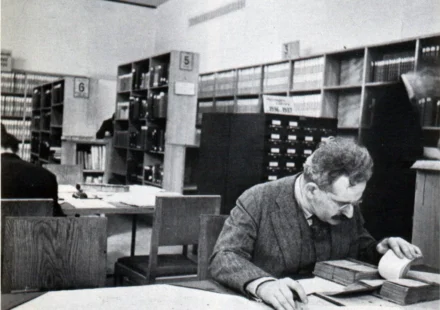
Cultivating the Research Journal: From Fleeting Jottings to Foundational Insights

Most researchers are advised early in their academic journey to maintain a research journal. This indispensable tool serves as a dynamic repository for a myriad of intellectual elements: nascent ideas, potential avenues of inquiry, tentative analytical…
Standardizing the Citation of Digital Job Advertisements: A New Imperative for Academic Research and Professional Documentation

The academic and professional world is increasingly acknowledging the critical need for a standardized approach to citing digital job advertisements, a crucial development reflecting the profound shift towards online recruitment and the growing use of…

Unlocking Academic Potential: Strategies for Transforming Raw Ideas into Coherent Research Papers

The genesis of a research paper often begins with a compelling idea, sparked by diverse sources ranging from a casual thought in the shower to a stimulating conference presentation or a pivotal moment during critical reading. While the initial flash of…
Navigating the Nuances of Nested Citations: MLA Handbook Provides Clarity on Quoting Within Quotations
The Modern Language Association (MLA) Handbook, a foundational guide for academic writing and research, provides precise guidance on handling complex citation scenarios, particularly the often-perplexing situation of quoting a source that itself contains…
Modern Language Association Prioritizes Digital Accessibility, Recommends Full Author Name Repetition in Works-Cited Lists

The Modern Language Association (MLA), a globally recognized authority on academic style and research, has announced a significant forthcoming change to its widely adopted citation guidelines, specifically concerning the treatment of repeated author…
Clarifying Academic Citation: MLA Guidelines for Conference Presentations Emphasize Direct Sourcing Over Personal Notes
The Modern Language Association (MLA) has consistently underscored the critical importance of citing the original source of information, particularly when referencing academic presentations such as lectures or conference sessions. A key directive from…

Ensuring Rigor: The Critical Imperative of Coherence in Research Design
Coherence in research design stands as a foundational pillar of academic integrity, distinct yet intrinsically linked to coherence in academic writing. While both aim for clarity and logical flow, research design coherence delves deeper, ensuring a…

The Nuance of ‘As Such’: Deconstructing a Common Grammatical Misconception

The phrase "as such" frequently appears in contemporary English prose, often employed with the intention of conveying causality or consequence, akin to "therefore" or "consequently." However, this widespread application…

From Thesis to Monograph: Dr. Rachel Lehner-Mear’s Journey in Publishing Research on Mothers and Primary School Homework

Dr. Rachel Lehner-Mear, a distinguished scholar from the University of Nottingham’s School of Education, has recently published her doctoral research as a monograph, delving into the intricate dynamics between mothers and primary school homework.…

Mastering Lexical Nuance: The Critical Distinction Between Compliment and Complement

The English language, with its rich tapestry of words and intricate grammatical structures, frequently presents challenges even to its most seasoned users. Among the myriad of lexical subtleties, the distinction between "compliment" and…
