The Octopus System: Building Classroom Culture Through Peer Affirmation and Strategic Recognition

In an era where educational institutions are increasingly prioritizing Social Emotional Learning (SEL) alongside academic rigor, Marcus Luther, a veteran high school educator and contributor to "The Broken Copier," has developed a pedagogical framework designed to foster community through a structured system of peer recognition. Known as "The Octopus," the system utilizes a visual, multi-tentacled display of classroom values to encourage students to notice and affirm the positive contributions of their peers. This method, which has evolved over a decade of classroom application, addresses a critical need in secondary education: the transition from teacher-centered praise to a peer-driven culture of validation.
The system is predicated on the psychological principle that students, particularly adolescents, are more deeply influenced by the approval of their peers than by the praise of authority figures. By formalizing this process through a combination of digital tracking and physical rituals, Luther has created a scalable model that has gained traction among educators seeking to improve classroom climate and student engagement.

The Structural Framework of the Octopus System
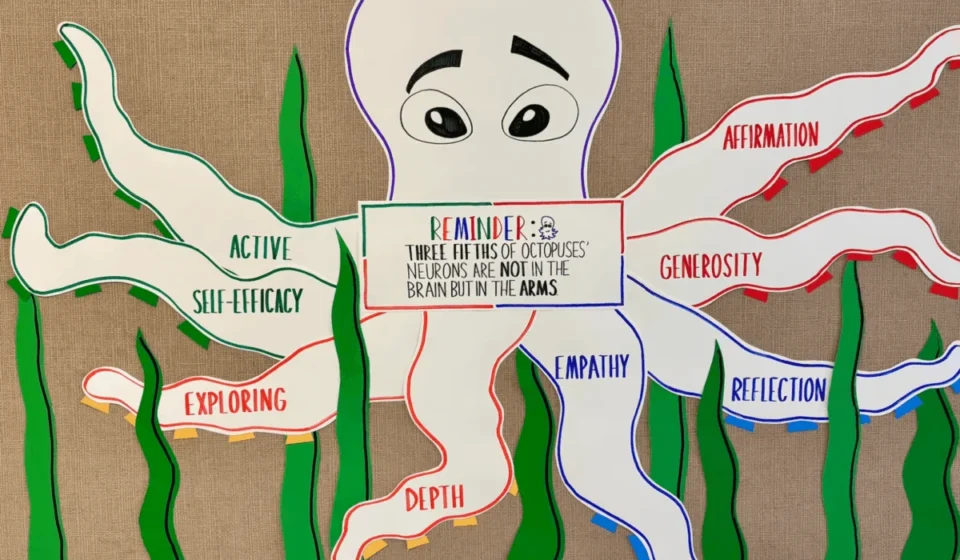
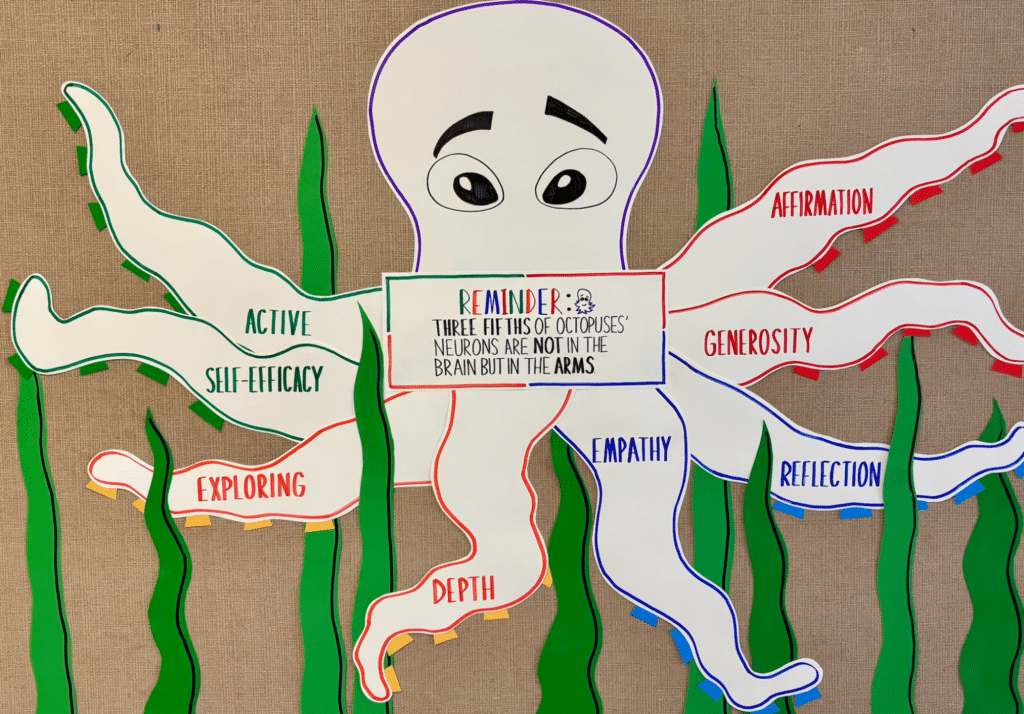
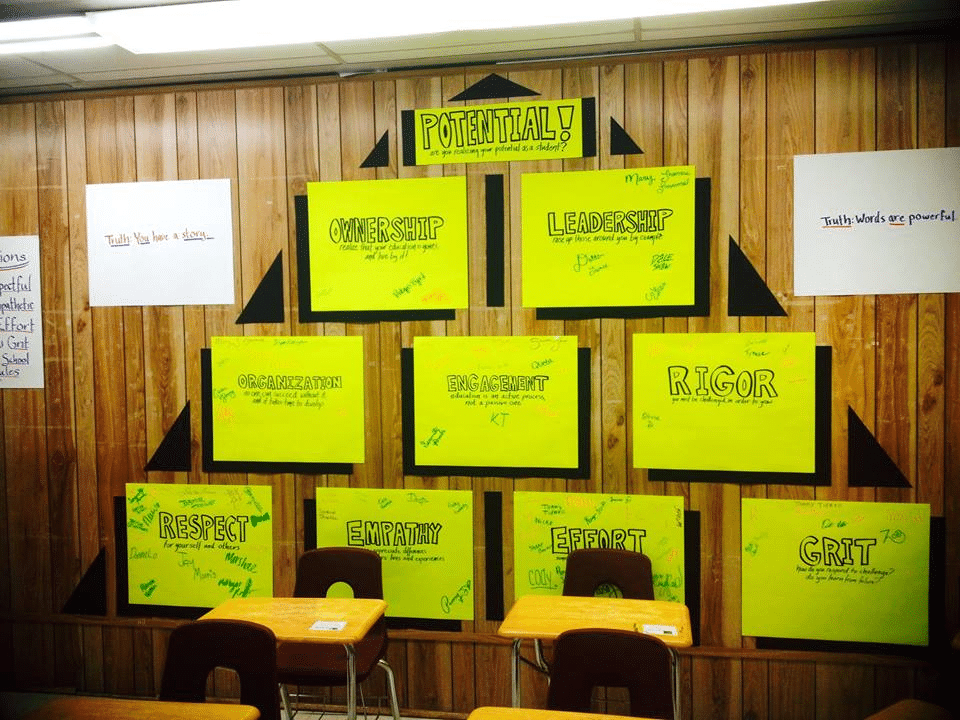
The Octopus system is built upon three primary pillars: the selection of core values, a structured nomination process, and a public ritual of recognition. While the visual representation often takes the form of an octopus—where each of the eight tentacles represents a specific classroom value—the underlying logic is rooted in the "Pyramid of Success" developed by legendary basketball coach John Wooden.
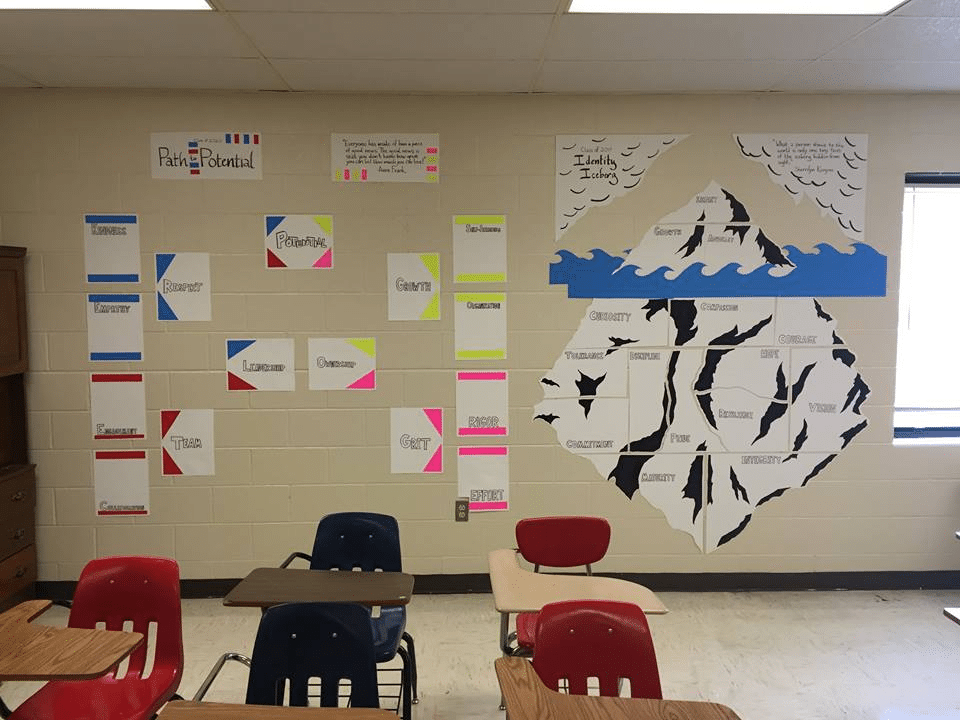
At the beginning of each academic year, the "Octopus" appears on the classroom wall as a series of blank posters. These posters remain empty for the first two to three weeks of the semester, creating a sense of anticipation and curiosity among the student body. This delay is intentional, allowing the teacher to establish initial rapport and community standards before the affirmation system is officially launched.
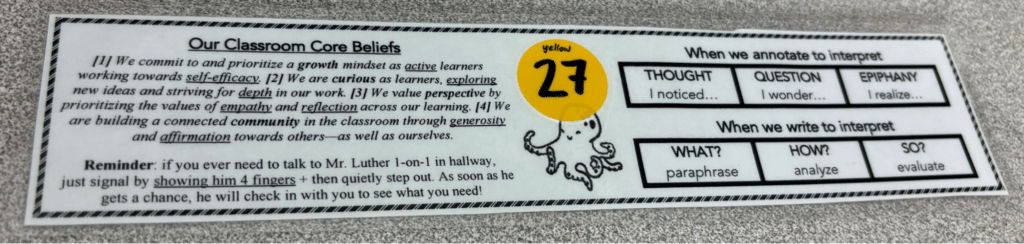
The values selected for the system are often a blend of academic habits and interpersonal traits. In Luther’s model, these include terms like "Active," "Depth," and "Self-Efficacy." To ensure these values are not merely abstract concepts, they are frequently displayed on student desks and integrated into daily lesson plans. This constant visibility serves as a "look-for" guide, prompting students to identify specific behaviors in their classmates that align with the established community standards.
The Chronology of Implementation: From Preparation to Ritual
The implementation of the Octopus system follows a distinct timeline that mirrors the development of the classroom community over the course of a school year.
Phase 1: Pre-Semester Preparation
Before students arrive, the educator determines the core values. While some teachers opt for a co-creation model where students help define the values, Luther suggests a "pay-it-forward" approach. In this model, feedback from the previous year’s students informs the values for the incoming class. This provides a sense of continuity and institutional legacy. For teachers managing high student volumes—often ranging from 150 to 180 students across multiple sections—pre-selecting values is a pragmatic necessity that ensures the system is ready for immediate deployment.
Phase 2: The Launch and Mystery Period
During the first 14 to 21 days of school, the blank posters serve as a silent fixture in the classroom. This period is used to define the values through direct instruction and modeling. When the system is finally introduced, the teacher provides "exemplar nominations" to demonstrate the difference between superficial praise and substantive affirmation.
Phase 3: The Digital Nomination Process
To manage the high volume of data, the system utilizes digital tools such as Google Forms. Students are asked to nominate a peer, select a corresponding value, and provide a brief explanation of the behavior they observed. These nominations are kept anonymous to encourage honesty and to prevent the process from becoming a popularity contest. By embedding these forms into existing routines, such as exit tickets or post-quiz reflections, the act of affirmation becomes a normalized part of the academic workflow.
Phase 4: The Signing Ritual
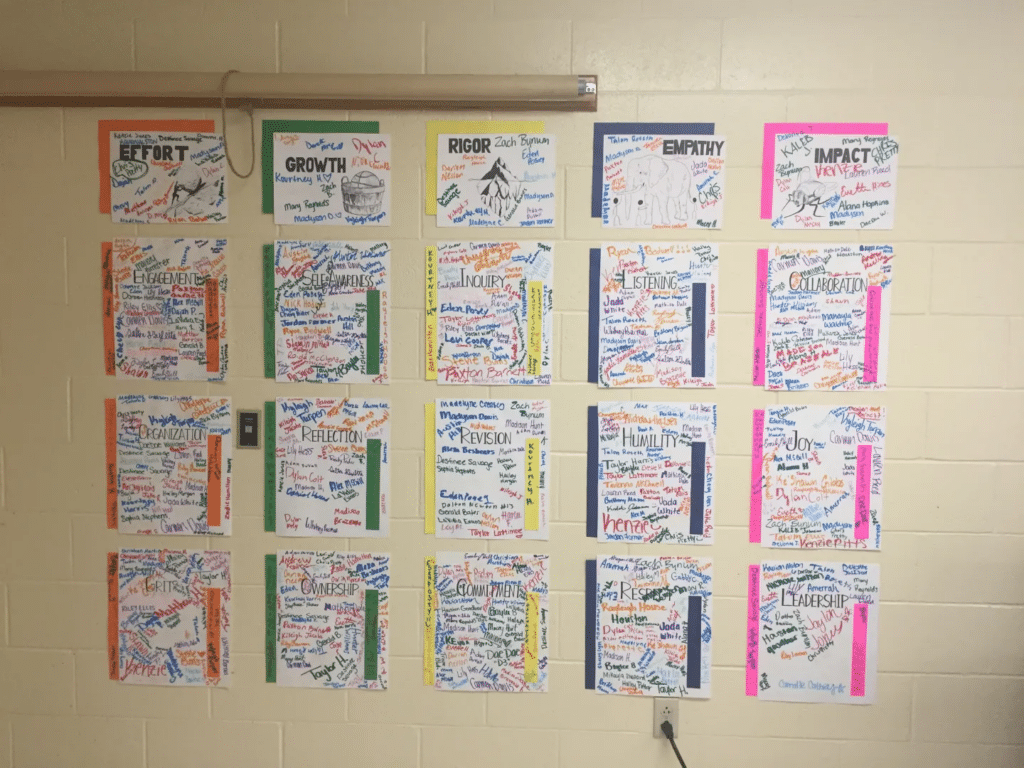
The culmination of the process is the "signing of the wall." Typically occurring at the end of a week, the teacher reads the nominations aloud without initially revealing the recipient’s name. Once the specific behavior is described, the student’s name is announced to a round of applause. The student then signs the corresponding poster using a pen color assigned to their specific class period. This physical act of signing serves as a permanent record of the student’s contribution to the classroom culture.
Supporting Data: The Impact of Affirmation on Adolescent Learning
The effectiveness of the Octopus system is supported by a growing body of research in the field of educational psychology. According to a study published in the Journal of Educational Psychology, peer-to-peer recognition programs can lead to a 20% increase in student engagement and a significant reduction in classroom disruptions.
Furthermore, "Self-Affirmation Theory," pioneered by social psychologist Claude Steele, suggests that when individuals are affirmed in their core values, they become more resilient to stress and more open to challenging information. In a high school setting, where academic pressure and social anxiety are prevalent, the Octopus system acts as a buffer. By focusing on strengths, the system helps students maintain a positive self-image, which is a prerequisite for effective learning.
Data collected from Luther’s own implementation reveals that the system provides a unique longitudinal view of student growth. By the end of a school year, a single classroom wall may contain hundreds of signatures, representing thousands of individual moments of noticed kindness or academic effort. For educators, this spreadsheet of nominations becomes a goldmine of data for parent-teacher conferences and college letters of recommendation.
Official Responses and Stakeholder Reactions
The reaction to the Octopus system from various stakeholders—students, parents, and administrators—highlights its multifaceted value.
Parental Perspectives: During annual fall conferences, the system serves as a bridge between the classroom and the home. Educators report that parents are often moved when hearing the specific, anonymous praise their children have received from peers. It shifts the narrative of the conference from grades and behavior to character and community contribution.
Student Engagement: While some high school students initially respond with skepticism or "eye-rolls," the ritualistic nature of the signing often wins over even the most reluctant participants. Luther notes that students who appear "too cool" to care often become the most attached to the wall, frequently checking how many times they have signed or bringing friends from other classes to show them their signatures.
Administrative Support: School administrators have noted that systems like the Octopus contribute to a "Positive Behavioral Interventions and Supports" (PBIS) framework. By rewarding the "invisible" students—those who are consistently helpful but rarely seek the spotlight—the system ensures that recognition is distributed equitably across the student body.
Broader Implications for the Educational Landscape
The success of the Octopus system reflects a broader shift in the global educational landscape toward holistic student development. As schools move away from purely punitive disciplinary measures, they require proactive systems that build "social capital" within the classroom.
The Octopus system offers a blueprint for how technology can be used to humanize, rather than mechanize, the classroom experience. By using Google Sheets to organize and retrieve peer affirmations, teachers can manage the logistical burden of large class sizes while maintaining the personal touch of a small-group setting.
Moreover, the system prepares students for the modern workplace, where "soft skills" such as collaboration, empathy, and the ability to give and receive feedback are highly prized. By learning to look for the strengths in others, students develop a mindset of appreciation that extends beyond the classroom walls.
Conclusion: The Enduring Value of Being Seen
The ultimate goal of the Octopus system is to ensure that every student feels "seen" within the school environment. In a large high school, it is easy for students to feel like a number in a database. The Octopus counters this by creating a physical and social space where individual contributions are memorialized.
As Marcus Luther concludes in his analysis of the system, "You value what you make space for." By dedicating time and physical wall space to peer affirmation, educators send a powerful signal to their students that their character is just as important as their test scores. The Octopus is not merely a decoration; it is a living document of a community’s growth, a testament to the power of positive reinforcement, and a replicable model for 21st-century education.