
National Science Week enters its fourth day with a diverse array of events across Australia, showcasing the nation’s burgeoning capabilities in quantum technology, forensic science, and the intricate intersections between art and ecology. Established in 1997, National Science Week has grown into one of Australia’s largest annual festivals, featuring over 1,000 events delivered by universities, schools, research institutions, libraries, and community centers. The 2024 program continues this tradition, aiming to increase public engagement with Science, Technology, Engineering, and Mathematics (STEM) while highlighting the practical applications of research in daily life and industry.
As the Tuesday schedule unfolds, the focus shifts toward immersive experiences and career-oriented outreach. From the virtual reality simulations in regional Queensland to the microscopic explorations in suburban Victoria, the day’s highlights reflect a strategic effort by the scientific community to bridge the gap between complex theoretical research and public understanding. This engagement is particularly critical as Australia faces a growing demand for STEM-qualified professionals, with government data suggesting that occupations in these fields are growing nearly twice as fast as other jobs.
Technological Frontiers: Quantum Computing and Virtual Reality
In Queensland and New South Wales, the focus remains firmly on the "weird frontier" of quantum technology. In Chatswood, NSW, the Sydney Quantum Academy is hosting "Quantum Future Talent: From Curiosity to Career," an event specifically designed for secondary students. This initiative comes at a pivotal time for the Australian tech sector; the Australian Government’s National Quantum Strategy predicts that the quantum industry could create 19,400 jobs and generate $5.9 billion in revenue by 2045. The event uses accessible analogies—such as skipping ropes and giant balls—to demystify concepts like superposition and entanglement, while also providing a direct pipeline for students to engage with Macquarie University, UNSW, the University of Sydney, and UTS.
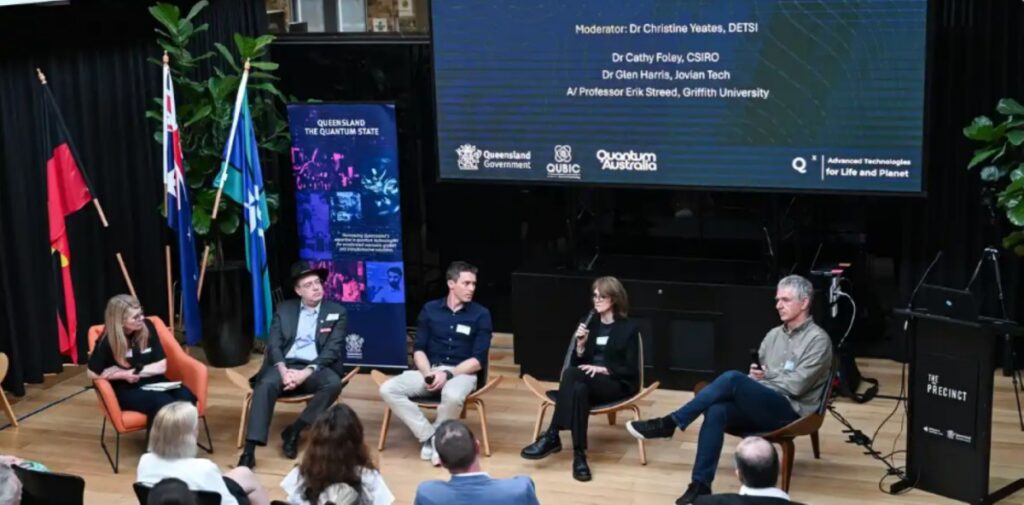
Simultaneously, in Fortitude Valley, QLD, the Qx Summit is exploring the commercialization of these technologies. Under the banner of "Make it in Queensland," the summit brings together policymakers, investors, and researchers to discuss how quantum sensing and biotechnology are being integrated into health, logistics, and defense. This professional gathering underscores Queensland’s ambition to become a global hub for deep tech, leveraging local research from the ARC Centre of Excellence in Quantum Biotechnology (QUBIC).
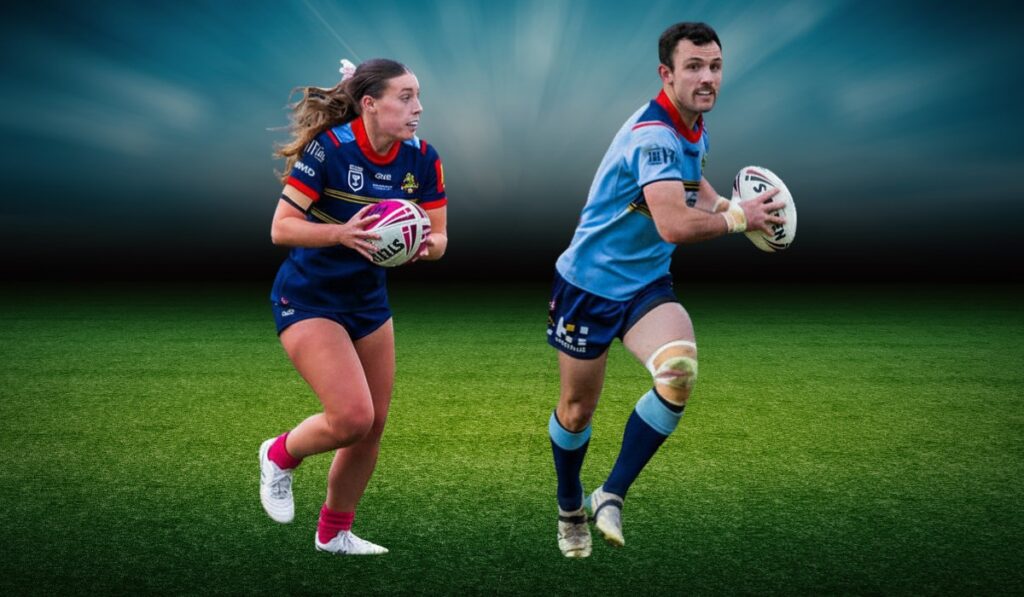
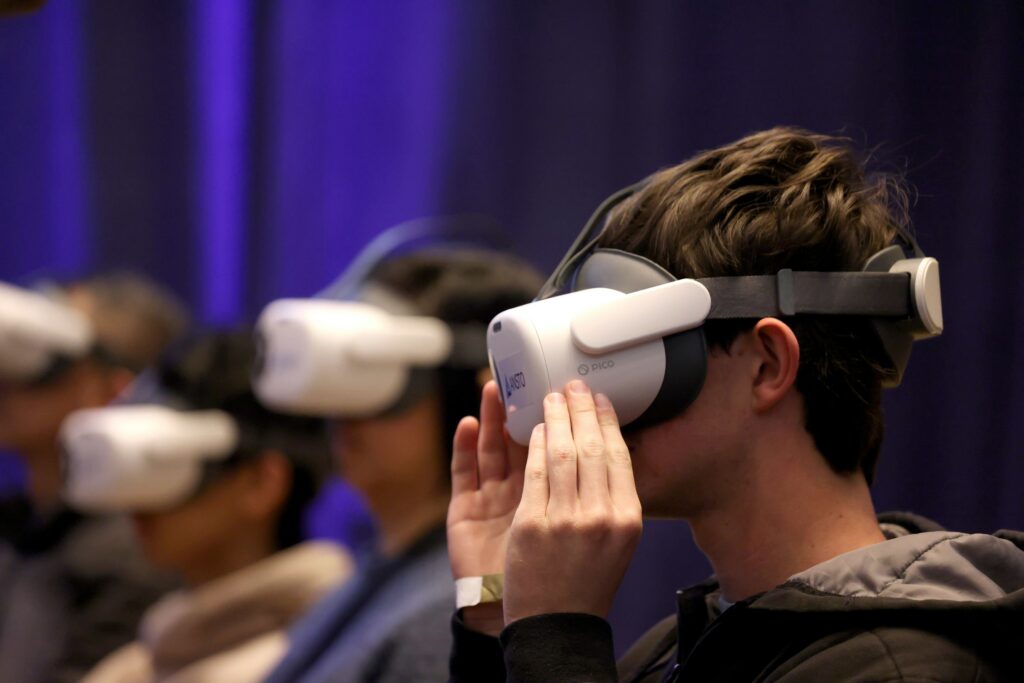
In Toowoomba, the intersection of technology and human performance takes a different form. The "Brains, Boots & Beyond" project, a collaboration between the Western Clydesdales rugby league club, the University of Southern Queensland (UniSQ), and Concinnity, utilizes virtual reality to allow the public to "step inside" the brain of a professional athlete. By using avatars of local players, the simulation illustrates how neuroscience informs sports psychology, specifically focusing on focus, resilience, and recovery. This project highlights the growing role of biometric data and cognitive science in modern professional sports, where marginal gains in mental processing can determine the outcome of a match.
Public Health and the Microbiome: A Tactile Exploration
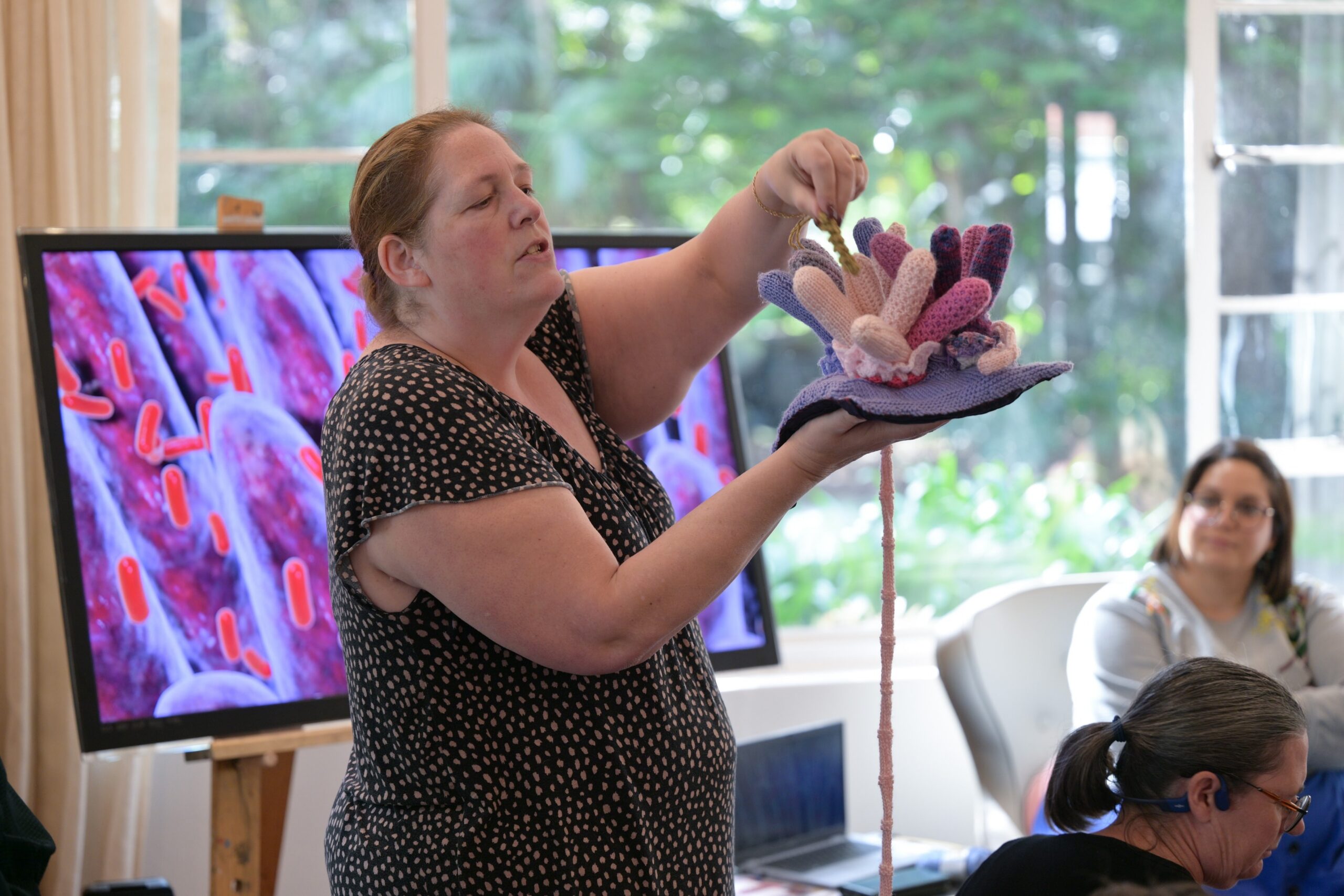
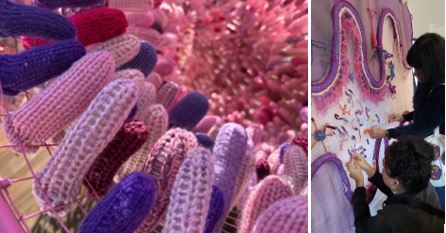
One of the more unique installations of the week is the "Gut Feelings" exhibition in Sydney, NSW. This project utilizes textile art to communicate the complex relationship between the gut microbiome and mental health, often referred to as the gut-brain axis. Community members and artists have collaborated to knit and crochet a giant, walk-in gastrointestinal system, complete with over 4,000 individual villi and hundreds of microbes.
Scientific research has increasingly shown that the gut-brain axis is a bidirectional communication network. Approximately 90% of the body’s serotonin, a hormone that regulates mood, is produced in the digestive tract. By creating a physical, tactile representation of this system, researchers from UNSW, the University of Sydney, and ANSTO aim to make these biological concepts more relatable. The project follows the success of "Neural Knitworks," a previous National Science Week initiative that used similar crafting methods to explain brain health. The "Gut Feelings" workshop at Five Dock Library and the exhibition at St George Hospital provide a platform for researchers to discuss the implications of diet and microbial diversity on psychological wellbeing with the general public.

The Evolution of Forensic Science and Career Pathways
In Western Australia, the Australia and New Zealand Forensic Science Society (ANZFSS) is addressing the reality of modern criminal investigations. At Curtin University in Bentley, a "Real CSI Careers" night is being held to dispel myths popularized by television dramas and provide an accurate look at the profession. The event features experts in digital forensics, forensic archaeology, wildlife forensics, and entomology.
The field of forensics has undergone a significant transformation over the last decade. While DNA profiling remains a cornerstone, the rise of digital crime has necessitated a surge in cyber-forensics experts. Furthermore, wildlife forensics is playing an increasingly vital role in combating illegal animal trafficking, a multi-billion dollar global black market. This event serves as a critical networking opportunity for students, highlighting that forensic science is an interdisciplinary field requiring expertise in biology, chemistry, information technology, and law.
Environmental Stewardship and Microscopic Ecology
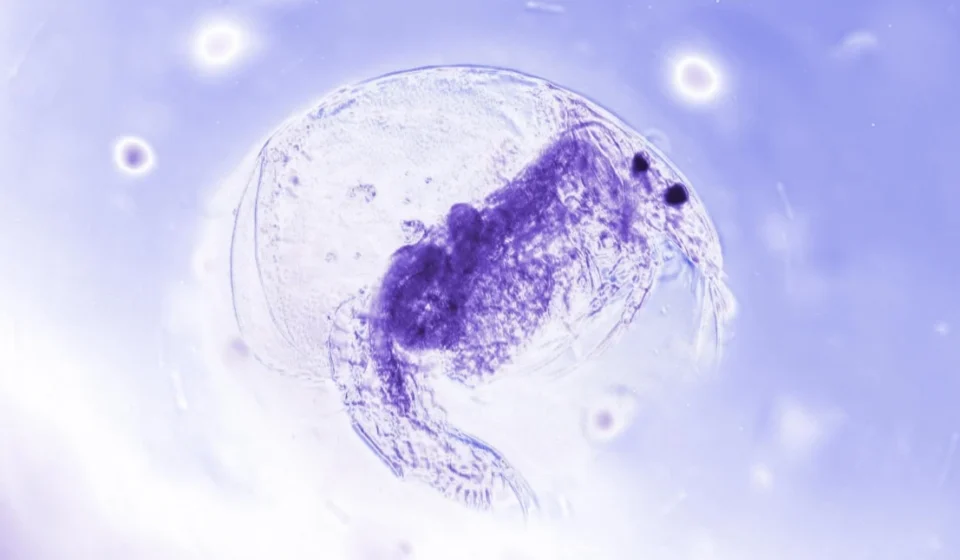
In Box Hill, Victoria, the "After-Image" exhibition brings the invisible foundations of our waterways to light. Dr. Robert Walsh, an aquatic micro-invertebrate ecologist, and artist Emma X Zhang have combined scientific data with light installations and fabric works to showcase zooplankton. These organisms, often smaller than 2mm, are essential to aquatic food webs, serving as the primary food source for many fish species and acting as indicators of water quality.
The exhibition underscores a broader environmental message: the health of larger ecosystems is dependent on these microscopic "invisible animals." As urban development and climate change impact Australian waterways, understanding these micro-invertebrates becomes essential for conservation efforts. The collaboration between Walsh and Zhang represents a growing trend in "SciArt," where artistic mediums are used to evoke emotional responses to environmental data that might otherwise seem abstract to the public.
STEM Engagement for the Next Generation
In the Northern Territory and South Australia, National Science Week is focusing on tactile, high-energy demonstrations to capture the imaginations of younger students. In Marrara, NT, the Hydraulic Arm STEM Challenge, facilitated by Engineers Australia, introduces participants to Pascal’s Principle. By building and operating hydraulic arms, students gain a practical understanding of fluid power and mechanical advantage—concepts that are fundamental to industries ranging from civil engineering to aerospace.
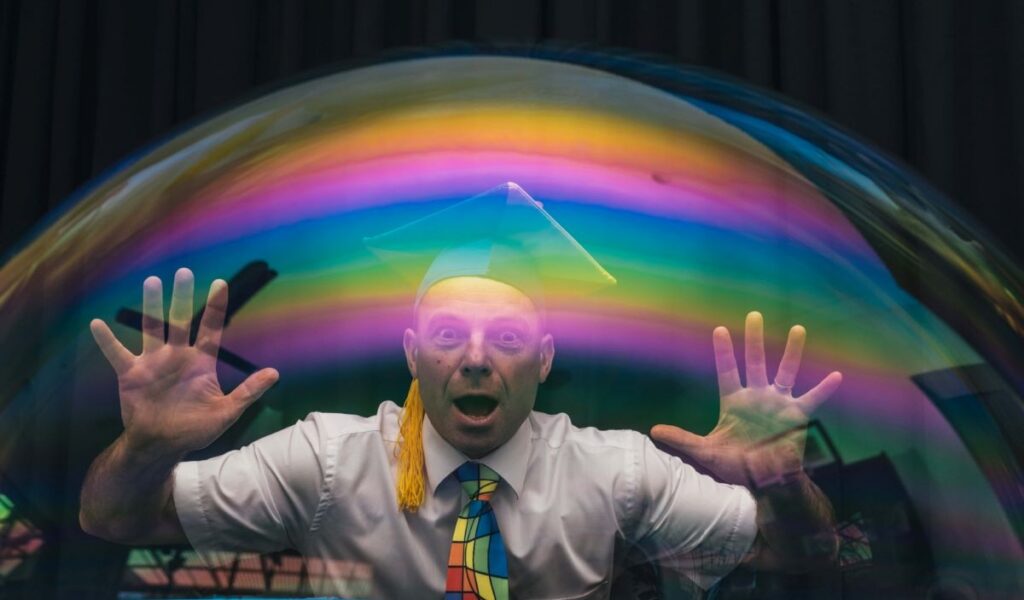
Meanwhile, in Gilberton, SA, Marty McBubble (Graeme Denton) is utilizing the physics of surface tension and fluid dynamics in the "Scientific Bubble Show." Holding the world record for the tallest bubble ever made, Denton uses comedy and quirky gadgets to explain the science behind bubble rockets and carousels. While seemingly whimsical, these demonstrations provide an entry point into the study of physics, illustrating how pressure and molecular structures interact in the physical world.

Science and Art Collaboration in Tasmania
In Hobart, the "Beaker Street" CoLab initiative is demonstrating the power of mentorship. This program pairs high-school art students from New Norfolk and Hobart City with research scientists. The students visit laboratories and field sites, translating their observations into artworks currently on display at the Tasmanian Museum and Art Gallery (TMAG).
This initiative addresses the "Silo Effect" in education, where science and the arts are often treated as mutually exclusive. By encouraging students to communicate scientific concepts through visual media, the program fosters critical thinking and communication skills. The CoLab exhibition is a testament to the idea that scientific discovery requires the same level of creativity and imagination as artistic expression.
Analysis and Broader Implications
The events of National Science Week Day 4 highlight several key themes in the current Australian scientific landscape. First, there is a clear emphasis on "future-proofing" the economy by encouraging youth engagement in quantum and digital technologies. As the global economy shifts toward automation and advanced computing, the Australian government is prioritizing the development of a homegrown workforce capable of leading these industries.
Second, the prevalence of "citizen science" and community-based projects, such as the "Gut Feelings" knitwork, suggests a shift in how science communication is delivered. Rather than top-down lectures, these events favor participatory experiences that value community contribution. This approach is more likely to build long-term public trust in scientific institutions and findings.

Finally, the geographic diversity of the events—stretching from the Top End to Tasmania—reflects the national scope of the initiative. National Science Week serves as a reminder that scientific innovation is not confined to major metropolitan research hubs but is a nationwide endeavor that touches every aspect of Australian life, from the rugby field to the microscopic life in suburban creeks.
As the week continues, the data collected from these engagements will help inform future educational strategies and public outreach programs. The success of Day 4, characterized by high attendance and diverse programming, reinforces the importance of National Science Week as a cornerstone of Australia’s cultural and intellectual calendar. The ongoing challenge for the scientific community remains the transition of this temporary excitement into sustained interest and investment in the sciences, ensuring that the "quantum leaps" and "microscopic discoveries" of today lead to the innovations of tomorrow.