The Subtle Sabotage: How PhDs Unintentionally Signal Desperation in Their Industry Job Search

A recent conversation with a highly accomplished physicist, a decade into a career marked by groundbreaking research and widespread academic acclaim, highlighted a pervasive and often overlooked challenge faced by advanced degree holders transitioning into the private sector: the unintentional signaling of desperation. Despite possessing a formidable CV and a distinguished publication record, this physicist found her job applications hitting an inexplicable "brick wall" for months. This phenomenon, far from being an isolated incident, points to a broader pattern where academic strategies, when misapplied to the industry job market, can inadvertently undermine a candidate’s perceived value.
The physicist’s predicament was particularly acute as she had already divested from her academic roles, both for financial sustainability and to fully commit to her industry job search. When a brief reconsideration led her to attempt to reclaim her academic position, she discovered it had been filled, leaving her in a precarious and frustrating position. "I’m at a loss," she confided to this reporter. "It’s like I’ve stepped into the Twilight Zone. My work has always spoken for itself, but now, it feels like my applications are disappearing into a black hole. It has to be something I’m doing."
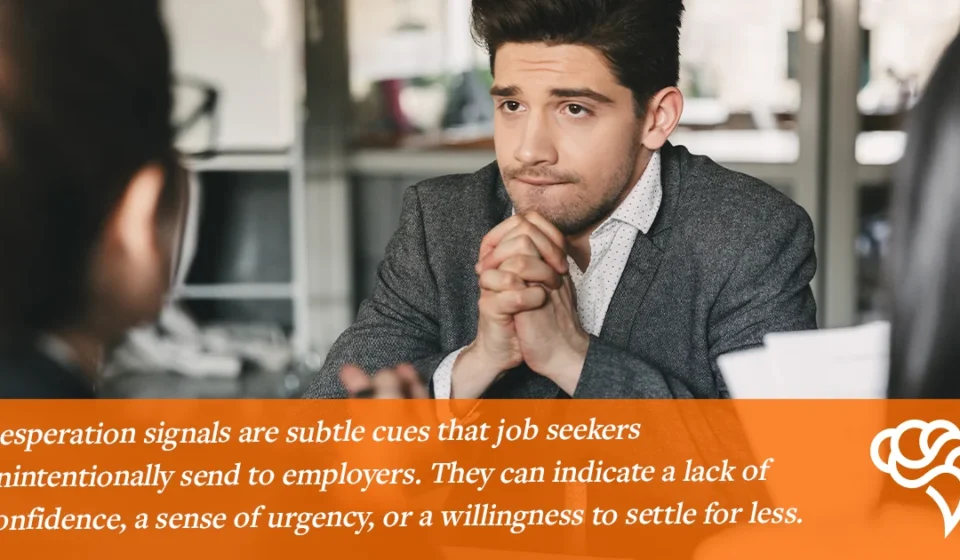
This sentiment resonates with many PhDs navigating the complex landscape of industry recruitment. The core issue, as revealed in this and numerous similar cases, lies in the subtle cues – or "desperation signals" – that job seekers, particularly those accustomed to the academic environment, inadvertently transmit. These signals, manifesting across online profiles, resumes, and interview interactions, can convey a lack of confidence, an excessive sense of urgency, or a willingness to accept subpar opportunities, ultimately diminishing a candidate’s appeal to potential employers. The very definition of "desperate" – often associated with terms like depressed, despondent, cynical, and bleak – underscores why such perceptions are detrimental in a professional context.
Understanding the "Desperation Signals" in the Modern Job Market
Desperation signals are not overt declarations but rather subtle indicators that can significantly impact a job seeker’s chances. They arise from a misunderstanding of industry expectations and the communication nuances valued by corporate recruiters and hiring managers. For PhDs, who have spent years immersed in a highly specialized and often insular academic world, the transition to industry requires a fundamental shift in how their qualifications and intentions are presented.
The academic job market, while competitive, often operates on different principles than its industry counterpart. In academia, publications, research output, and theoretical contributions frequently serve as primary indicators of merit. Industry, however, places a greater emphasis on tangible results, immediate applicability, and a demonstrable understanding of business objectives. This divergence in priorities can lead to a disconnect, where a PhD’s resume, LinkedIn profile, or even their networking approach, while perfectly aligned with academic norms, can be misinterpreted as signs of desperation by industry professionals.
The Digital Footprint: Crafting a Compelling LinkedIn Presence
LinkedIn has evolved into a critical tool for both job seekers and recruiters. For hiring managers, it serves as a primary platform for candidate sourcing and initial vetting. Their process typically begins with keyword searches, targeting terms that directly correlate with the requirements of an open position, such as "data scientist," "project manager," or specific programming languages like "Python." Boolean search operators are often employed to refine these searches, aiming to identify the most qualified individuals efficiently.

Once potential candidates are identified, recruiters delve deeper into their LinkedIn profiles. They scrutinize aspects such as the headline, which should concisely convey expertise and career aspirations; the summary, which offers a narrative of skills and motivations; the experience section, detailing accomplishments and responsibilities; skills endorsements, validating expertise; and recommendations, providing third-party endorsements of a candidate’s capabilities.
However, a significant pitfall for many PhDs lies in their passive approach to LinkedIn. The physicist in the initial example, despite being recognized as a thought leader in her field, felt uncomfortable posting her own content or engaging directly with a broad audience, preferring to observe from the sidelines. This reticence is common among academics who may not have historically prioritized extensive networking or public self-promotion. While this approach might feel safe, it can lead recruiters to question a candidate’s active engagement and perceived value. Recruiters often look for evidence of a candidate "walking the walk"—demonstrating not just qualifications but also proactive engagement and a clear understanding of industry trends and needs.
Red Flags on LinkedIn: What Employers Hope Not to See
Employers actively seek candidates who exhibit confidence, competence, and a clear alignment with their organizational goals. Conversely, certain elements on a LinkedIn profile can raise red flags, signaling desperation and undermining a candidate’s professional image.
1. The "Open to Work" Banner: A Double-Edged Sword
While the "Open to Work" banner on LinkedIn is intended to flag availability to recruiters, it can inadvertently project an image of desperation. This feature, often associated with individuals actively seeking employment, can lead employers to infer unemployment, potentially raising questions about recent performance or desirability. It can also suggest a lack of selectivity, implying that a candidate is willing to accept any opportunity rather than a carefully considered role. Furthermore, the banner can create a perception of urgency, prompting employers to question the reasons behind such a pressing need for a job, such as being terminated or facing financial difficulties. Even more subtly, it can attract lower-quality opportunities from companies that may not subscribe to premium LinkedIn Recruiter services, potentially indicating a lesser capacity for investment in their workforce. Crucially, this banner can contradict a profile that otherwise projects confidence and a successful career trajectory, creating a dissonance that undermines the candidate’s carefully crafted image.
2. Generic Language and Academic Jargon
Resumes and LinkedIn profiles filled with vague phrases like "highly motivated," "team player," or "results-oriented" fail to provide specific insights into a candidate’s unique skills or their applicability to a particular role. This generic approach can cause a candidate to blend into the crowd, appearing unfocused or irrelevant. Similarly, a resume that primarily lists academic achievements and publications without clearly articulating their relevance to industry needs can make it difficult for employers to translate academic expertise into practical business value. This lack of tailored content can suggest that the candidate has not thoroughly considered their career transition or understood the industry’s priorities. The absence of industry-specific language can also signal a lack of research into the target company and its values, leading employers to question a candidate’s genuine interest and potential fit within the team.

3. Unprofessional Networking Approaches
Many PhDs, particularly those accustomed to academic collaboration, may inadvertently adopt overly casual or presumptive approaches when networking with industry professionals. This can manifest as effusive emails or messages employing excessive exclamation marks, emojis, or overly familiar language. Presumptuously inquiring about next steps or timelines before an offer of assistance has been made, or oversharing personal information due to nervousness, can also alienate potential contacts. Such behaviors can signal a lack of emotional maturity, composure, and boundary awareness, making others feel uncomfortable or pressured. This can create an imbalanced relationship, hindering rapport and trust. Furthermore, it may be perceived as insincere or manipulative, suggesting an overeagerness to impress rather than a genuine interest in building a professional connection. This can lead employers to question a candidate’s ability to collaborate effectively within a team environment, reinforcing a stereotype that some PhDs may struggle with interpersonal dynamics.
The Resume’s Silent Story: Avoiding Desperation in Application Materials
The resume remains a cornerstone of the job application process, serving as the initial point of contact between a candidate and a potential employer. A well-crafted resume can unlock doors, while a poorly executed one can lead to immediate rejection. For PhDs, ensuring their resume doesn’t signal desperation is paramount.
Key Resume Red Flags:
- Over-Applying: Submitting applications for multiple positions within the same company in a short timeframe can be perceived as a "spray and pray" approach, indicating a lack of focus or a desperate attempt to secure any role. Hiring managers may interpret this as a sign of desperation rather than genuine interest in specific positions.
- Generic Content: A one-size-fits-all resume that is not tailored to the specific job description signals a lack of effort and research. Employers expect to see that candidates have taken the time to understand the role and company, highlighting relevant skills and experiences.
- Keyword Stuffing: While incorporating relevant keywords is crucial for Applicant Tracking Systems (ATS), overstuffing a resume can make it sound robotic and inauthentic. This can trigger ATS filters designed to detect overly optimized applications, ultimately hindering visibility.
- Unrealistic Salary Expectations: Stating salary expectations significantly above the industry average for one’s experience level can signal a lack of market awareness or unrealistic expectations. Thorough research into salary ranges for the specific field and location is essential.
- Irrelevant Information: Including personal details such as marital status, hobbies, or irrelevant work experience can distract from a candidate’s core qualifications and waste recruiters’ valuable time.
To neutralize these potential red flags, candidates should focus on quality over quantity in their job applications, carefully selecting roles that align with their skills and interests and tailoring each application accordingly. Highlighting a unique value proposition, showcasing the most relevant skills and experiences concisely and impactfully, and strategically incorporating keywords naturally are crucial steps. While many of the principles for optimizing a LinkedIn profile also apply to resume writing, it is important to remember that a resume should not simply be a reiteration of a LinkedIn profile. Each document serves a distinct purpose and should be optimized accordingly.
Interview Dynamics: Navigating the Final Frontier
While LinkedIn profiles and resumes serve as gateways to interviews, the interview itself is where a candidate’s true fit and professionalism are assessed. Missteps during this crucial stage can undo months of careful preparation. The perception of desperation can emerge from behaviors that suggest over-enthusiasm, a lack of confidence, or an excessive focus on personal needs rather than organizational contributions.
Interview Behaviors to Avoid:

- Over-Enthusiasm: While genuine interest is positive, excessive excitement or flattery can appear insincere and desperate. A balanced, professional demeanor is key.
- Rambling or Over-Explaining: Nerves can lead to rambling answers or unnecessary over-explanation, which can convey uncertainty. Practicing concise, focused responses that directly address interview questions is essential.
- Lack of Confidence: Hesitant speech, avoiding eye contact, or fidgeting can project a lack of self-assurance. Remembering one’s qualifications and speaking with clarity and a positive demeanor is vital.
- Focusing on Personal Needs: Constantly emphasizing one’s own needs and wants, rather than demonstrating how skills can contribute to the company’s success, can come across as self-centered.
- Premature Salary and Benefits Inquiries: Bombarding interviewers with questions about salary and benefits early in the process can signal that the candidate is more interested in perks than the role itself.
- Immediate Acceptance of Any Offer: Jumping at the first job offer without careful consideration can signal desperation. Taking time to evaluate opportunities and negotiate appropriately demonstrates self-worth.
- Negative Comments About Previous Employers: Speaking negatively about past academic experiences can appear unprofessional and suggest a difficulty in working with others. A professional context should always be maintained.
- Overemphasizing Need: Phrases like "I really need this job" or "I’m desperate for a change" can raise significant red flags for employers.
Instead, candidates should focus on thorough preparation, including researching the company and practicing responses to common interview questions. Clearly articulating a value proposition, demonstrating how skills align with job requirements, and expressing genuine enthusiasm in a balanced manner are crucial. Asking thoughtful, insightful questions about the company, team, and role showcases engagement and preparedness. Ultimately, being authentic while maintaining a professional demeanor is key to a successful interview.
Implications for the Academic-to-Industry Transition
The challenges faced by PhDs in translating their academic achievements into industry success underscore a broader implication for higher education and career development. Institutions often provide robust training in research methodologies and subject-specific expertise but may fall short in equipping graduates with the nuanced communication and professional branding skills necessary for the private sector. The observed phenomenon suggests a need for more integrated career services that bridge the gap between academic rigor and industry expectations, offering workshops on resume optimization, LinkedIn profile development, networking strategies, and interview preparation tailored to the corporate environment.
The ability of PhDs to successfully transition into industry roles has significant economic implications. These highly educated individuals possess critical thinking, problem-solving, and analytical skills that are in high demand across various sectors. By failing to effectively showcase these abilities due to misapplied academic conventions, both the individuals and the industries seeking their talent are disadvantaged. A more strategic approach to career development for PhDs can unlock a valuable talent pool, driving innovation and economic growth.
Conclusion
The journey from academia to industry is often characterized by subtle yet significant shifts in professional presentation. For PhDs, avoiding the perception of desperation is not about downplaying their achievements but about strategically framing them within the context of industry needs and expectations. By understanding how hiring managers assess candidates, meticulously crafting their online and written applications, and approaching interviews with confidence and professionalism, PhDs can effectively neutralize the unintentional "desperation signals" that may be sabotaging their job searches. Embracing a proactive and tailored approach, coupled with a clear understanding of industry dynamics, will pave the way for a successful and fulfilling career beyond the ivory tower.