
Apple Unveils the Apple Home Collection, Partnering with LG Electronics and Schneider Electric for Smart Home Expansion

Apple officially announced its foray into the smart home hardware market today with the introduction of the "Apple Home Collection," a comprehensive new lineup of smart home accessories. This strategic move sees Apple collaborating with established industry giants LG Electronics and Schneider Electric to deliver a range of intelligent devices designed to enhance home automation and security. The initial wave of products, including sensors, thermostats, cameras, and a smart lock, is slated for release beginning in December and will continue into 2027, signaling a significant long-term commitment from the technology behemoth.
The Apple Home Collection represents a departure from Apple’s traditional focus on its own branded hardware, instead leveraging the manufacturing prowess and established smart home expertise of its partners. This collaborative approach allows Apple to quickly bring a diverse and robust ecosystem of smart home devices to market, capitalizing on the growing consumer demand for connected living solutions. The partnership underscores Apple’s ambition to integrate its software ecosystem, particularly its HomeKit framework, more deeply into the physical infrastructure of users’ homes.
Comprehensive Product Offerings from Key Partners
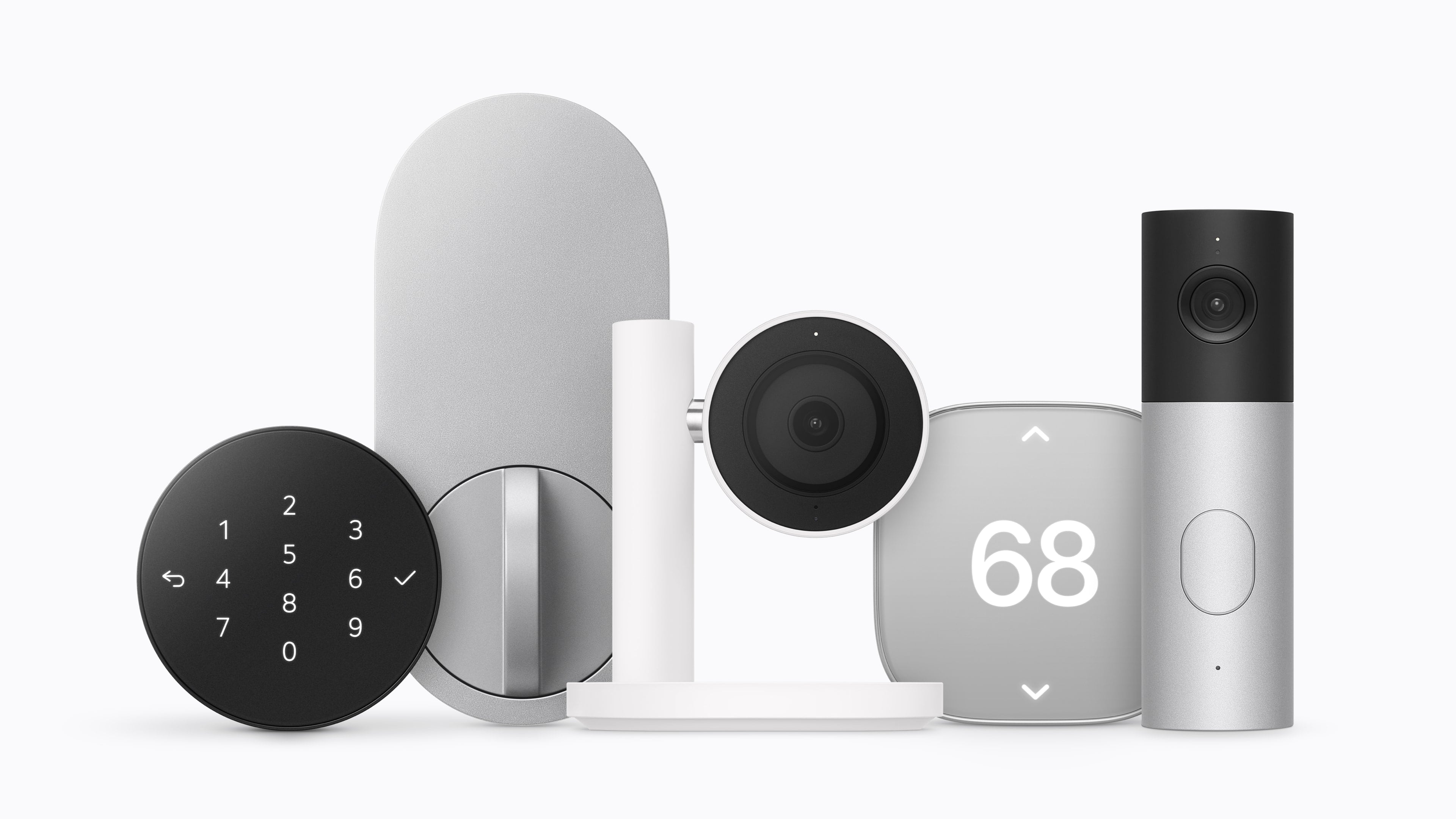
LG Electronics is set to be a major contributor to the Apple Home Collection, with a broad portfolio of devices designed to cover various aspects of home monitoring and control. Their offerings will include a video doorbell, providing homeowners with enhanced security and remote viewing capabilities. Complementing this are floodlight and outdoor cameras, designed to offer robust surveillance in external environments, alongside indoor cameras for comprehensive interior monitoring.
For climate control, LG will introduce a smart thermostat, allowing users to remotely manage their home’s temperature and optimize energy consumption. This will be further supported by a temperature sensor, enabling more granular control and data collection on environmental conditions within the home. A notable highlight from LG is a smart lock that integrates Ultra Wideband (UWB) technology. This advanced feature promises seamless and secure hands-free door unlocking, offering a glimpse into the future of convenient home access.
Schneider Electric, a global specialist in energy management and automation, will contribute its expertise with a smart thermostat and temperature and humidity sensors. These products are expected to align with Schneider Electric’s reputation for energy efficiency and reliability, further bolstering the collection’s focus on intelligent home management. The inclusion of Schneider Electric signals Apple’s intent to address both the consumer and potentially the more technically inclined user who values precision in environmental monitoring and control.
Enhanced Installation and Support Services
Recognizing that the successful adoption of smart home technology often hinges on ease of installation and reliable support, Apple has also established a partnership with ADT and Apple Retail in the United States. This collaboration will provide optional device installation services for an additional fee. This offering aims to remove a significant barrier to entry for consumers who may be less technically inclined or who simply prefer professional setup, further solidifying Apple’s commitment to a user-friendly smart home experience. The availability of professional installation through a trusted security provider like ADT could also appeal to consumers looking for integrated security solutions.
Key Features and Technological Advancements
While specific feature lists for each individual product are still emerging, the overarching theme of the Apple Home Collection is integration and intelligence. The inclusion of Ultra Wideband technology in LG’s smart lock points towards Apple’s continued investment in UWB, a technology that enables precise spatial awareness and enhanced secure communication between devices. This could pave the way for future functionalities such as automatic home adjustments based on user proximity or more sophisticated device interactions.
The emphasis on sensors for temperature, humidity, and potentially motion or environmental changes, suggests a move towards a more proactive and responsive smart home. These sensors can feed data into Apple’s HomeKit ecosystem, enabling automations that can adjust lighting, climate, and security systems based on real-time conditions. For instance, a temperature sensor in a specific room could work in tandem with the smart thermostat to ensure optimal comfort without wasting energy in unoccupied areas.
The range of cameras, from video doorbells to outdoor and indoor units, indicates a strong focus on home security and monitoring. Integration with Apple’s existing services, such as iCloud for secure video storage and the Home app for centralized control and viewing, is highly anticipated. This would allow users to monitor their homes remotely, receive alerts for detected activity, and communicate with visitors via the video doorbell, all within the familiar Apple ecosystem.
Pricing and Availability
The initial pricing for the Apple Home Collection devices has been detailed, providing consumers with a clear understanding of the investment required to build out their smart homes. The pricing structure appears to be competitive, positioning the Apple Home Collection as a viable option within the burgeoning smart home market.
- LG Video Doorbell: $229
- LG Floodlight Camera: $279
- LG Outdoor Camera: $199
- LG Indoor Camera: $179
- LG Smart Lock: $349
- LG Thermostat: $199
- LG Temperature Sensor: $49
- Schneider Electric Smart Thermostat: $249
- Schneider Electric Temperature and Humidity Sensor: $69
Geographic availability is also a key consideration, with Apple indicating that the cameras will be accessible in the United States, Canada, and the United Kingdom. Other devices within the collection will initially be limited to the U.S. and Canada. This phased rollout suggests a strategic approach to market penetration, allowing Apple to gather feedback and refine its offerings before a broader global launch.
Background and Market Context
The announcement of the Apple Home Collection arrives at a time of significant growth and evolution in the smart home industry. Global spending on smart home devices and services has seen a steady upward trajectory, driven by increasing consumer awareness of the benefits of automation, security, and energy efficiency. According to various market research firms, the global smart home market is projected to continue its expansion, with compound annual growth rates (CAGRs) in the double digits over the next five to seven years.
Apple’s entry into this space has been anticipated for some time. While the company has offered HomeKit compatibility and software solutions for smart home control for years, the introduction of its own branded hardware line signifies a more direct engagement with the physical products that populate connected homes. This move positions Apple to compete more directly with established players like Google Nest, Amazon Ring, and a multitude of smaller smart home manufacturers.
The partnership model adopted by Apple is a common strategy for rapid market entry and product diversification. By collaborating with LG Electronics, a company with a strong track record in consumer electronics and appliance manufacturing, and Schneider Electric, a leader in energy management, Apple gains immediate access to manufacturing capabilities, established supply chains, and specialized expertise. This allows Apple to focus on its core strengths in software integration, user experience design, and ecosystem development, while offloading some of the complexities of hardware production.
Chronology of Smart Home Integration for Apple
Apple’s journey into the smart home has been a gradual, multi-stage process:
- 2014: Introduction of HomeKit, Apple’s framework for smart home device control. This marked the company’s initial foray into defining standards and enabling interoperability within the smart home ecosystem.
- 2016: Release of the Home app, providing a centralized interface for users to manage their HomeKit-compatible devices across iPhones, iPads, and Apple Watches.
- 2018: Introduction of the HomePod, Apple’s smart speaker and Siri-enabled assistant, which served as a central hub for HomeKit control and audio playback. This was Apple’s first significant hardware product directly aimed at the smart home.
- 2020: The HomePod mini was launched, offering a more affordable entry point into Apple’s smart speaker ecosystem and further expanding its reach in the smart home market.
- Present (October 2026): Announcement of the Apple Home Collection, a broad range of first-party branded smart home accessories developed in partnership with LG Electronics and Schneider Electric, signifying a major expansion of Apple’s hardware presence in the smart home.
This timeline illustrates a deliberate and phased approach, building the software and ecosystem foundation before launching a comprehensive suite of integrated hardware products.
Potential Implications and Analysis
The introduction of the Apple Home Collection carries significant implications for both consumers and the broader smart home industry.
For Consumers:
The primary benefit for consumers is the promise of a more integrated and potentially more seamless smart home experience, particularly for existing Apple users. By consolidating control within the Home app and leveraging familiar Apple interfaces, the Apple Home Collection aims to simplify the often-complex landscape of smart home devices. The integration of advanced features like UWB, along with professional installation options, addresses common pain points related to usability and setup. The competitive pricing also suggests that Apple is aiming for broad market adoption, making advanced smart home technology more accessible.
For the Smart Home Industry:
Apple’s significant entry into the hardware market is likely to intensify competition. Established players will need to innovate and differentiate their offerings to maintain market share. The focus on interoperability and user experience that Apple brings could also push the industry towards greater standardization and improved ease of use. The partnership model employed by Apple might also influence how other tech giants approach smart home hardware development, potentially leading to more collaborations and specialized manufacturing agreements. Furthermore, the inclusion of professional installation services could set a new benchmark for customer support in the smart home sector.
Analysis of Partnership Strategy:
The choice of LG Electronics and Schneider Electric as partners is strategic. LG brings extensive experience in consumer electronics manufacturing, including cameras, appliances, and displays, which directly aligns with many of the product categories in the Home Collection. Schneider Electric’s expertise in energy management and industrial automation provides a strong foundation for the smart thermostat and sensor offerings, catering to the growing demand for sustainable and efficient homes. This dual-pronged partnership allows Apple to leverage diverse strengths and cover a wide spectrum of smart home needs.
Future Outlook:
The success of the Apple Home Collection will depend on several factors, including the actual performance and reliability of the devices, the depth of integration with the broader HomeKit ecosystem, and Apple’s ability to effectively market and support these new product lines. The company’s track record of delivering polished user experiences suggests a strong potential for success. As the smart home market continues to mature, Apple’s comprehensive approach, combining hardware, software, and services, could redefine consumer expectations for connected living. The initial release in December and extending into 2027 indicates a long-term vision, suggesting further product expansions and refinements are likely in the pipeline. The integration of AI and machine learning into these devices to enable more predictive and personalized home automation will be a key area to watch.