
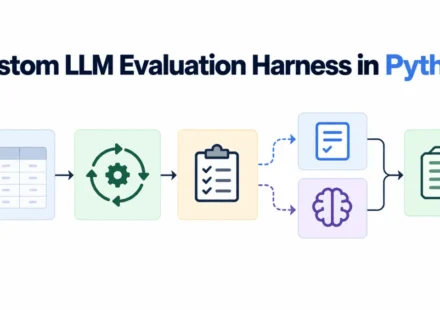
Building a Custom LLM Evaluation Harness in Python from Scratch

Building a Custom LLM Evaluation Harness in Python from Scratch represents a critical evolution in the field of artificial intelligence development, shifting the focus from generic model performance to domain-specific reliability. As large language…
The State of the Julia Programming Language A Comprehensive Review of June 2025 Developments and Ecosystem Advancements

The release of the June 2025 Julia internals update, curated by Stefan Krastanov and a collective of core contributors, marks a significant milestone in the language’s transition from a specialized tool for scientific computing to a generalized…
Announcing Google Summer of Code 2025 selected projects
The Julia Project has officially confirmed its participation in the 2025 cycle of Google Summer of Code (GSoC), marking another year of collaboration between the high-performance programming language ecosystem and Google’s global open-source mentorship…
Julia Ecosystem Advances with Post-JuliaCon 2025 Development Initiatives and Global Expansion Strategy

The Julia programming language community has entered a pivotal phase of ecosystem consolidation and technical refinement following the conclusion of JuliaCon 2025, the primary annual gathering for developers and researchers utilizing the high-performance…
Julia Programming Community Announces JuliaCon 2026 in Germany Amidst Strategic Push for Core Language Sustainability and Ecosystem Expansion

The Julia programming community has officially announced that JuliaCon 2026 will take place in Germany from August 10th to August 15th, 2026, marking a significant return to Europe for the language’s premier annual gathering. This announcement comes…
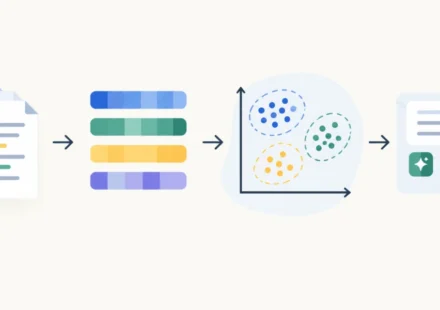
Building a Lightweight RAG Pipeline with Scikit-Learn and Open-Source LLMs

The rapid evolution of generative artificial intelligence has led to the widespread adoption of Retrieval-Augmented Generation (RAG), a technique that bridges the gap between static large language models (LLMs) and dynamic, private, or specialized…

R Markdown Development Reaches New Milestones with Enhanced Compatibility and Performance Updates Through 2026

The R Markdown ecosystem, a cornerstone of reproducible research and data science communication, has undergone a series of significant technical refinements and strategic shifts between early 2024 and late 2026. Through the release of versions 2.26 to…
Julia 1.12 Release and JuliaCon 2026 Announcement Mark Major Milestones for the High Performance Computing Community

The official launch of Julia 1.12 on October 1, 2025, represents a significant evolutionary step for the high-performance programming language, further solidifying its position in the scientific computing and data science landscapes. This release,…
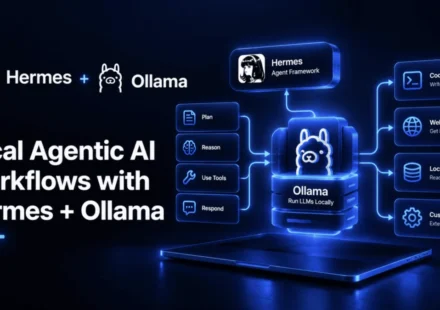
How to Build a Local Zero Cost Agentic AI Workflow with Hermes Agent and Ollama
The rapid evolution of generative artificial intelligence has moved beyond simple conversational interfaces toward "agentic" systems—AI entities capable of executing tasks, managing files, and navigating the web autonomously. While industry…
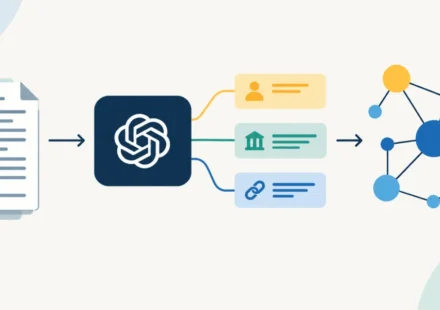
Automating Knowledge Graph Population: Extracting Entities and Triples from Unstructured Text with an LLM
The evolution of artificial intelligence has reached a critical juncture where the focus is shifting from the mere generation of text to the precision of data retrieval and the verification of facts. As large language models (LLMs) become integrated into…
