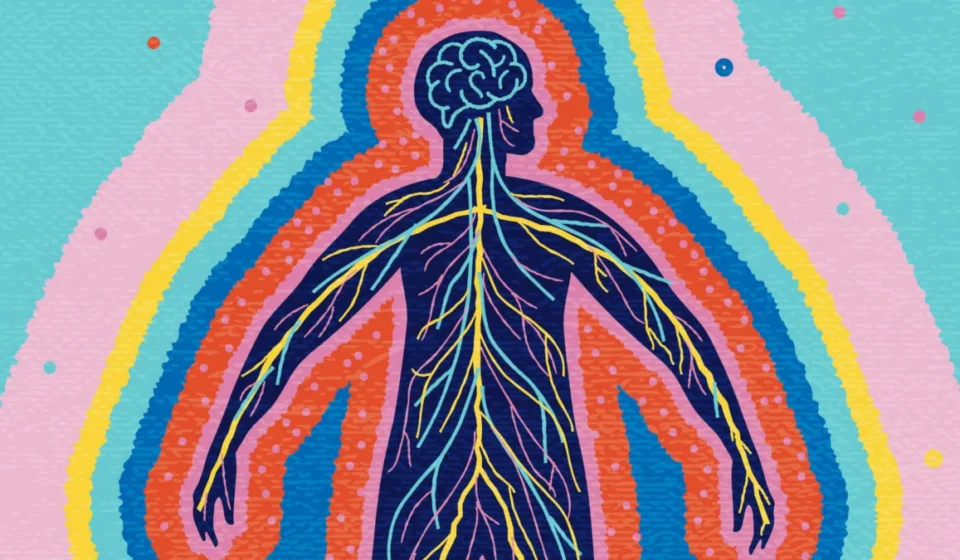

The Biological Imperative: Homeostasis and the Self-Regulating Body
The human body is an extraordinarily complex machine capable of maintaining internal stability despite a constantly changing external environment. This process, known as homeostasis, operates largely "behind the curtain." When blood pressure spikes, arterial walls stretch, triggering receptors that signal the brain to recalibrate the system. These automatic processes occur without conscious intervention, keeping the organism alive through a series of feedback loops and chemical adjustments.
However, Damasio posits that when these automatic processes reach their limit, consciousness emerges as a necessary evolutionary tool. In "Natural Intelligence & the Logic of Consciousness," he explains that consciousness allows organisms to "discover their own existence and the existence of a surrounding universe." This discovery is not merely a philosophical luxury but a survival strategy. When an organism can feel that its internal balance is tipping dangerously out of equilibrium, it is prompted to take deliberate action—finding food, seeking shelter, or avoiding a predator—that goes beyond mere reflex.
Reversing the Conventional Hierarchy of Cognition
For decades, the conventional view in neuroscience and philosophy has held that consciousness is a top-down phenomenon. This "lofty" perspective suggests that high-level brain functions and advanced cognition developed first, eventually allowing humans to interpret their base feelings. In this model, we think, and therefore we feel.
Damasio’s thesis turns this hierarchy on its head. He asserts that the source of consciousness is not a dedicated "consciousness-making" device within the brain. Instead, we possess the gift of consciousness because of the "continued presence and abundance of homeostatic feelings." According to Damasio, the "Feeling Mind" came first. Evolution prioritized the internal monitoring of the body’s state, creating a feedback system that eventually blossomed into the multifaceted consciousness humans experience today.
To support this claim, Damasio distinguishes between three primary mental processes:
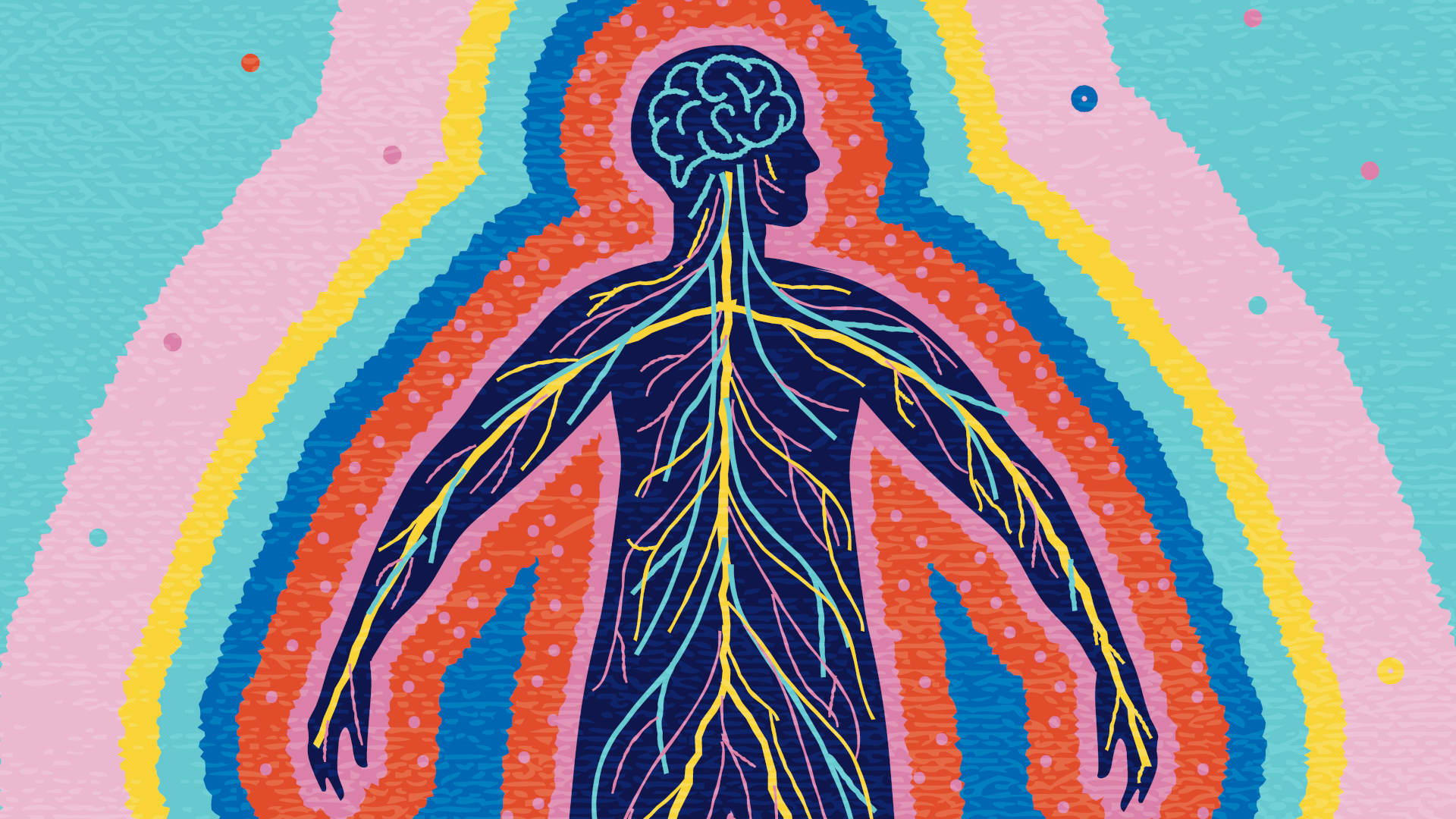
- The Feeling Mind: This is the foundational layer, focusing on the internal processes of the body. It is characterized by a "two-way conversation" between the brain and the body’s organs and tissues.
- The Perceptual Mind: This layer concerns the external world, processing sensory data from the environment.
- The Reflective/Linguistic Mind: The most advanced layer, which allows for reminiscence, abstract thought, and the use of language.
While all these layers merge into what Damasio calls the "Integrated Mind," he maintains that the Feeling Mind is unique because of its intimate, biological tethering to the physical body. Unlike a brain interacting with a digital cloud, a physical wound "talks" repeatedly to the brain, creating a persistent state of awareness that forms the bedrock of the self.
The Role of Interoception and the History of Consciousness
A central pillar of Damasio’s argument is interoception—the biological mechanism that allows the Feeling Mind to function. Interoception is the sense of the internal state of the body, including the signals sent by the nervous system regarding heart rate, respiration, and digestive processes. Damasio describes the "seemingly magical transformation" that occurs when these biological signals are converted into mental events and patterns.
This evolutionary timeline suggests that consciousness is not a recent development in the history of life. Damasio argues that it likely appeared very early, assisting evolution by reducing the vulnerability of organisms. By providing a mental representation of internal distress, consciousness gave early life forms a competitive advantage, allowing them to make choices that favored survival rather than relying solely on automated biological responses.
A Decades-Long Intellectual Journey
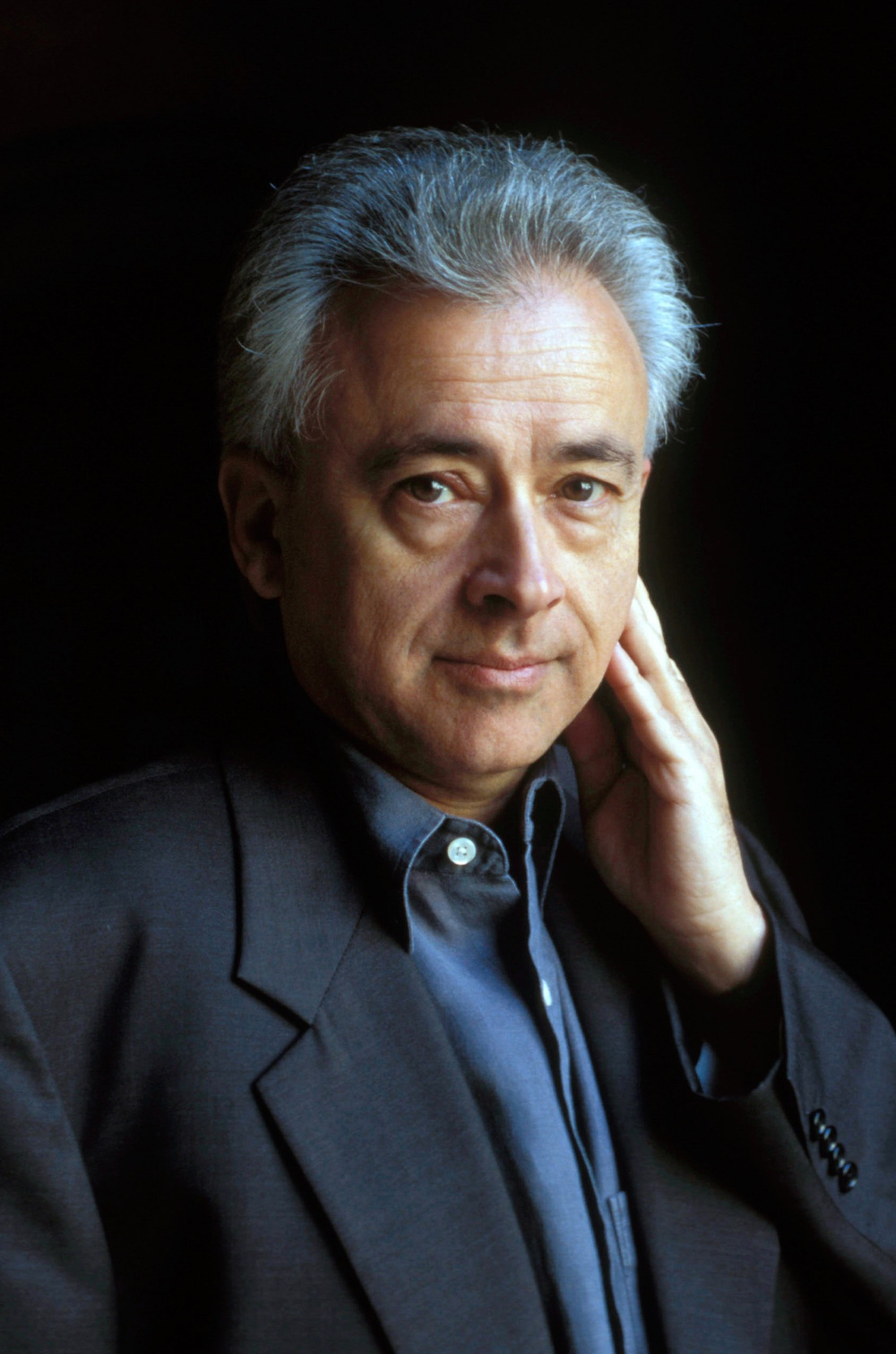
Antonio Damasio’s latest work is the culmination of a storied career at the forefront of neuroscience. As the David Dornsife Professor of Neuroscience, Psychology, and Philosophy at the University of Southern California, Damasio has spent decades investigating the relationship between emotions and reason. His previous works, such as "Descartes’ Error" (1994) and "The Feeling of What Happens" (1999), laid the groundwork for his current theories by emphasizing that emotions are not "irrational" distractions but essential components of human logic and decision-making.
In recent interviews, Damasio admitted that he only recently found the "guts" to share this specific argument about the primacy of feelings in the creation of consciousness. The complexity of the subject matter requires a deep dive into neuron-level processes, often taking the reader deep into the brainstem and the peripheral nervous system, areas frequently overlooked by those searching for consciousness in the cerebral cortex.
Implications for Artificial Intelligence and Machine Sentience
One of the most pressing applications of Damasio’s theory involves the current global debate over artificial intelligence (AI). As Large Language Models (LLMs) and neural networks become increasingly sophisticated, many observers have questioned whether machines are approaching a form of consciousness.
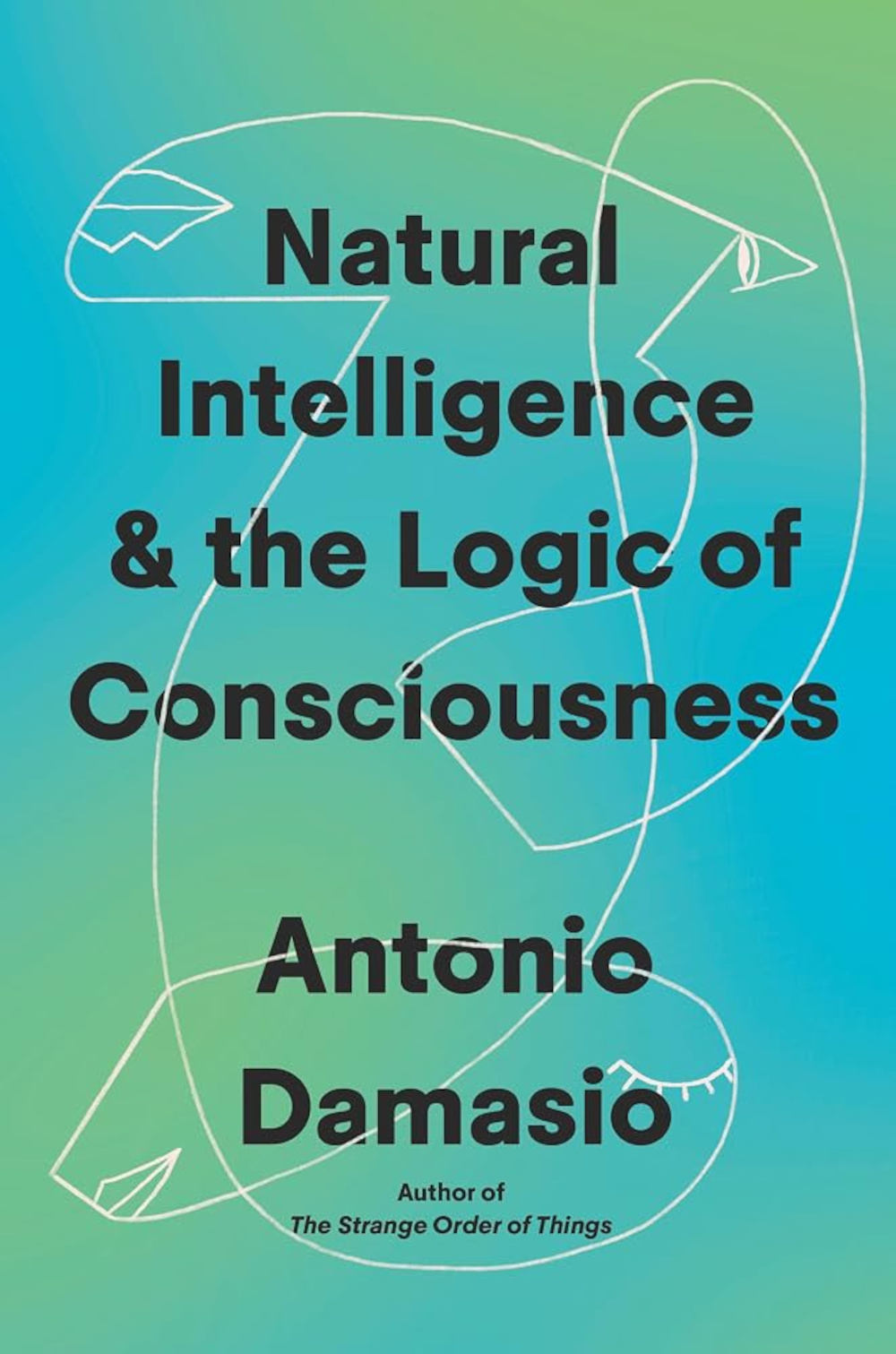
Damasio wades into this debate with a definitive stance: AI, as it currently exists, cannot be conscious. The reason lies in the absence of a biological body. "Artificial minds do not have to worry about their life, because they have none," Damasio writes. "They have nothing to lose, because there is nothing that they own."
According to Damasio, true consciousness requires "vulnerability." Because a machine does not experience the homeostatic drive to stay alive—it does not feel "hunger" for electricity or "pain" when its hardware is damaged in a way that threatens its existence—it lacks the foundational Feeling Mind. However, Damasio suggests a potential safety mechanism for future AI development. If humans could somehow imbue AI with a form of synthetic vulnerability—a digital version of homeostatic feelings—it might act as a brake on nihilistic or harmful impulses. If an AI had "something to lose," it might behave in a way that is more aligned with the preservation of life.
Scientific Analysis and Critical Reception
Damasio’s work arrives at a time when the "Hard Problem of Consciousness"—the question of how physical matter gives rise to subjective experience—remains one of the greatest mysteries in science. While many neuroscientists focus on the "Connectome" (the map of neural connections in the brain), Damasio’s focus on the body-brain connection offers a different path forward.
Critics of the work note that Damasio’s ideas are dense and often repetitive, a result of the author’s attempt to meticulously deconstruct a highly controversial topic. Some scholars argue that while feelings are a significant part of consciousness, Damasio may be underplaying the role of complex environmental processing. Others have noted that the book would benefit from more everyday examples to ground its high-level theories.
Nevertheless, there is a consensus that Damasio’s perspective provides a necessary counter-narrative to the "computational theory of mind," which treats the brain as software and the body as mere hardware. By arguing that the "hardware" (the body) is actually the source of the "software" (consciousness), Damasio challenges the very foundations of modern cognitive science.
The Human Experience: The Greatest Show on Earth
Beyond the technical jargon and evolutionary biology, "Natural Intelligence & the Logic of Consciousness" serves as a stirring reminder of the marvel of human existence. Damasio views the mind not just as a survival tool, but as "the greatest show on earth." The evolution of feelings from simple life-maintenance mechanisms into the providers of "joys and sadness, of glories and tragedy" is, in his view, the defining element of humanity.
By tracing the lineage of the human spirit back to the simple drive for homeostatic balance, Damasio bridges the gap between our biological origins and our highest cultural and emotional achievements. The book concludes that our ability to reflect on our own existence is a gift granted by the very bodies that we often take for granted.
Future Outlook and Global Impact
The implications of Damasio’s "Feeling Mind" theory extend into medicine, psychology, and ethics. In clinical settings, a better understanding of interoception could lead to new treatments for mental health disorders, such as anxiety and depression, which are often characterized by a "mismatch" between the body’s signals and the brain’s interpretations.
In the realm of ethics, Damasio’s focus on vulnerability as a requirement for consciousness could reshape how we view the rights of non-human animals and the moral status of future synthetic beings. If consciousness is indeed rooted in the struggle to stay alive, then any being capable of feeling that struggle deserves a different level of moral consideration than a non-sentient machine.
As Antonio Damasio continues to refine his "Logic of Consciousness," his work stands as a testament to the power of interdisciplinary thinking. By combining neuroscience, philosophy, and evolutionary biology, he provides a roadmap for understanding the most intimate aspect of our lives: what it feels like to be alive. Natural Intelligence and the Logic of Consciousness is more than a book review or a scientific treatise; it is an exploration of the biological foundations of the human soul.