Revolutionizing Digital Literacy: A University’s Proactive Approach to Navigating the Information Age

A groundbreaking initiative is underway at a major university to combat widespread digital literacy gaps among students, a challenge increasingly critical in an era dominated by misinformation and artificial intelligence. Stemming from a comprehensive citation analysis conducted in 2023, the institution is rolling out an innovative, multi-session digital literacy module designed to equip students with the essential skills for critical online engagement, ethical information consumption, and responsible digital citizenship. This proactive educational intervention seeks to move beyond traditional, single-session information literacy efforts, acknowledging the profound and pervasive impact of digital environments on both academic success and daily life.
The Alarming Reality: Identifying Critical Gaps
The catalyst for this new curriculum was a revealing citation analysis conducted in 2023. This in-depth study scrutinized nearly 250 research papers submitted by students enrolled in introductory English courses at the university. The findings painted a stark picture: despite having participated in foundational information literacy classes and enjoying 24/7 access to extensive library services, a significant number of students consistently relied on unreliable sources for their academic work. The analysis, detailed by Nunnelly-Stewart et al. (107–08), uncovered a prevalence of citations from personal blogs, retail sales websites, various social media platforms, direct advertisements, and tabloids. This pattern underscored a critical deficiency in students’ ability to discern credible information from questionable content, highlighting a disconnect between available resources and actual research practices.
The implications of these findings extend far beyond academic integrity. If students are employing such dubious sources for their university assignments, it is highly probable they are applying similar uncritical approaches when making decisions in their personal lives, from health choices to civic engagement. The pervasive nature of digital information, often engineered to influence or misinform, necessitates a robust framework for critical evaluation—a skill evidently lacking for many.
A Broader Context: The Global Digital Literacy Imperative
The challenges identified by the university’s citation analysis are not isolated incidents but reflect a broader, global crisis in digital literacy. In an age where information is instantaneously accessible and often overwhelming, the ability to navigate digital spaces effectively has become a fundamental life skill. Studies from organizations like the Pew Research Center consistently show that large segments of the population, including younger demographics, struggle with identifying fake news, understanding algorithmic biases, and verifying online claims. The rapid evolution of artificial intelligence (AI) tools, particularly generative AI, has further complicated this landscape, introducing new dimensions of content creation and manipulation that demand sophisticated critical thinking.
The rise of social media as a primary news source for many young people, coupled with echo chambers and filter bubbles, has exacerbated the problem, making it harder for individuals to encounter diverse perspectives or even distinguish factual reporting from opinion or propaganda. The proliferation of online harassment, misinformation campaigns, and predatory digital behaviors underscores the urgent need for educational institutions to equip students not just with research skills, but with a comprehensive understanding of digital ethics and personal online safety. UNESCO, for instance, has repeatedly emphasized the importance of media and information literacy (MIL) as a cornerstone for democratic participation and sustainable development in the digital age.
A Strategic Response: The MLA Guide as a Foundational Framework
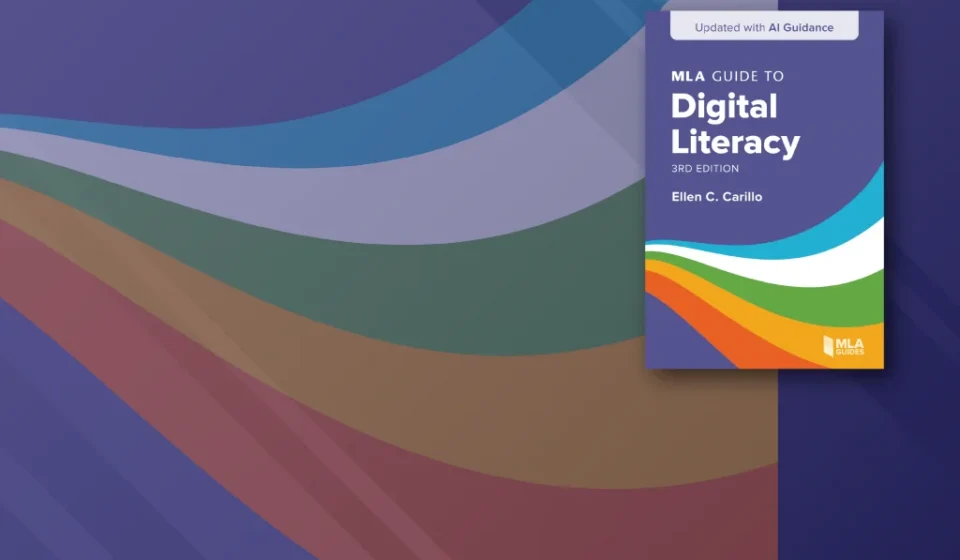
Recognizing the inadequacy of conventional "one-shot" library instruction sessions, the university sought a more sustained and integrated approach to digital literacy education. The goal was to develop a comprehensive curriculum that would be both impactful and accessible. A crucial element in this development was the selection of the MLA Guide to Digital Literacy, authored by Ellen C. Carillo (3rd ed., Modern Language Association of America, 2026). This guide stood out for its conversational tone, eschewing the jargon often found in academic texts, making it highly approachable for both instructors and students.
The Modern Language Association (MLA) is a globally recognized professional organization for scholars of language and literature, renowned for establishing widely accepted guidelines for academic writing and research, particularly the MLA Handbook. Its foray into digital literacy guidance underscores the critical importance of these skills within the academic community. The university’s existing electronic subscription to the MLA Guide to Digital Literacy ensured that the text would be available to all students at no additional cost, eliminating financial barriers and aligning with the institution’s commitment to affordable learning. This framework provided a structured, multi-session approach, moving beyond superficial topic introductions to foster deeper engagement with core digital literacy concepts.
Curriculum Design: Engaging Students Through Popular Culture
Following a meticulous approval process through university channels, the proposal for a specialized digital literacy module was greenlit. This fall, the module will be integrated into a semester-long honors course, convening for two seventy-five-minute sessions each week over a five-week period. To maximize student engagement and make the complex topic of digital literacy relatable, the curriculum employs an innovative and culturally relevant research theme: reality television.
Reality television, a ubiquitous element of contemporary popular culture, offers a rich and accessible subject for student inquiry. Its diverse formats—ranging from competition and dating shows to docuseries, lifestyle programs, and social experiments—ensure that every student can find a show that genuinely interests them. This familiar topic significantly reduces the cognitive load associated with researching highly specialized academic fields, allowing students to concentrate their efforts on developing robust digital literacy skills. Furthermore, students who are already active consumers and fans of reality television often possess pre-existing habits of online investigation, having previously used the internet to delve into storylines, cast biographies, rumors, interviews, commentary, and fan reactions. The module strategically leverages these natural inclinations, transforming casual online exploration into structured, skill-building practices.
The relevance of these skills extends across all academic disciplines. In first-year writing, students learn to construct argumentative essays, a process that demands the identification and evaluation of credible sources. In history, distinguishing between primary and secondary sources is paramount. In health sciences, students must critically assess popular medical claims, discerning those vetted by professionals from those distorted for other agendas. Across every field, the ability to critically evaluate information, recognize inherent biases, and select appropriate sources is indispensable for academic success. By honing these skills within a captivating context, the module aims to cultivate habits of critical thinking that will serve students throughout their university careers and beyond.
Core Objectives: Cultivating Critical Thinkers and Responsible Citizens
The course objectives were meticulously crafted to directly address the digital literacy deficiencies identified in the initial citation analysis and to prepare students for the evolving digital landscape. A primary focus is on enhancing evaluation and research skills, with dedicated sessions exploring the identification of primary sources (Chapter 6 of the guide) and the critical assessment of source credibility (Chapter 8).
Crucially, the curriculum places significant emphasis on understanding the mechanisms that shape our online information consumption. With the proliferation of artificial intelligence, students will delve into how algorithms, filters, bots, and visual manipulation operate (Chapter 2). The third edition of the MLA guide also includes a new chapter on understanding generative AI tools (Chapter 3), providing students with essential AI fluency and critical thinking skills to navigate this rapidly advancing technology. The aim is to empower students to recognize how these tools can subtly influence opinions and beliefs, sometimes against their best interests.
Beyond technical proficiency, the module prioritizes the development of ethical online behavior and digital well-being. Recognizing that digital spaces can be toxic, hostile, and even predatory, the course is designed to equip students with strategies to protect their identity and foster thoughtful participation. Echoing Carillo’s perspective, the guide frames digital literacy as a fundamental responsibility of citizenship in a democratic society, emphasizing informed and thoughtful participation (2). This perspective elevates digital literacy to a basic human right, enabling individuals to make critical decisions across all facets of their lives.
A cornerstone of the curriculum is the recognition and mitigation of bias. The guide consistently highlights how information generated by algorithms, AI, and websites can inadvertently perpetuate stereotypes and reinforce existing biases. Through course activities, students will practice identifying online artifacts that push specific agendas, honing their ability to spot harmful messages and intentions. The ultimate goal is to instill a profound sense of responsibility, encouraging students to actively avoid contributing to the spread of bias or misinformation, whether through reposting, repeating, or incorporating it into their academic work. These lessons of digital responsibility are woven throughout the entire course, ensuring they remain central to the learning experience.
Instructional Methodology: Learning Through Experience
The module’s instructional methodology is firmly rooted in David Kolb’s Experiential Learning Theory (Kolb, 2015), a pedagogical approach emphasizing learning through direct experience. This framework structures each class session into a cycle of introduction, application, and reflection, actively engaging students with core concepts and fostering collaborative discovery. The MLA Guide to Digital Literacy further supports this approach by providing an appendix of sample lesson plans, complete with specified learning outcomes and a variety of class activities.
A typical session begins with a brief lecture introducing one or two chapters from the guide. While mandatory reading is not assigned, students are shown how to access the online version, encouraging them to follow along. The lecture incorporates live demonstrations to familiarize students with key vocabulary and practical examples. Following the lecture, students break into small groups for a hands-on activity, applying the concepts just introduced. This practical application is then followed by a full-class discussion, where groups reflect on their findings and share insights, collectively building awareness and understanding. This cyclical format, consistently applied throughout the five weeks, ensures active learning and deep retention of concepts.
Beyond the Module: Expanding Reach and Impact
While the comprehensive five-week module offers an ideal immersion into digital literacy, the program acknowledges that not all institutions or instructors can allocate such extensive time. Therefore, the university is also exploring and advocating for alternative, scalable instructional methodologies:
- Afternoon Workshops: Intensive, multi-hour workshops can be scheduled, potentially offering certificates of completion to incentivize student participation. These workshops would condense relevant chapters (e.g., primary sources, lateral reading, source credibility) into focused, hands-on sessions where students follow demonstrations on computers, fostering continuous reflection.
- Online Modules and Microcredentials: Leveraging tools like Springshare’s LibWizard, interactive, self-paced online modules can be developed. These modules, complete with quizzes and certificates, could be offered for digital badges or other microcredentials, providing flexible learning opportunities.
- Cross-Departmental Faculty Collaboration: Recognizing that digital literacy challenges transcend specific disciplines, the university is actively fostering partnerships with faculty across other departments. This fall, a dedicated workshop for faculty members will cover basic digital literacy concepts and provide strategies for integrating these skills into their existing course designs. Librarians and digital literacy specialists will also offer ongoing consultation, tailoring instruction to specific course assignments to ensure maximum relevance and impact.
Assessment and Future Vision
Assessment within the module is designed to prioritize engagement and practical application over rote memorization. Learning outcomes are measured through initial class polls, an end-of-course survey, and an open-book quiz. The quiz serves not only as a retention check but also as a practical exercise in using the MLA Guide to Digital Literacy as a continuous reference tool, a skill students can apply throughout their academic careers. For instructors seeking additional assessment, group activities can be converted into individual assignments, and reflections can be structured for subsequent class meetings or through online discussion forums. The potential for Reddit-like group discussion posts, where students analyze online artifacts related to reality TV and apply course-learned verification skills, offers an innovative avenue for peer learning and critical engagement.
This new digital literacy module represents an evolving and adaptive effort to proactively prepare students for the complexities of modern digital life. As students complete the course, the overarching goal is for them to navigate online environments productively, utilize digital tools thoughtfully, and possess a keen awareness of the pervasive misinformation in digital spaces. More importantly, they are expected to actively avoid contributing to online toxicity and to leave the course with strengthened habits of attention, evaluation, and critical reflection that will endure throughout their academic journeys and beyond. The MLA Guide to Digital Literacy provides a robust and accessible framework for this ambitious undertaking, promising to cultivate a generation of digitally literate, responsible, and critically engaged citizens.
Works Cited
Carillo, Ellen C. MLA Guide to Digital Literacy. 3rd ed., Modern Language Association of America, 2026.
Kolb, David A. Experiential Learning: Experience as the Source of Learning and Development. 2nd ed., Pearson Education, 2015.
Nunnelly-Stewart, Amanda, et al. “Citation Analysis Reveals Better Grades for First-Year English Students Using Library Resources: A Case Study.” Practical Academic Librarianship: The International Journal of the SLA, vol. 16, no. 1, May 2026, pp. 97–112.