The Blurred Lines of Biology: The Rise of Human-Animal Chimeras and the Quest for Transplantable Organs

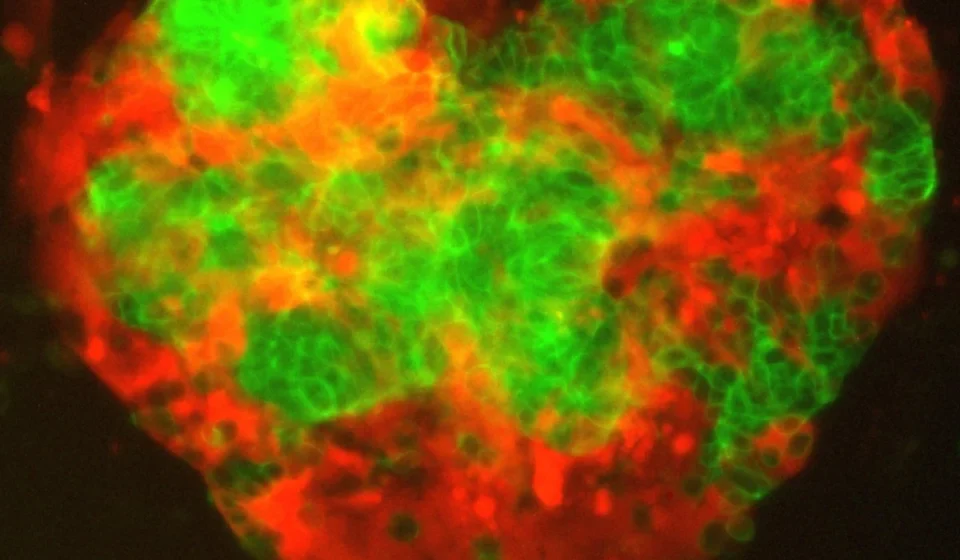
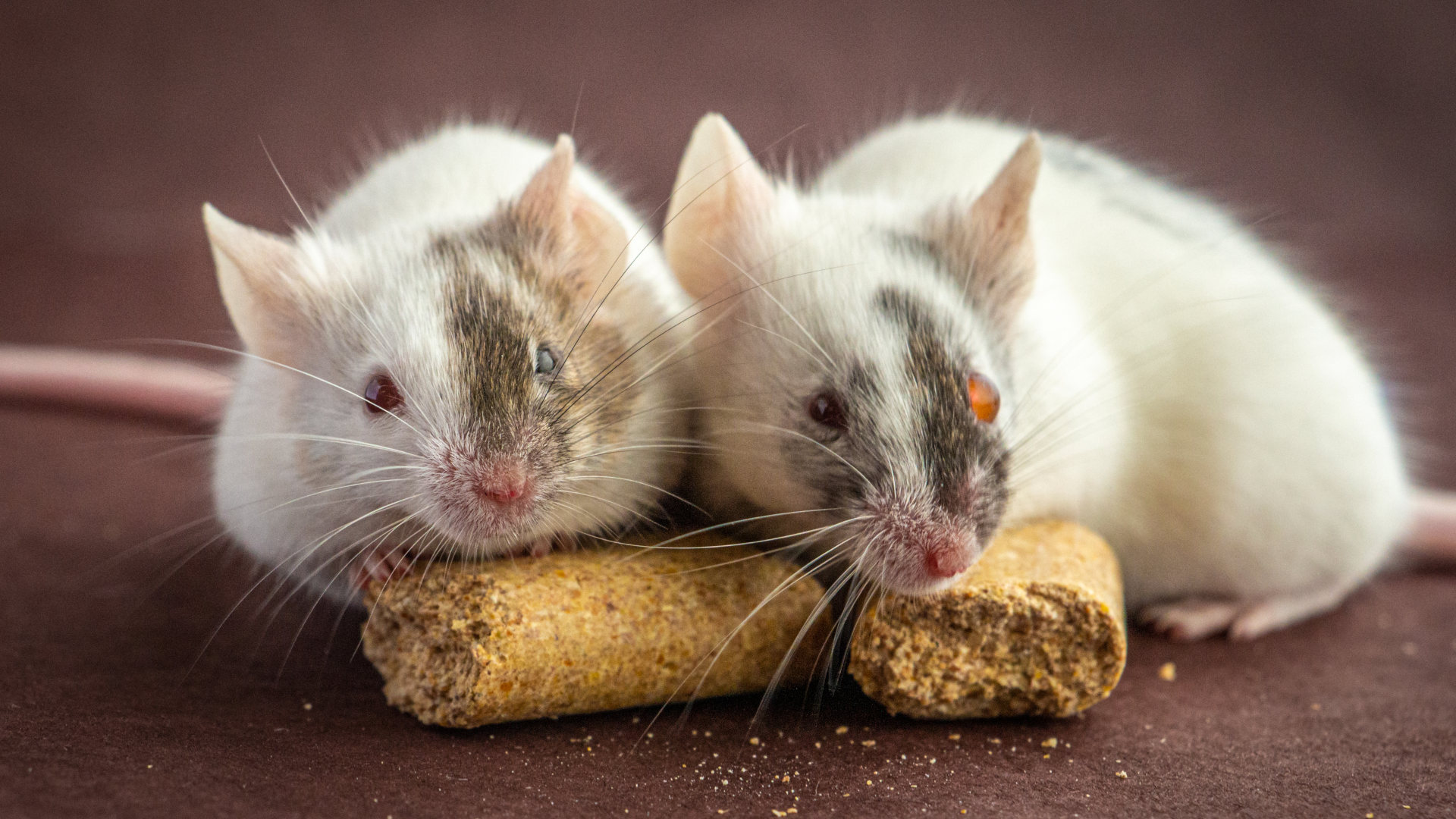
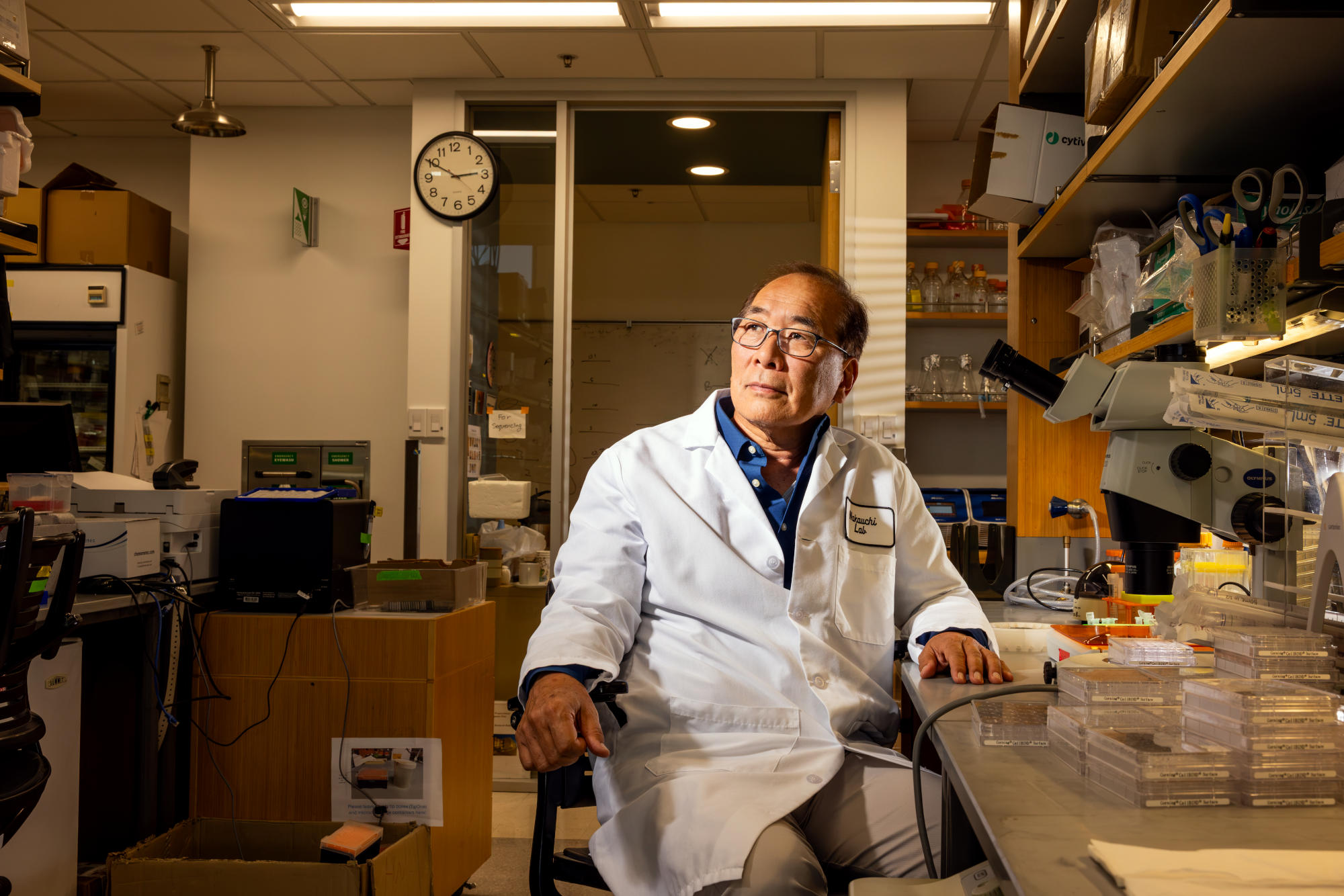
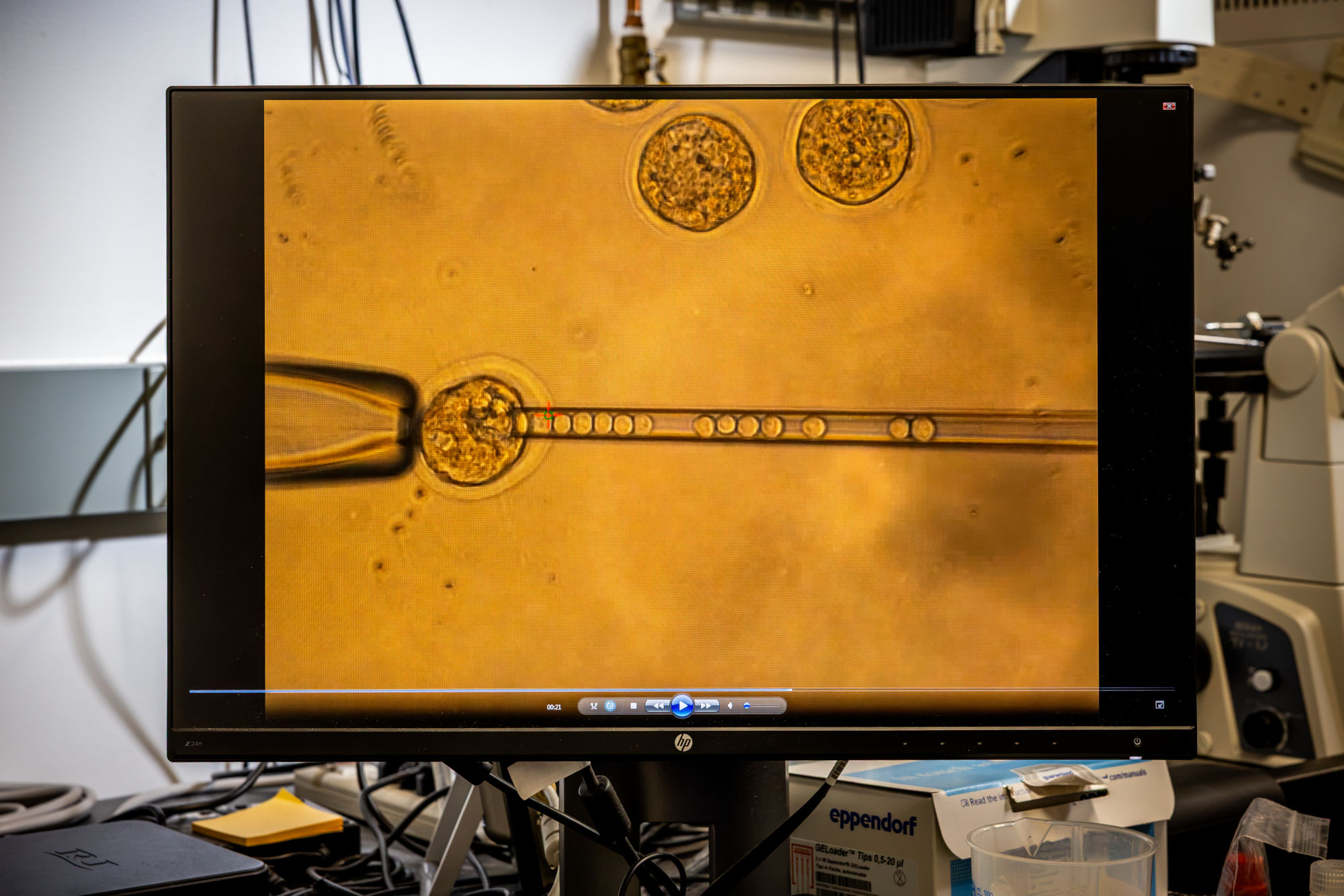
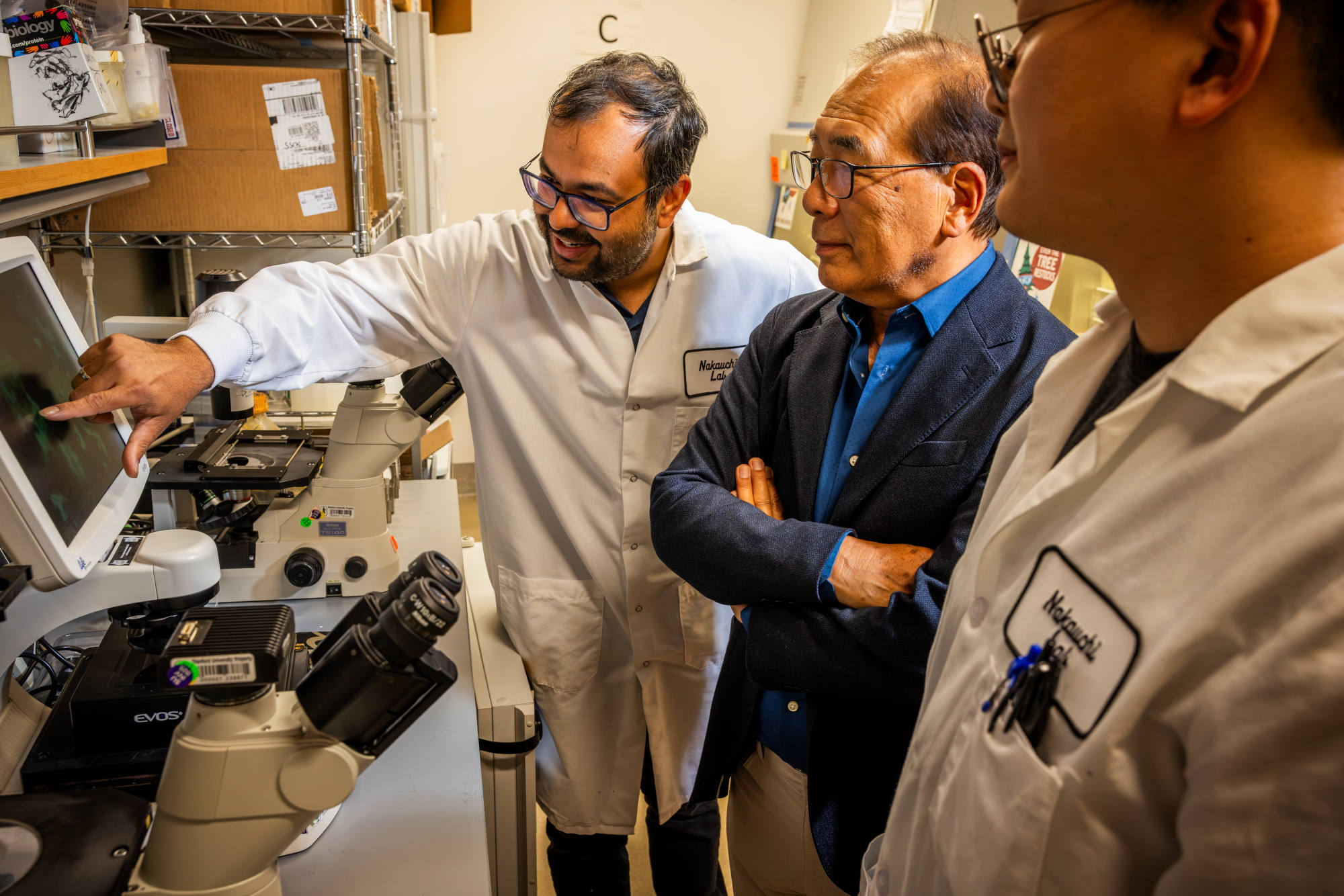
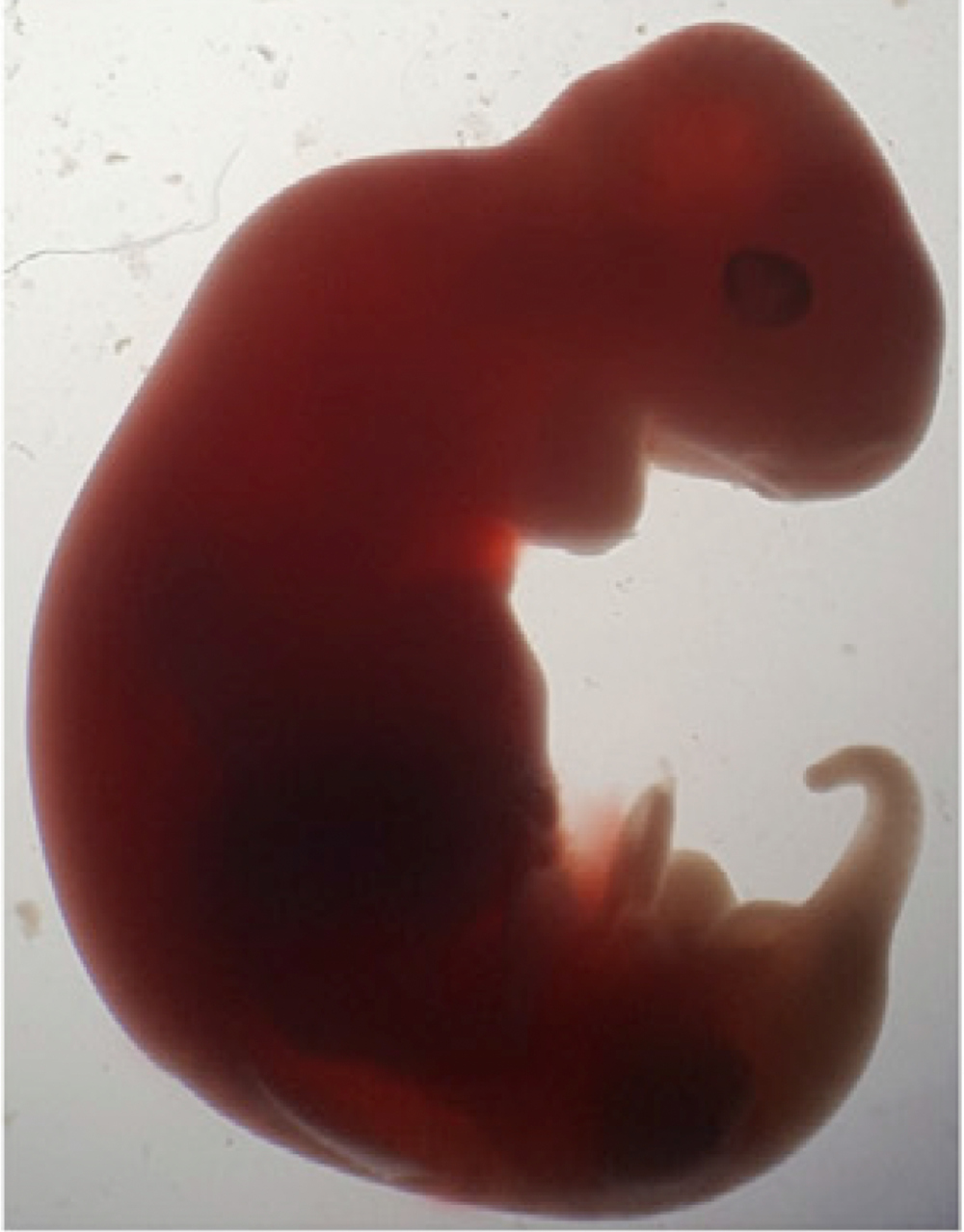
In a laboratory setting that bridges the gap between science fiction and clinical reality, a team of researchers led by Hiromitsu Nakauchi has achieved a milestone that could redefine the future of regenerative medicine. Nakauchi, a physician-scientist with dual appointments at the Institute of Science Tokyo and Stanford University, recently oversaw the production of litters of mice that were born with human cells integrated into their biological systems. This experiment, currently under review by the prestigious journal Nature Biomedical Engineering, represents the first documented instance of human-animal chimeras reaching live birth after a full-term pregnancy. The human cells were not merely present; they were functional, integrating into the blood vessels and heart muscles of the rodents, demonstrating a remarkable capacity for cross-species biological cooperation despite millions of years of evolutionary divergence.
The achievement is the culmination of decades of research into "chimeric" organisms—creatures composed of cells from two or more distinct species. While the term invokes the fire-breathing monsters of Greek mythology, the modern scientific pursuit is far more pragmatic: solving the global crisis of organ shortages. In the United States alone, approximately 100,000 individuals are currently on the national organ transplant waiting list. According to data from Donate Life America, an average of 17 people die every day while waiting for a transplant, totaling roughly 5,600 preventable deaths annually. Nakauchi’s work suggests a future where human organs—pancreases, kidneys, or hearts—could be grown inside host animals like pigs or sheep, tailored to the specific genetic profile of a patient to eliminate the risk of organ rejection.
A Chronology of Chimeric Innovation
The path to live-born human-mouse chimeras began in the early 1990s. At Harvard Medical School, geneticist Frederick Alt developed a method known as "blastocyst complementation." Alt’s team worked with mouse embryos (blastocysts) that were genetically engineered to lack the Rag2 gene, which is essential for developing a functional immune system. By injecting these "vacant" embryos with pluripotent stem cells from healthy mice, the researchers found that the donor cells filled the developmental void, creating a mouse with a donor-derived immune system.

Inspired by Alt’s foundational work, Nakauchi sought to apply this principle across species boundaries. In 2010, while at the University of Tokyo, Nakauchi’s team successfully grew a rat pancreas inside the body of a mouse. This was a watershed moment, proving that an entire organ from one species could develop within another. Nakauchi later successfully grew a pig pancreas within another pig, demonstrating the scalability of the method to larger animals more anatomically similar to humans.
However, the transition to human-animal chimeras faced significant regulatory and ethical hurdles. In 2014, Nakauchi moved his primary operations to Stanford University, seeking a more flexible regulatory environment than Japan provided at the time. Yet, in 2015, the U.S. National Institutes of Health (NIH) issued a moratorium on funding for research involving the introduction of human pluripotent stem cells into animal embryos. This forced American scientists to rely on private and state funding, creating a fragmented research landscape. Japan eventually reversed its restrictive "14-day rule" in 2019, allowing chimeric embryos to be carried to term, which prompted Nakauchi to maintain labs in both nations to maximize his research potential.
The Science of Xenobarriers and Genetic Niches
The primary challenge in creating chimeras is overcoming "xenobarriers"—biological mechanisms that prevent the cells of different species from integrating. When human cells are introduced into an animal embryo, they often face a hostile environment. Cells from different species possess different adhesion molecules, which act like biological "glue." If the glue doesn’t match, the cells cannot organize into coherent tissues.
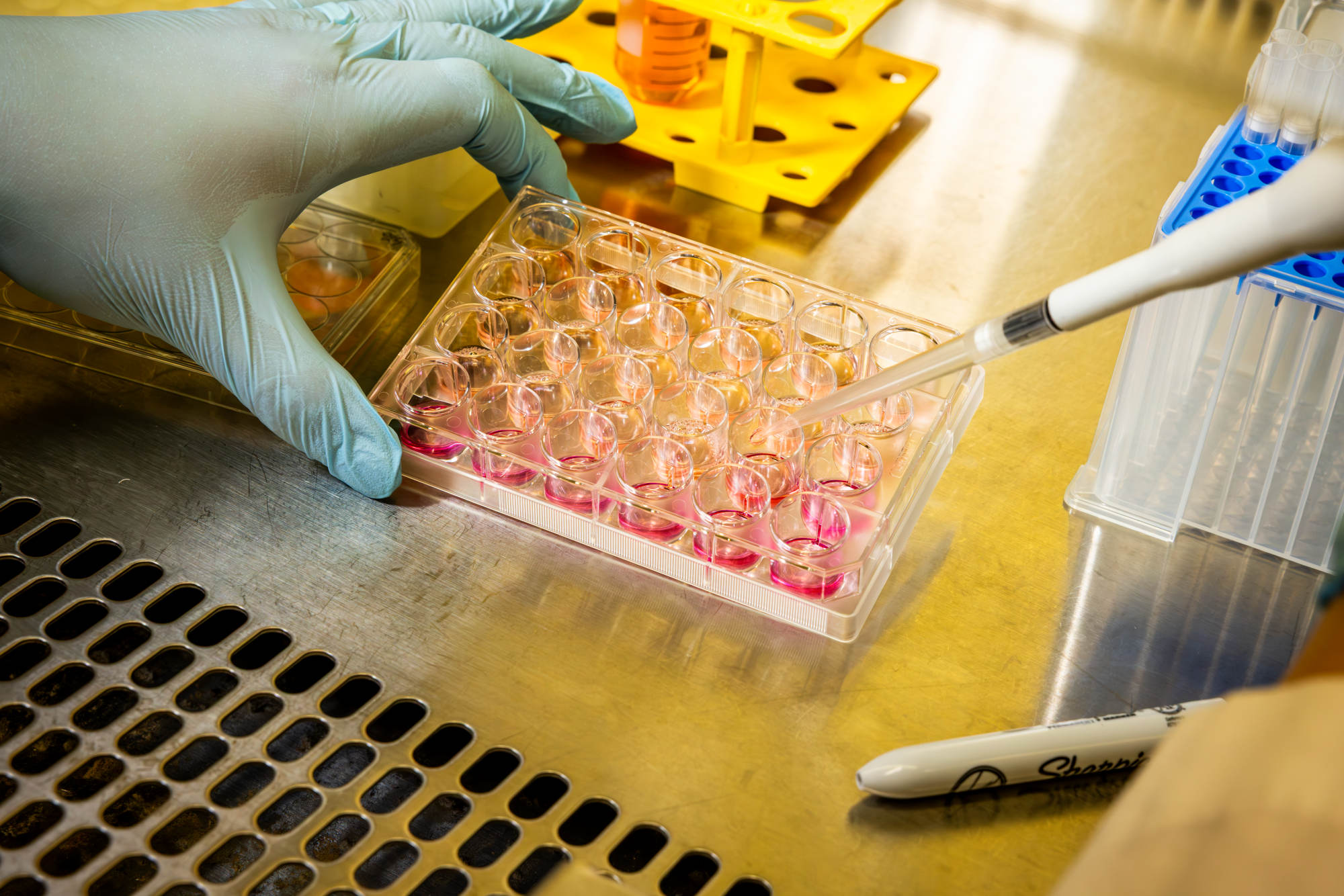
Furthermore, animal cells often trigger a process called apoptosis, or programmed cell death, in the foreign human cells. To counter this, Nakauchi and other leaders in the field, such as Jun Wu of UT Southwestern Medical Center, have turned to advanced gene editing. In the recent mouse experiments, the human stem cells were engineered to express the anti-apoptotic gene BCL2 and the MYCL gene to regulate cell growth. This "competitive advantage" allowed the human cells to survive and proliferate within the mouse host.
Another critical factor is developmental timing. A mouse pregnancy lasts roughly 20 days, while a human pregnancy lasts nine months. For a chimera to succeed, the human cells must "speed up" to match the host’s clock. Studies by Jian Feng at the State University of New York at Buffalo have shown that human cells can indeed adapt to the faster trajectory of a rodent host, though this synchronicity varies depending on the organ being developed.
Ethical Concerns and the "Island of Doctor Moreau" Specter
The prospect of human-animal hybrids has sparked intense debate among bioethicists, religious groups, and lawmakers. Critics such as Stuart Newman, a developmental biologist at New York Medical College, argue that the technology treats human life as a commodity. Newman famously attempted to patent chimeric methods decades ago solely to prevent their use, fearing a future where humans and animals are blurred into "industrial quality control protocols."
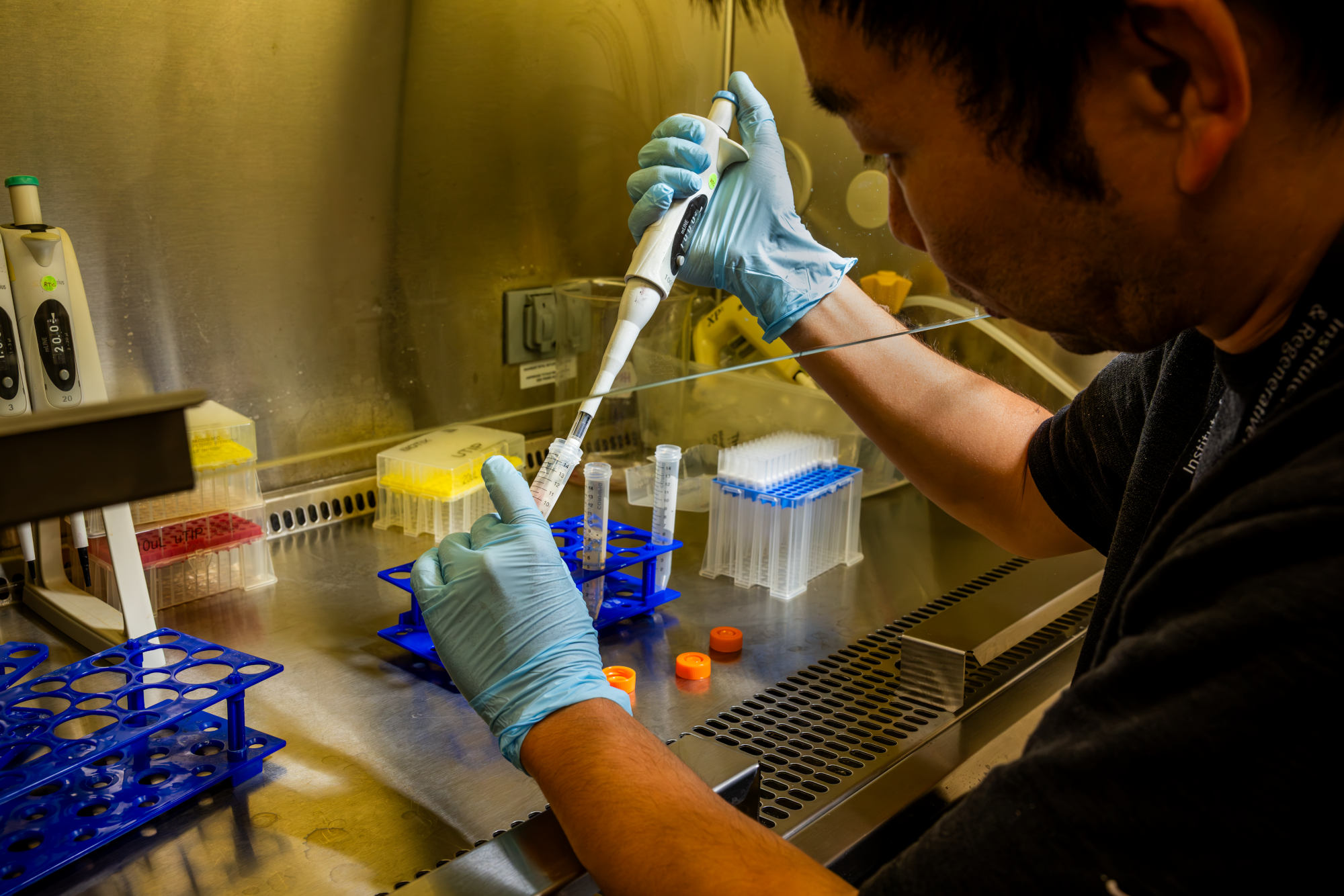
A primary concern is the potential for human cells to migrate to the animal’s brain or reproductive organs. The fear is that a chimeric animal might develop a degree of human-like consciousness or, in a more extreme scenario, produce human sperm or eggs. David Prentice of the Science Alliance for Life and Technology invokes H.G. Wells’ The Island of Doctor Moreau, suggesting that these experiments risk making "animals more like humans" in ways that infringe upon the dignity of both.
In response, scientists are developing "self-destruct" genetic circuits. These engineered human cells are programmed to undergo apoptosis if they begin to differentiate into neural or germline tissues. Nakauchi also maintains a strict monitoring protocol; if the proportion of human cells in a chimeric brain exceeds 30 percent, the experiment is terminated. He notes, however, that there is currently no evidence that the presence of human cells—even neurons—bestows human-like consciousness or behavior upon a rodent.
Political and Religious Opposition
The political landscape reflects these ethical anxieties. In the United States, multiple legislative efforts have sought to ban chimeric research. In 2025, New Jersey Representative Chris Smith introduced a bill specifically targeting the creation of chimeras with human-derived brains or facial features. Organizations like the United States Conference of Catholic Bishops have voiced strong opposition, stating that such research disregards the moral principle that beings should belong clearly to one species or another.
Despite these objections, some bioethicists argue that the moral weight of saving thousands of lives through organ transplantation outweighs the "yuck factor" associated with chimerism. Hank Greely, a professor at Stanford Law School, suggests that public anxiety will likely fade as the therapeutic benefits become tangible. He compares the current controversy to the early days of in-vitro fertilization (IVF) and organ transplantation, both of which were initially met with public "freak-outs" before becoming routine medical procedures.
Public Perception and Future Implications
Interestingly, recent psychological research suggests the general public may be more pragmatic than lawmakers. A 2024 study co-authored by Josh Rottman of Franklin and Marshall College found that most participants did not find human-animal chimeras "morally confusing." Instead, respondents tended to view the animals’ moral status as unchanged, focusing instead on the potential for life-saving medical breakthroughs.
The road ahead for Nakauchi and his peers remains long. While the birth of human-mouse chimeras is a scientific triumph, mice are too small to grow human-sized organs. The next phase of research involves larger animals, specifically pigs and sheep. In China, Liangxue Lai’s team at the Guangzhou Institutes of Biomedicine and Health claimed in 2023 to have grown chimeric pig kidneys containing up to 60 percent human cells. While some in the field, including Nakauchi, have expressed skepticism regarding the 60 percent figure, the report underscores the global race to master this technology.
As the physiological barriers—the xenobarriers—are slowly dismantled through CRISPR and stem cell engineering, the conversation is shifting from "can we do this?" to "how should we regulate this?" The successful live birth of partly human mice serves as a definitive signal that the era of interspecies biology has arrived. For the 100,000 people currently waiting for a phone call that a donor organ has been found, the progress in Nakauchi’s lab represents more than just a scientific milestone; it represents a tangible hope for a second chance at life.