National Science Week Day 6 Highlights: Exploring the Frontiers of Neuroscience, AI Ethics, and Cosmic Origins Across Australia

Australia’s premier celebration of science and technology continues its nationwide momentum as National Science Week enters its sixth day on Thursday, August 20. With thousands of events staged across every state and territory, the initiative remains a cornerstone of the Australian scientific calendar, designed to engage the public with the researchers and innovations shaping the modern world. Established in 1997, National Science Week has grown to attract more than one million participants annually, bridging the gap between complex academic inquiry and community understanding. Today’s schedule features a diverse array of programming, ranging from the neurological underpinnings of human attention in Melbourne to the ethical ramifications of artificial intelligence in Adelaide and the intersection of poetry and astronomy in the Northern Territory.
The Cognitive Frontier: Addressing the Attention Crisis in Victoria
In an era defined by the "attention economy," Professor Katherine Johnson from the University of Melbourne is set to deliver a critical examination of human focus at the Bargoonga Nganjin North Fitzroy Library. As digital saturation reaches unprecedented levels, developmental neuroscience provides a framework for understanding why attention has become a precious and increasingly depleted resource.
Professor Johnson’s research highlights how the human brain’s executive functions are taxed by the constant influx of notifications and information streams. The presentation aims to dissect how focus develops from childhood through adulthood and the physiological costs of frequent task-switching. This session reflects a broader scientific concern regarding the long-term impact of digital environments on cognitive health. Public interest in this field has surged as recent data suggests that the average person checks their smartphone dozens of times a day, leading to what some psychologists term "continuous partial attention."

Ethics and Automation: The Future of Creative Labor in South Australia
As the Australian government, under Prime Minister Anthony Albanese, moves toward establishing a dedicated National AI Office, the ethical implications of generative technology have moved to the forefront of public discourse. In Adelaide and Mawson Lakes, researchers Dr. Rebecca Marrone and Dr. Maria Vieira are leading a series of workshops titled "Future Minds: Creativity and Ethics in the Age of AI."
The program addresses a pivotal question for the next generation: will there be creative jobs for today’s students? Dr. Marrone, a specialist in educational psychology and human-artificial cognition at the University of Adelaide’s Centre for Change and Complexity in Learning (C3L), argues that the integration of AI requires a fundamental shift in how we define "creativity." Dr. Vieira’s research complements this by examining human-AI collaboration and the potential for technology to either bridge or widen gender gaps in STEM fields.

This dialogue is particularly timely as Australia seeks to navigate the "Responsible AI" framework, balancing the economic benefits of automation with the need to protect intellectual property and human agency. The workshops for students in years 9-12 are designed to foster "AI literacy," ensuring that the workforce of the future is equipped to manage these tools ethically.
Geospatial Science: Privacy and the Power of Mapping
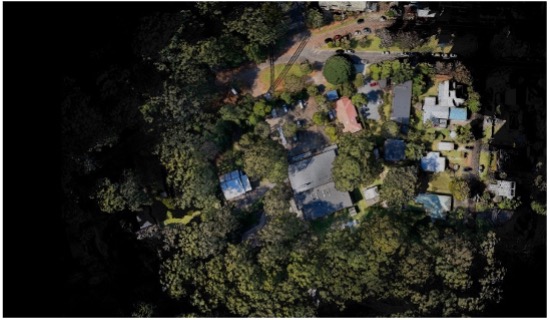
In Melbourne, a symposium hosted by Geography Victoria and the Royal Society of Victoria is tackling the dual nature of geospatial technology. While satellites and drones are indispensable for disaster response, emergency services, and traffic management, they also facilitate a level of surveillance previously unimaginable.

The event, "Who owns the map of where you have been?", features a panel of experts including Alena Moison, Director of Vicmap, and Kirk Mitchell, Director of Geo Partnerships at Google. The discussion centers on the "promise and peril" of location data. As digital twins—virtual replicas of physical environments—become more common in urban planning, questions regarding data sovereignty and the "right to be forgotten" in a mapped world are becoming urgent. Associate Professor Jathan Sadowski from Monash University’s Emerging Technologies Research Lab provides a critical lens on how these technologies can reinforce systems of control if left unregulated.
Technological Innovation in Mining and Heritage: Queensland’s Digital Twins
While some researchers focus on the ethics of data, others in Milton, Queensland, are demonstrating its practical applications in extreme environments. Engineers from Emesent are showcasing "Hovermap" and "GX1" scanners, which utilize SLAM (Simultaneous Localization and Mapping) technology. These devices allow for the creation of high-resolution 3D maps in GPS-denied environments, such as deep underground mines or complex heritage sites.
The ability to map a mine in total darkness not only improves operational efficiency but significantly enhances safety by removing the need for human presence in high-risk zones. The event, held in collaboration with Surveyors Australia, serves as a recruitment and inspiration point for students interested in high-value technical careers. By creating "digital twins" of historical sites, these surveyors are also contributing to cultural preservation, allowing for the digital archiving of structures that may be at risk of decay or destruction.
Cross-Continental Astronomy: Connecting Central Australia and Chile
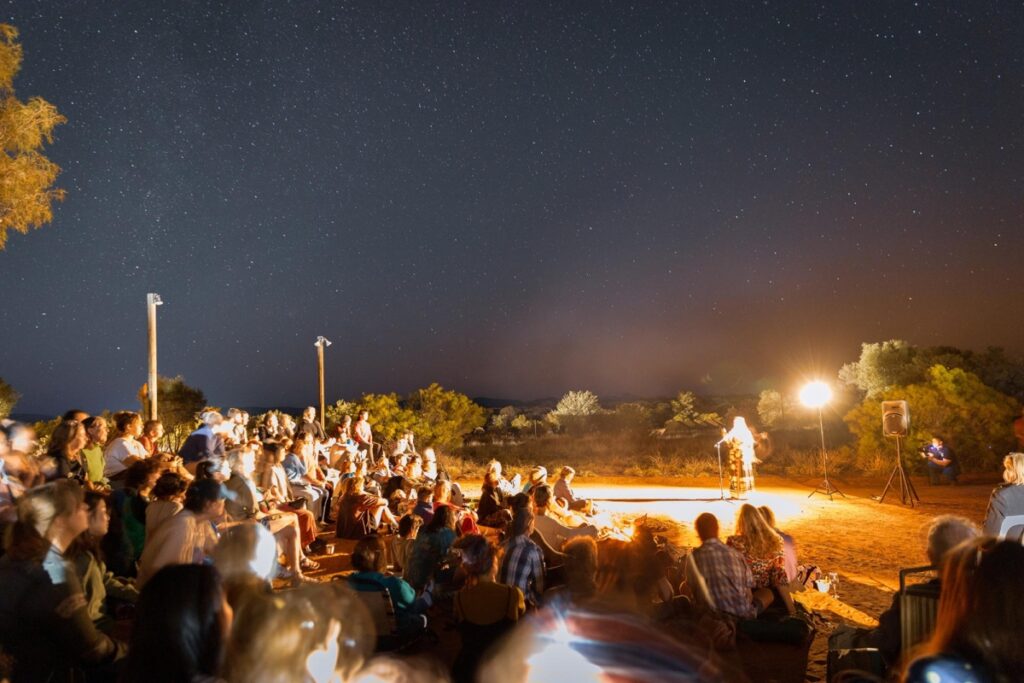
In a unique fusion of art and science, the "Passageways [Caminos]" project connects the Red Dirt Poetry Festival in Alice Springs with Chile’s International Poetry Festival (ACRUX). Despite the vast geographical distance, both regions share a view of the Southern Cross (Acrux) and the Magellanic Clouds, and both are recognized globally for their "Dark Sky" status.

The collaboration involves nine poets working alongside astronomers to explore themes of "Waterways, Signways, and Skyways." This project emphasizes the ecological and cultural importance of preserving dark skies against the encroachment of light pollution. Astronomers involved in the project note that dark skies are a limited natural resource, essential for both migratory wildlife and advanced astronomical research. The bilingual event on Arrernte Country highlights the intersection of Indigenous knowledge, scientific observation, and artistic expression.
Environmental Stewardship: Citizen Science in the Wetlands
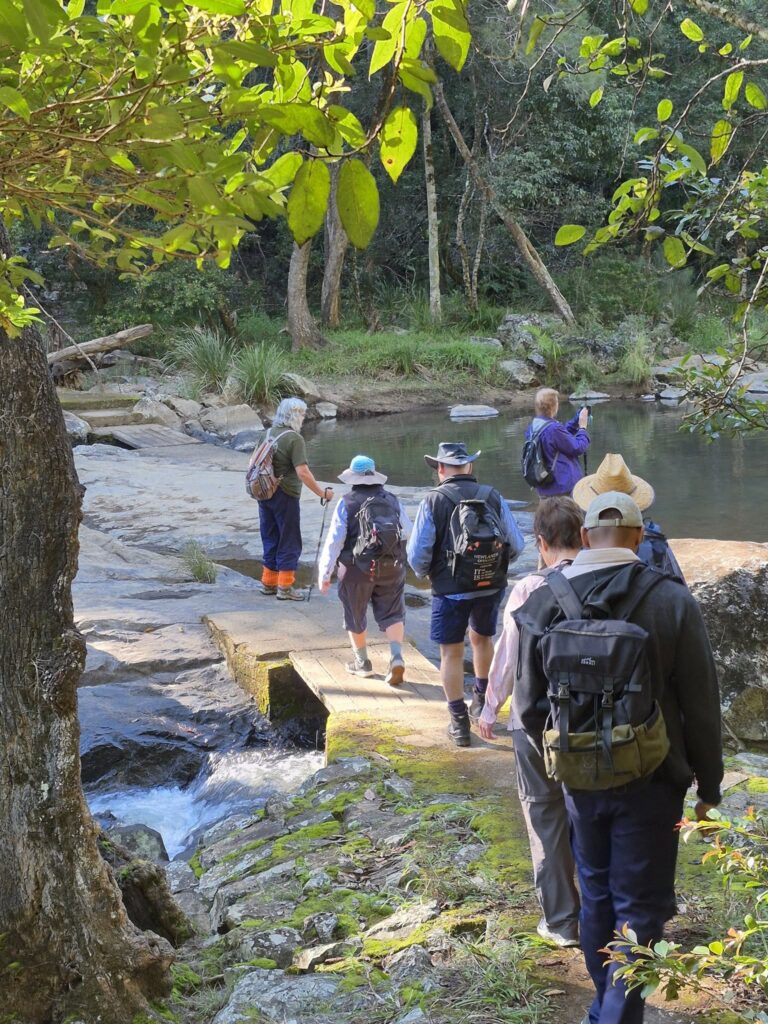
In North Mackay, Queensland, the "Saltmarsh Secrets" initiative is mobilizing local communities to engage in direct environmental monitoring. Hosted by Pioneer Catchment Landcare at the Wetlands Walkabout, the event transforms residents into citizen scientists.

Participants are tasked with collecting data on coastal wetlands, which serve as critical "blue carbon" sinks—ecosystems that store carbon at rates significantly higher than terrestrial forests. By involving the public in soil sampling and biodiversity surveys, the project aims to demystify environmental science and underscore the role of wetlands in shoreline protection. This hands-on approach is part of a growing trend in Australian science to utilize "crowdsourced" data to monitor large-scale ecological changes that would be impossible for small research teams to track alone.
Biological Realism vs. Hollywood Fiction: Anatomy in Sydney
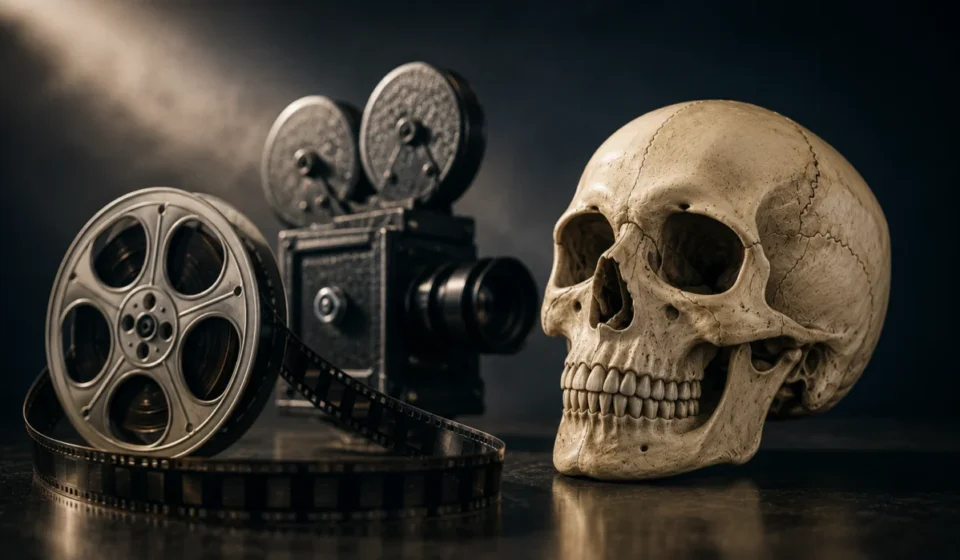
At the Museum of Human Disease in Kensington, New South Wales, Dr. Kosta Kotsidis is bridging the gap between pop culture and medical reality with "Anatomy According to Hollywood." The lecture uses clips from films like Indiana Jones and Poltergeist to explain human physiology and the reality of physical trauma.
While Hollywood often prioritizes spectacle over accuracy, Dr. Kotsidis uses these inaccuracies as "teachable moments" to explain how the human body actually responds to injury and disease. This pedagogical strategy has proven highly effective in engaging younger audiences (ages 16+) who may find traditional anatomical study daunting. The Museum of Human Disease, which houses over 2,000 specimens, provides a stark, factual backdrop to the fantastical depictions of the human form seen on screen.
Nutritional Science and the Future of Food Systems
Addressing the national challenge of childhood nutrition and food security, two distinct programs are taking center stage today. In Canberra, Dr. Chloe Lim—a molecular biologist and former reality TV contestant—is using "balloon science" to engage children aged 3-8 with healthy eating. The "Foodie Fun Play!" initiative, partnered with Nutrition Australia, uses sensory storytelling to encourage positive associations with fruits and vegetables.
On a broader scale, the "Kids’ Food Systems Conference" is being held online, allowing students aged 7-18 to present their own research on how to feed a growing global population. The conference focuses on sustainable production, water resource management, and the integration of First Nations’ knowledge of Country into modern agriculture. By positioning children as researchers and presenters, the program aims to cultivate the next generation of agronomists and environmental scientists.
Analysis of Implications: Science as a Public Good
The diverse range of activities on Day 6 of National Science Week illustrates a significant shift in scientific communication. No longer confined to laboratories and academic journals, science is being presented as a participatory and multidisciplinary endeavor.

The inclusion of artists, poets, and school students in the scientific process reflects a modern understanding that solving global challenges—such as climate change, AI ethics, and food security—requires a "whole-of-society" approach. Furthermore, the emphasis on regional events, from North Mackay to Alice Springs, ensures that scientific literacy is not restricted to metropolitan hubs.
As National Science Week continues through the weekend, the data and engagement metrics from these events will provide valuable insights into public attitudes toward emerging technologies and environmental conservation. For the researchers involved, these interactions offer a rare opportunity to receive direct feedback from the community, ensuring that Australian science remains both world-class and socially relevant.

For those seeking to participate, direct event details, contact information for researchers, and registration links for remaining sessions are available through the official National Science Week portal. The celebration will culminate in several large-scale community expos over the coming days, further cementing the role of science as a fundamental pillar of Australian culture.