Apple Announces "Experience" Event, Hinting at Major Smart Home Expansion

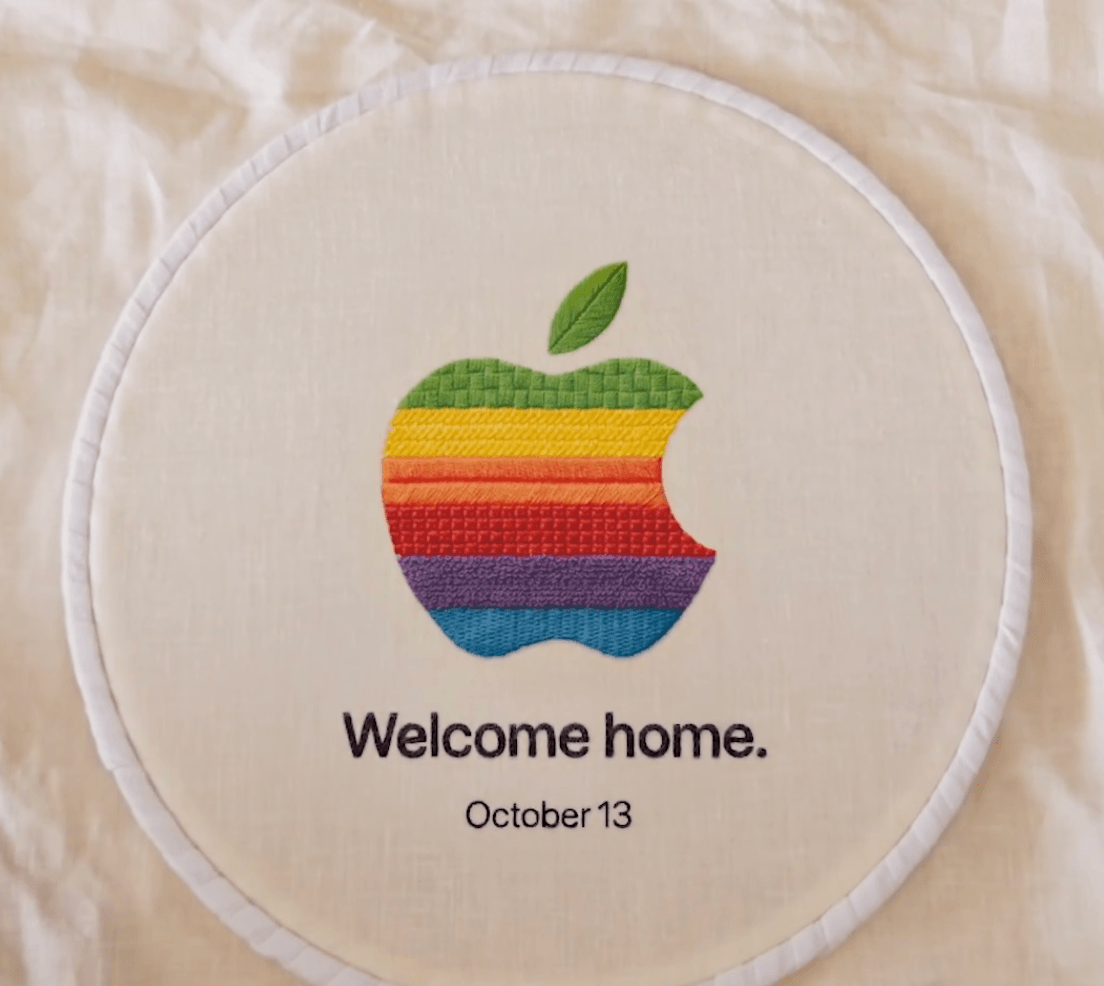
Apple has officially announced an "Experience" event scheduled for Tuesday, October 13, at 9:00 AM Eastern Time in Tribeca, New York City. The invitation, disseminated via a post on X by Greg Joswiak and through emails to creators and media outlets, strongly suggests a significant new product launch within Apple’s smart home ecosystem. This forthcoming announcement follows months of escalating speculation and industry rumors pointing towards Apple’s imminent entry into a new major product category.
Strategic Move into the Smart Home Arena
The timing and nature of this event are particularly noteworthy. Apple, a company known for its meticulously planned product rollouts and its emphasis on user experience and ecosystem integration, appears poised to make a substantial play in the burgeoning smart home market. While Apple has steadily built out its HomeKit platform and introduced devices like the HomePod and Apple TV, a dedicated, central smart home hub has been conspicuously absent from its lineup, unlike some of its key competitors.
Recent reports, including those from prominent tech journalist Mark Gurman, have provided a clearer picture of what might be unveiled. These reports suggest the centerpiece of the announcement will be a new home hub device. This device is rumored to feature a distinctive semi-circular base, drawing comparisons to the iconic iMac G4. Beyond its aesthetic design, the device is expected to serve as the central nervous system for a user’s HomeKit-enabled smart home. Its capabilities are anticipated to include advanced Siri integration, powered by SiriAI, and sophisticated user identification through voice and facial recognition. This latter feature would allow the device to personalize interactions and potentially offer tailored experiences to different members of a household.
A Deepening of the HomeKit Ecosystem
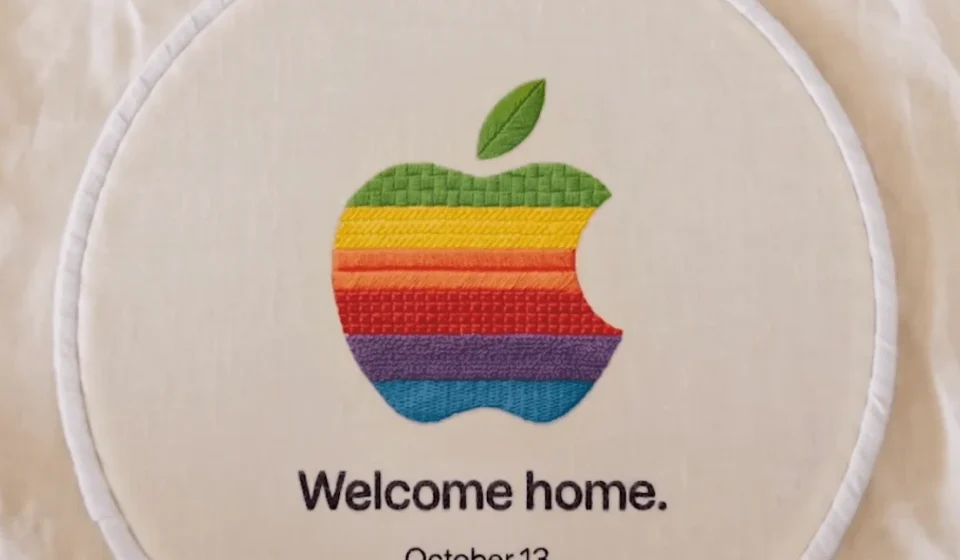
The "Experience" tagline itself, coupled with the location in a vibrant urban setting like Tribeca, hints at an emphasis on the tangible, lived experience of using Apple’s technology within the home. The event’s "Welcome home" messaging, as observed by MacStories, further reinforces the strong likelihood of announcements centered around HomeKit and domestic technology.
Beyond the primary home hub, industry observers are also anticipating potential updates or new iterations of existing smart home products. Rumors suggest that a new HomePod mini and an updated Apple TV 4K could also be part of the unveiling. These additions would serve to bolster Apple’s existing smart home offerings, providing more entry points and enhanced functionality for users already invested in the Apple ecosystem. The potential for a refreshed Apple TV 4K is particularly interesting, as it could integrate more deeply with the new smart home hub, potentially serving as a secondary control point or a more robust media consumption device within the connected home.
The Evolution of Smart Home Technology
The smart home market has seen considerable growth over the past decade, driven by consumer demand for convenience, security, and energy efficiency. Major technology companies have been vying for dominance, introducing a range of devices from smart speakers and displays to thermostats, lighting systems, and security cameras. Apple’s perceived delay in launching a dedicated, feature-rich home hub has been a topic of much discussion. However, this measured approach may reflect a strategy to ensure a more polished and integrated experience, consistent with Apple’s brand ethos.
The inclusion of advanced AI capabilities, such as SiriAI, and sophisticated biometric identification, points towards a future where smart home devices are not just reactive but proactive and deeply personalized. Voice and facial recognition, if implemented seamlessly and with robust privacy safeguards, could revolutionize how users interact with their homes, making the technology feel more intuitive and less intrusive. This level of integration could also enhance security features, ensuring that only authorized individuals can access sensitive controls or information within the home.
Timeline of Speculation and Anticipation
The anticipation for a significant Apple smart home announcement has been building for some time. While early HomePod models offered a glimpse into Apple’s smart speaker ambitions, the market has evolved, and consumer expectations have risen.
- Early 2020s: Initial rumors and patent filings begin to surface regarding Apple’s interest in developing a more advanced home hub.
- Mid-2020s: The release of the HomePod mini offers a more affordable entry point into Apple’s smart speaker line but doesn’t fulfill the role of a comprehensive home control center.
- Late 2020s (leading up to the announcement): Increased frequency of leaks and reports from sources like Mark Gurman detail potential hardware specifications, design elements, and feature sets for a new flagship home device. The development of SiriAI becomes a significant talking point, suggesting a move towards more intelligent and conversational voice assistance.
- October 13, [Year]: Apple officially announces the "Experience" event, confirming a significant upcoming product reveal related to the home.
This extended period of speculation has allowed the market and consumers to anticipate the potential impact of Apple’s entry into this segment, setting a high bar for the company’s unveiling.
Supporting Data and Market Context
The smart home market is projected to continue its upward trajectory. According to various market research firms, the global smart home market is expected to reach hundreds of billions of dollars in the coming years. Key drivers include increasing adoption of voice assistants, growing awareness of home automation benefits, and the expansion of connected device ecosystems.
Apple’s existing user base, known for its loyalty and willingness to invest in integrated Apple products, represents a significant potential market for a new smart home hub. The company’s strong brand reputation for privacy and security could also be a major differentiator in a market where data privacy is a growing concern for consumers. The success of HomeKit has been steady, but a dedicated hub could accelerate its adoption and challenge established players like Amazon’s Alexa and Google Assistant.
Potential Implications and Broader Impact
The launch of a new Apple home hub could have several significant implications:
- Increased Competition: A robust Apple offering will undoubtedly intensify competition in the smart home market, potentially leading to further innovation from all players.
- Enhanced Ecosystem Lock-in: For existing Apple users, a seamless integration with their iPhones, iPads, and Macs could further solidify their commitment to the Apple ecosystem.
- Advancements in AI and Voice Interaction: The integration of SiriAI and advanced recognition technologies could push the boundaries of what is expected from voice assistants and smart home devices.
- Privacy Standards: Apple’s historical emphasis on user privacy could set new benchmarks for data handling and security in the smart home sector.
- Developer Opportunities: A new platform for smart home development could open up new avenues for app developers and accessory manufacturers.
The event on October 13th promises to be a pivotal moment for Apple and the smart home industry. As the company prepares to "Welcome home" its users with what appears to be a significant expansion of its smart home capabilities, the tech world will be watching closely to see how Apple’s vision for the connected home unfolds. MacStories has confirmed its commitment to covering the event extensively, ensuring that readers will receive comprehensive coverage of all the news and announcements as they happen.