
The long-anticipated Zotero for Android application has officially launched, marking a significant advancement in how researchers, students, and academics can manage and interact with their digital libraries on the go. This release, announced by Zotero developer Dan Stillman on Thursday, June 5th, 2025, at 12:18 am, provides a robust mobile solution for accessing and manipulating Zotero data, promising to enhance productivity and flexibility for its extensive user base. The application is now available for download on the Google Play Store.
Empowering Research in the Palm of Your Hand
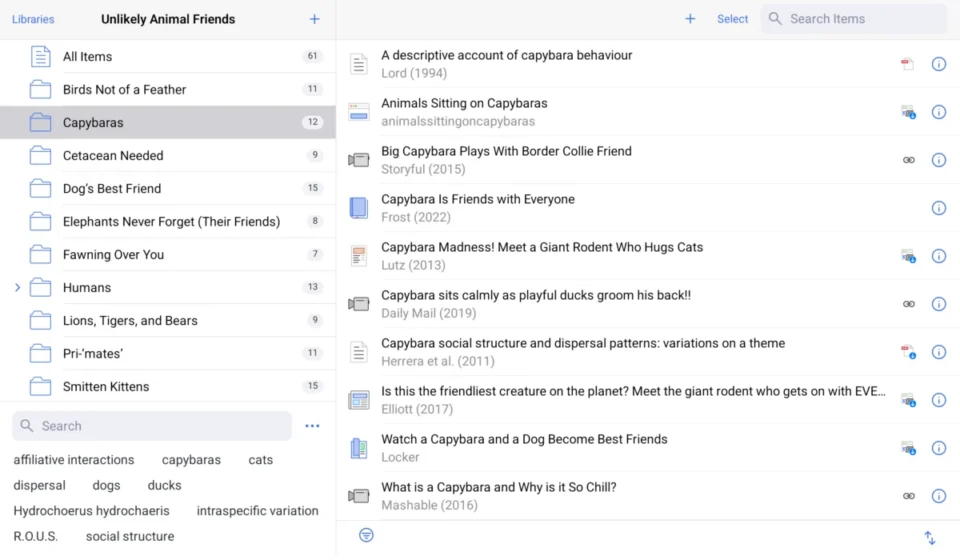
Zotero for Android is designed to bridge the gap between desktop research management and the increasingly mobile nature of modern academic and professional life. The application allows users to seamlessly work with their Zotero libraries from any Android device, irrespective of their physical location. This means that critical research materials, citations, and annotations are no longer confined to a desktop computer. Users can now browse their entire Zotero collection, search for specific items, and view metadata, ensuring that relevant information is always at their fingertips.
The core functionality of Zotero for Android centers on providing convenient access to a user’s Zotero library. This includes the ability to search through saved references, view details of each item such as authors, titles, publication dates, and abstracts, and organize them into collections. This level of access is crucial for individuals who frequently attend conferences, conduct fieldwork, or simply prefer to work away from their primary workstation. The ability to quickly retrieve a specific citation or a relevant piece of information can be the difference between a seamless research process and frustrating delays.
A Deeper Dive into Zotero for Android’s Capabilities
Beyond simple browsing and searching, Zotero for Android introduces powerful tools for active engagement with research materials. A key feature highlighted in the announcement is the ability to annotate PDF documents directly on the Android device. This capability is particularly transformative for researchers who regularly work with scholarly articles and require detailed note-taking and highlighting. The annotations made within the application are not ephemeral; they are designed to integrate directly back into the Zotero ecosystem.
Once annotations are completed on a PDF using Zotero for Android, users can seamlessly transfer these insights back to their desktop Zotero library. This integration allows for the inclusion of these PDF annotations within Zotero notes. This is a critical step in consolidating research efforts, as it brings together the original source material, the user’s analytical thoughts, and the bibliographic data into a single, cohesive unit.
Furthermore, the newly released Android application enhances the workflow for integrating research into written documents. The announcement explicitly mentions the ability to insert Zotero notes, now enriched with the PDF annotations made on the Android device, directly into word processor documents. This functionality leverages Zotero’s established strengths in citation management, allowing for the creation of academic papers, reports, and other written works with active Zotero citations. This feature streamlines the process of referencing, ensuring accuracy and consistency throughout the writing process. For those who prefer alternative writing formats, Zotero for Android also supports exporting these enriched notes to Markdown, a popular lightweight markup language widely used in digital content creation.
Background and Context: The Evolving Landscape of Research
The release of Zotero for Android arrives at a pivotal moment in the evolution of research practices. For decades, academic and professional research was largely confined to desktop environments. However, the proliferation of powerful mobile devices, coupled with the increasing demand for flexible work arrangements, has necessitated the development of robust mobile research tools. Zotero, a leading open-source reference management software, has long been a cornerstone for researchers seeking to organize, cite, and share their research sources. Its desktop application, available on Windows, macOS, and Linux, has garnered a loyal following for its comprehensive features and commitment to open access principles.
The development of a dedicated Android application represents a strategic expansion for Zotero, acknowledging the significant global adoption of Android as a mobile operating system. According to Statista, as of the first quarter of 2025, Android held a dominant global market share of approximately 70% of all mobile operating system users. This vast user base presents an enormous opportunity to extend Zotero’s reach and functionality.
The journey to a fully functional Zotero for Android app has likely been a complex undertaking, involving considerations for user interface design on smaller screens, offline access capabilities, and seamless synchronization with Zotero’s cloud-based services. The fact that the application is now available suggests a significant investment in development and testing, aiming to deliver a stable and feature-rich experience that aligns with the expectations of Zotero’s discerning user community.
Chronology of Development (Inferred)
While a detailed development timeline has not been provided, the announcement of the official release implies a preceding period of extensive development, beta testing, and refinement. Based on typical software development cycles for complex applications, one can infer a likely progression:
- Initial Concept and Planning: Zotero’s development team would have identified the need and opportunity for a dedicated Android application, outlining core features and technical requirements.
- Core Development: The foundational architecture of the application would have been built, focusing on library synchronization, data access, and user authentication.
- Feature Implementation: Key functionalities such as PDF viewing, annotation tools, and note integration would have been progressively developed and tested.
- Alpha/Beta Testing: A closed group of users would have been invited to test early versions of the application, providing crucial feedback on usability, bugs, and performance. This phase is critical for identifying and addressing issues before a public release.
- Refinement and Optimization: Based on beta testing feedback, the development team would have made necessary adjustments, optimized performance, and ensured stability.
- Public Release: The application undergoes final checks and is submitted to the Google Play Store for public availability.
The announcement on June 5th, 2025, signifies the culmination of this multi-stage process.
Supporting Data and Broader Implications
The successful integration of Zotero for Android into the research ecosystem carries significant implications for how research is conducted and disseminated. The ability to annotate PDFs directly on a mobile device, and then seamlessly integrate those annotations into Zotero notes and word processor documents, has the potential to dramatically accelerate the research-to-publication pipeline.
For students, this means being able to engage with assigned readings and conduct literature reviews more efficiently, even when away from their desks. For academics and researchers, it offers a more fluid workflow, allowing for spontaneous insights to be captured and incorporated into ongoing projects without delay. This is particularly relevant in fields that rely heavily on textual analysis and the synthesis of information from multiple sources.
The open-source nature of Zotero has always been a key differentiator, fostering a collaborative community and ensuring accessibility. The release of a robust Android application further democratizes access to powerful research tools, making them available to a wider audience regardless of their operating system preference or financial constraints.
Official Responses and Community Engagement
The announcement, attributed to Dan Stillman, a key figure within the Zotero development team, underscores the organization’s commitment to user-driven development. The explicit call for bug reports and feature requests to be posted on the Zotero Forums highlights the ongoing collaborative relationship between Zotero developers and its user community. This feedback loop is essential for the continuous improvement of the software.
By directing users to mention "Android" in their forum thread titles, Zotero ensures that feedback is efficiently categorized and addressed by the appropriate development teams. This structured approach to community engagement is a hallmark of successful open-source projects and suggests a proactive strategy for future updates and enhancements to the Zotero for Android application.
While no direct statements from external parties have been provided, the anticipated reaction from the Zotero user base is likely to be overwhelmingly positive. Online forums and social media platforms dedicated to academic research tools are expected to buzz with discussions about the new application, sharing tips, and highlighting its benefits. The integration with Zotero’s existing desktop functionality, which has been a trusted tool for years, provides a strong foundation of confidence for new adopters.
Analysis of Impact and Future Outlook
The introduction of Zotero for Android is more than just a new application; it represents a strategic pivot towards a more integrated and mobile-first approach to research management. This move aligns with broader trends in digital transformation across all professional sectors. As research becomes increasingly data-driven and collaborative, the tools that support it must evolve to accommodate diverse working environments and user preferences.
The long-term impact of Zotero for Android could include:
- Increased Research Productivity: By reducing friction in the research workflow, users can dedicate more time to analysis and synthesis.
- Enhanced Accessibility: Researchers in developing regions or those with limited access to traditional computing resources can now leverage Zotero’s powerful features.
- Greater Flexibility: The ability to work with research libraries from anywhere, at any time, offers unprecedented flexibility to researchers.
- Further Development: The success of this initial release will likely spur further development, with potential for new features and integrations based on user feedback.
In conclusion, the release of Zotero for Android is a significant milestone, empowering researchers with a powerful and accessible tool to manage their digital libraries and enhance their productivity on the go. The application’s robust features, coupled with Zotero’s commitment to its open-source ethos and community engagement, position it as a vital asset for the modern researcher.
This entry was posted
on Thursday, June 5th, 2025 at 12:18 am by Dan Stillman
and is filed under News.