The Unseen Gatekeepers: How AI is Reshaping the Job Market for PhDs and the Rise of Resume Suppression

The alarming refrain, "I was hearing back from employers, Isaiah, but now I’m not," echoes with increasing frequency among PhDs navigating a significantly contracting job market. This sentiment, shared by numerous highly qualified candidates, paints a stark picture of a hiring landscape where initial engagement has evaporated into an unnerving silence. What began as a trickle of automated rejections punctuated by a few hopeful phone screens has, for many, devolved into a void, leaving them questioning the very efficacy of their applications. The pervasive question, "Do you think my resume is blacklisted?" has shifted from a hypothetical anxiety to a tangible concern in an era dominated by artificial intelligence and sophisticated hiring algorithms.
Just a decade ago, such a notion might have been dismissed as a fringe conspiracy theory. However, the current reality of the job market, heavily influenced by Applicant Tracking Systems (ATS) and artificial intelligence, suggests that resumes can, in effect, become invisible to potential employers. This phenomenon is not the result of overt discrimination, which remains illegal, but rather the consequence of powerful algorithms that learn from vast datasets, including rejection patterns. When a resume is repeatedly passed over, these systems may, intentionally or unintentionally, begin to suppress it from future searches, creating a self-perpetuating cycle of invisibility for even the most qualified candidates.
The increasing sophistication of AI in recruitment processes has introduced a new layer of complexity to job seeking, particularly for individuals with advanced degrees. PhDs, accustomed to rigorous academic evaluation and clear metrics of success, often find themselves ill-equipped to navigate the opaque digital gatekeepers that now filter applications. This article delves into the phenomenon of resume suppression, exploring its mechanisms, its implications for PhDs, and actionable strategies to overcome these invisible barriers. We will examine the role of platforms like LinkedIn in candidate visibility, analyze the enduring value of a PhD in the contemporary industry, and provide practical advice for optimizing resumes in an AI-driven job market.
The Algorithmic Gatekeepers: Understanding Resume Suppression
Resume suppression, often colloquially referred to as "blacklisting," describes the process by which AI-driven hiring systems effectively sideline a candidate’s application. Applicant Tracking Systems (ATS), now standard in most large and medium-sized organizations, are designed to scan, sort, and rank resumes based on predefined criteria. These systems learn from the data they process, including which resumes are ultimately selected and, crucially, which are rejected. If a resume consistently fails to meet the algorithmic thresholds, the ATS may flag it as a poor match, leading to its de-prioritization or outright exclusion from human review.

The legality and ethical implications of such automated filtering are complex and subject to ongoing debate. While direct discrimination based on protected characteristics remains illegal, the algorithms themselves are often proprietary and their decision-making processes are not transparent. This opacity makes it difficult for candidates to understand why their applications are being overlooked or to challenge the system’s judgment. Even if not explicitly illegal, the practice raises significant concerns about fairness, equity, and the potential for unintended bias to creep into the hiring process.
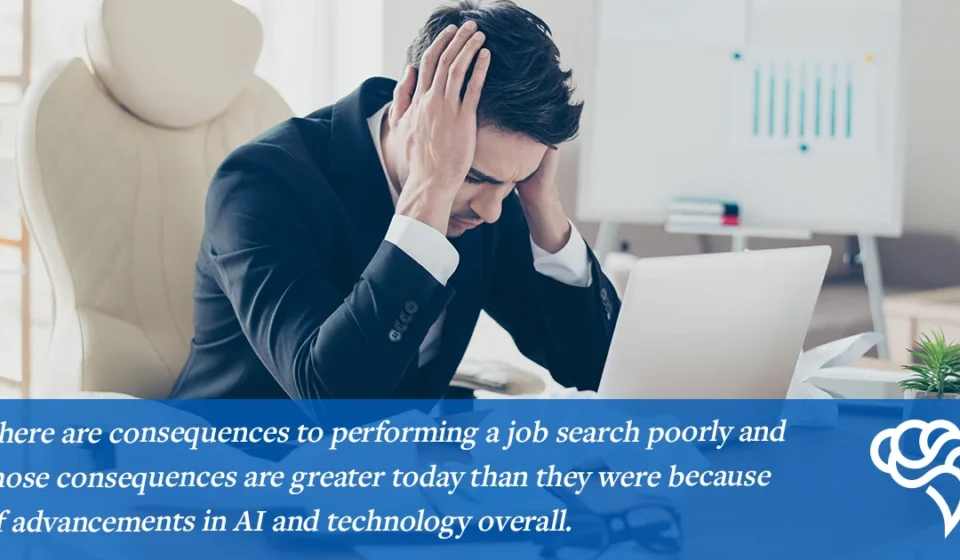
The disconnect between the perceived fairness of the hiring process and the reality faced by many job seekers is palpable. While hiring managers may deny the existence of deliberate "blacklisting," the overwhelming feedback from candidates suggests that their applications are simply disappearing into a digital void. This is particularly true for PhDs who, having spent years mastering complex research methodologies and analytical skills, are now encountering a new set of challenges in translating their expertise into an industry-ready format that can pass algorithmic muster. The consequences of a poorly executed job search in this environment are amplified, making it imperative for advanced degree holders to understand the evolving landscape.
LinkedIn SSI Score: A Tangible Metric for Digital Visibility
In the quest to understand how digital platforms are influencing candidate perception, LinkedIn’s Social Selling Index (SSI) score emerges as a relevant, albeit indirect, indicator of a professional’s online presence and potential visibility. While not a direct measure of resume suppression, a low SSI score can signal a lack of engagement and networking, which can indirectly impact how recruiters perceive a candidate’s digital footprint. The SSI score, calculated out of 100, assesses performance across four key areas:
- Establishing your professional brand: This involves optimizing your profile with relevant keywords, a professional photo, and a compelling summary that highlights your expertise and career aspirations.
- Finding the right people: This metric evaluates your ability to identify and connect with relevant professionals within your industry and target companies.
- Engaging with insights: This component measures your active participation in discussions, sharing of relevant content, and thoughtful engagement with your network’s posts.
- Building relationships: This aspect focuses on your efforts to nurture connections through personalized outreach, offering support, and fostering genuine professional interactions.
For PhDs, a strong SSI score is particularly important. LinkedIn is no longer just a professional networking site; it has become a primary tool for recruiters and hiring managers to source candidates. A higher SSI score can enhance a candidate’s visibility within LinkedIn’s search algorithms, increasing the likelihood of appearing in relevant searches and attracting the attention of those actively seeking talent.
To improve one’s SSI score and, by extension, digital visibility, several strategic actions can be taken. Firstly, optimizing one’s LinkedIn profile is paramount. This involves ensuring the profile is 100% complete, rich with keywords relevant to desired industry roles, and clearly articulates key skills and accomplishments. Secondly, consistent engagement with one’s network is crucial. This includes posting thoughtful content related to one’s field, commenting constructively on others’ posts, and participating actively in relevant industry groups. Thirdly, expanding one’s network strategically by connecting with professionals in target industries, alumni from their alma mater, and individuals working at desired companies can broaden reach. Finally, the emphasis should be on building genuine relationships through personalized messaging, offering assistance, and maintaining ongoing dialogue. Consistent effort in these areas can transform a dormant online presence into an active asset in the job search.

The Enduring Value of a PhD in a Shifting Industry Landscape
The current job market is characterized by a phenomenon that financial analysts have termed a "richcession," a period where white-collar professionals, including those with advanced degrees, are experiencing a noticeable slowdown in recruitment. Data from Indeed highlights this trend, revealing a significant decline in job listings for sectors that traditionally attract PhD holders. For instance, tech, biotech, and pharmaceutical roles saw a 55% decrease in listings compared to the previous year, while finance, business development, and project management vacancies experienced a 40% reduction. This contraction, coupled with an increasing number of PhDs entering the job market annually, has inevitably intensified competition for specialized roles.
Despite these challenging market conditions, the assertion that "a PhD is not an advantage in the job market" is demonstrably false. While some PhDs may struggle to transition into industry, this often stems from a misalignment in understanding how to leverage their unique skill sets rather than a deficit in value. The data overwhelmingly supports the significant advantages conferred by a PhD:
- Enhanced Earning Potential: Research consistently shows that PhD holders command higher salaries across various sectors. The Bureau of Labor Statistics, for example, reports that median weekly pay for individuals with a PhD is approximately 45% higher than that of those with a bachelor’s degree.
- Competitive Starting Salaries: In many fields, particularly within STEM, PhDs are positioned for the highest starting salaries. Leading technology companies like Google and Amazon actively recruit PhDs for their specialized knowledge, research acumen, and problem-solving capabilities.
- Access to Senior Roles: The advanced critical thinking, complex problem-solving skills, and experience in leading intricate projects developed during doctoral studies often qualify PhDs for senior, director, and executive positions.
- Higher Employment Rates: Historically, PhDs have demonstrated the highest employment rates among all education levels, often exceeding 90%, with lower unemployment rates compared to the general population.
These statistical realities underscore the inherent value of a PhD. The challenge for many advanced degree holders lies not in a lack of qualification but in effectively communicating their transferable skills and positioning themselves for roles that truly capitalize on their expertise. Settling for entry-level positions where one might be underutilized or underpaid is often a consequence of not strategically targeting PhD-level roles, senior positions, or even entrepreneurial ventures where their research background can be a significant asset. A PhD represents a testament to intellectual rigor, perseverance, and the ability to tackle complex challenges – qualities that are highly sought after in the industry.
Streamlining the Job Search: Time-Saving Hacks for Busy PhDs
The demanding nature of doctoral research often leaves PhDs with limited time to dedicate to an extensive job search. Juggling research, teaching responsibilities, family commitments, and other obligations can make the process feel overwhelming. However, by adopting strategic productivity hacks, even individuals with demanding schedules can conduct an efficient and successful job search.
- Leverage Job Aggregator Websites: Instead of visiting individual company career pages, utilizing platforms like Indeed, LinkedIn, and ZipRecruiter can significantly streamline the search. These aggregators consolidate job listings from multiple sources, allowing for quick filtering based on specific criteria.
- Automate with Job Alerts: Setting up personalized job alerts on these platforms ensures that relevant opportunities are delivered directly to one’s inbox. By specifying desired job titles, industries, or companies, candidates can stay informed of new postings without constant manual searching.
- Develop Template-Based Resumes and Cover Letters: Creating versatile template documents that can be easily customized for each application is a critical time-saver. This eliminates the need to start from scratch for every submission, allowing for rapid tailoring to specific job requirements.
- Utilize Digital Organization Tools: Employing tools such as Trello, Asana, or even a detailed spreadsheet can help manage the application process. Tracking applications, follow-up dates, and relevant notes prevents confusion and ensures a structured approach.
- Network Strategically: While networking is essential, it doesn’t need to be a time-consuming endeavor. Dedicating a small amount of time daily to engage on LinkedIn, reach out to connections, and share relevant content can foster valuable professional relationships. Quality interactions are often more impactful than a large volume of superficial connections.
Implementing these productivity hacks can transform the job search from a daunting chore into a manageable and efficient process. Consistency, even in small increments, is key to making steady progress toward securing an ideal industry position.

Navigating AI: Common Resume Mistakes and Keyword Optimization
The effectiveness of a resume in today’s job market hinges not only on its content but also on its ability to pass through AI-powered Applicant Tracking Systems (ATS). Several common mistakes can render even the most qualified candidate’s resume invisible:
- Generic Language and Lack of Keywords: Resumes filled with vague terminology and devoid of keywords directly from the job description are likely to be rejected by ATS.
- Unconventional Formatting: ATS software often struggles with complex formatting, such as tables, columns, graphics, and unusual fonts, leading to parsing errors.
- Acronyms and Abbreviations: While common in academia, the overuse of discipline-specific acronyms without their full written counterparts can confuse ATS.
- Typos and Grammatical Errors: Even minor errors can be flagged by ATS and may indicate a lack of attention to detail.
- Lack of Quantifiable Achievements: Resumes that do not quantify accomplishments with data and metrics often fail to impress both ATS and human reviewers.
- Irrelevant Information: Including academic-specific details or experiences that do not align with industry needs can dilute the resume’s impact.
- File Type Issues: Submitting resumes in formats not compatible with the ATS, such as image files, can lead to rejection.
To overcome these hurdles and ensure a resume is seen by human eyes, keyword optimization is paramount. ATS software scans resumes for specific terms and phrases that match the requirements outlined in the job description. A resume lacking these keywords will likely be filtered out, regardless of the candidate’s actual qualifications. Some ATS systems even rank resumes based on keyword density and relevance, meaning a well-optimized resume can achieve a higher search ranking.
Effective keyword optimization involves:
- Thoroughly Analyzing Job Descriptions: Identifying key skills, qualifications, and responsibilities mentioned in target job postings.
- Integrating Keywords Naturally: Weaving these keywords into the resume’s summary, experience descriptions, and skills sections in a way that reads fluently.
- Using Synonyms and Related Terms: While direct keyword matching is important, incorporating synonyms and related terms can also enhance relevance.
- Tailoring Each Resume: Customizing keywords for each application to precisely match the specific job requirements.
By avoiding common resume pitfalls and strategically optimizing content for both human reviewers and AI algorithms, PhDs can significantly increase their chances of navigating the ATS and securing interviews for their desired industry positions. The goal is to ensure that the nuanced value of a PhD is recognized and assessed by a human decision-maker.
Conclusion
In the dynamic landscape of today’s job market, understanding the potential for resume suppression and the pervasive influence of AI in hiring is no longer optional for PhDs; it is essential. Optimizing one’s professional presence on platforms like LinkedIn, engaging proactively with one’s network, and cultivating meaningful professional relationships can dramatically enhance visibility and unlock new career avenues. By embracing time-saving strategies and diligently avoiding common resume mistakes that can sabotage applications, PhDs can position themselves effectively. The inherent value of a PhD in the industry is undeniable, supported by robust data demonstrating higher earning potential, greater career advancement opportunities, and stronger employment rates. By recognizing and strategically articulating their unique skill sets, PhDs can secure fulfilling careers that truly leverage their expertise and intellectual capital.