Professor Neil Coffee – Professor Vincent Versace | Mapping Health Access: Using Address-Level Intelligence for Smarter Services • scientia.global

Global healthcare is currently undergoing a transformative period as researchers and clinicians move beyond traditional treatment models to embrace more localized, minimally invasive, and translational approaches. Recent developments in four distinct fields—pediatric psychosocial support, urological intervention, mucosal disease management, and ophthalmological research—highlight a growing trend toward precision medicine and community-grounded care. From the implementation of trauma-informed workshops in Zimbabwe to the development of novel mucoadhesive patches for oral ulcers and the expansion of vision care programs in Asia, these initiatives represent a concerted effort to address unmet medical needs across diverse populations and socio-economic settings.
Addressing Childhood Trauma in Zimbabwe Through Creative Psychosocial Support
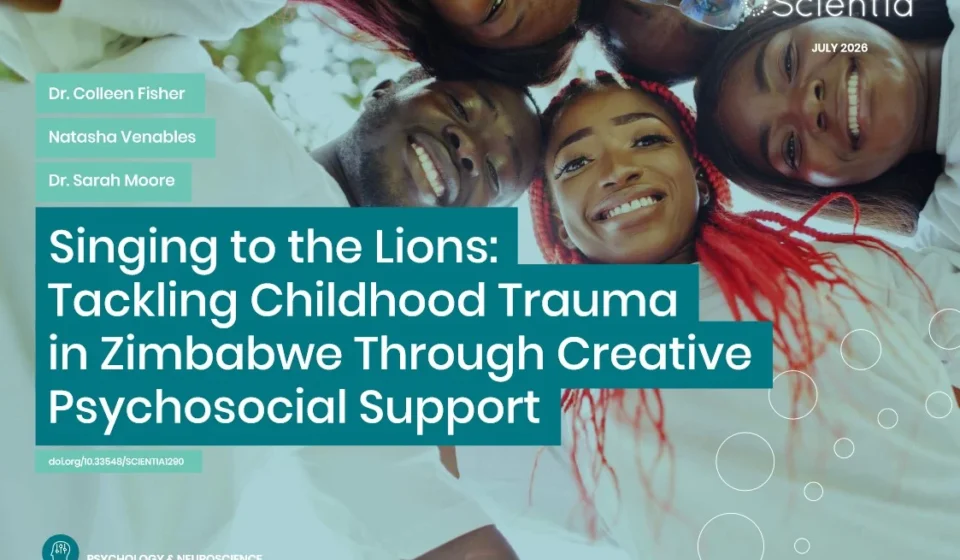
Mental health challenges remain among the most significant hurdles facing children and adolescents globally, particularly in low-resource settings where access to specialized psychiatric care is often limited. In Zimbabwe, a nation that has grappled with socio-economic instability and a high prevalence of orphaned children, the need for scalable mental health interventions is acute. Dr. Colleen Fisher, alongside a collaborative team from the United States and Zimbabwe, has spearheaded the first formal evaluation of "Singing to the Lions," a three-day creative psychosocial intervention designed to help young people build resilience against childhood trauma.
The "Singing to the Lions" program utilizes a metaphor-based approach, where "lions" represent the fears, traumas, and challenges that children face. By participating in creative workshops, youth are encouraged to identify their personal "lions" and develop strategies to "sing" to them—a process of reclaiming agency and developing coping mechanisms. Dr. Fisher’s evaluation provides critical data on how these workshops can be integrated into existing community structures.
The methodology of the intervention is grounded in trauma-informed care, acknowledging that childhood adversity can have long-lasting effects on brain development and social integration. According to World Health Organization (WHO) data, approximately 10–20% of children and adolescents worldwide experience mental health conditions, yet many remain undiagnosed and untreated. In Zimbabwe, where traditional beliefs often intersect with modern medicine, the "Singing to the Lions" program offers a culturally sensitive bridge, allowing young people to process grief, abuse, and poverty through storytelling and group activities. The evaluation led by Dr. Fisher suggests that such locally grounded approaches are not only effective in reducing symptoms of post-traumatic stress but are also highly scalable, offering a blueprint for other low-income regions.
Rethinking Urological Care: The Rise of Prostate Artery Embolisation
As the global population ages, the prevalence of Benign Prostatic Hyperplasia (BPH) is rising, affecting the quality of life for millions of men. BPH, characterized by the non-cancerous enlargement of the prostate gland, leads to disruptive urinary symptoms, including frequent urination, nocturia, and weakened flow. Traditionally, the treatment pathway involves long-term medication followed by invasive surgery, such as Transurethral Resection of the Prostate (TURP), if pharmaceutical interventions fail. However, these options often come with significant side effects, including sexual dysfunction and lengthy recovery periods.
At the University of Queensland, Associate Professor Nicholas Brown and his research group are challenging this traditional model through the P-EASY studies. Their research focuses on Prostate Artery Embolisation (PAE), a minimally invasive interventional radiology procedure. During PAE, small particles are injected into the arteries supplying the prostate, reducing its blood supply and causing the gland to shrink.
The P-EASY studies have explored the efficacy of PAE not just as a last resort, but as a primary treatment for men in the earlier stages of BPH. Data from these studies indicate that PAE offers a significant reduction in symptoms with a much lower risk profile than traditional surgery. Patients typically undergo the procedure under local anesthesia and can return to normal activities within days. Dr. Brown’s work emphasizes the importance of "rethinking prostate care" by prioritizing patient-reported outcomes and minimizing the physical burden of treatment. This shift toward interventional radiology represents a broader movement in modern medicine to replace "open" surgeries with targeted, image-guided therapies.

Innovation in Mucosal Disease: The 4R Framework and Mucoadhesive Patches
Recurrent Aphthous Stomatitis (RAS), commonly known as canker sores, affects approximately 2–3% of the global population on any given day. Despite its prevalence, the exact cause of RAS remains unknown, and curative treatments have been elusive. For many patients, the painful ulcers interfere with eating, speaking, and oral hygiene. Jean Lycke and the development team behind Mucocort have addressed this unmet medical need through a "Close-to-Market" innovation strategy.
The team has developed a biodegradable mucoadhesive patch designed to be applied directly over a RAS ulcer. The patch provides an immediate physical barrier, protecting the nerve endings from irritation and delivering rapid pain relief. What sets this innovation apart is the "4R" framework used during its development: Re-purposing, Re-formulation, Re-positioning, and Re-patenting. By using existing, safe materials and re-engineering them into a new delivery format, the team was able to navigate the complex regulatory landscape of MedTech and Pharma more efficiently.
This model of innovation is now being expanded. The team is developing a mucoadhesive gel formulation intended for the prevention and treatment of chemotherapy-induced mucositis—a severe side effect of cancer treatment that causes painful inflammation and ulceration of the digestive tract. Marketed under the name MucoShield, this gel-based program aims to provide relief to oncology patients who currently have few effective options for managing oral pain. The success of the Mucocort patch demonstrates that simplicity in design, when combined with a sophisticated regulatory strategy, can lead to rapid clinical breakthroughs.
Reimagining Vision Care: The TAAP-2 Program in Asia
Age-related Macular Degeneration (AMD) is a leading cause of irreversible vision loss among the elderly. While extensive research has been conducted on Western populations, the impact of AMD in Asia is particularly profound due to the region’s rapidly aging demographics. In many Asian countries, the subtype of the disease known as Polypoidal Choroidal Vasculopathy (PCV) is more common than in the West, requiring a different diagnostic and therapeutic approach.

The Translational Asian Age-related Macular Degeneration Program (TAAP) was established to address these regional differences. Now in its second phase, TAAP-2 is a bold initiative aimed at reimagining the future of vision care through large-scale genomic research and clinical trials tailored specifically to Asian phenotypes. The program focuses on "translational" medicine—the process of turning laboratory discoveries into clinical applications.
TAAP-2 aims to identify genetic markers that can predict how an individual will respond to anti-VEGF injections, which are the current standard of care for "wet" AMD. By understanding the molecular basis of the disease in Asian patients, clinicians can move toward a "precision ophthalmology" model, where treatments are customized to the patient’s genetic profile. This is crucial because a significant portion of patients do not respond optimally to current therapies. The program’s expansion signifies a shift in global health research, where the "one size fits all" approach is being replaced by studies that account for ethnic and geographic diversity.
Chronology of Scientific Progress and Broader Implications
The timeline of these various research initiatives reflects a decade-long shift toward integrated healthcare. Dr. Fisher’s work in Zimbabwe builds upon years of grassroots psychosocial efforts, while Dr. Brown’s P-EASY studies follow the technological maturation of interventional radiology. Similarly, the 4R framework used by Jean Lycke and the phase-based progression of the TAAP program highlight the importance of iterative development in medical science.
The broader implications of these studies are manifold:

- Economic Impact: Minimally invasive procedures like PAE and over-the-counter solutions like the Mucocort patch have the potential to reduce the long-term financial burden on healthcare systems by decreasing hospital stays and surgical complications.
- Equity in Health: Programs like "Singing to the Lions" and TAAP-2 ensure that medical advancements are not confined to high-resource Western environments but are adapted to the needs of the Global South and the specific biological profiles of diverse populations.
- Patient Autonomy: By providing earlier intervention options for BPH and easy-to-use patches for oral ulcers, these innovations empower patients to manage their conditions before they escalate into more severe health crises.
In conclusion, the convergence of these diverse research programs underscores a fundamental change in the medical landscape. Whether through the use of creative metaphors to heal childhood trauma or the application of genomic data to save eyesight, the focus is increasingly on interventions that are as compassionate as they are scientifically rigorous. As these programs move from clinical evaluation to widespread implementation, they offer a promising outlook for the future of global public health.