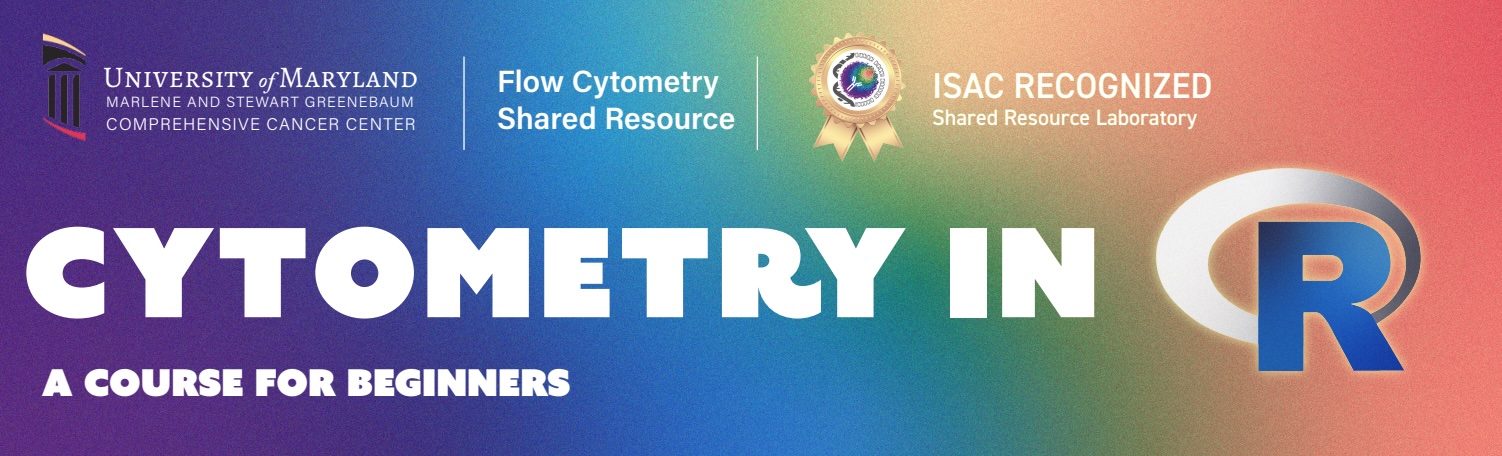
Cytometry in R Course Launches, Bridging the Gap for Researchers Entering Computational Analysis

The burgeoning field of cytometry, particularly its application within R and the Bioconductor ecosystem, has seen a significant influx of powerful tools. However, a critical barrier has persisted for many seasoned cytometry researchers: the steep learning curve associated with programming. To address this, the "Cytometry in R" course has emerged as a vital educational initiative, offering a free, accessible entry point for those with extensive experimental experience but limited coding backgrounds. This comprehensive program, developed by researchers at the University of Maryland, is poised to democratize advanced data analysis in flow cytometry, spectral cytometry, imaging cytometry, and mass cytometry.
Bridging the Computational Divide in Cytometry
For decades, flow cytometry has been a cornerstone of biological research, enabling the high-throughput analysis of cellular characteristics at a single-cell level. The advent of advanced techniques like spectral and mass cytometry has further expanded its capabilities, providing richer datasets and more nuanced insights. Concurrently, the R programming language and the Bioconductor project have become indispensable tools for bioinformatics and computational biology, offering a vast array of packages for data manipulation, visualization, and statistical analysis.
The challenge has been to effectively integrate these two worlds. While the Bioconductor project boasts a growing suite of specialized packages for cytometry data, such as flowCore, cytominer, CATALYST, and cytofkit, navigating their functionalities and integrating them into a research workflow can be daunting for individuals whose primary expertise lies in experimental design and execution. This is precisely the gap that the "Cytometry in R" course aims to fill.
Genesis and Growth of the Cytometry in R Initiative
The "Cytometry in R" course officially commenced in February 2026, spearheaded by David Rach and his colleagues at the Flow Cytometry Shared Resource of the University of Maryland Greenebaum Comprehensive Cancer Center. The initiative was conceived as a weekly, no-cost educational program designed to empower cytometry professionals with the fundamental computational skills necessary to leverage R for their data analysis needs.
The curriculum is structured to provide a robust foundation, beginning with essential prerequisites for working within the R environment. This includes guidance on setting up R and RStudio, understanding version control through GitHub, and the critical process of installing and managing R packages. From these foundational elements, the course progressively delves into more specialized topics relevant to cytometry. Learners are guided through practical data handling techniques, effective data visualization strategies tailored for cytometry data, and the implementation of comprehensive cytometry analysis workflows.
A key aspect of the course’s accessibility is its flexible delivery model. Sessions are offered both online and in person, catering to a diverse range of learners and geographical locations. Crucially, all course materials, including recordings of lectures, accompanying code, and teaching resources, are made openly available. This commitment to open science allows individuals to engage with the material at their own pace, revisiting concepts as needed. Furthermore, a dedicated GitHub Discussions forum provides a platform for learners to pose questions, share insights, and receive support from instructors and fellow participants, fostering a collaborative learning community.
The reception to "Cytometry in R" has been overwhelmingly positive, underscoring the significant demand for such training. In a presentation at the BioC2026 conference, David Rach reported an impressive global response, with nearly 2,000 expressions of interest. Individual weekly topics garnered hundreds of viewers, demonstrating the broad appeal and practical relevance of the course content. This widespread engagement highlights the critical need for accessible computational training within the cytometry community.
Expanding the Learning Horizon: Beyond the Introductory Course
While the "Cytometry in R" course provides an invaluable starting point, the organizers recognize that the journey into advanced cytometry data analysis is ongoing. At the October 2026 Bioconductor Training Committee meeting, discussions were held to explore opportunities for building upon the introductory training. It was acknowledged that while the course introduces a wide array of essential cytometry packages, a discernible gap often exists between the foundational knowledge imparted and the proficiency required to fully utilize the detailed examples and workflows presented in individual package vignettes.
To address this, there is a recognized need for supplementary educational materials. These could take the form of worked examples demonstrating complex analyses, reproducible case studies that mirror real-world research scenarios, or step-by-step tutorials that guide users through specific analytical pipelines. Such resources, developed by package authors, experienced users, and instructors, would significantly enhance learners’ ability to explore packages beyond the scope of the introductory course and, more importantly, to apply these powerful tools to their own unique research questions. This expansion of learning resources is vital for fostering self-sufficiency and encouraging deeper engagement with the Bioconductor ecosystem for cytometry analysis.
Fostering a Collaborative Ecosystem: Connecting Learners and Developers
In recognition of his dedication to advancing computational tools for cytometry, David Rach has recently been appointed to the Bioconductor Community Advisory Board. This role further positions him to influence and shape the direction of community-driven initiatives within the Bioconductor project. He now also coordinates the newly established Bioconductor Cytometry Working Group. This dedicated group aims to consolidate and amplify community efforts focused on enhancing documentation, ensuring long-term maintenance, and promoting best practices for packages supporting a wide spectrum of cytometry techniques, including conventional, spectral, imaging, and mass cytometry.
A primary objective of the Cytometry Working Group is to foster stronger connections between package developers and the user community. This involves actively engaging with package maintainers to understand their current priorities and identify areas where additional documentation, user support, or code contributions would be most beneficial. One promising avenue for achieving this is the organization of focused writing or documentation sprints. These events would bring together participants of the "Cytometry in R" course, along with experienced users and package developers, to collaboratively work on specific, manageable tasks. Such sprints offer a structured and supported pathway for learners to contribute to the Bioconductor project, starting with improving their understanding of a package, building confidence in its documentation and examples, and ultimately enhancing the user experience for the entire community. This reciprocal relationship is crucial for the sustainable growth and evolution of open-source software in scientific research.
Pathways to Engagement and Contribution
The Bioconductor Cytometry Working Group and the "Cytometry in R" initiative offer multiple avenues for individuals to get involved, regardless of their current level of expertise or specific interests.
For those eager to contribute to the improvement of documentation and examples, opportunities abound. This can range from identifying and correcting errors in existing documentation to developing new, illustrative examples that demonstrate the application of specific packages. For individuals with a knack for writing, contributing tutorials or case studies can significantly lower the barrier to entry for new users. Furthermore, participating in bug reporting and testing new releases helps ensure the stability and reliability of the software.
Active participation in community discussions is also highly valued. By joining the Bioconductor Zulip chat and subscribing to the cytometry channel, users can introduce themselves, share their research interests, and actively contribute to shaping the group’s future activities. This platform is designed to be inclusive, welcoming users, learners, instructors, and package developers alike. The goal is to foster a vibrant and supportive environment where knowledge is shared freely and collective problem-solving is encouraged.
For specific inquiries related to the "Cytometry in R" course, the dedicated GitHub Discussions forum remains the primary channel for connecting with instructors and fellow learners. This platform facilitates direct interaction and troubleshooting, ensuring that participants receive timely and relevant support.
In essence, the "Cytometry in R" course serves as an accessible gateway for cytometry researchers embarking on their computational analysis journey. The complementary efforts of the Bioconductor Cytometry Working Group provide a structured pathway to deepen this learning, contribute to the development of essential tools, and actively participate in the scientific community that relies on these powerful resources. The initiative represents a significant step forward in democratizing advanced data analysis, empowering a broader range of researchers to unlock the full potential of modern cytometry technologies.
The collaborative spirit fostered by these initiatives is not merely about improving software; it’s about building a more inclusive and effective scientific community. By bridging the gap between experimentalists and computational tools, the "Cytometry in R" program and its associated working group are setting a precedent for how open-source communities can effectively support and advance scientific discovery. The success of this model is likely to inspire similar efforts in other interdisciplinary fields, further accelerating the pace of innovation in biological research. The long-term implications include faster scientific progress, more robust and reproducible research findings, and a more skilled and empowered generation of scientists capable of tackling complex biological questions with advanced computational methodologies.
© 2026 Bioconductor. Content is published under Creative Commons CC-BY-4.0 License for the text and BSD 3-Clause License for any code. | R-Bloggers