Ofgem Strategic Innovation Fund Advances Critical Energy Challenges with £16.2 Million Investment

The United Kingdom’s energy sector is poised for significant transformation as the Office of Gas and Electricity Markets (Ofgem) unveils the first wave of projects funded under Cycle Six of its Strategic Innovation Fund (SIF). This substantial £16.2 million investment targets the newly defined SIF challenges for the crucial period of 2026 to 2033, aiming to accelerate innovation and drive tangible benefits for consumers, the climate, and the UK economy. The initiative represents a concerted effort to move beyond theoretical concepts and foster practical, real-world applications that will reshape Britain’s energy infrastructure.
At the heart of this funding round is a strategic shift towards a more coordinated and outcome-driven approach to innovation. For the first time, each of the SIF challenges will be supported by dedicated Innovation Delivery Groups (IDGs). These groups, comprising a diverse array of stakeholders including energy network representatives, policymakers, and leading subject-matter experts from across the sector and beyond, are tasked with overseeing and coordinating specific portfolios of SIF projects. This collaborative model aims to ensure that innovation efforts are aligned with overarching strategic goals, fostering a culture of shared responsibility and focused delivery.
Furthermore, each IDG has received discovery phase funding to develop an "Innovation Charter." These charters, scheduled for publication in January 2027, will serve as strategic roadmaps, outlining the specific ambitions, priority areas, and desired outcomes for each challenge. This forward-looking approach is designed to provide a clear framework for future SIF applications, ensuring a continuous pipeline of innovation that addresses the most pressing needs of the energy system. As Jodie Giles, Deputy Director of Ofgem Strategic Innovation Fund at Innovate UK, articulated, "In this round we aren’t just funding projects, but a new operating model that is changing the culture of energy network innovation." This signifies a fundamental evolution in how innovation is approached within the energy sector, moving from fragmented initiatives to a cohesive, program-led strategy.
The SIF’s overarching mission is to tackle the most significant hurdles facing the UK’s energy transition. This includes the imperative to connect major new industrial and commercial sites more rapidly, expedite the delivery of new network infrastructure, enhance the resilience and reliability of the power supply, and simplify the integration of new, consumer-friendly energy technologies. Marzia Zafar, Deputy Director of Digitalisation and Innovation at Ofgem, emphasized this focus, stating, "The projects funded in this cycle are the first to be delivered against our new long-term Innovation Challenges, helping focus innovation on the outcomes that matter most for consumers, industry and the wider economy."
Addressing Key SIF Challenges: A Project Overview
Cycle Six of the SIF is structured around five core challenges, each with specific, measurable targets and ambitious timelines:
Challenge One: Industrial and Business Connection Acceleration
The imperative to expedite the connection of industrial and business customers is being directly addressed by the Data-Integrated Systems for Power Transmission and Community Heat (DISPATCH) project. This initiative seeks to revolutionize how new energy demands are met by investigating novel approaches to network capacity utilization. A key focus of DISPATCH is the exploration of siting data centres in a manner that allows them to provide low-temperature waste heat to community heating networks. This symbiotic relationship not only offers a sustainable solution for heat generation but also aligns with the ambitious goal of energizing major strategic sites within six months by 2033. By sharing flexibility service income with heat networks, DISPATCH aims to create a more efficient and integrated energy ecosystem, benefiting both industrial development and local communities. The project has received SIF funding of £181,366 for its discovery phase.
Challenge Two: Faster Build and Maintenance
The drive to deliver critical energy infrastructure more efficiently is being championed by the Routing and Planning through Interoperable Data (RAPID) project. This initiative is developing a shared transmission data interoperability framework designed to streamline the complex processes of routing, planning, and obtaining consent for new infrastructure. By fostering greater data sharing and interoperability, RAPID aims to reduce duplication of effort, minimize delays, and ultimately cut costs. This directly supports the challenge ambition of delivering infrastructure 50% faster and 20% cheaper by 2035. The RAPID project has been awarded £453,988 for its development.
Beyond the RAPID project, other initiatives are also contributing to this challenge. In the beta phase, the DEsign for Live Line Technology Acceleration (DELLTA) project has been awarded £4,947,031 to explore live working techniques for both existing and new high-voltage assets. The goal is to enable maintenance and upgrades without causing service disruptions, thereby avoiding operational downtime and associated constraint costs.
Challenge Three: Instant Use Domestic Energy Devices
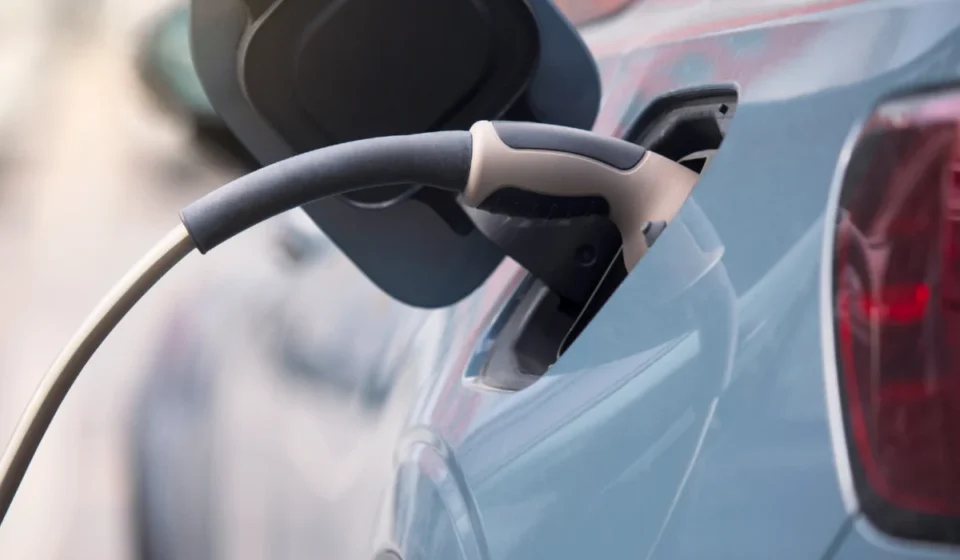
The future of domestic energy consumption is being shaped by projects focused on seamless integration of new technologies. The Roaming Meter Point Administration Numbers (MPANs) project is a prime example, aiming to create a simpler, plug-and-play charging experience for electric vehicles (EVs) beyond the home. By securely linking household electricity accounts to public charging stations, Roaming MPANs will allow drivers to access their home accounts, utilize smart tariffs, and benefit from familiar rates, effectively enabling them to charge as if they were at home. This innovation is crucial for supporting affordable and equitable EV charging, aligning with the challenge target of achieving instant plug-and-play connections for domestic energy devices by 2032. The discovery phase funding for Roaming MPANs amounts to £166,092.
Challenge Four: Eliminating Energy Outages
Ensuring a secure and uninterrupted energy supply is a paramount concern, and the Security of Supply reflecting distributed generation (SOS Racer) project is directly addressing this challenge. SOS Racer will investigate how distributed demand-side flexibility can be harnessed to enhance the security of electricity supply and inform future resilience planning and market frameworks. By supporting more flexible network operation and reducing the likelihood and impact of power outages, SOS Racer aims to contribute significantly to the challenge ambition of achieving near-zero interruptions through autonomous reconfiguration and islanding by 2038. The discovery phase for SOS Racer has received £167,822.
In addition to SOS Racer, other projects are contributing to the goal of eliminating energy outages. The DELLTA project, mentioned earlier, also supports this challenge by enabling live line maintenance, thereby preventing planned outages. Furthermore, in the beta phase, the Net Zero Terrace project has been awarded £7,188,365. This initiative aims to decarbonise millions of terraced homes, a significant undertaking that will require robust and resilient energy infrastructure. In the alpha phase, Grounds for Change has received £622,691 to address the critical challenge of scaling low-voltage service replacement upgrades without widespread consumer disruption, a key factor in maintaining service continuity.
Challenge Five: Enhanced System Visibility and Control
The efficient management of the energy grid relies heavily on advanced visibility and control systems. The Quantum optimisation for future gas network design project, funded at £616,558 in the alpha phase, is exploring a quantum-inspired optimisation approach to improve outage planning within gas transmission networks. This innovative method aims to overcome current limitations by enabling the systematic evaluation of a vastly larger number of planning scenarios, leading to more robust and efficient network management. In the discovery phase, the Quantum Inspired Power System (QUIPS) project has been awarded £134,889. QUIPS utilizes quantum-inspired computing to enhance power system modelling and optimization, facilitating faster decision-making and unlocking latent capacity within existing electricity networks.
Challenge Six: Green Gas
The transition to a low-carbon energy future necessitates the increased integration of renewable gas sources. The Green Gas Access project, funded at £594,862 in the alpha phase, is designed to unlock greater volumes of low-carbon biomethane for use in Great Britain’s gas networks. This will be achieved by improving the networks’ ability to understand, plan for, and manage green gas supplies, thereby facilitating the wider adoption of this crucial decarbonization pathway.
Broader Implications and Future Outlook
The strategic allocation of funds and the establishment of dedicated Innovation Delivery Groups signal a maturing approach to energy innovation in the UK. By fostering collaboration between networks, innovators, and experts around shared objectives, Ofgem and Innovate UK are creating a more streamlined and effective pathway from concept to widespread deployment. This coordinated strategy is essential for achieving the ambitious decarbonization targets set by the UK government and for ensuring that the benefits of the energy transition are equitably distributed across the nation.
The emphasis on measurable outcomes and tangible benefits for consumers, the environment, and the economy underscores the practical nature of the SIF. As Jodie Giles highlighted, "The SIF is leading the way on moving from bright ideas to real-world impact." This commitment to practical application is vital for building public confidence and ensuring that the significant investments in innovation translate into a cleaner, more reliable, and affordable energy system for all.
The development of the Innovation Charters in early 2027 will be a critical milestone, providing a transparent and strategic roadmap for the future of energy innovation. These charters will not only guide future SIF funding rounds but also foster a deeper understanding of the challenges and opportunities within the sector, encouraging greater participation and co-creation among a wider ecosystem of stakeholders.
The £16.2 million investment in Cycle Six of the SIF represents a significant step forward in addressing the complex and multifaceted challenges of modernizing Britain’s energy infrastructure. The chosen projects, guided by clear strategic objectives and supported by a collaborative innovation model, are poised to deliver transformative solutions, paving the way for a sustainable and resilient energy future. The ongoing commitment to innovation, coupled with a focus on practical application and measurable impact, positions the UK as a leader in navigating the global energy transition.