
National Science Week, Australia’s largest annual celebration of science and technology, reached its grand finale on Sunday, August 23, concluding a week of more than 1,000 events across the continent. From the temperate rainforests of Tasmania to the urban shopping hubs of Canberra, the final day of the festival showcased a diverse array of scientific disciplines, including microbiology, conservation biology, aerospace cinema, and Indigenous ecological knowledge. This year’s festivities underscored the federal government’s commitment to fostering a STEM-literate (Science, Technology, Engineering, and Mathematics) society, emphasizing the role of scientific inquiry in solving contemporary challenges such as species extinction, public health, and space exploration.
The closing day served as a microcosm of the festival’s broader mission: to make science accessible, engaging, and relevant to the everyday lives of Australians. Event organizers reported high levels of engagement across both metropolitan and regional areas, noting that the hands-on nature of the programs—ranging from venom milking to microscopic photography—successfully bridged the gap between professional researchers and the general public.
Nature’s Jewels and Scientific Artistry in Tasmania
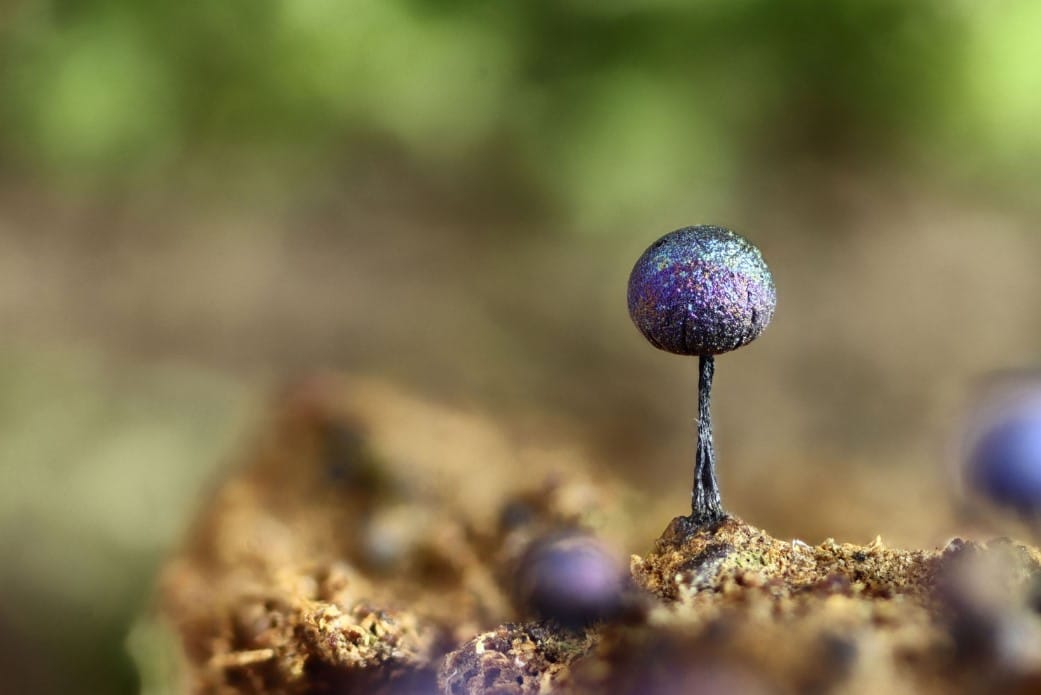
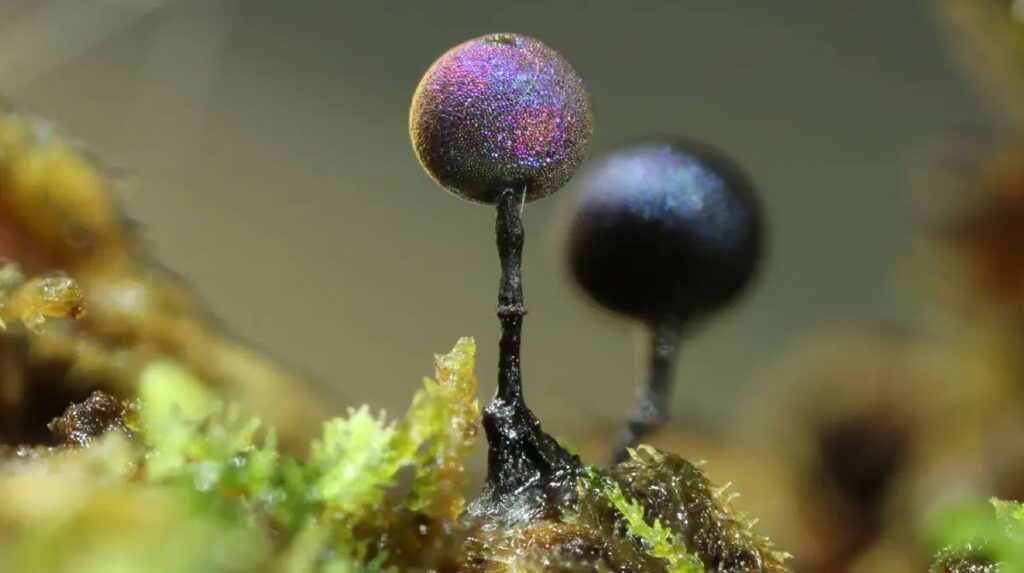
In Northern Tasmania, the final day focused on the often-overlooked world of myxomycetes, commonly known as slime moulds. At Rosny Park, researcher Sarah Lloyd OAM presented an exhibition titled "Nature’s Jewels," which highlighted her sixteen years of dedicated study in the wet eucalypt forests surrounding her home. Slime moulds represent a biological enigma; they are neither plants, animals, nor fungi. These single-celled organisms possess the unique ability to navigate mazes and "learn" without a central nervous system, a phenomenon that has fascinated biologists and artificial intelligence researchers alike.
Lloyd’s work has significant taxonomic importance. Since 2010, she has identified an undocumented genus, Tasmaniomyxa umbilicata, and four new species previously unknown to science. Her exhibition at Rosny Park utilized high-resolution micrographs to reveal the intricate beauty of fruiting bodies that are often less than a millimeter tall. The event served not only as a display of natural beauty but as a call for greater biodiversity monitoring at the microbial level.
Simultaneously, in Hobart, the Beaker Street Science Photography Prize Finalist Exhibition at the Tasmanian Museum and Art Gallery (TMAG) drew crowds for its final weekend. The competition, judged by Wiradjuri astrophysicist Dr. Kirsten Banks and photographer Marley Butler, featured twelve finalists whose work captured the intersection of scientific research and visual storytelling. The images spanned from the microscopic structures of Antarctic ice to the vast, rugged landscapes of the Southern Ocean. This initiative highlights Tasmania’s role as a global gateway to Antarctic research, providing a visual narrative for the climate science being conducted in the region.
Conservation Racing Against Time: Saving the Tasmanian Devil
In Queensland, the Enoggera Reservoir hosted a critical discussion on the survival of the Tasmanian devil (Sarcophilus harrisii). The species is currently grappling with Devil Facial Tumour Disease (DFTD), a rare form of transmissible cancer that has decimated wild populations by more than 80% since its discovery in 1996.
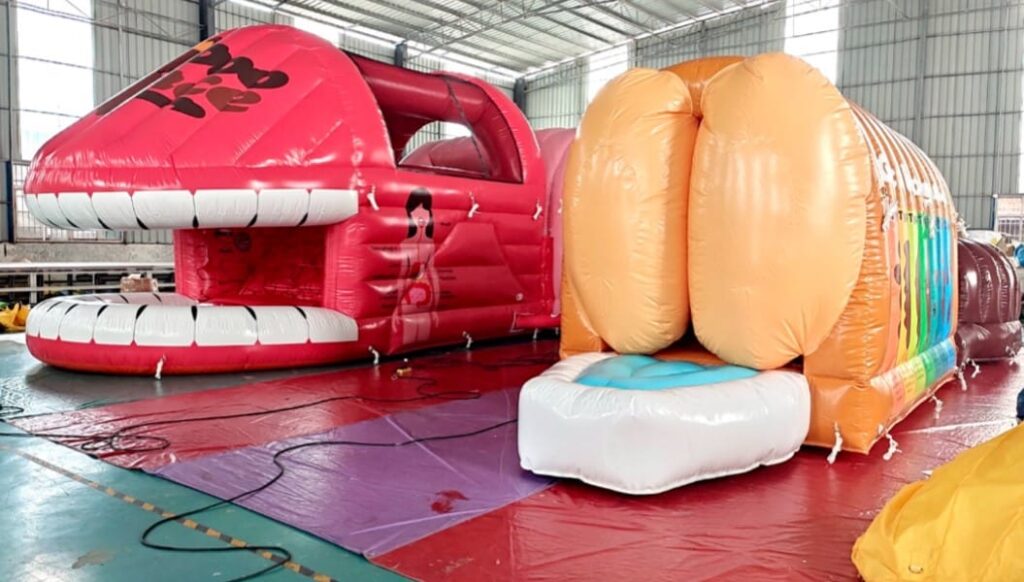
The event provided the public with insights into the multi-pronged approach being taken by conservationists. This includes the "Insurance Population" strategy, where healthy devils are bred in captivity on mainland Australia to ensure the species’ survival should the wild population collapse. Scientists discussed the latest advancements in genomic sequencing, which are being used to identify devils with natural resistance to the tumors. The program emphasized that the race to save the devil is not just about preserving an icon, but about maintaining the ecological balance of Tasmania’s forests, where devils serve as the apex predators.
Interactive Health and Safety in New South Wales
The Hunter Science Festival at the Newcastle Museum transformed the final day into a high-energy celebration of regional innovation. The centerpiece of the festival was the "Poo Palace," a giant inflatable installation developed by the Hunter Medical Research Institute (HMRI). The exhibit allowed visitors to physically walk through a replica of the human digestive system, tracking the journey of food from the mouth to the colon.
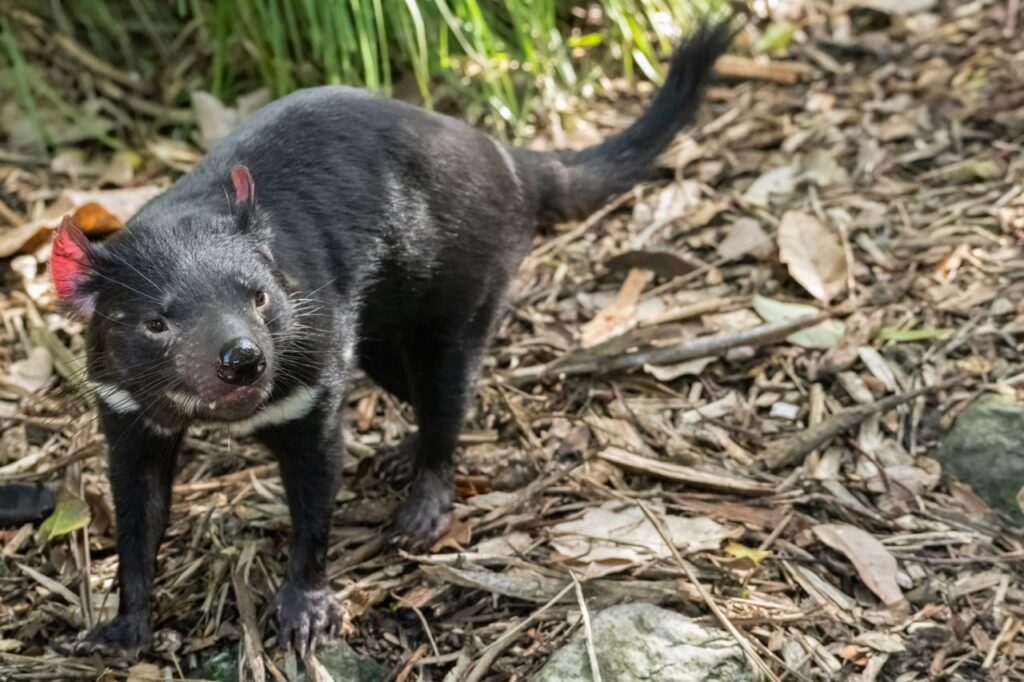
While whimsical in design, the Poo Palace carries a serious educational mandate. Australia has one of the highest rates of bowel cancer in the world, and HMRI researchers used the installation to discuss gut health, the microbiome, and the importance of diet in preventing chronic disease. By de-stigmatizing digestive processes through interactive play, the event successfully communicated complex biological functions to a younger demographic.
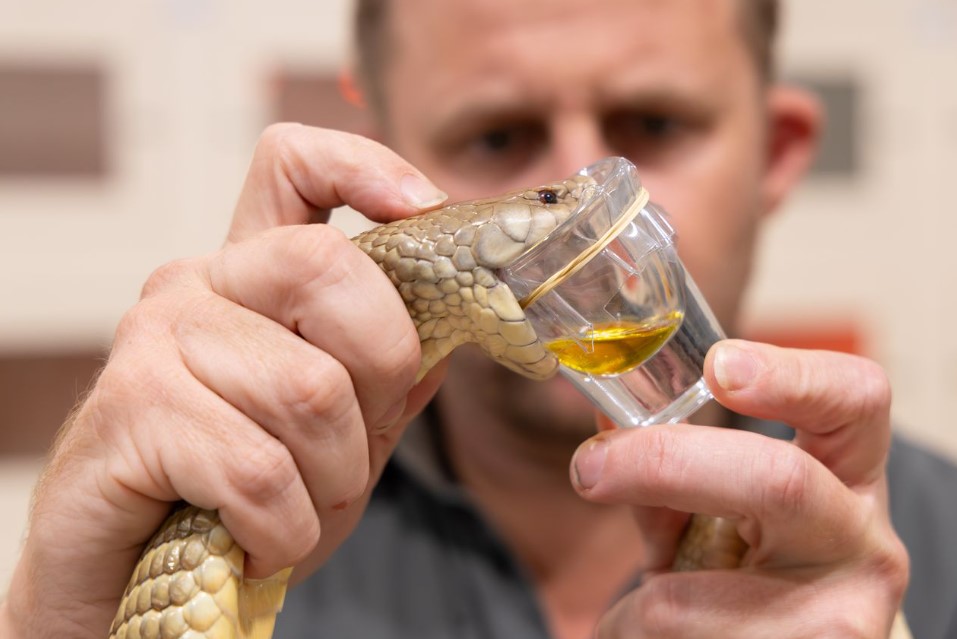
Further south, near Gosford, the Australian Reptile Park conducted live demonstrations of its life-saving venom program. Experts Billy Collett and Brandon Gifford showcased the delicate and dangerous process of "milking" some of the world’s most venomous snakes, including the Inland Taipan and the Eastern Brown Snake. The venom collected at the park is sent to CSL Seqirus, where it is used to produce anti-venom that saves hundreds of lives annually. The demonstration served as a reminder of the practical, life-saving applications of herpetology and the importance of maintaining native reptile populations for medical research.

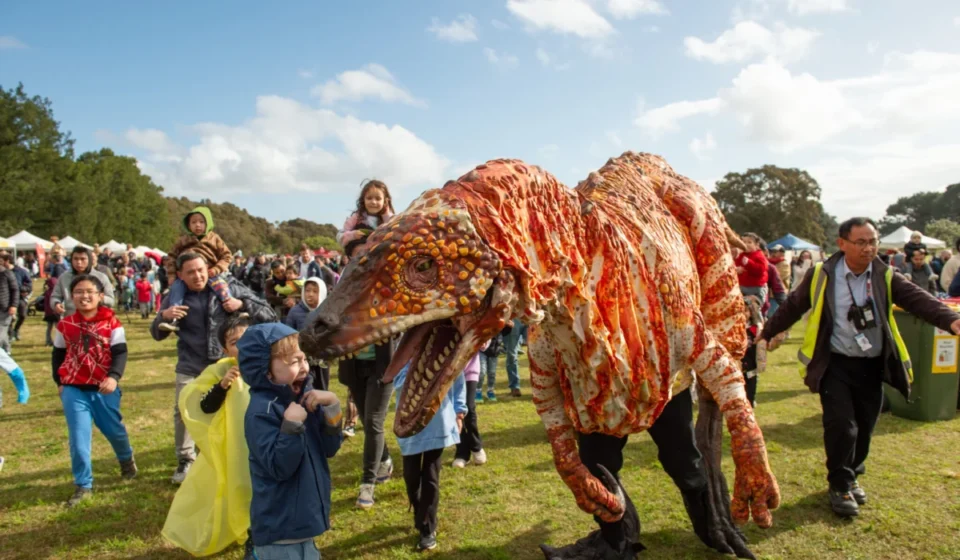
In Western Sydney, "Science in the Scrub" at Lizard Log brought science to the parklands. The event featured "Ginger," a life-sized model of the Australovenator, a theropod dinosaur that roamed Australia during the Cretaceous period. More importantly, the event hosted a First Nations Science Village, where Indigenous elders and educators demonstrated traditional seaweed harvesting techniques and the chemistry of bush cordials. This integration of Traditional Ecological Knowledge (TEK) with Western scientific methods is an increasing focus of National Science Week, recognizing the 60,000 years of scientific observation practiced by Australia’s First Nations people.
Space Exploration and Community Outreach in the ACT
The Australian Capital Territory (ACT) utilized the final day to look toward the stars. The Space Faring Civilisation (SFC) Film Festival, founded by Iranian refugee and filmmaker Masoud Varjavandi, held its main screenings and workshops. Varjavandi, who found inspiration in the optimistic future portrayed in Star Trek during his youth in Iran, created the festival to promote a positive outlook on space exploration and human progress.
The festival featured award-winning science fiction and documentary shorts that explored the ethical, social, and technical challenges of becoming a multi-planetary species. The mission of the SFC Film Festival is to inspire the next generation of aerospace engineers and ethicists, emphasizing that space is a domain for all of humanity.
In a more localized effort, several shopping centers across Canberra—including Westfield Belconnen and the Canberra Centre—hosted "Science in the Centres." These pop-up laboratories brought science to where people perform their daily routines. Shoppers encountered displays on pollen mapping, which is critical for allergy management in the ACT, as well as robotics demonstrations and rocketry workshops. This "stealth education" strategy is designed to engage citizens who might not otherwise attend a formal science lecture or museum, ensuring that scientific literacy reaches a broad cross-section of the community.

Chronology of National Science Week
National Science Week typically takes place during the second or third week of August. The timeline for this year’s conclusion followed a rigorous schedule of regional and national events:
- August 15-16: Launch weekend featuring major metropolitan festivals and the commencement of the "Science in the Centres" program in the ACT.
- August 17-21: School-focused programming, with thousands of students participating in the "Glass: More than meets the eye" theme (the official school theme for the year).
- August 22: The penultimate day, featuring large-scale outdoor events like "Science in the Scrub" and late-night museum programs.
- August 23: The final day, characterized by summary exhibitions, award ceremonies (such as the Beaker Street Photography Prize), and the conclusion of traveling exhibits.
Broader Impact and Implications
The conclusion of National Science Week serves as a critical data point for the Australian scientific community. According to post-event analysis from previous years, participation in Science Week is a significant driver of student interest in STEM subjects at the secondary and tertiary levels. With Australia facing a projected shortage of workers in tech and engineering sectors, the festival is viewed by the Department of Industry, Science, and Resources as a vital recruitment tool.
The inclusion of diverse voices—ranging from refugee filmmakers to Indigenous scientists—reflects a shift in how science is communicated in the 21st century. It is no longer viewed as a siloed academic pursuit but as a cultural pillar that informs policy, health, and national identity.
As the tents are packed away and the inflatable Poo Palace is deflated, the impact of the week remains. The discovery of new species in Tasmania, the ongoing research into Tasmanian devil immunology, and the public’s increased awareness of digestive health all contribute to a more informed and resilient nation. National Science Week may have ended for the year, but the questions it has sparked in the minds of thousands of young Australians will likely fuel the scientific breakthroughs of the coming decades.