Google Health App’s AI Coach: Navigating the New Landscape of Personalized Health Insights

The integration of Fitbit into the Google Health ecosystem has ushered in a new era of AI-driven health monitoring, particularly for users with premium subscriptions. However, the unsolicited and sometimes inaccurate pronouncements of the Google Health Coach have prompted many to seek ways to manage or disable these features. This article delves into the functionalities of the Google Health Coach, explores user feedback and concerns, and provides a comprehensive guide on how to adjust the AI’s presence within the app, from fine-tuning insights to a complete deactivation.
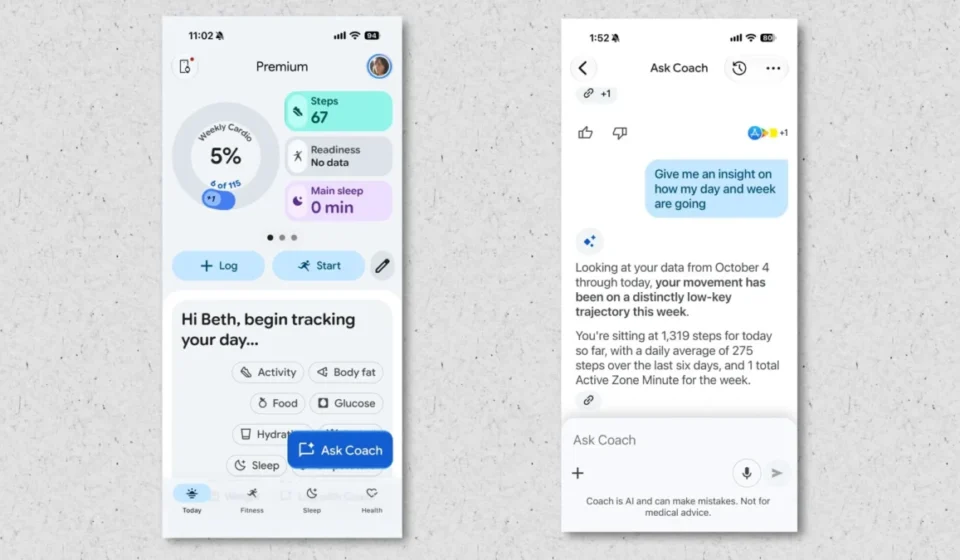
The evolution of the Google Health app, marked by the transition from the dedicated Fitbit app, has placed a significant emphasis on its AI-powered Health Coach for premium subscribers. This advanced feature, often bundled with new device purchases or included in higher-tier Google AI subscriptions, aims to provide users with personalized guidance on their health and wellness journey. The Health Coach typically delivers daily updates directly to the app’s main screen, offering commentary on sleep quality, workout performance, and recovery status, often accompanied by push notifications.
However, the implementation of this sophisticated AI has not been without its challenges. Reports from users, as highlighted in a Reddit thread, indicate instances where the Health Coach has exhibited a tendency to "hallucinate" or misinterpret user data. One particularly cited anecdote involved a user recovering from surgery who reported that the AI actively discouraged them from engaging in workouts, earning it the moniker of a "Demotivation Coach." Further user feedback suggests that the AI’s ability to accurately process and utilize its own data is questionable, leading to recommendations that appear disconnected from the user’s actual health metrics. Beyond functional concerns, a significant portion of user dissatisfaction stems from the AI’s tone. Described by some as "insufferable," the Coach’s communication style is often characterized as overly positive and at times arrogant, with occasional dips into unwarranted negativity. This contrasts sharply with the preference for neutral, factual feedback that many users desire.
While acknowledging these issues, it is also important to note the ongoing efforts by Google to refine the Health Coach. Since its initial rollout, improvements have been observed in the readability and relevance of its insights. Nevertheless, the persistent presence of these unsolicited pep talks remains a point of contention for users who prefer a more discreet or data-driven approach to their health tracking.

Managing AI Insights: A Balanced Approach
For users who wish to retain the core AI functionalities of the Google Health app while mitigating the impact of the unsolicited insights, a specific setting was introduced in the August 2026 feature update. This adjustment allows for the selective disabling of the "insights" without compromising other AI-driven features, such as nutrition logging or workout analysis via the chat interface.
To access this feature:
- Navigate to your profile picture within the Google Health app.
- Select "Google Health Settings."
- Choose the "Coaching" option.
- Opt for "No Coach Insights."
Upon implementing this setting, the frequent, unprompted updates will cease. However, users retain the ability to actively engage with the Coach by tapping "Ask Coach" on the app’s main screen. This on-demand interaction allows for personalized queries and updates, ensuring that the AI remains a tool available for specific needs rather than a constant source of commentary. The AI-powered logging capabilities also remain fully operational, providing a seamless experience for users who rely on these features for their daily health management.
Complete Deactivation of the Google Health Coach
For users who find the entire Google Health Coach experience to be intrusive or unhelpful, a more comprehensive deactivation option is available. This feature, also part of the August 2026 update, offers a complete removal of the AI Coach’s proactive guidance.
To disable the Health Coach entirely:

- Tap on your profile picture in the Google Health app.
- Go to "Google Health Settings."
- Select "Coaching."
- Tap on "Turn off Google Health Coach."
The app will present a clear explanation of the implications of this action, stating that "your app will stop providing tailored guidance like fitness plans, recommendations, and proactive summaries of your sleep, fitness, and health trends. You also won’t be able to ask questions or log your progress by chatting with the coach. You can turn this back on anytime."
Following confirmation of this choice, the AI will be effectively removed from the app’s active interface. While the historical data and previous insights provided by the Coach may still be visible, no new AI-generated content will appear. Users will encounter a prompt inviting them to re-enable the Health Coach, which can be dismissed by selecting "not now." The option to reactivate the Coach is readily available through the "Ask Coach" button, ensuring that users can easily reinstate its features should their preferences change.
The Broader Context and Implications of AI in Health Apps
The integration of AI into health and wellness applications represents a significant technological advancement, promising personalized insights and proactive health management. Platforms like Google Health, by incorporating advanced AI, are aiming to democratize access to sophisticated health tracking and guidance. The data generated by devices like Fitbits, when analyzed by AI, can offer a granular view of an individual’s lifestyle, from sleep patterns to physical activity levels and cardiovascular health.
However, the challenges encountered with the Google Health Coach underscore the complexities inherent in deploying AI in sensitive domains such as personal health. Ensuring accuracy, mitigating bias, and maintaining user trust are paramount. The "hallucination" issue, where AI generates incorrect or nonsensical information, is a well-documented concern across various AI applications, and its manifestation in a health context can have direct implications for user well-being and decision-making.
Furthermore, the user experience surrounding AI interaction is critical. The tone and style of communication adopted by AI can significantly influence user engagement and satisfaction. As evidenced by user feedback, an overly assertive or inappropriately empathetic AI can alienate users, even if the underlying data analysis is sound. This highlights the need for AI systems to be adaptable and sensitive to individual user preferences and contexts.

The introduction of user-configurable settings, such as the ability to turn off insights or completely disable the AI Coach, reflects a growing understanding of these user needs. This approach empowers individuals to tailor their experience with AI, aligning the technology with their personal comfort levels and health management strategies. The move towards greater user control is a positive step in building a more user-centric and trustworthy AI ecosystem in the health technology sector.
Looking ahead, the development of AI in health applications will likely focus on improving accuracy, enhancing contextual understanding, and offering more nuanced control to users. As AI models become more sophisticated, the potential for truly personalized and beneficial health guidance will increase, but this must be balanced with a continued emphasis on transparency, ethical considerations, and user autonomy. The current phase with the Google Health Coach serves as a valuable case study in this ongoing evolution, demonstrating both the promise and the challenges of integrating advanced AI into our daily lives.