Crossref Deepens Engagement and Strengthens Scholarly Connections in Brazil with Landmark São Paulo Community Event

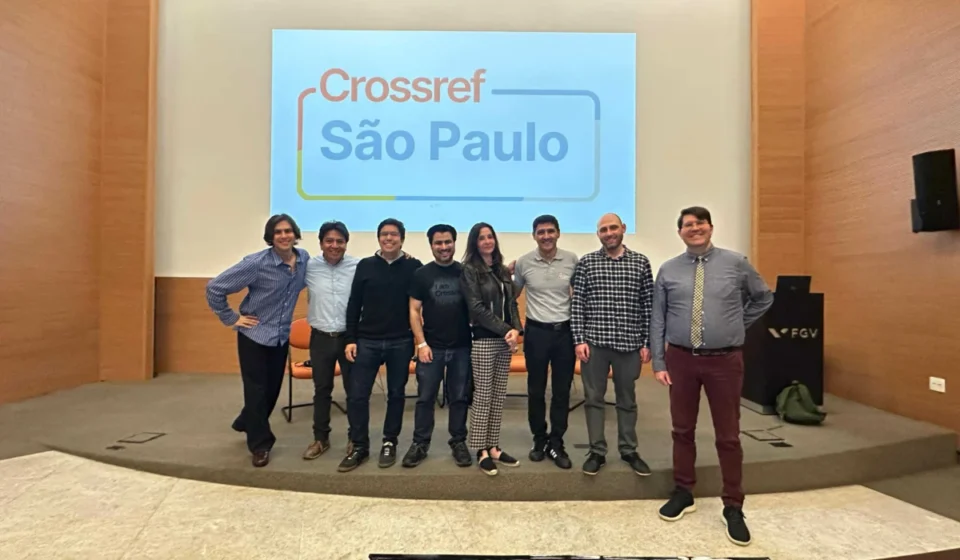
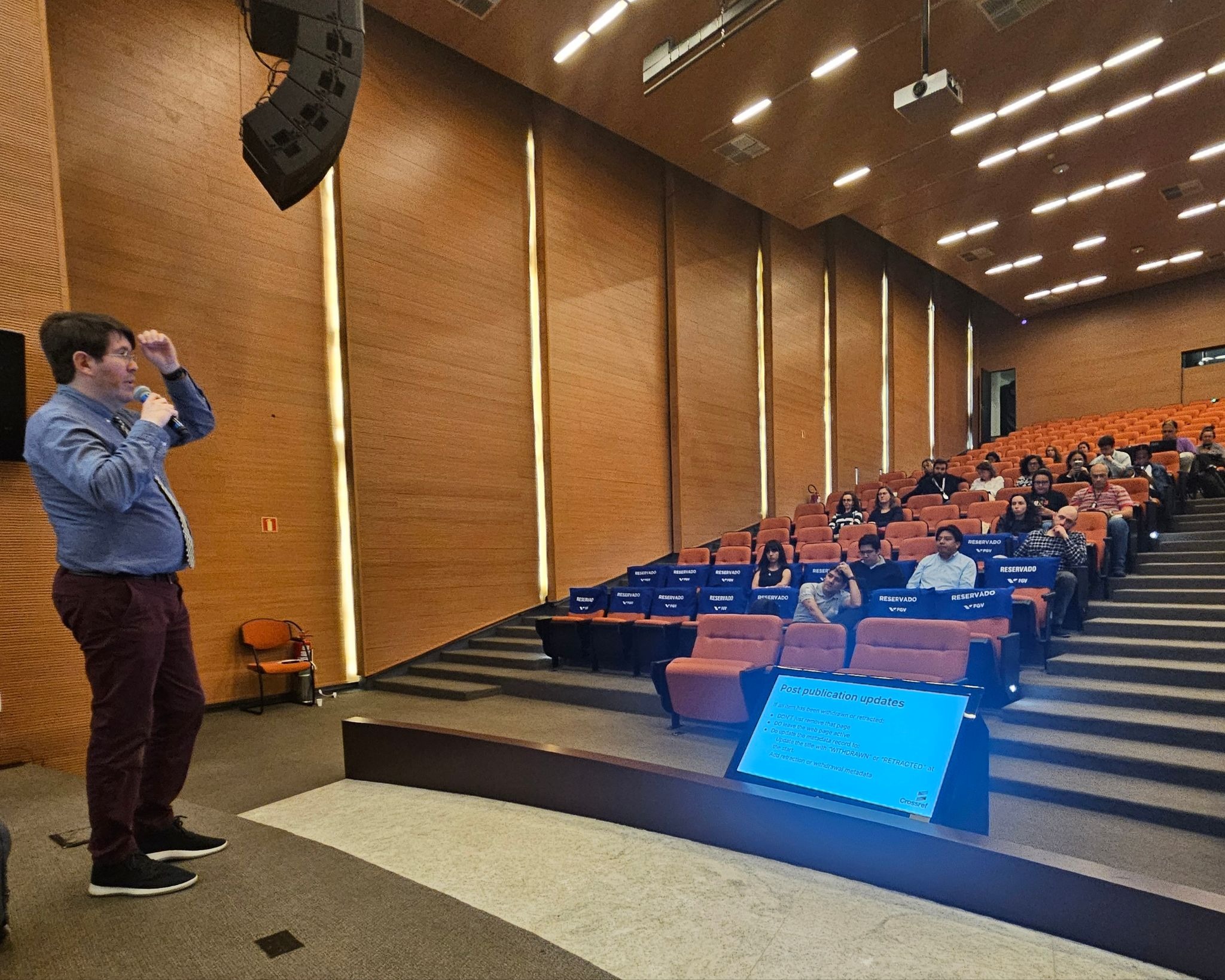
In a significant stride towards fostering global scholarly communication, Crossref successfully hosted a comprehensive community event in São Paulo, Brazil, this March, held at the esteemed Fundacão Getúlio Vargas (FGV). This gathering, marking Crossref’s third official visit to Brazil, underscored the organization’s unwavering commitment to its rapidly expanding Latin American membership, providing a vital platform for direct dialogue, knowledge exchange, and collaborative problem-solving within the region’s vibrant research landscape. The detailed content of the presentations delivered during the event has been made publicly available online, offering a lasting resource for participants and the broader scholarly community.
A Growing Nexus of Scholarly Activity in Latin America
Crossref’s strategic focus on community engagement is intrinsically linked to its mission of making research outputs easy to find, cite, link, and assess through persistent identifiers and open metadata. Events such as the São Paulo forum are instrumental in updating members on the foundational principles and latest developments within Crossref’s services, while simultaneously allowing the organization to attune itself to the diverse and evolving needs of its global communities. This reciprocal exchange is crucial for identifying new avenues for collaboration and enhancing the effectiveness of shared scholarly infrastructure.
The growth of Crossref’s footprint in Latin America has been nothing short of remarkable. The organization currently collaborates with over 3,300 member institutions across the region, with Brazil leading this expansion, boasting more than 1,900 members. This substantial membership base primarily comprises universities, academic societies, and governmental research organizations, followed by libraries and foundations, all actively registering their scholarly works with Crossref. Collectively, Brazilian members have made a monumental contribution of over 2 million open metadata records to the Research Nexus, a testament to the nation’s pivotal role in advancing open science and digital scholarly infrastructure. These contributions significantly enhance the discoverability and interconnectedness of Brazilian research on a global scale, facilitating broader access and utilization of local scientific output.

A Chronology of Engagement: Crossref’s Brazilian Journey
Crossref’s engagement with Brazil is not a recent phenomenon but a carefully cultivated relationship built over several years. The organization’s initial foray into the Brazilian academic ecosystem dates back to 2016, with successful community events held in Campinas and São Paulo. This was followed by a further series of engagements in 2018, which saw Crossref connect with communities in Goiânia and Fortaleza. Each visit has progressively strengthened ties, deepened understanding of regional specificities, and reinforced the commitment to providing tailored support. The latest São Paulo event thus represents a continuation of this strategic, long-term commitment, evolving with the needs and growth of the Brazilian scholarly publishing sector.
Diverse Perspectives and Key Collaborators
The March 3rd event in São Paulo attracted a diverse assembly of 60 attendees, including existing Crossref members, key sponsors, service providers, and active researchers. This eclectic mix ensured a rich tapestry of perspectives and experiences, reflecting the varied ways in which Crossref’s services are utilized across the scholarly ecosystem. A highlight of the gathering was the presence of four distinguished Crossref Ambassadors: Pedro López Casique from Mexico, Juan Felipe Vargas and Nicolás Mejía Torres from Colombia, and Edilson Damasio from Brazil. These ambassadors play a crucial role in extending Crossref’s reach and providing localized support and advocacy. Furthermore, the event benefited immensely from the participation of colleagues from SciELO Brazil, a foundational partner in the Latin American open science movement, whose insights into regional challenges and successes with DOI adoption were invaluable.
The event commenced with a strong emphasis on the critical importance of metadata quality, the fundamental role of Crossref Digital Object Identifiers (DOIs), and best practices for content registration. Discussions illuminated how robust metadata underpins the entire scholarly communication lifecycle, from initial discovery to long-term preservation and accurate citation. Crossref staff provided comprehensive overviews of essential helper tools designed to streamline these processes, including the updated Metadata Manager for efficient record registration and Participation Reports, which offer invaluable insights into metadata completeness and quality.
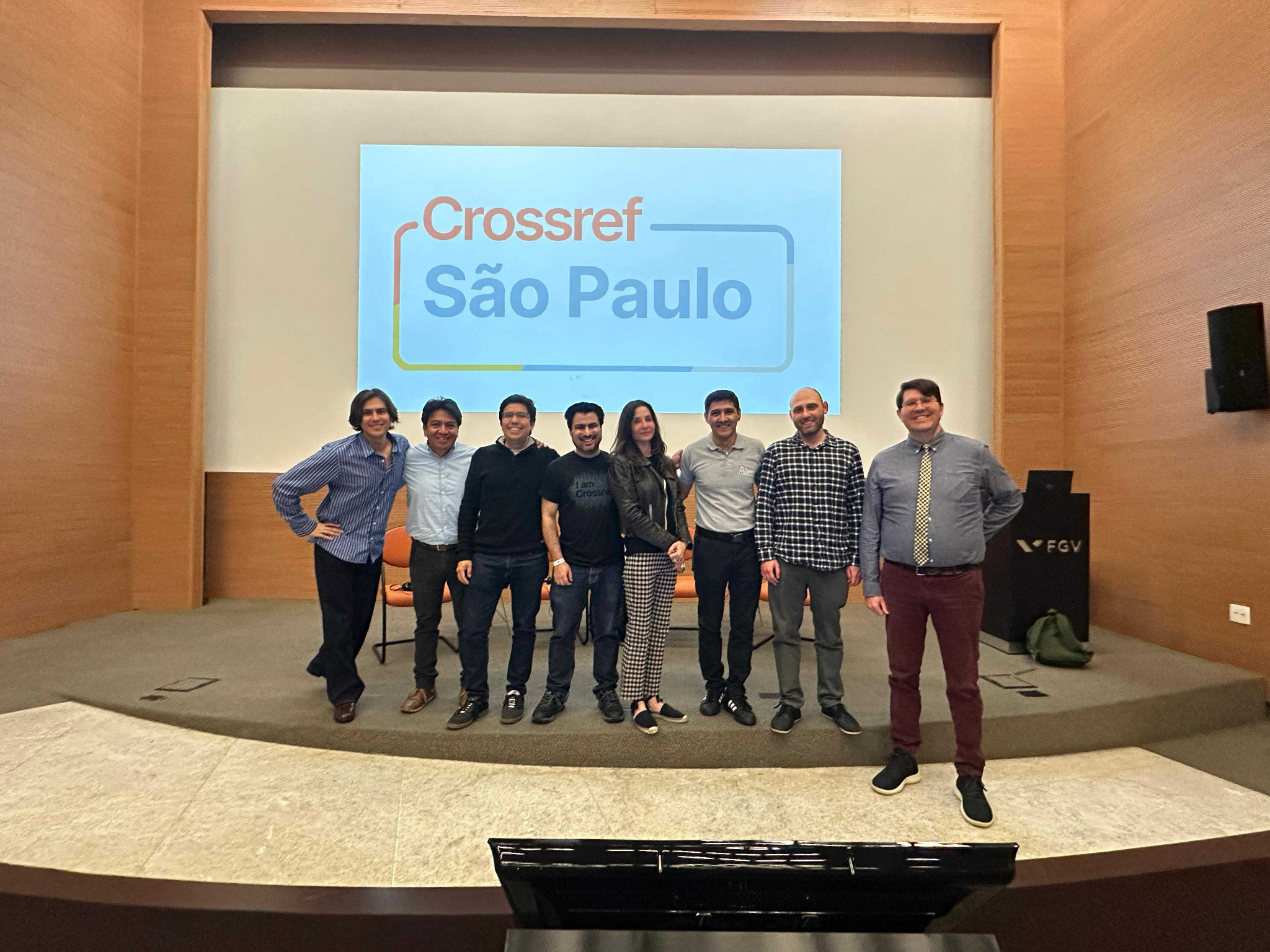
A particularly insightful session was led by Pedro López Casique, who, in addition to his role as a Crossref Ambassador, serves as a Publication Support Specialist with the Public Knowledge Project (PKP). His presentation focused on optimizing workflows within the Open Journals Systems (OJS) platform, which is widely adopted by Crossref members throughout Brazil. López Casique highlighted a significant statistic, noting Brazil’s position as the second-highest global user of OJS-hosted journals. This underscores the profound impact of platforms like OJS in democratizing scholarly publishing and the critical need for seamless integration with identifier services like Crossref.
As the day progressed, the focus shifted to more technical aspects of scholarly infrastructure, encompassing metadata retrieval, the strategic use of metadata for enhanced discoverability and ensuring research integrity, and common pitfalls or errors encountered during the metadata registration process. Roberta Takenaka, a systems developer at SciELO, delivered a compelling presentation on the journey and inherent challenges of adopting DOIs within the extensive SciELO network. Her insights offered a pragmatic view of the complexities involved in integrating persistent identifiers across a large, multi-institutional publishing platform, providing valuable lessons for other regional initiatives.
Fostering Inclusivity Through Trilingual Communication
Recognizing the linguistic diversity of its Latin American community, the São Paulo event was designed as a truly trilingual experience. Presentations were delivered in English, Portuguese, and Spanish, with seamless live interpretation services available to both participants and presenters. This commitment to linguistic accessibility ensured that all attendees could fully engage with the technical content and participate actively in discussions, removing potential barriers to understanding and fostering a more inclusive environment for knowledge exchange. This approach stands as a model for global organizations aiming to serve diverse linguistic communities effectively.
Direct Feedback: Identifying Strengths and Areas for Growth
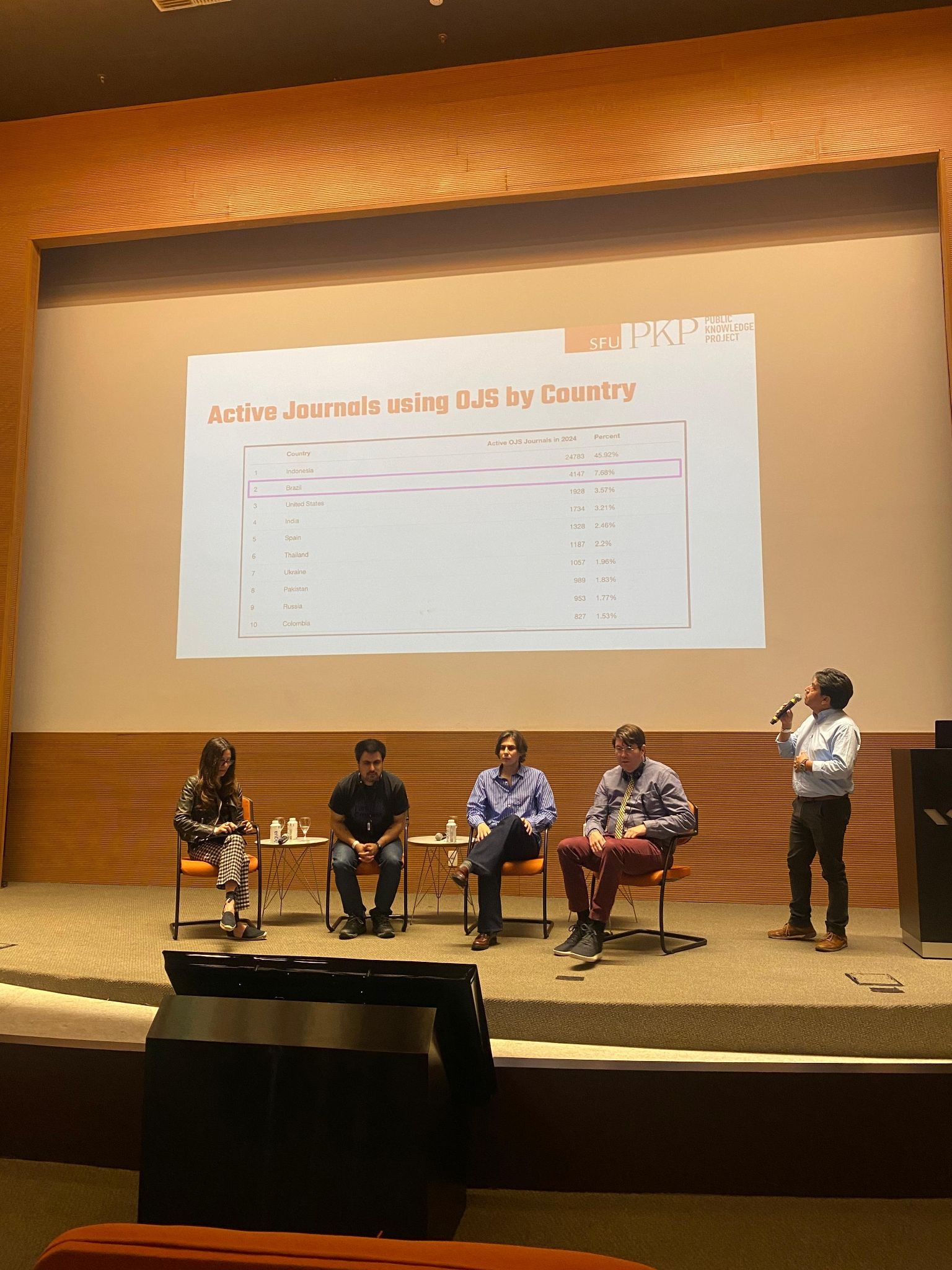
A cornerstone of Crossref’s community events is the dedicated time allocated for direct feedback from attendees. Participants were invited to share their perspectives on the value Crossref brings to their organizations and the challenges they encounter when interacting with its services. The feedback revealed several key benefits consistently cited by members: the persistence and reliability offered by DOIs, Crossref’s overarching commitment to scientific development, the standardization of metadata that facilitates interoperability, and the significant increase in content visibility achieved through Crossref registration. These points affirm the core value proposition of Crossref’s services in strengthening the scholarly ecosystem.
However, the feedback also highlighted critical areas for improvement. The most frequently reported challenge was language, with many participants noting that the predominant use of English in Crossref’s documentation poses a significant barrier to fully utilizing available resources. This feedback underscores the urgent need for expanded multilingual support and documentation, particularly in Brazilian Portuguese, to ensure equitable access to information and tools. Several organizations also raised concerns about the cost associated with Crossref membership and services, suggesting that pricing structures or support programs could be re-evaluated to better accommodate institutions with varying resource capacities. Furthermore, a strong desire was expressed for more localized training opportunities, specifically delivered in Brazilian Portuguese, to enhance practical application and skill development within the community.
Engaging Discussions and Future Directions
The question and answer sessions were vibrant and wide-ranging, covering a spectrum of technical topics from optimizing OJS integrations and interpreting monthly resolution reports to executing bulk metadata updates and implementing Crossmark. These sessions provided invaluable opportunities for attendees to seek clarification, share best practices, and address specific technical hurdles with Crossref staff and ambassadors. The spirit of collaboration extended beyond formal sessions, with animated discussions continuing during coffee breaks as participants shared additional questions, feedback, and insights, further enriching the event’s interactive nature.
Beyond the main presentations, Crossref implemented small group sessions designed to gather targeted feedback on two ongoing projects critical to its future development. Leandro Contreras, Crossref’s new UX researcher, led a dedicated group to collect detailed information on user interactions with the organization’s website. This vital input is directly feeding into Crossref’s website architecture improvement project, aiming to enhance usability and accessibility for its global membership. Concurrently, Luis Montilla, Technical Community Manager, facilitated a group discussion with editors, delving into the intricacies of editorial workflows and their interaction with scholarly metadata. These focused discussions are instrumental in ensuring that Crossref’s tools and services are continually aligned with the practical needs and operational realities of its diverse user base.
A testament to the community’s enthusiasm and dedication to open scholarly infrastructure, many participants extended their engagement by joining Crossref’s Metadata Sprint in the days following the main event. This collaborative workshop provided a hands-on environment for exploring innovative uses of open scholarly metadata, fostering the creation of new tools and solutions that can further enhance the discoverability and utility of research outputs. Such initiatives exemplify Crossref’s commitment to empowering its community to actively shape the future of scholarly communication.
Strengthening Bonds for a Connected Future
These multifaceted events in São Paulo served as a crucial opportunity for Crossref to reconnect with its community, gather essential feedback, develop targeted training and support materials, disseminate information on new developments and resources, and, most importantly, strengthen its enduring connections with members and key collaborators. Ana Marlene Freitas de Morais, former vice-president of the Associação Brasileira de Editores Científicos do Brasil (ABEC Brasil), Crossref’s largest sponsor in Brazil, eloquently articulated the profound importance of such face-to-face collaborations. She stressed that direct, personal interaction is indispensable for fostering genuine engagement and building robust, lasting relationships within the Brazilian scholarly community.
Looking ahead, Crossref is poised to leverage the insights gained from the São Paulo event to refine its strategies and enhance its support mechanisms for the Brazilian and broader Latin American communities. Through its dedicated network of Ambassadors, valued Sponsors like ABEC Brasil, and other strategic partners, Crossref remains committed to nurturing these vital relationships and continually supporting the growth and development of the scholarly ecosystem in Brazil. The generous provision of venue and support personnel by the Fundacão Getúlio Vargas was instrumental to the success of this event, underscoring the collaborative spirit that drives advancements in global scholarly communication. This engagement reinforces the vision of a more interconnected, accessible, and robust global research landscape, with Brazil playing an increasingly prominent role.