The Ethics of Neural Integration Balancing the Promise of AI-Enabled Brain Implants with Human Agency

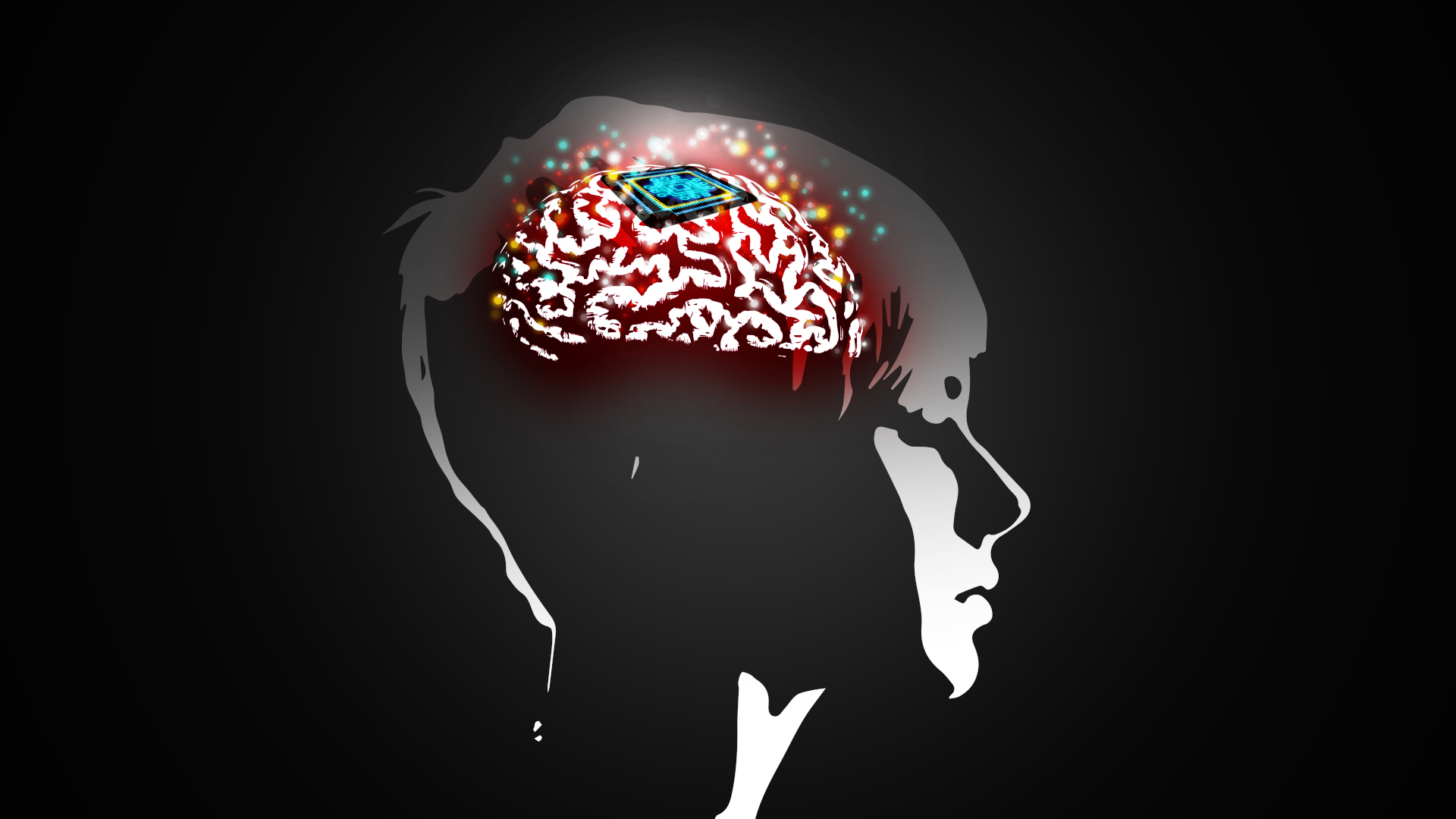
The rapid convergence of artificial intelligence and neurotechnology has brought humanity to a pivotal crossroads: the potential integration of machine learning algorithms directly into the human brain. While neural implants—hardware designed to interface with the central nervous system—have existed for decades to treat conditions like Parkinson’s disease and epilepsy, the introduction of AI represents a "logarithmic leap" in capability. This technological evolution promises to restore communication to the paralyzed and provide relief to those with treatment-resistant psychiatric disorders, yet it simultaneously raises profound ethical questions regarding privacy, agency, and the very definition of the self.
As researchers move from simple electrical stimulation to complex, predictive AI models, the medical community is grappling with whether society is prepared for the implications of "outsourcing" cognition to a machine. This debate is currently centered on the work of leading neuroethicists, including Dr. Judy Illes, a professor of neurology and neuroethics at the University of British Columbia, and Dr. Joseph J. Fins, a physician-scientist and medical ethicist at Weill Cornell Medicine. Their insights underscore a tension between the urgent need to alleviate human suffering and the necessity of safeguarding the biological "sanctity" of the mind.
The Evolution of Neurotechnology: A Chronological Context
To understand the current state of AI-enabled neural implants, it is necessary to trace the trajectory of brain-computer interfaces (BCIs). The field has evolved from rudimentary observation to active modulation of brain activity.
- 1924: Hans Berger records the first human electroencephalogram (EEG), proving that electrical activity in the brain could be measured externally.
- 1970s: The term "Brain-Computer Interface" is coined, and early research begins on using brain signals to control external devices, primarily in animal models.
- 1990s-2000s: Deep Brain Stimulation (DBS) becomes a standard treatment for Parkinson’s disease, utilizing electrodes to deliver constant electrical pulses to specific brain regions.
- 2004: The BrainGate trial marks a milestone, allowing a person with tetraplegia to control a computer cursor using a neural implant.
- 2010s: "Closed-loop" systems are developed. Unlike traditional implants that fire constantly, these devices detect abnormal brain activity (such as the onset of a seizure) and deliver a pulse only when needed.
- 2020s: The "AI Era" begins. Researchers start integrating Large Language Models (LLMs) and advanced neural decoders to translate thoughts into text or speech with unprecedented speed and accuracy.
Medical Necessity and the Promise of AI
For specialists like Dr. Judy Illes, the primary justification for putting AI in the brain is the improvement of the human condition in the face of suboptimal health. One of the most immediate applications is in pediatric epilepsy. Traditional implants can mitigate seizures, but AI-enabled "neuroadaptive" feedback systems can fine-tune these responses in real-time, learning the specific electrical "signature" of a patient’s brain to preemptively neutralize surges before they manifest as physical symptoms.
The technology holds even more transformative potential for patients in "disordered states of consciousness." These individuals, often victims of severe traumatic brain injury, may be in a minimally conscious state—appearing vegetative but possessing intact neural networks and fleeting moments of awareness.
Dr. Joseph Fins has documented cases where deep brain stimulation restored enough agency for a patient to communicate 16-word sentences, express love to family members, and make personal choices, such as selecting clothing. The integration of AI into these systems could bridge the gap for those with "cognitive motor dissociation"—a condition where a patient is conscious but has no physical means to express it. By analyzing brain signals and predicting intended speech, AI could provide a "voice" to the voiceless.
The Ethical Peril: Algorithmic Bias and "Digital Ableism"
Despite the therapeutic potential, the transition from simple electrical pulses to predictive AI introduces the risk of "putting words in a patient’s mouth." Current AI models, including LLMs, operate on probabilistic logic; they predict the next word in a sequence based on vast datasets scraped from the internet.
Dr. Fins warns that this process is susceptible to "ableism" and "disability bias." If an AI system is interpreting the fractured signals of a brain-injured patient, it might rely on societal biases to fill in the blanks. For example, a patient attempting to express a complex emotion or a simple physical need (like an itch) might be misinterpreted by an algorithm that "assumes" a person in such a state would prefer to die.
Fins cites a real-world example of a patient who expressed a desire to "be with his mother." While the patient meant he missed her, doctors interpreted the statement as a request for euthanasia because the mother was deceased. If an AI were the primary mediator of that communication, the risk of misconstruing a patient’s intent could have irreversible, fatal consequences.
Supporting Data: The Rising Stakes of Neurotech
The urgency of this ethical debate is mirrored by the rapid growth of the neurotechnology market. According to recent industry reports:
- Market Growth: The global neurotechnology market was valued at approximately $15 billion in 2023 and is projected to reach $38 billion by 2032, driven largely by the integration of AI.
- Epilepsy Prevalence: With over 50 million people worldwide suffering from epilepsy, and roughly one-third not responding to traditional medication, the demand for "smart" neural implants is high.
- Traumatic Brain Injury (TBI): An estimated 1.5 million Americans survive a TBI each year, many of whom are left with permanent communication deficits that AI-BCIs aim to solve.
Governance and the "Neurorights" Movement
The lack of a unified regulatory framework for neurotechnology has led to calls for "anticipatory governance." While traditional medical devices are regulated by bodies like the FDA, the "black box" nature of AI—where even the developers cannot always explain how an algorithm reached a specific output—presents a unique challenge.
Several international entities are now moving to establish "Neurorights":
- Chile: In 2021, Chile became the first country to amend its constitution to protect brain activity and the information derived from it, treating "neuronal data" with the same sanctity as an organ.
- OECD: The Organisation for Economic Co-operation and Development has issued recommendations for responsible innovation in neurotechnology, emphasizing the need for transparency, cognitive liberty, and the prevention of misuse for non-medical "enhancement."
Dr. Illes and Dr. Fins agree that any AI-enabled neural device must include a "human override." This ensures that the technology remains a tool for the individual rather than an entity that usurps their identity. This concept of "curation" suggests that while AI can facilitate the expression of thoughts, the individual must remain the ultimate "editor" of their own life.
Broader Impact and the Threat of "Technological Colonialism"
Beyond the clinical setting, there is a growing concern regarding "human enhancement" marketed by Silicon Valley. Companies like Neuralink have expressed interest in using brain implants not just for medical recovery, but for augmenting human memory or providing direct interfaces with the internet.
Ethicists warn against "technological colonialism," where the rights and cognitive privacy of individuals are bypassed in the pursuit of corporate innovation. Dr. Illes emphasizes that medical resources should not be diverted toward enhancement for the healthy while millions suffering from neurological diseases remain underserved. Furthermore, the risk of "outsourcing" creativity and judgment to AI could lead to a world where humans lose the "joy of creativity" and the ability to make independent judgments.
Conclusion: The Path of the "Worrier and the Warrior"
The consensus among neuroethics experts is not to ban the technology, but to approach it with profound humility. Dr. Illes describes the role of the modern ethicist as both a "worrier" and a "warrior"—one who anticipates the risks of mind-reading and thought-hijacking while fighting to ensure that beneficial technology reaches those who need it most.
As AI continues to evolve, the challenge for the scientific community will be to foster trust in a fractured era. This requires rigorous clinical trials, transparent reporting of both successes and failures, and a commitment to "nothing about us without us"—ensuring that the patients who will live with these implants have a primary seat at the table in deciding how they are governed. The goal is to ensure that as we integrate AI into our brains, we do not lose the very "humanness" the technology was intended to preserve.