Hybrid Pedagogy and the Evolution of Critical Digital Scholarship: A Decade of Redefining Educational Assessment and Practice

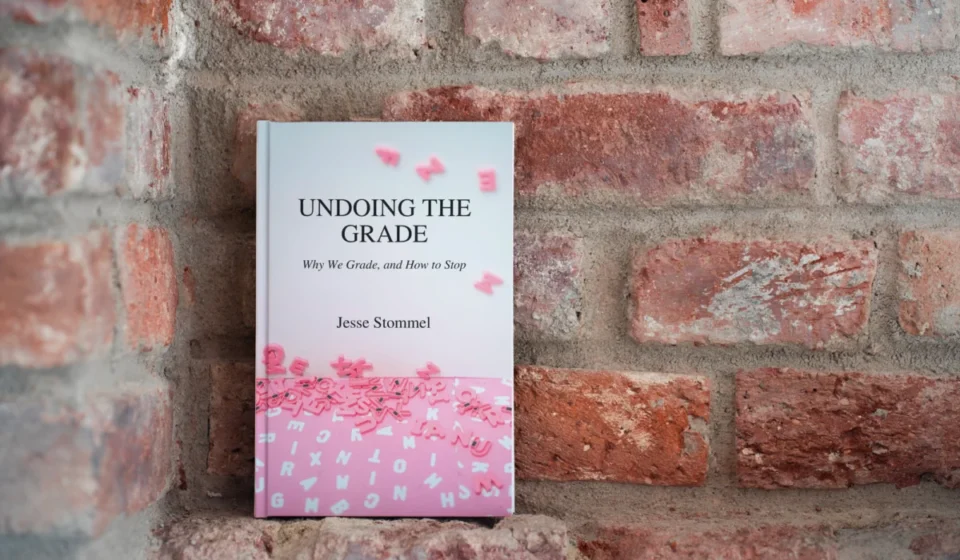
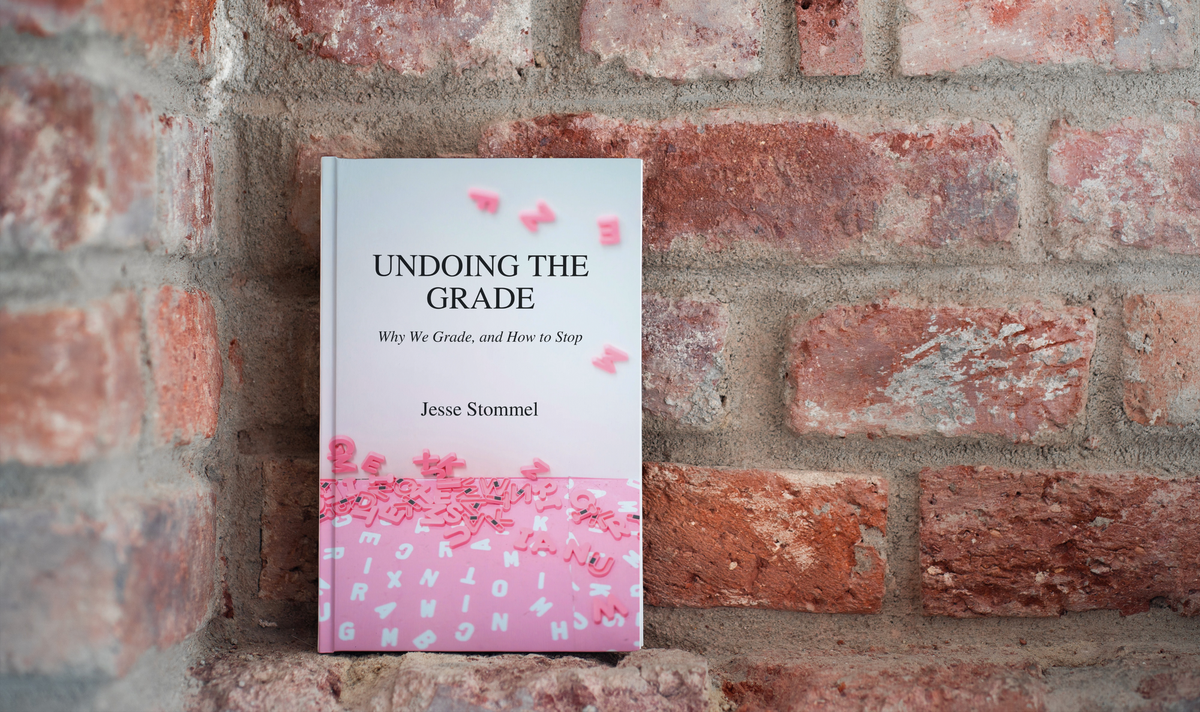
Hybrid Pedagogy, a prominent non-profit digital journal and publishing house, has officially announced a strategic pivot toward long-form scholarship, marking a significant evolution in its decade-long mission to challenge traditional educational paradigms. This transition is headlined by the release of its latest publication, Undoing the Grade: Why We Grade, and How to Stop, authored by Jesse Stommel, the organization’s executive director and a faculty member at the University of Denver. The book represents the culmination of over 20 years of research and pedagogical practice, positioning itself as a seminal text in the growing "ungrading" movement within higher education.
The shift to longer publications follows a productive five-year period for the organization, during which it has released seven print titles. This expansion from short-form digital articles to comprehensive book-length volumes reflects a broader trend in academic publishing where practitioners seek to provide deep-dive analyses of systemic issues in schooling, such as the inherent inequities of traditional assessment and the necessity of care-based instructional design.
The Ungrading Movement and the Release of Undoing the Grade
At the center of Hybrid Pedagogy’s current focus is Jesse Stommel’s Undoing the Grade. The text arrives at a critical juncture for global education, as institutions grapple with the limitations of standardized assessment models that many critics argue prioritize compliance over actual learning. Stommel’s work examines the historical trajectory of grading, its present-day impact on student mental health and equity, and potential futures where assessment is replaced by more "poetic" and humanizing models.
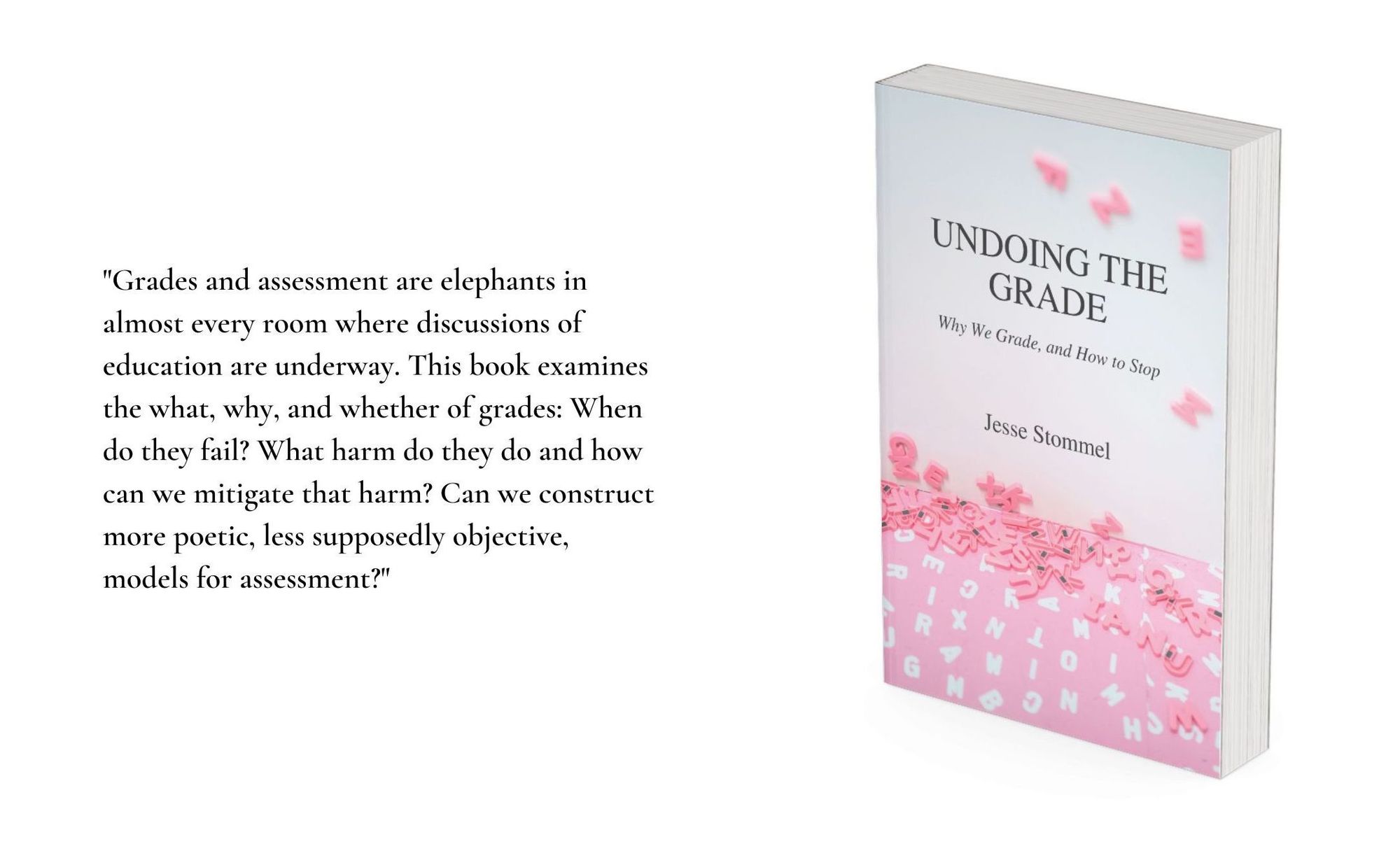
To support the release and foster a community of practice, Hybrid Pedagogy has inaugurated a series of open online office hours. These sessions, which began on September 8 and are scheduled to run through November 10, provide a platform for educators to discuss the book’s themes and refine their own assessment practices. The initiative emphasizes an "open-door" philosophy, allowing participants to engage with the material through introductory essays before committing to the full text.
The "ungrading" philosophy promoted by the book is defined not as a simple cessation of grading, but as a "present participle"—an ongoing process of questioning the systemic nature of grades. This includes identifying how grades often act as barriers to marginalized students and how they can stifle the intrinsic motivation necessary for deep intellectual inquiry.
A Chronology of Hybrid Pedagogy’s Publishing History
The trajectory of Hybrid Pedagogy as a publisher reveals a steady progression from experimental digital formats to established print scholarship. The organization’s history can be categorized into three distinct phases:
- The Foundational Years (2011–2014): Founded as a digital journal in 2011, Hybrid Pedagogy initially focused on short-form articles that blurred the lines between blog posts and peer-reviewed scholarship. In 2014, the organization began experimenting with digital book series, laying the groundwork for more sustained arguments.
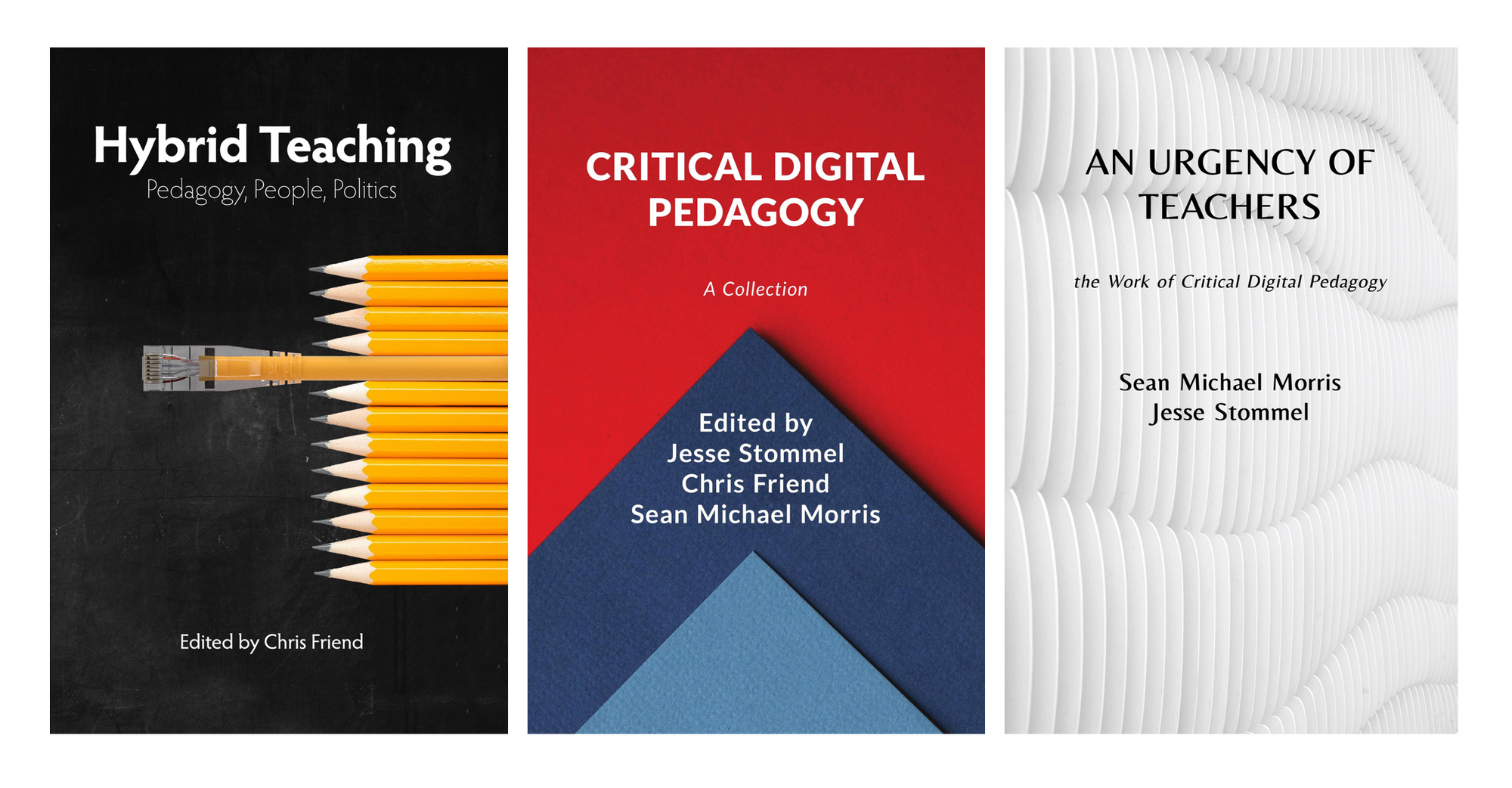
- The Transition to Print (2018–2019): In 2018, the organization published its first print volume, An Urgency of Teachers: The Work of Critical Digital Pedagogy, co-authored by Sean Michael Morris and Jesse Stommel. With a foreword by noted educational historian Audrey Watters, the book established Hybrid Pedagogy as a serious contender in the field of critical digital pedagogy.
- The Rapid Expansion Phase (2020–2023): Over the last five years, the catalog has expanded to include seven print titles. This period saw the publication of Critical Digital Pedagogy: A Collection (2020), which was the first peer-reviewed book centered specifically on the theory and practice of the field. This was followed by titles addressing the unique challenges of the COVID-19 pandemic, such as Hybrid Teaching: Pedagogy, People, Politics.
Analysis of the Catalog: From Instructional Design to Narrative Scholarship
Hybrid Pedagogy’s current catalog is characterized by a commitment to "narrative scholarship" and voices from the margins. Unlike traditional academic publishers that may prioritize high-citation counts from established voices, Hybrid Pedagogy emphasizes the "ethos of dialogue."
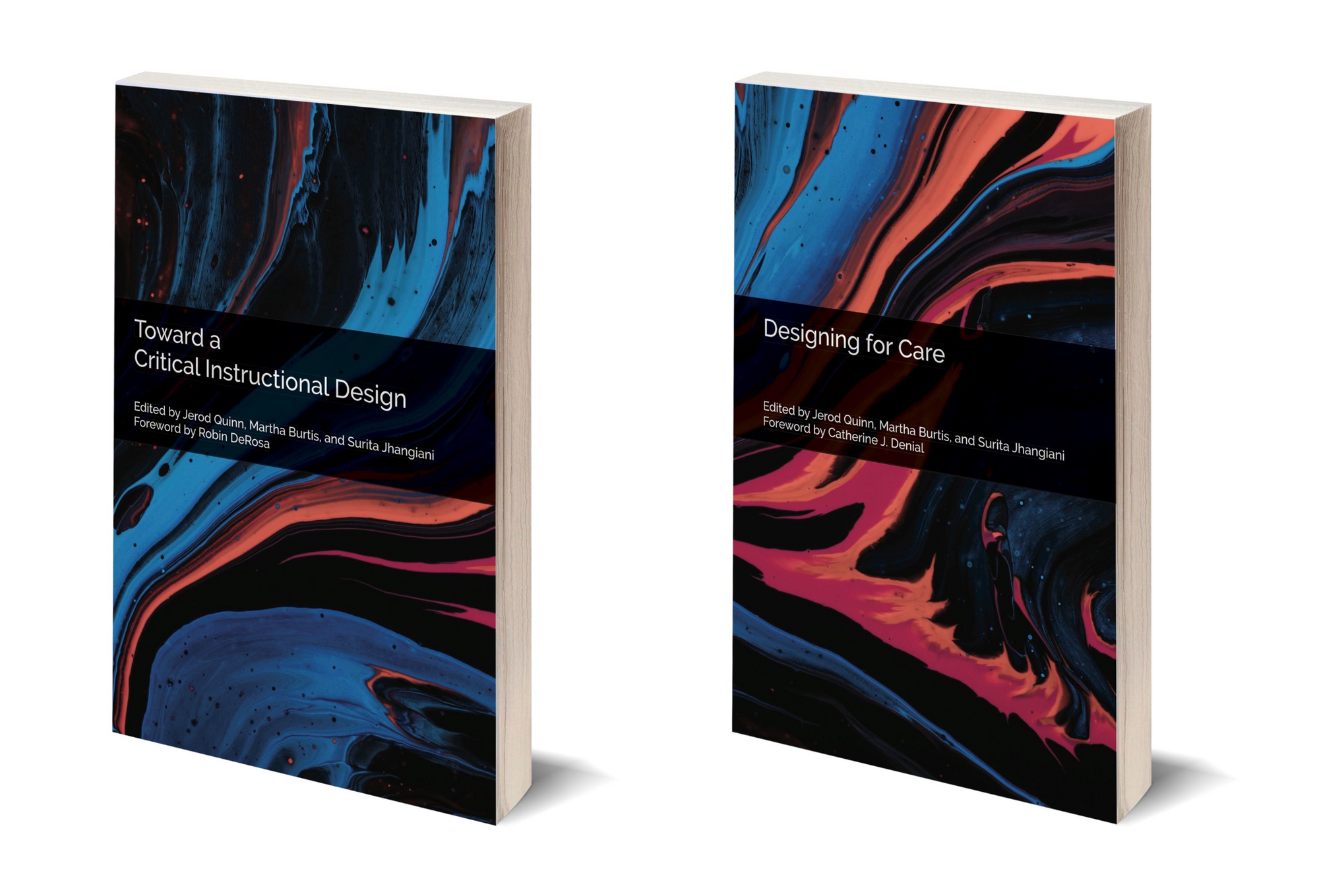
One of the most significant recent additions to the catalog is the "sibling" collection: Toward a Critical Instructional Design and Designing for Care. Edited by Jerod Quinn, Martha Burtis, and Surita Jhangiani, these volumes were born from a 2021 call for chapters that sought to reimagine instructional design (ID) in the wake of the global pandemic. The editors argued that the COVID-19 crisis exposed fundamental flaws in ID practices that failed to account for the human needs of students and teachers. Together, these books offer a "problem-posing" approach to educational design, advocating for models that prioritize empathy and accessibility.
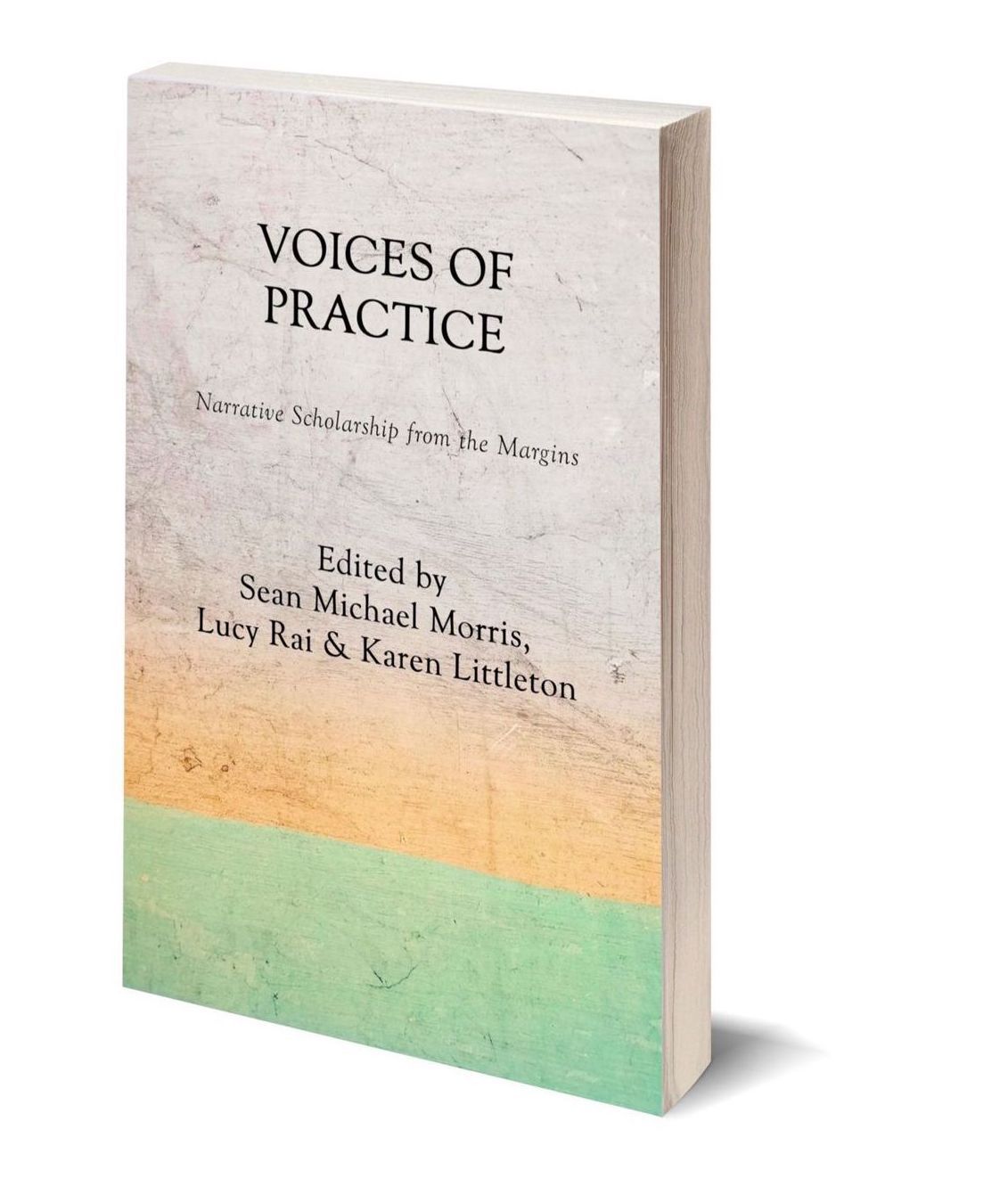
Another cornerstone of the catalog is Voices of Practice: Narrative Scholarship from the Margins. Edited by Sean Michael Morris, Lucy Rai, and Karen Littleton, this volume features a foreword by Maha Bali. The book draws inspiration from scholars such as bell hooks and Paulo Freire, utilizing personal reflections and vignettes to challenge what it means to be an "academic." By focusing on practitioners who may not traditionally see themselves as scholars, the book aims to bridge the gap between classroom practice and theoretical publishing.
Financial Model and Open Access Implications
As a non-profit entity, Hybrid Pedagogy utilizes a unique financial model designed to maximize accessibility. All publications are available in three formats: print, ebook, and open-access. While print and ebooks are sold through traditional online retailers, the open-access versions are offered on a "pay what you can" basis.
This model serves several functions:

- Democratization of Knowledge: By providing open-access versions, the organization ensures that educators in underfunded institutions or developing nations can access high-level pedagogical research without financial barriers.
- Sustainability: Proceeds from book sales and voluntary donations are funneled directly back into the Hybrid Pedagogy Non-profit, supporting the editorial and hosting costs of the journal.
- Ethical Alignment: The model aligns with the "critical" aspect of their pedagogy, which often critiques the commercialization of education and the "paywalling" of academic research.
Supporting Data: The Historical and Psychological Context of Grading
The urgency behind Hybrid Pedagogy’s focus on ungrading is supported by a growing body of educational data. The traditional A–F grading system, which gained prominence in the late 19th century following the industrialization of education, was originally designed to sort students for the labor market rather than to measure individual growth.
Modern psychological research suggests that grades can have several negative effects:

- Motivation: Studies in educational psychology frequently show that grades can diminish intrinsic interest in a subject. When students focus on the "reward" of the grade, their willingness to take intellectual risks often decreases.
- Equity Gap: Data indicates that traditional grading practices often mirror existing socio-economic inequities. Students with fewer resources at home are more likely to receive lower grades, which then limits their future opportunities, creating a cycle of disadvantage.
- Mental Health: The correlation between high-stakes grading and increased anxiety among students has been well-documented in recent years, particularly in post-secondary environments.
By publishing Undoing the Grade and hosting community office hours, Hybrid Pedagogy is positioning itself as a leader in the movement to address these data-driven concerns through practical, classroom-based solutions.
Broader Impact and Future Outlook
The influence of Hybrid Pedagogy extends beyond the pages of its books. Through its focus on "Critical Digital Pedagogy," the organization has helped define a field that views technology not as a neutral tool, but as a space where power dynamics, politics, and human rights are constantly at play. This is evident in their 2020 collection, which features a foreword by Ruha Benjamin, a leading scholar on the intersection of race and technology.

The organization continues to solicit new ideas for books and edited collections, suggesting that its expansion into long-form media is only beginning. As higher education enters an era defined by artificial intelligence and increasing digital surveillance, the work of Hybrid Pedagogy in advocating for "radical care" and "humanizing approaches" appears more relevant than ever.
In conclusion, Hybrid Pedagogy’s transition to a robust book-publishing house represents a maturing of the critical digital pedagogy movement. By combining rigorous peer-reviewed scholarship with an open-access, non-profit ethos, the organization is providing a necessary counter-narrative to the increasingly corporate and data-driven trends in modern education. Its latest focus on ungrading and care-based design serves as both a critique of the status quo and a practical roadmap for educators seeking to transform their classrooms into more equitable and compassionate spaces.