
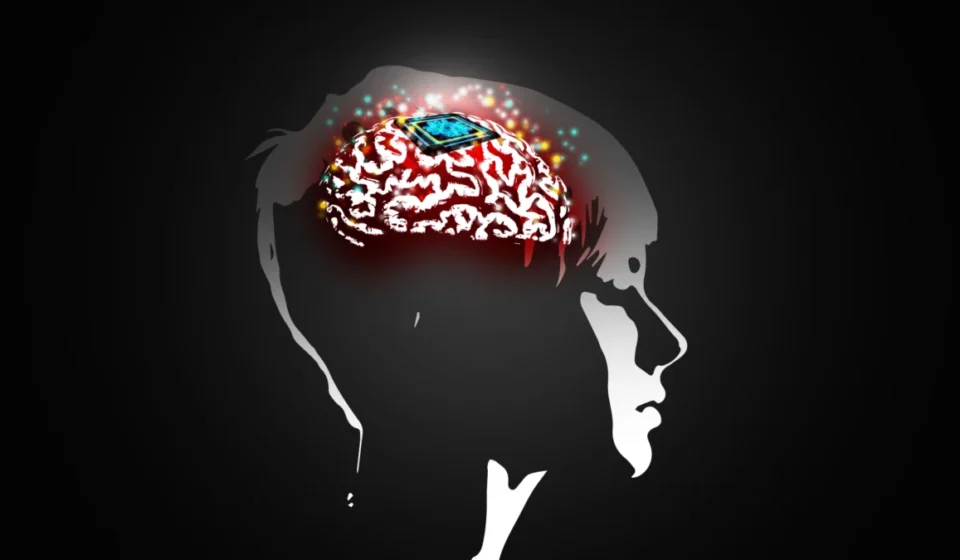
The Ethics of the Mind Navigating the Integration of Artificial Intelligence into Human Neural Implants

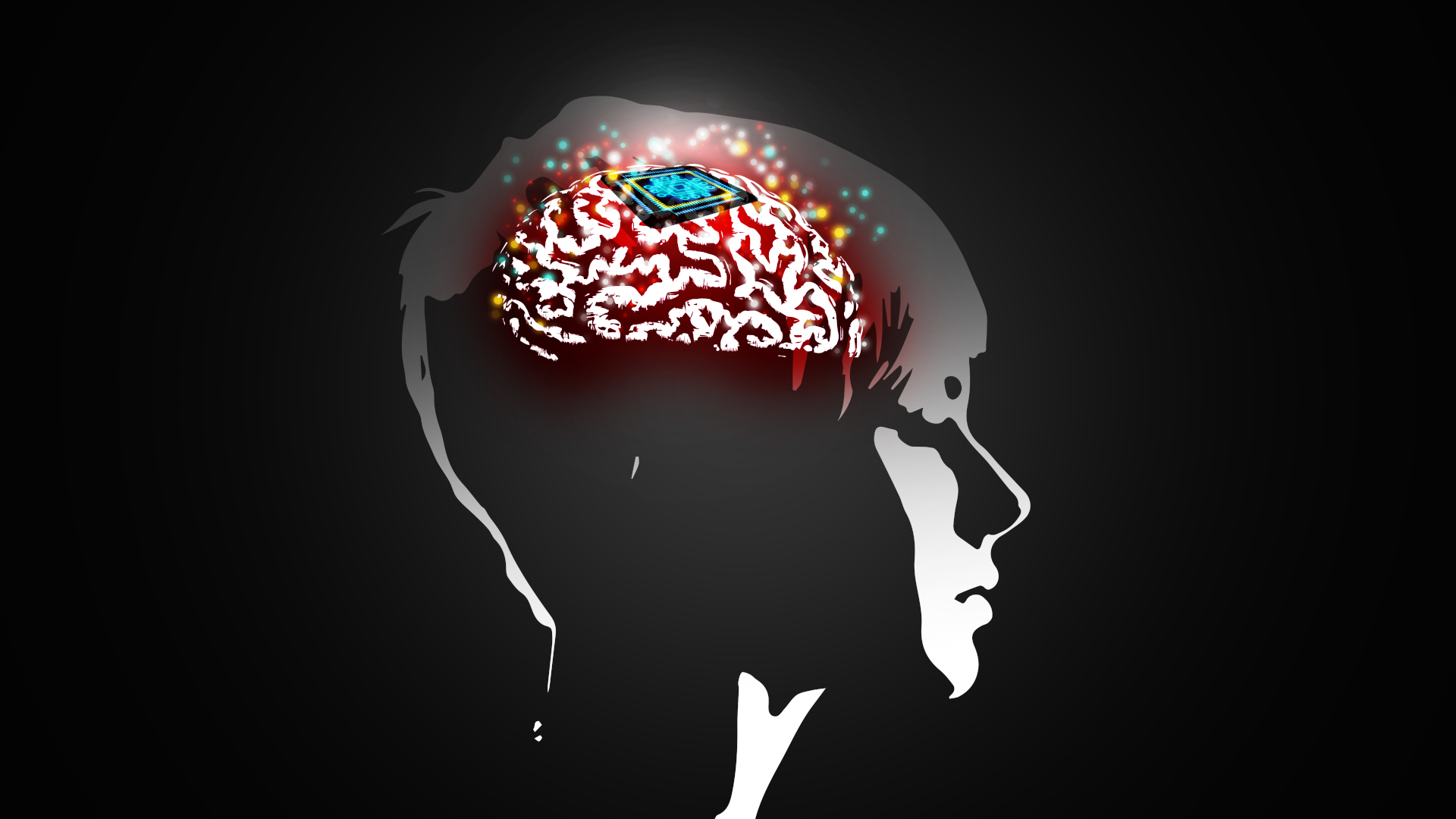
The intersection of neuroscience and artificial intelligence has reached a critical juncture as researchers and ethicists debate the deployment of machine learning within neural implants to treat complex neurological and psychiatric conditions. While the concept of placing artificial intelligence (AI) directly into the human brain was once the exclusive domain of science fiction, it is now an active field of medical research. This technological evolution promises to restore communication to the paralyzed and provide relief for treatment-resistant epilepsy, yet it simultaneously raises profound questions regarding human agency, the nature of consciousness, and the potential for algorithmic bias to "hijack" the human spirit.
At the center of this debate are two leading figures in neuroethics: Judy Illes, a professor of neurology and neuroethics at the University of British Columbia, and Joseph J. Fins, a physician-scientist and medical ethicist at Weill Cornell Medicine. Their perspectives, recently highlighted in the scientific discourse, represent a nuanced divide between the "technological hawks" who see AI as a necessary evolution of medicine and the "anticipatory governors" who fear the technology may outpace our ability to regulate it.
The Evolution of Neural Implants and the AI Paradigm Shift
Neural implants, or Brain-Computer Interfaces (BCIs), have been used in various forms for decades. Deep Brain Stimulation (DBS), for instance, has long been a standard treatment for Parkinson’s disease and certain types of tremors. Traditionally, these devices functioned like pacemakers for the brain, delivering consistent electrical pulses to specific regions to regulate activity. However, the integration of AI represents a fundamental shift from static devices to "closed-loop" systems that can sense, interpret, and respond to brain activity in real time.
The primary driver for AI integration is the sheer complexity of neural data. The human brain contains approximately 86 billion neurons, and the electrical signals they produce are "noisy" and difficult to decode. Machine learning algorithms, particularly Large Language Models (LLMs) and predictive signal processors, excel at identifying patterns within this noise. For a patient with a spinal cord injury, AI can help translate the intention to move a limb into a digital command for a robotic arm with far greater accuracy than previous technologies.
According to market research data, the global Brain-Computer Interface market was valued at approximately $1.9 billion in 2022 and is projected to grow at a compound annual growth rate (CAGR) of over 17% through 2030. This growth is fueled by an increasing prevalence of neurological disorders, including epilepsy, which affects roughly 50 million people worldwide, and the growing investment from private entities such as Elon Musk’s Neuralink and Synchron.
Clinical Applications and the Quest for Human Agency
The most immediate and less controversial application of AI-enabled neurotechnology is in the management of pediatric epilepsy. Dr. Judy Illes points to this as "low-hanging fruit" for the industry. In these cases, AI is used to detect the early electrical signatures of a seizure before it physically manifests. The device then triggers a counter-pulse to abort the seizure. Because the AI is focused on a specific physiological event rather than interpreting "thoughts," the ethical risk is perceived as minimal.
However, the ethical landscape shifts dramatically when the technology is applied to patients in disordered states of consciousness, such as those in a "minimally conscious state" or those experiencing "locked-in syndrome." Dr. Joseph Fins has spent much of his career working with patients who appear unresponsive but possess intact neural networks. In one landmark study, a patient who could only communicate via eye movements was given a DBS implant. The intervention allowed him to speak in full sentences and regain enough agency to choose clothing at a retail store—a profound restoration of personhood.
The dilemma arises when AI is used to facilitate this communication. If a patient’s brain signal is weak or ambiguous, an AI might use probabilistic "autofill" to complete a sentence. Dr. Fins warns that this could lead to "putting words in a patient’s mouth." If an AI trained on the internet—a repository rife with ableism and disability bias—interprets a patient’s signal as "I want to die" when the patient actually intended to say "I want to go outside," the consequences could be catastrophic.
A Chronology of Neurotechnology Milestones
The path toward AI-enabled brains has been built over a century of discovery:
- 1924: Hans Berger records the first human Electroencephalogram (EEG), proving that the brain produces electrical activity.
- 1987: The first Deep Brain Stimulation (DBS) procedure is performed to treat tremors, marking the beginning of invasive neural modulation.
- 1998: Researcher Philip Kennedy implants the first BCI into a human patient with locked-in syndrome, allowing them to move a computer cursor with their mind.
- 2006: The BrainGate clinical trials demonstrate that humans can control external devices using only neural signals decoded by computers.
- 2020-Present: The integration of Generative AI and LLMs begins. Companies successfully demonstrate BCIs that can decode speech at speeds approaching natural conversation (up to 60-150 words per minute).
The "Black Box" Problem and the Risk of Algorithmic Bias
One of the most significant technical and ethical hurdles is the "black box" nature of advanced AI. In many machine learning models, even the developers cannot fully explain how the algorithm reached a specific conclusion from a given set of data. When this opacity is introduced into a medical device implanted in the human cranium, it creates a "delegation of authority" that concerns many ethicists.
Dr. Fins argues that the risk of "outsourcing yourself" to an entity that does not truly represent you is the primary concern. "AI only knows what we currently know," Fins notes, suggesting that the creative and spontaneous nature of human thought could be stifled if we begin to rely on predictive algorithms to mediate our internal lives.
Furthermore, there is the issue of "neurorights." As these devices move from medical necessity to potential human enhancement—a goal often cited by Silicon Valley entrepreneurs—the privacy of one’s thoughts becomes a legal frontier. In 2021, Chile became the first country in the world to pass a "neurorights" law, amending its constitution to protect brain activity and the information derived from it as a fundamental human right.
Consensus and Divergence in the Scientific Community
Despite their differing levels of caution, both Illes and Fins agree on several foundational principles for the future of neuro-AI:
- Human Override: There must always be a mechanism for the individual to override the AI’s output. If a device predicts a word or action, the user must have the final "veto" power.
- Medical Priority: Resources should remain focused on treating severe suffering and disease rather than diverting attention to elective human enhancement for the wealthy.
- Curation and Editing: The process of using AI to communicate should be seen as a collaboration between the human and the machine, similar to the relationship between a journalist and an editor.
- Cultural Sensitivity: Neurotechnology must be developed with an understanding of diverse cultural values regarding the mind and body.
Dr. Illes remains more optimistic about the integration, viewing AI as another "cog in the wheel of human innovation," comparable to the discovery of fire or the invention of the wheel. She posits that as long as the device can be "thrown in the garbage"—meaning it remains an external instrument rather than a sentient part of the person—humanity remains intact.
Broader Impact and the Future of the "Human Condition"
The debate over AI in our brains is ultimately a debate about what it means to be human. If we allow algorithms to filter our perceptions or articulate our desires, we risk altering the very essence of the "self." However, for the millions of people suffering from paralyzing neurological conditions, the risk of a "probabilistic hallucination" by an AI may be a small price to pay for the ability to tell a loved one "I love you."
As the technology progresses, the scientific community is calling for "anticipatory governance"—a framework of regulations and ethical guidelines established before the technology becomes ubiquitous. This includes rigorous clinical trials, transparency in algorithmic training data, and a global dialogue involving disability rights advocates.
The "Wild West" era of neurotechnology is likely drawing to a close as regulatory bodies like the FDA and international bioethics committees begin to grapple with these devices. Whether we are "worriers" or "warriors" in this new frontier, the integration of AI into the human brain appears inevitable. The challenge for the next decade will be ensuring that as we enhance the brain’s capabilities, we do not diminish the soul’s autonomy. In the words of the experts, we must remain humble in the face of the brain’s complexity, ensuring that our instruments remain our servants, and never our masters.