
The Return of Measles: CDC Data Release and the Looming Loss of United States Elimination Status

The Centers for Disease Control and Prevention (CDC) has begun the public release of a significant cache of advanced genetic data regarding measles viruses that circulated across the United States throughout the previous year. This long-awaited transparency comes at a critical juncture for American public health, as researchers and epidemiologists prepare to determine if the nation has officially lost its hard-won status as a country that has eliminated the disease. Scientists familiar with the ongoing genomic operations anticipate that a surge of additional data will be published in the coming weeks, providing the definitive evidence needed to assess whether measles is once again endemic within U.S. borders.
The data release follows months of internal delays at the CDC, where a workforce significantly diminished by mass layoffs and high-profile resignations has struggled to process the influx of viral samples. The publication of the first batch of whole measles genomes—the comprehensive genetic blueprints of the virus—marks a shift in the agency’s output. Kristian Andersen, an evolutionary virologist at the Scripps Research Institute, noted that while the initial delay was concerning, the technical pipeline appears to be stabilizing. He suggested that the flow of information should now proceed at a more rapid cadence, potentially allowing for a comprehensive analysis of the 2025 outbreaks by mid-April, provided the process remains free from political interference.
The Significance of Genomic Sequencing and Elimination Status
The primary objective of analyzing these whole genomes is to determine the nature of recent outbreaks. Since 2000, the United States has been classified by the World Health Organization (WHO) and the Pan American Health Organization (PAHO) as having "eliminated" measles. This status does not mean the disease is non-existent; rather, it means that there is no continuous, year-long transmission of the virus within the country. Under the current framework, cases are typically expected to originate from international travelers who introduce the virus to local communities.
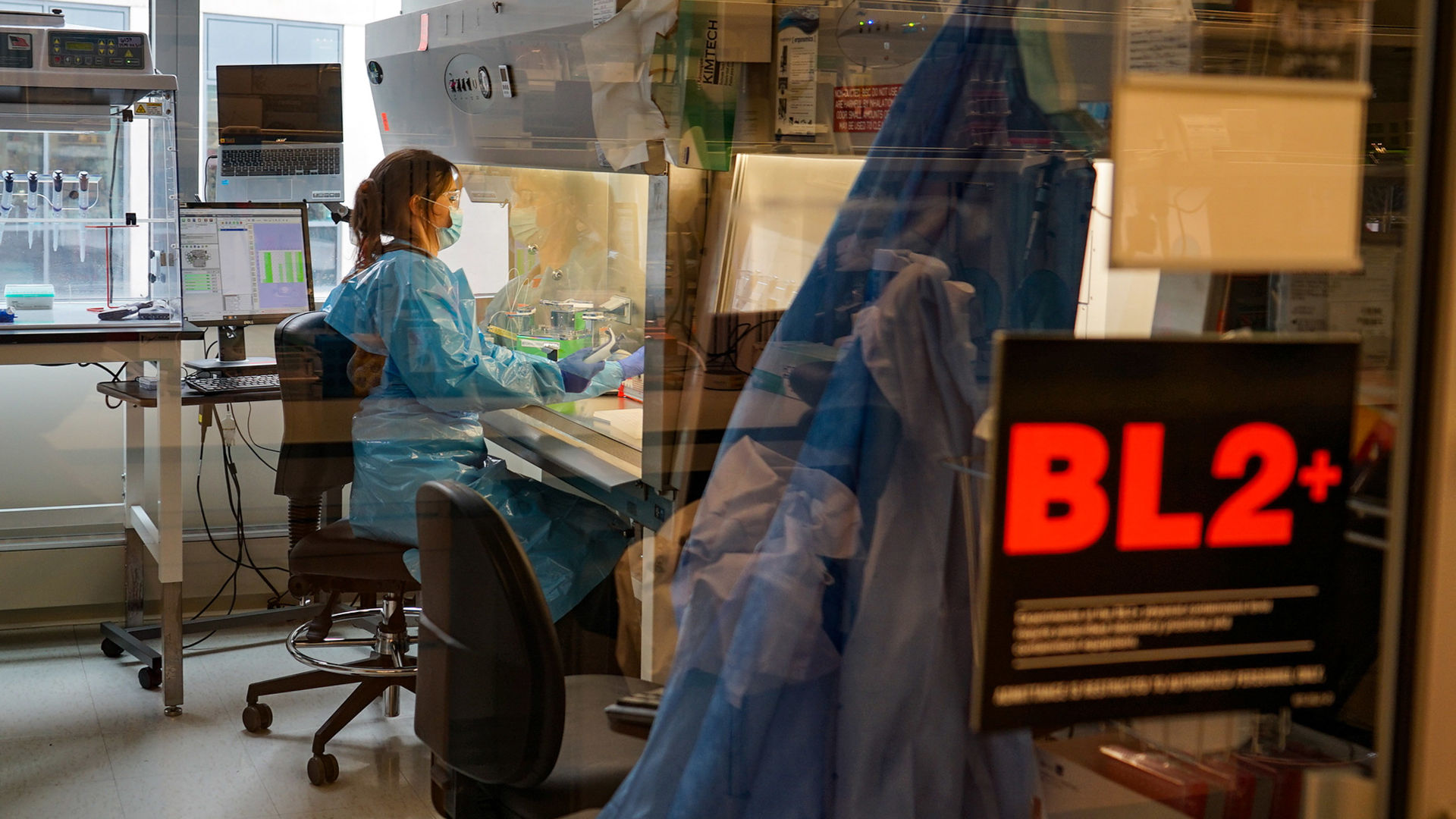
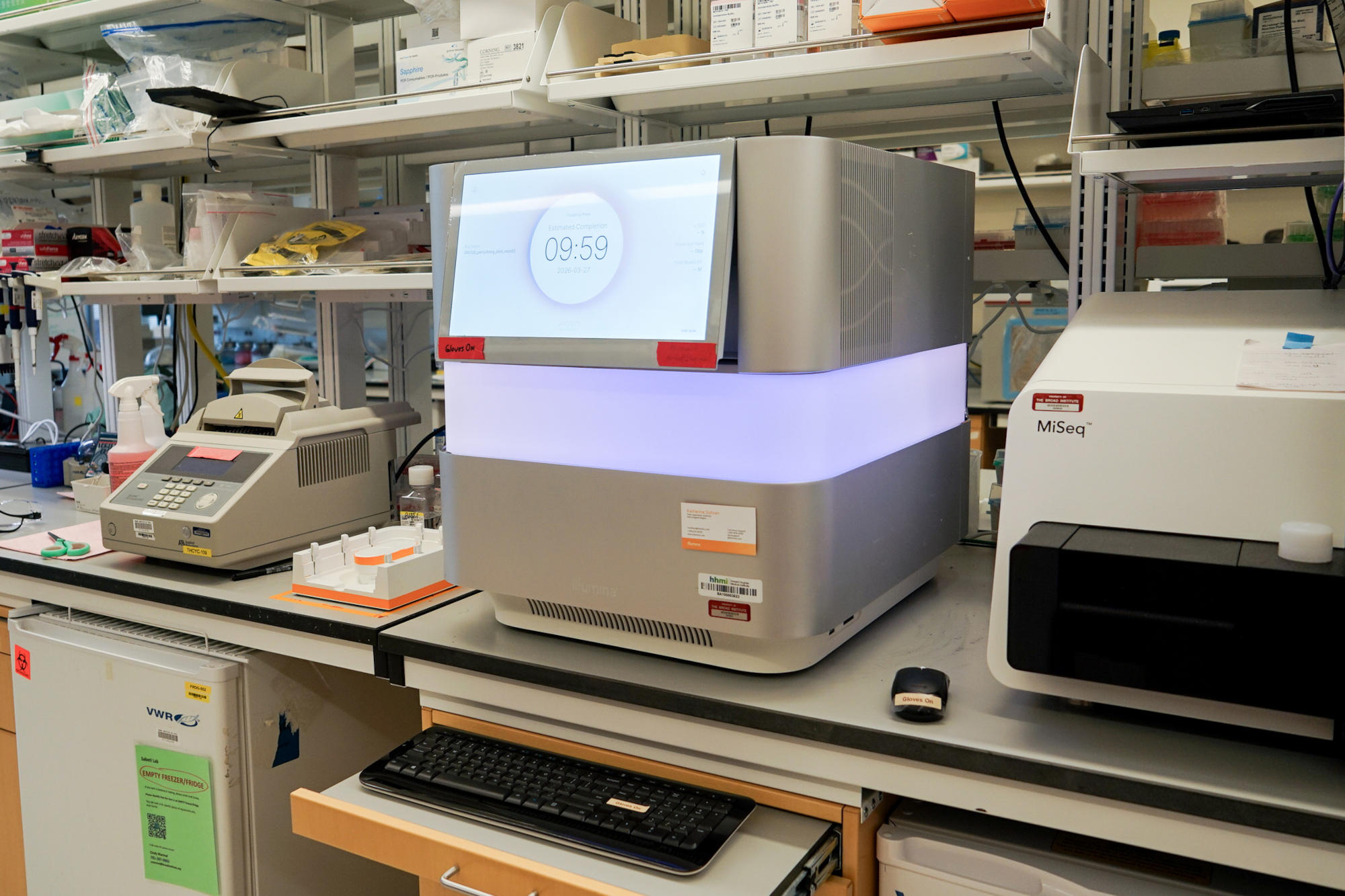
However, if the genomic data reveals that the same viral strain has been circulating uninterrupted within the U.S. for more than 12 months, the country will lose its elimination status. This would represent a historic setback for American medicine. Whole genome sequencing (WGS) is the "gold standard" for this determination. Unlike older methods that looked at small snippets of genetic material, WGS allows scientists to track minute mutations that occur every two to four transmissions. By mapping these mutations, researchers can distinguish between a single, sustained chain of transmission and multiple, separate introductions from abroad.
The D8-9171 strain of the measles virus has been a primary focus of recent investigations. This variant was responsible for major outbreaks in Texas, Utah, and South Carolina. Because D8-9171 is also prevalent in Canada and Mexico, the CDC must prove that the cases in various states were linked to one another through domestic spread rather than being independent importations from neighboring countries.
A Chronology of the 2025-2026 Measles Resurgence
The current crisis follows a steady decline in national vaccination rates and a rise in vaccine hesitancy. For over two decades, the U.S. maintained high coverage with the measles-mumps-rubella (MMR) vaccine, which is nearly 97% effective after two doses. However, recent years have seen a convergence of factors that fueled the worst measles year in over three decades.
In early 2025, several localized clusters rapidly expanded into statewide outbreaks. By the end of the year, the CDC recorded at least 2,285 cases across 44 states. The momentum of the virus has not slowed in the new year; as of late March 2026, there have already been 1,575 confirmed cases, putting the U.S. on a trajectory to surpass the previous year’s record.

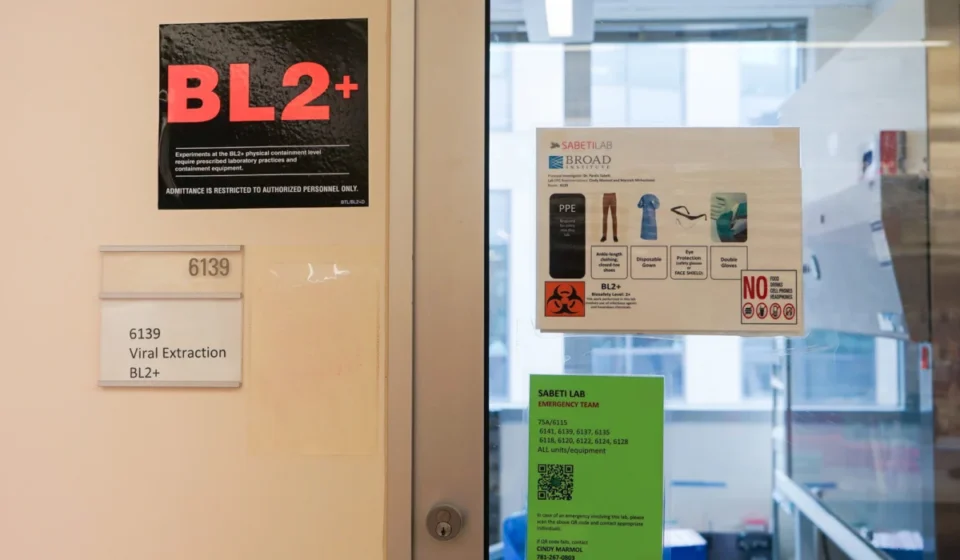
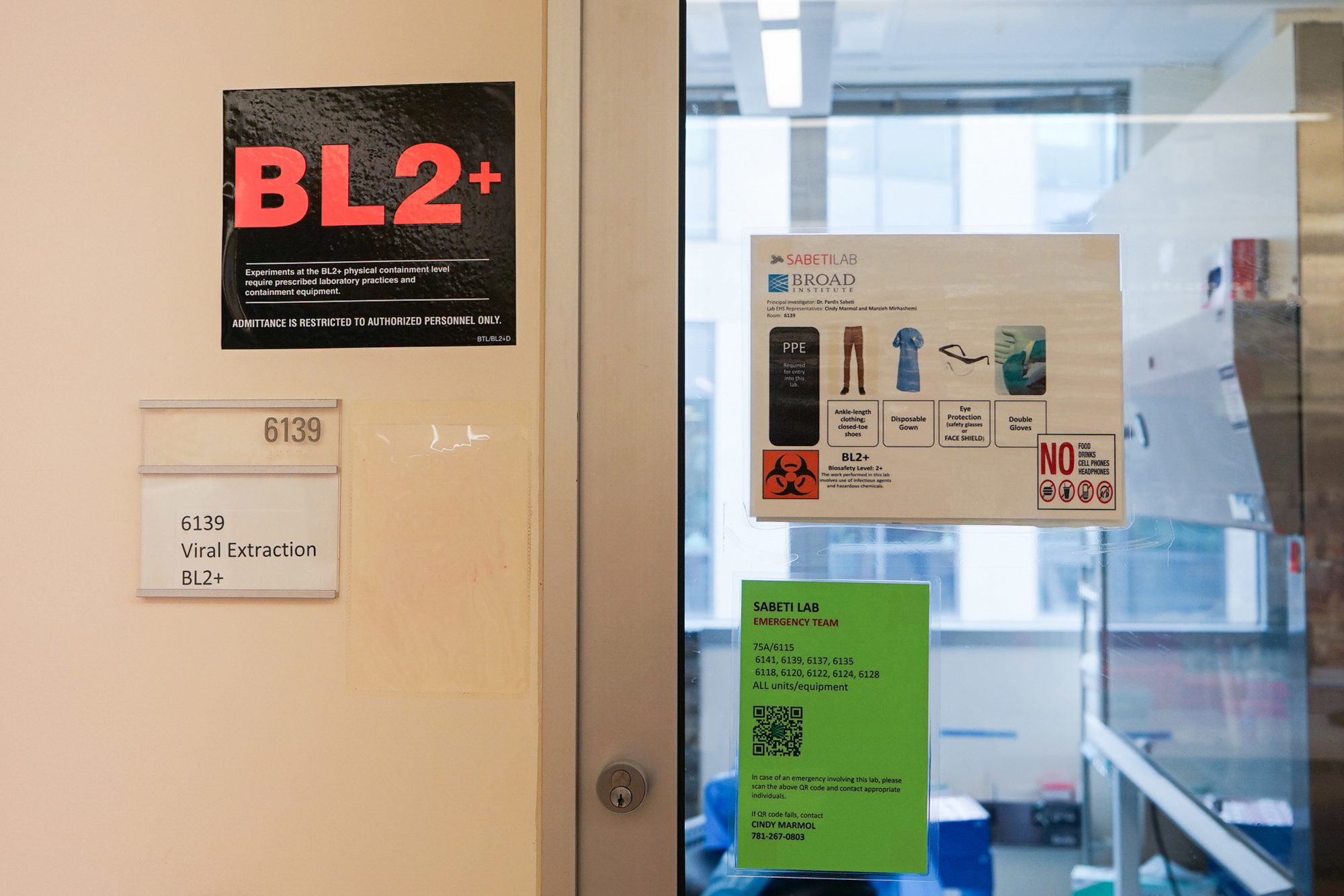
The timeline of the CDC’s data management has also drawn scrutiny. In December 2024, the CDC enlisted the Broad Institute in Cambridge, Massachusetts, to assist with the massive sequencing workload. The Broad Institute, a leader in pathogen surveillance, worked overtime to sequence approximately 1,000 samples collected throughout 2025 and early 2026. Despite the Broad Institute delivering this data to the CDC on a rolling basis starting in December, the agency did not post a single genome to public databases until late March. As of April 1, approximately 162 genomes have been made public, a fraction of the total samples currently held by the government.
Staffing Crisis and Institutional Delays
The delay in publishing critical public health data has been attributed to a combination of technical learning curves and severe understaffing. A CDC scientist, speaking on the condition of anonymity for fear of professional retaliation, indicated that the agency’s measles laboratory has been "sorely understaffed" following a period of institutional turmoil. The mass layoffs and resignations that characterized the past year have left the remaining personnel stretched thin.
Furthermore, because measles had been largely controlled for 25 years, the agency and state health departments had not previously needed to perform whole genome sequencing on such a massive scale. In contrast, the Utah Public Health Lab emerged as a leader in transparency, rapidly sharing nearly 970 measles genomes. Utah’s proactive approach provided early insights into the outbreaks in Arizona and South Carolina, but the missing pieces of the puzzle—specifically data from the large-scale Texas outbreaks—remain within the CDC’s yet-to-be-released files.
Public health experts have compared the current delay unfavorably to the global response during the COVID-19 pandemic. During the onset of SARS-CoV-2, international scientists published the first viral genome within a week of sequencing. Virologists like Eddie Holmes, who was instrumental in that effort, have noted that in the midst of an active outbreak, genomic data should ideally be public within weeks, not months.
Political Shifts and the Public Health Message
The resurgence of measles coincides with a significant shift in federal health policy and rhetoric. Under the leadership of Health and Human Services (HHS) Secretary Robert F. Kennedy Jr., the administration has adopted a more skeptical stance toward traditional vaccination programs. Kennedy has frequently promoted alternative health measures, such as vitamin D supplementation and holistic medicine, while omitting the proven efficacy of vaccines in high-profile public appearances.
This shift has manifested in changes to official government communication. Medical associations have pointed to abrupt modifications on CDC websites regarding the safety of vaccines. Historically, the CDC website stated clearly that "vaccines do not cause autism," citing extensive peer-reviewed studies. In the past year, that language was replaced with claims that health authorities have ignored studies supporting a link, a move that the American Academy of Pediatrics and other medical groups argue is not based on scientific evidence and poses a direct threat to public health.
Acting CDC Director Jay Bhattacharya has defended recent policy changes, including a January decision to reduce the number of recommended childhood vaccines. While Bhattacharya maintains that the MMR vaccine is the best protection against measles, his administration’s reduction of the vaccine schedule has made the U.S. an outlier among developed nations. This policy change was temporarily halted by a federal court in March following a lawsuit from the American Academy of Pediatrics.
Impact on Local Health Infrastructure and Funding
The federal policy shifts have had tangible consequences for local health departments. Early in 2025, the administration clawed back approximately $11 billion in public health funding, a move intended to reduce federal spending but one that severely impacted frontline response efforts.
In Dallas County, Texas, the health department lost over $4 million in funding during the height of a local measles outbreak. Philip Huang, the director of Dallas County Health and Human Services, reported that the budget cuts resulted in the loss of 27 staff members and the cancellation of more than 20 community vaccination initiatives, including programs targeting schools with low immunization rates. "There are simultaneous attacks on immunizations that are making our jobs harder," Huang stated, highlighting the disconnect between the growing viral threat and the diminishing resources available to combat it.
The CDC’s failure to activate its emergency capabilities or hold regular public briefings on the measles surge has further frustrated local officials. Internal reports suggest that while CDC staff are eager to launch nationwide awareness campaigns, political leadership has reportedly restricted the agency’s ability to use social media and advertising to promote vaccination.
Global Implications and the Path Forward
The international community is watching the U.S. situation closely. The Pan American Health Organization (PAHO) was originally scheduled to evaluate the United States’ elimination status in early 2025. However, Daniel Salas, executive manager of the immunization program at PAHO, confirmed that the evaluation has been delayed until November. This delay is partly to allow the CDC more time to complete its genomic analysis and partly to synchronize evaluations for other countries, including Mexico and Bolivia.
The United States is currently the only nation utilizing whole genome sequencing to answer the question of disease elimination. While this provides a breakthrough in accuracy, it also underscores the vast resources required to maintain such a high standard of surveillance. "It takes a lot of specialized knowledge and resources," Salas remarked, noting that most countries still rely on assuming links between cases rather than proving them through genetic blueprints.
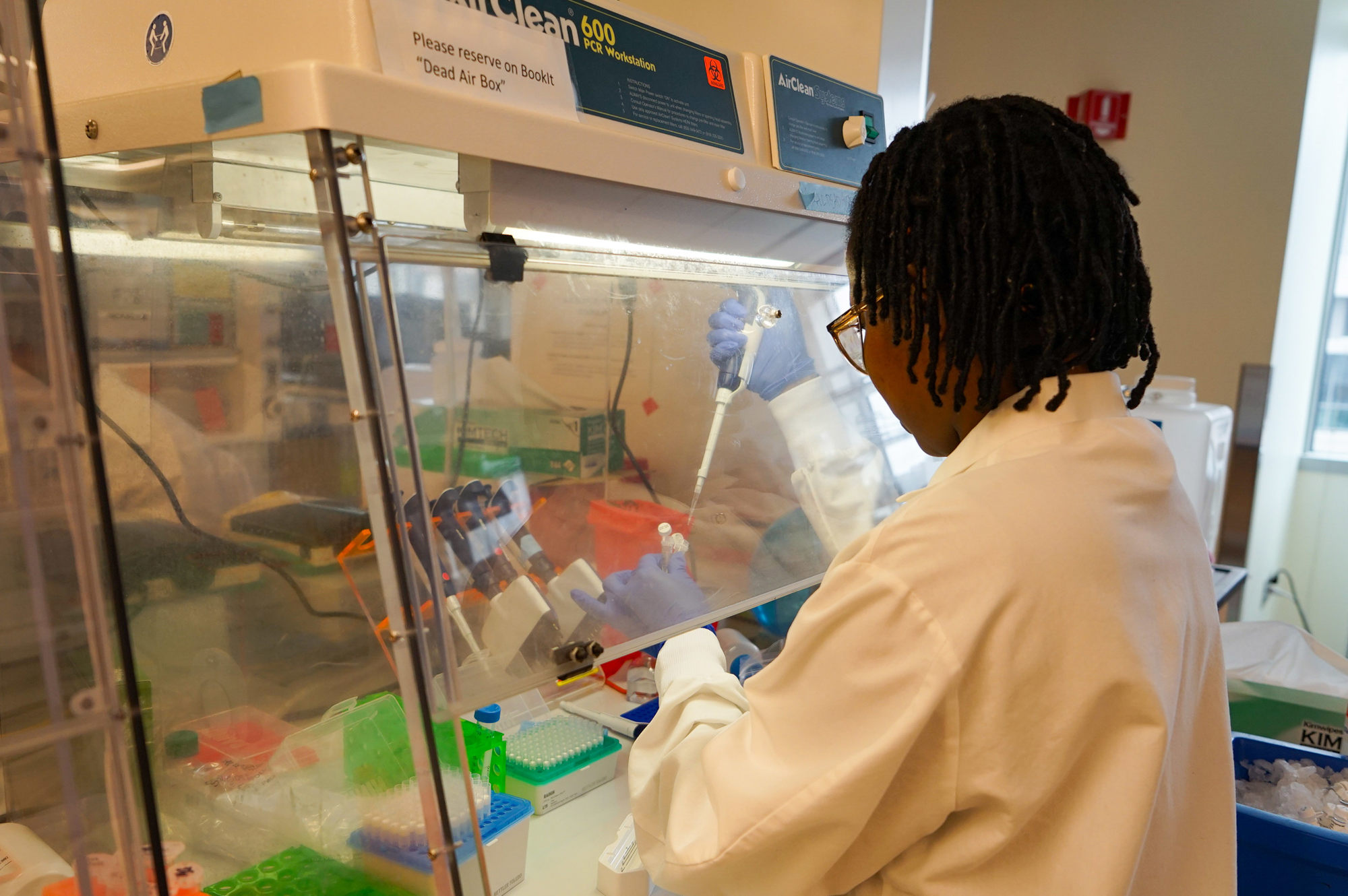
As the scientific community awaits the full release of the CDC’s data, the debate over the future of American public health continues. For pediatricians and infectious disease experts, the focus remains on the immediate need for containment. Theresa McCarthy Flynn, president of the North Carolina Pediatrics Society, emphasized that the current crisis was entirely preventable. "I’m pro-science, but we shouldn’t have to do this," Flynn said. "We don’t have to have a measles epidemic."
The upcoming April report and the subsequent PAHO meeting in November will provide the final verdict on whether the United States remains a nation that has eliminated measles. Regardless of the official status, the data already reveals a country struggling to reconcile its advanced scientific capabilities with a fracturing public health consensus and a resurgence of a disease once thought to be a relic of the past.