Undoing the Grade and the Evolution of Critical Digital Pedagogy at Hybrid Pedagogy

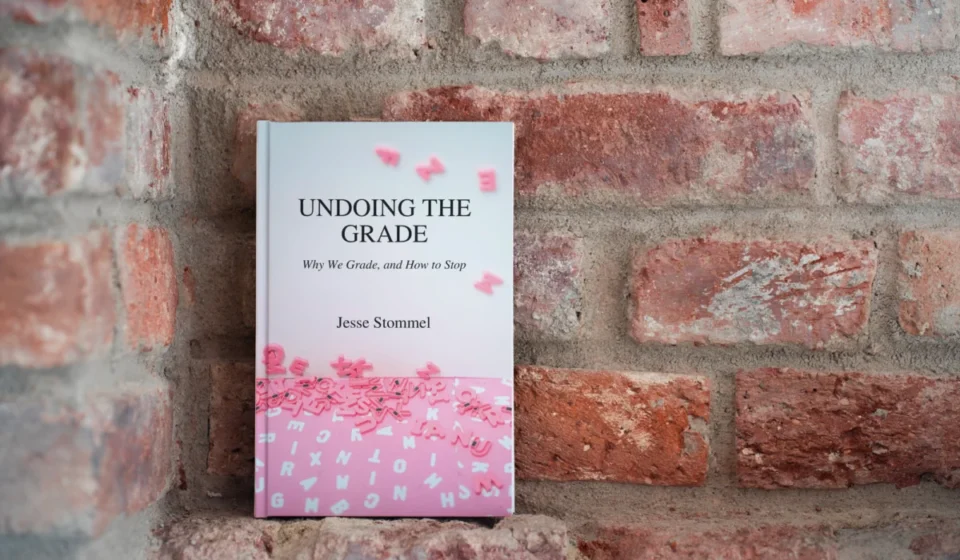
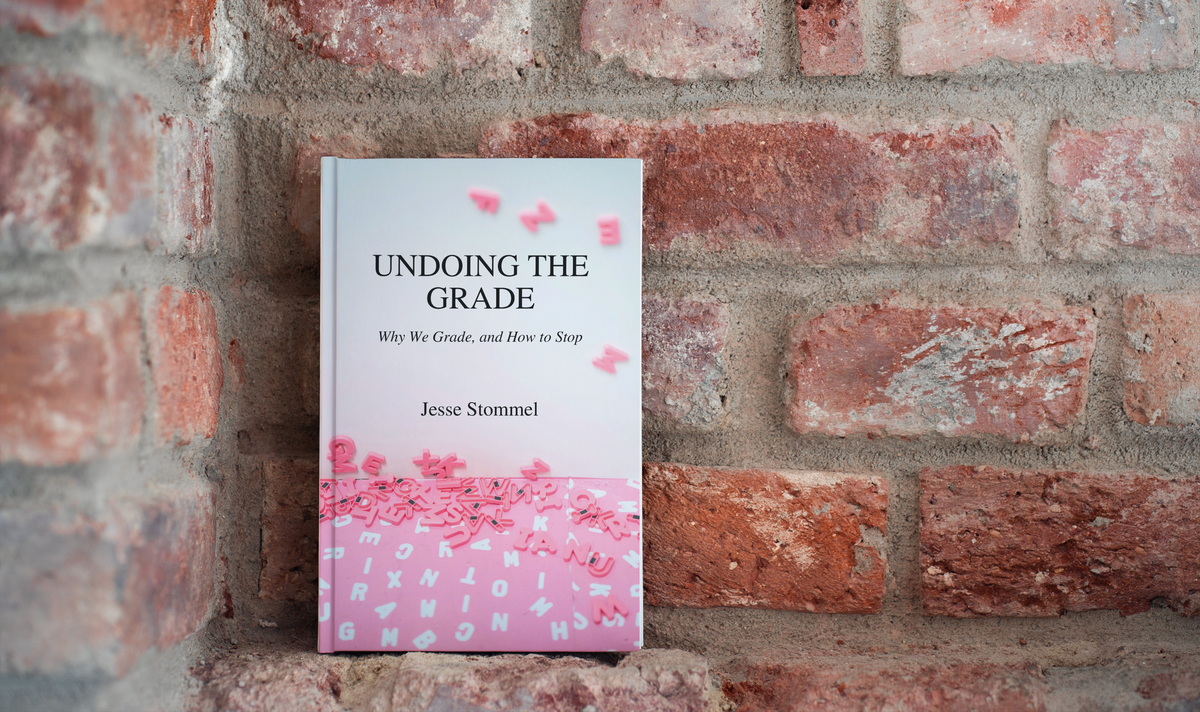
Hybrid Pedagogy, a prominent platform and non-profit organization dedicated to the intersection of education and technology, has announced a strategic shift in its editorial focus, prioritizing long-form publications to address the increasingly complex landscape of modern education. This transition is marked by the recent release of "Undoing the Grade: Why We Grade, and How to Stop," a comprehensive exploration of assessment theory by Jesse Stommel, the organization’s executive director and a faculty member at the University of Denver.
The move toward book-length scholarship represents a maturation of the critical digital pedagogy movement, which has spent the last decade questioning the systemic structures of higher education. By moving beyond the ephemeral nature of blog posts and short-form articles, Hybrid Pedagogy aims to provide educators with the depth of inquiry necessary to implement structural changes within their institutions.
The Paradigm Shift: From Articles to Long-Form Scholarship
Since its inception in 2011, Hybrid Pedagogy has functioned primarily as an open-access journal, publishing over 400 articles from a diverse pool of more than 200 authors. However, the organization’s leadership identified a growing need for more sustained, deep-dive explorations of pedagogical themes. The shift began in earnest in 2014 with digital-only releases, eventually culminating in a robust print catalogue that has seen the publication of seven books in the last five years.
This editorial evolution mirrors a broader trend in academic publishing where practitioners are seeking "slow scholarship"—work that resists the rapid-fire demands of digital consumption in favor of nuanced, evidence-based reflection. By focusing on books, Hybrid Pedagogy is positioning itself as a central hub for what it calls "narrative scholarship," a style of academic writing that bridges the gap between personal experience and theoretical rigor.
Examining ‘Undoing the Grade’ and the Ungrading Movement
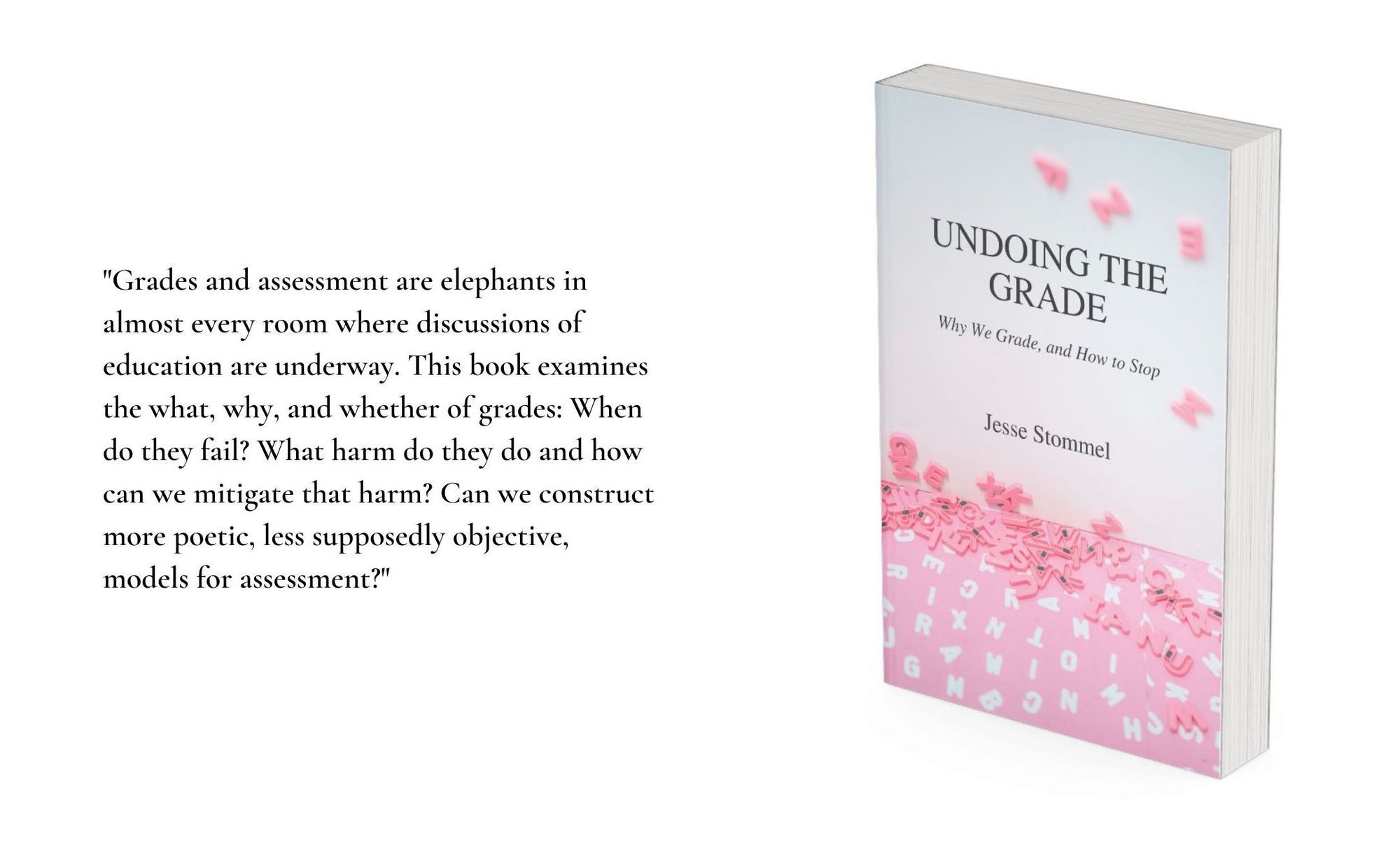
The flagship release of the current season, "Undoing the Grade: Why We Grade, and How to Stop," serves as a culmination of over 20 years of research by Jesse Stommel. The book arrives at a critical juncture in higher education, as institutions grapple with the limitations of traditional assessment in an era defined by mental health crises, economic inequality, and the rise of generative artificial intelligence.
Stommel’s work argues that grades are not objective measures of learning but are instead "elephants in the room" that often cause active harm to the pedagogical relationship. The book examines the historical origins of the A-F grading scale—a system less than 150 years old—and posits that it was designed more for industrial efficiency and social sorting than for genuine intellectual growth.
To support the release, Hybrid Pedagogy is hosting a series of open online office hours from September through November. These sessions are designed to function as a "community of practice," allowing educators to discuss the practicalities of "ungrading"—a term Stommel defines as a present participle, signifying an ongoing process of questioning and refining assessment rather than a static destination.
A Decade of Growth: The Hybrid Pedagogy Timeline
The trajectory of Hybrid Pedagogy reflects the shifting concerns of the educational technology sector over the past 12 years.
- 2011: Hybrid Pedagogy is founded as a digital journal focused on "critical digital pedagogy," a term heavily influenced by the work of Paulo Freire and bell hooks.
- 2014: The organization begins experimenting with digital book formats, recognizing the limitations of the standard article format for complex theoretical frameworks.
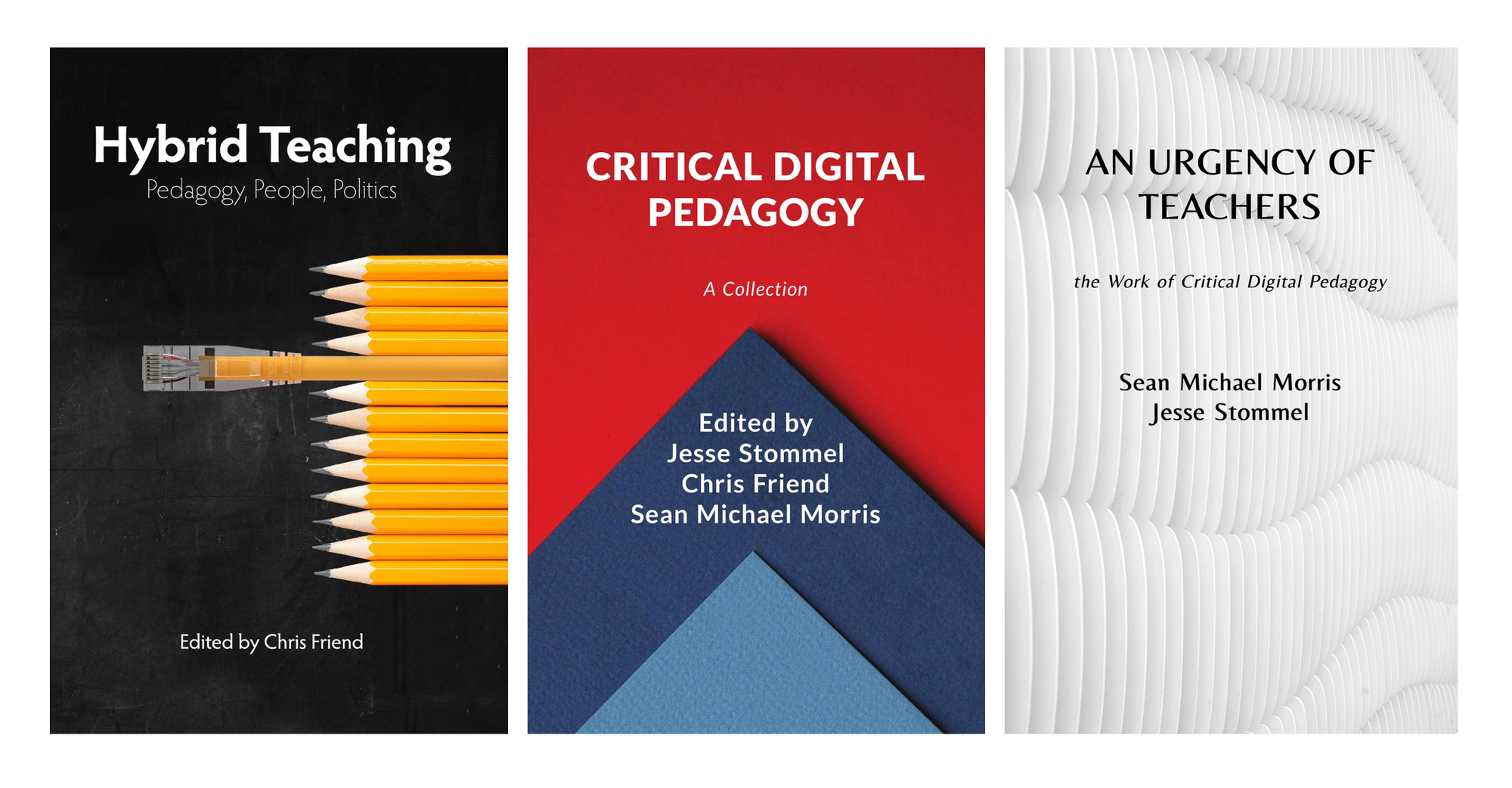
- 2018: The publication of "An Urgency of Teachers: The Work of Critical Digital Pedagogy" marks the organization’s first foray into print. The book, co-authored by Sean Michael Morris and Jesse Stommel, argues against the "instrumentalization" of teaching technology.
- 2020-2021: The COVID-19 pandemic serves as a catalyst for new inquiries. The organization issues a call for chapters for what would become a dual-volume set on instructional design.
- 2023: With the release of "Undoing the Grade," the organization cements its status as a non-profit publisher, maintaining a catalogue that addresses everything from "hybrid teaching" to "narrative scholarship from the margins."
Analyzing the Full Catalogue: Core Themes and Contributions
The current Hybrid Pedagogy catalogue is structured around three primary pillars: the critique of educational technology, the humanization of instructional design, and the amplification of marginalized voices.
Critical Instructional Design and Care
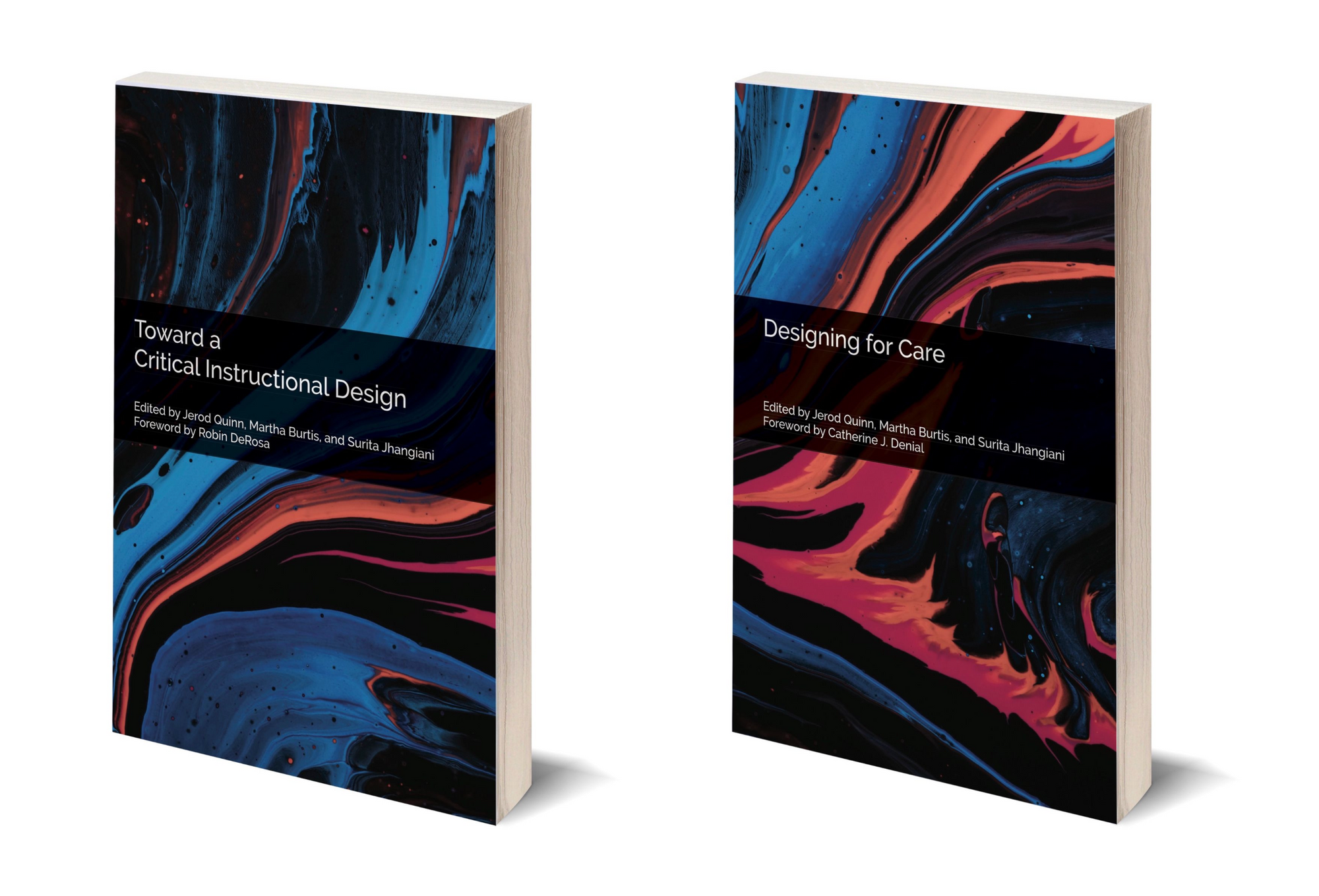
In the wake of the pandemic, editors Jerod Quinn, Martha Burtis, and Surita Jhangiani compiled two sibling collections: "Designing for Care" and "Toward a Critical Instructional Design." These works challenge the traditional, often clinical approach to instructional design (ID). Data from the 2020-2022 period suggests a significant spike in faculty burnout; these volumes respond by proposing ID models that prioritize student well-being and agency over standardized compliance.
Narrative Scholarship and Marginality
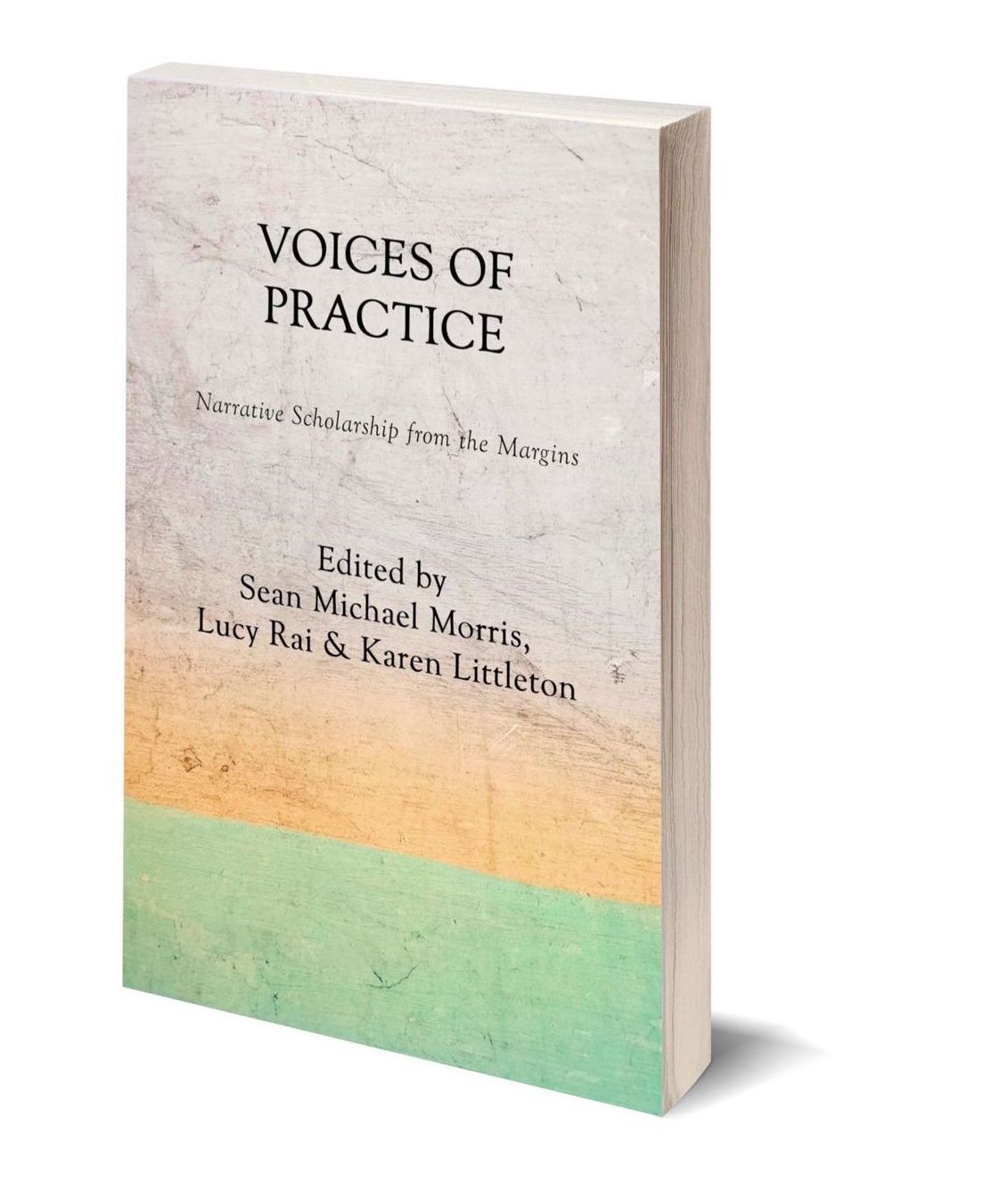
"Voices of Practice: Narrative Scholarship from the Margins," edited by Sean Michael Morris, Lucy Rai, and Karen Littleton, represents a departure from traditional peer-reviewed norms. The volume features educators who may not occupy traditional tenure-track roles, using vignettes and personal timelines to explore what it means to be a scholar. This approach aligns with the organization’s ethos of "bringing together oft-marginalized voices pushing at the edges of teaching."

The Foundations of Critical Digital Pedagogy
The collection titled "Critical Digital Pedagogy" serves as an anthology of the journal’s most influential work since 2011. It remains the first peer-reviewed publication centered specifically on this field. Meanwhile, "Hybrid Teaching: Pedagogy, People, Politics," edited by Chris Friend, provides a framework for "radical care" in digital spaces, arguing that the humanity of the student must always precede the functionality of the software.
Supporting Data: The Impact of Ungrading and Open Access
The push for "ungrading" and open-access scholarship is supported by a growing body of empirical evidence. Research in educational psychology, including studies by Deci and Ryan on Self-Determination Theory, suggests that extrinsic motivators like grades can actually diminish intrinsic motivation and stifle creativity. Furthermore, data from the "Open Education Network" indicates that the high cost of traditional academic textbooks remains a significant barrier to student success, particularly for first-generation and low-income students.

Hybrid Pedagogy addresses these issues through its unique economic model. All books are available in print and ebook formats for purchase, but they are also offered as open-access resources. The organization utilizes a "pay what you can" donation model for digital versions, with proceeds benefiting the Hybrid Pedagogy Non-profit. This ensures that the scholarship remains accessible to practitioners in the Global South and those working in underfunded institutional contexts.
Official Responses and Institutional Implications
The reception of Hybrid Pedagogy’s long-form shift has been largely positive among pedagogical circles, though it poses a challenge to traditional academic metrics. While many universities still prioritize articles in high-impact-factor journals for tenure and promotion, the influence of Hybrid Pedagogy’s books is seen in the "altmetrics"—the high frequency of social media engagement, workshop adoptions, and citations in practitioner-led research.

Inferred reactions from the broader academic community suggest that Stommel’s "Undoing the Grade" is being viewed as a practical manual for the "post-AI" classroom. As generative AI makes traditional take-home assessments and essays easier to automate, the book’s focus on process-oriented, poetic, and non-objective models for assessment provides a timely alternative for faculty looking to maintain academic integrity through relationship-building rather than surveillance.
Broader Impact: The Future of Critical Pedagogy
The shift at Hybrid Pedagogy signals a broader movement within the "EdTech" world to reclaim the narrative from corporate interests. For years, the conversation around digital learning was dominated by Learning Management System (LMS) providers and data analytics firms. Hybrid Pedagogy’s insistence on "an urgency of teachers" shifts the focus back to the human elements of the classroom.

As the organization continues to expand its catalogue, it is actively seeking new ideas for books and edited collections that push the boundaries of traditional scholarship. The transition to long-form publishing is more than just a change in format; it is a commitment to the "inescapable concern" of education—an effort to ensure that the future of learning is more equitable, more human, and less tethered to the reductive logic of the gradebook.
By providing both the theoretical "why" and the practical "how," Hybrid Pedagogy is equipping a new generation of educators to transform their classrooms from sites of compliance into communities of inquiry. Whether through the month-long office hours for "Undoing the Grade" or the open-access availability of its entire library, the organization continues to advocate for a model of scholarship that is as inclusive as it is rigorous.