
The landscape of modern secondary education is increasingly defined not only by academic rigor but by the intentional cultivation of classroom culture. In high school environments across the country, educators are seeking sustainable methods to foster social-emotional growth and peer-to-peer connection. One such methodology, developed and refined over a decade by veteran educator Marcus Luther, utilizes a visual and systematic approach to peer affirmation known colloquially as "The Octopus." This system, which centers on the public recognition of student-identified values, offers a blueprint for transforming classroom dynamics from individualistic competition to communal support.
The Foundational Mechanics of Peer Affirmation
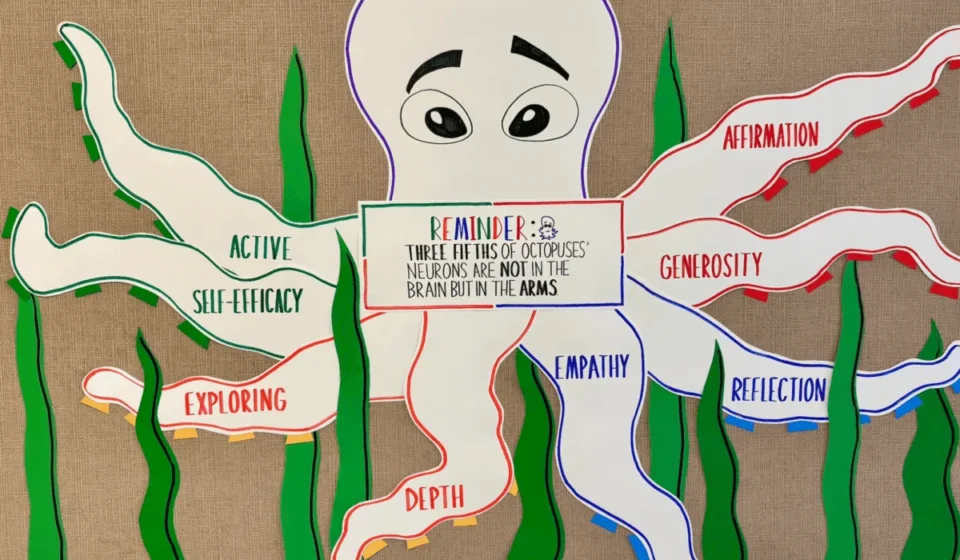
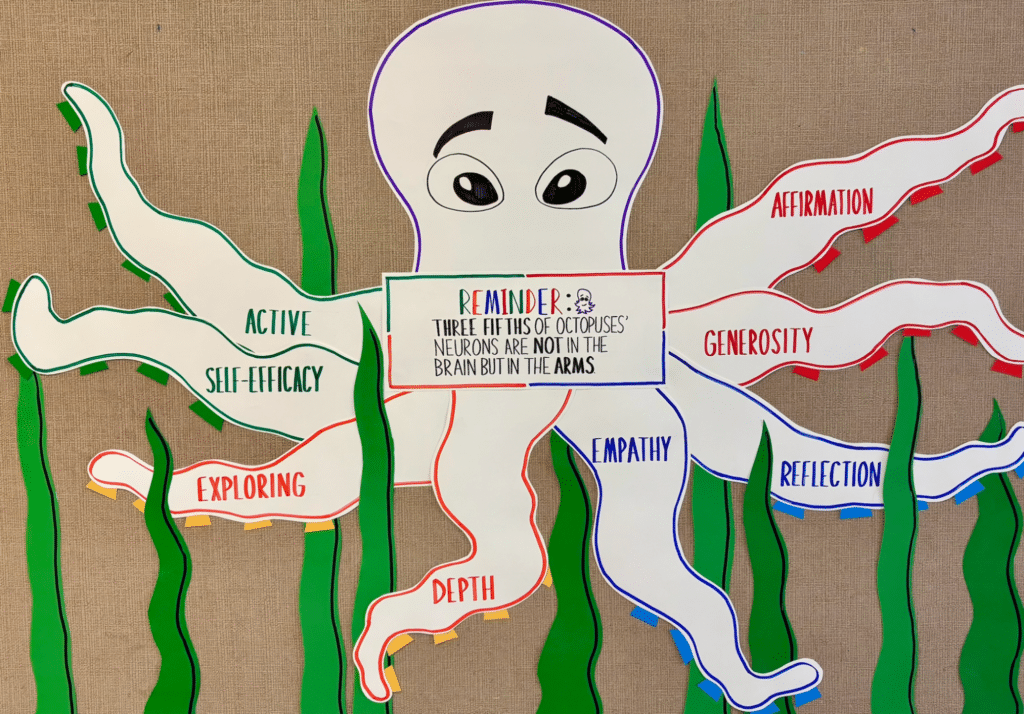
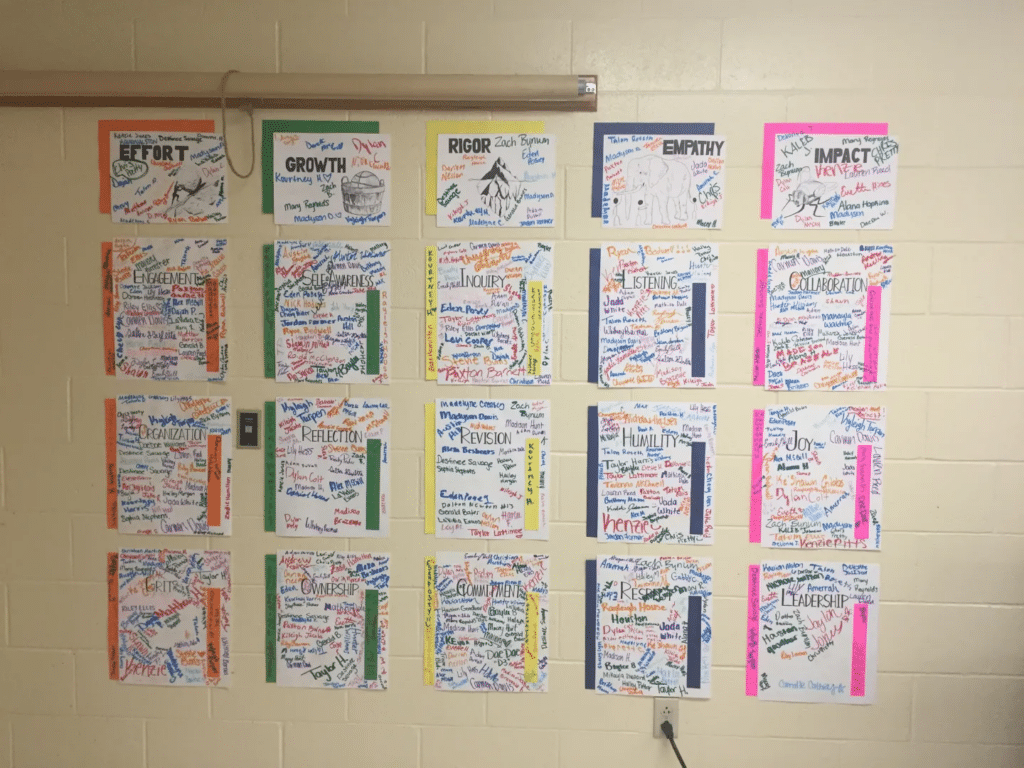
The core of the system is a visual installation on the classroom wall, which begins the academic year as a series of blank posters. In Luther’s current iteration, these posters are arranged in the shape of an octopus, with each of the eight appendages representing a specific classroom value. These values—which include "active," "depth," and "self-efficacy"—serve as the behavioral and intellectual benchmarks for the community.

While the visual element provides a focal point, the underlying mechanism is a rigorous, three-fold process: the identification of core values, a systematic peer nomination phase, and a ritualized public signing. Unlike traditional teacher-led awards, this system shifts the agency of recognition to the students themselves. By allowing students to nominate their peers anonymously, the system captures a wide spectrum of positive behaviors that might otherwise go unnoticed by an instructor managing a large cohort.
Chronology and Evolution of the Methodology
The "Octopus" system did not emerge in a vacuum but is the result of over ten years of pedagogical evolution. The timeline of its development reflects a broader shift in educational philosophy toward student-centered environments.
- Inception (The Elementary Influence): The concept originated from observations in a fifth-grade classroom, where the use of positive notes and featured values was a staple of classroom management. This highlighted the universal human need for affirmation, regardless of age.
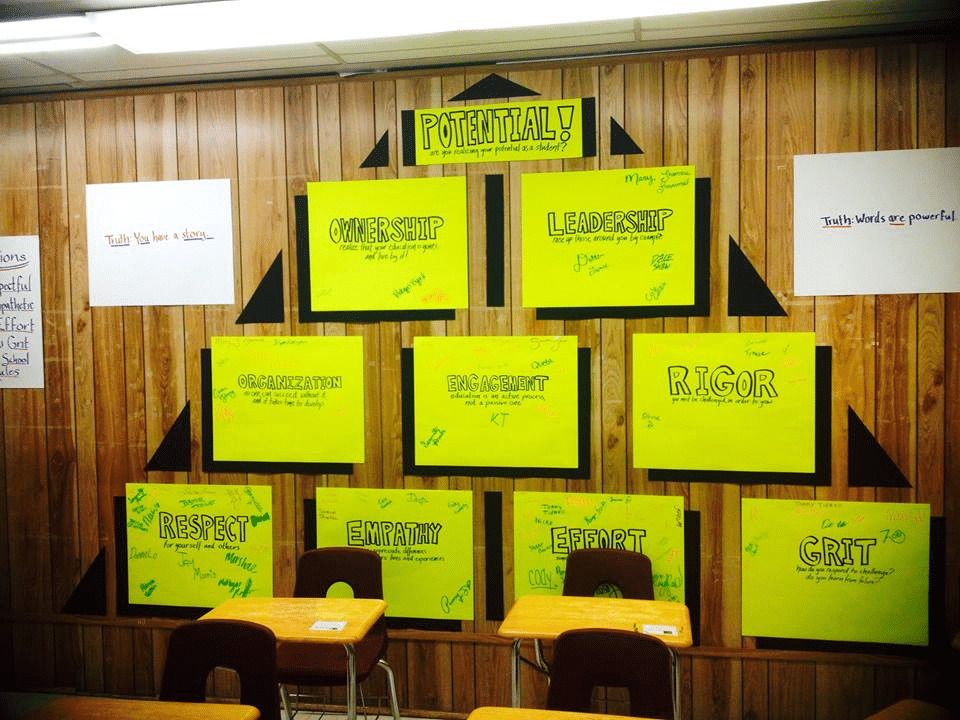
- The Pyramid Era (John Wooden Influence): In its first high school iteration, Luther adopted the "Pyramid of Success" model pioneered by legendary basketball coach John Wooden. This version emphasized hierarchical growth and foundational character traits.
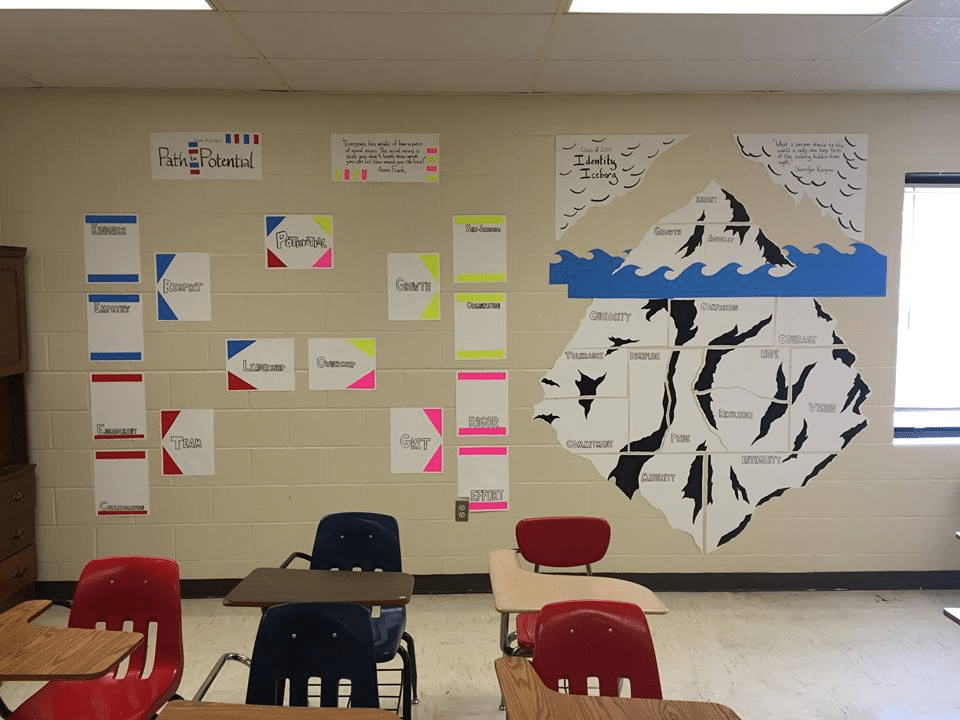
- Iterative Refinement: Over several years, the model moved through various shapes and configurations. Feedback from end-of-year student surveys played a critical role in these transitions. Students identified which values resonated most and suggested changes to the visual representation to make it more engaging.
- The Current Model: The transition to the "Octopus" visual allowed for a non-hierarchical distribution of eight distinct values. This version also integrated digital tools, such as Google Forms and spreadsheets, to manage the data generated by 150 to 180 students across multiple class sections.
The Technical Workflow: Data-Driven Encouragement
A significant challenge in implementing peer-led systems in secondary education is the management of high-volume data. To maintain the system’s integrity, Luther utilizes a digital intake process. Approximately two to three weeks into the school year, after initial community-building exercises have established a baseline of trust, the nomination process begins.
Students submit nominations via a Google Form, where they must identify a classmate, select a corresponding value, and provide a specific rationale for the nomination. This requirement for "evidence-based" praise ensures that the affirmations are substantive rather than superficial. The teacher then aggregates this data into a spreadsheet, which serves as a longitudinal record of student contributions.
This data serves multiple functions beyond the classroom wall. Educators have noted that these records are invaluable during parent-teacher conferences. Rather than relying solely on grade books, teachers can provide parents with direct quotes from their child’s peers, illustrating the student’s social and leadership impact. Furthermore, these recorded affirmations provide a rich repository of anecdotes for college letters of recommendation, offering a more holistic view of a student’s character than standardized test scores or GPA alone.
Psychological and Social-Emotional Implications
The implementation of peer affirmation systems aligns with current research in Social-Emotional Learning (SEL). According to educational psychologists, peer recognition in adolescence carries significant weight due to the heightened importance of social standing and belonging during this developmental stage. When a student is recognized by a peer for "going deeper into a text" or "being willing to talk to anyone," it reinforces positive identity formation.
Furthermore, the system addresses the "invisible student" phenomenon. In many high school classrooms, high-achieving or highly disruptive students receive the majority of teacher attention. The "Octopus" system intentionally creates space for the "quiet contributors"—those who consistently live out classroom values without seeking the spotlight. By making these contributions visible through a public signing ritual, the classroom environment becomes more equitable in its distribution of social capital.
Analysis of Classroom Rituals and Student Engagement
The success of the system relies heavily on the "signing of the wall," a ritualized event usually held at the end of the school week. The teacher reads the anonymous nomination aloud, creating a moment of suspense before announcing the student’s name. This is followed by a collective round of applause as the student signs the poster in a color-coded pen designated for their specific class period.
Critics of such systems often point to the potential for "eye-rolling" or cynicism among high school students. However, field reports suggest that consistent teacher buy-in eventually overrides initial student hesitation. Even students who project an image of indifference often show signs of attachment to the ritual, such as tracking their number of signatures or bringing friends from other classes to view their names on the wall. The ritual serves as a "signal" that the teacher values character and community as much as academic output.
Supporting Data and Educational Context
While specific quantitative data on "The Octopus" is localized to individual classrooms, broader studies on positive reinforcement in education support its efficacy. Research from organizations like Gallup indicates that students who receive regular recognition for their strengths are more likely to be engaged in their learning and have higher levels of hope for their future.
In the context of the post-pandemic educational landscape, where reports of student isolation and behavioral challenges have risen, systems that prioritize "seeing" and "affirming" students have become more critical. The Octopus model provides a structured, low-stakes way to rebuild social fabrics within schools.
Official Responses and Scalability
Educational consultants and building administrators have noted the scalability of this model. Because the values can be co-created with students or aligned with school-wide "Positive Behavioral Interventions and Supports" (PBIS) goals, the system is adaptable across various demographics and subject areas.
"The point is not the octopus itself," Luther notes in his pedagogical reflections, "but the system underneath it—a system that helps students feel seen and affirmed." This sentiment is echoed by many in the field who advocate for "strength-based" teaching. By focusing on what students are doing right, educators can create a "virtuous cycle" where students are more likely to repeat positive behaviors that have been publicly validated by their peers.
Broader Impact and Implications for the Future
The implications of peer affirmation systems extend beyond the classroom walls. By teaching students to look for strengths in others and to articulate those strengths clearly, educators are fostering essential soft skills required in the modern workforce. The ability to provide constructive, positive feedback is a hallmark of effective leadership and collaborative teamwork.
As schools continue to evolve, the integration of systematic peer affirmation like the "Octopus" model represents a move toward a more humanistic approach to education. It acknowledges that a classroom is not merely a place for the transfer of information, but a community where the social and emotional well-being of its members is foundational to their academic success.
In conclusion, the "Octopus" system serves as a powerful reminder that in the high-pressure environment of secondary education, small rituals of recognition can have a profound impact. By making space for affirmation, teachers send a clear message to their students: their character matters, their contributions are noticed, and they are an essential part of the community. As this methodology continues to be adopted and adapted by educators worldwide, it stands as a testament to the enduring power of positive reinforcement in shaping the next generation.