The State of Digital IDs on iPhones: A Slow Rollout and Lingering Skepticism

Since the introduction of iOS 15.4, Apple has offered users the ability to add their driver’s license or state-issued ID to their iPhone’s digital wallet. However, four years later, the widespread adoption of this feature remains surprisingly slow, with only a fraction of states fully embracing the digital identification system. This prolonged rollout, coupled with recent rejections from some states, highlights ongoing challenges and skepticism surrounding the transition to digital identification.
The concept of a digital ID on a smartphone promises convenience and enhanced security, allowing individuals to present verified identification without the need for a physical card. This technology, pioneered by Apple and supported by various state governments, aims to streamline processes like airport security checks and age verification at participating businesses. Yet, the journey from initial announcement to ubiquitous use has been protracted, marked by staggered state approvals, technical hurdles, and differing opinions on the necessity and security of such systems.
A Glimpse into the Past: The Promise of Digital IDs
When Apple first unveiled the digital ID feature, it was met with considerable enthusiasm. The prospect of leaving a physical wallet at home, relying solely on a smartphone for identification, seemed like a significant leap into the future of personal identification. The initial rollout, however, was cautious, with only a handful of states participating. As of October 2026, the landscape has evolved, but not as rapidly as many might have anticipated.
In 2022, when this feature was first extensively covered, only two states actively permitted the addition of driver’s licenses to the iPhone Wallet. An additional ten states and Puerto Rico had confirmed their intent to implement the feature, with timelines described as "soon." Fast forward to October 2026, and the number of states officially supporting digital IDs has grown to 16, along with one U.S. territory. This incremental progress underscores the complex bureaucratic and technological processes involved in integrating such a system across diverse state infrastructures.
The Current Landscape: States Embracing Digital IDs
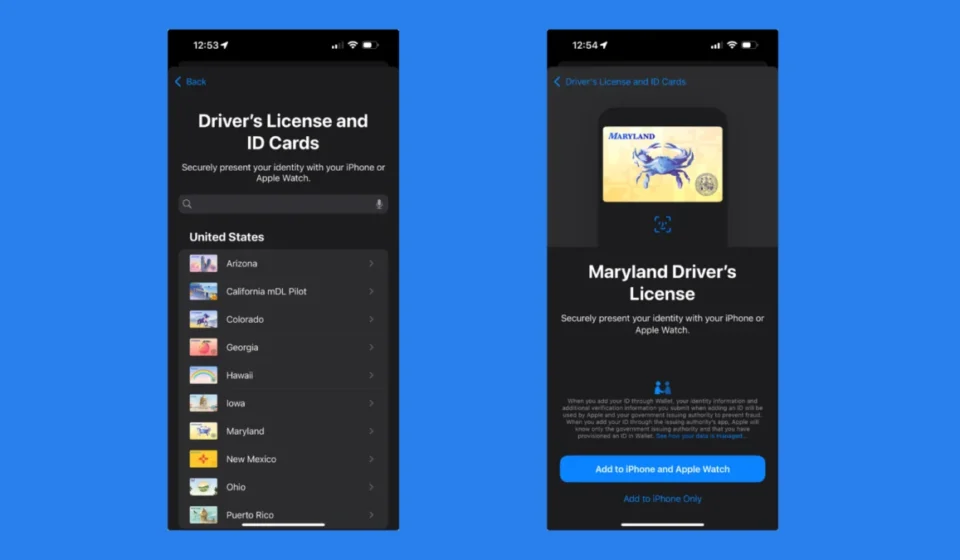
As of October 2026, the following 16 states and one territory have officially enabled residents to add their driver’s licenses or state IDs to their iPhone Wallet:
- States: Arizona, Colorado, Connecticut, Delaware, Georgia, Hawaii, Iowa, Kentucky, Maryland, Mississippi, Ohio, Oklahoma, Pennsylvania, South Dakota, Utah, and Virginia.
- Territory: Puerto Rico.
In addition to state-issued identification, the U.S. has also supported the addition of passports to the Wallet app, further expanding the digital identification capabilities for travelers. This integration with federal identification documents signifies a broader commitment to digitizing essential personal credentials.
Persistent Delays: "Coming Soon" States Still Waiting
Despite the growing number of participating states, a significant number of those that initially pledged support for digital IDs are still operating under the "coming soon" designation. This prolonged waiting period has led to frustration and raised questions about the commitment and capacity of these states to implement the technology. While the exact reasons for these delays are not always publicly disclosed, they likely involve a combination of factors, including budget constraints, technical integration challenges with existing state systems, and a need for further security audits and policy development.

Outright Rejection: Florida and Rhode Island Lead the Opposition
The slow adoption rate took a significant turn this week with official rejections from two states: Florida and Rhode Island. This marks a notable shift from a gradual rollout to outright refusal, signaling a deeper ideological or practical opposition to digital identification within these states.
Governor Ron DeSantis of Florida publicly announced his state’s dismissal of digital IDs, expressing concerns that have resonated with a segment of the population wary of government overreach and data privacy. While the specifics of his statement on X are not readily available due to its current unavailability, the sentiment reflects a broader debate about the balance between technological advancement and individual liberties.
Adding to this sentiment, Walter Craddock, Chair of the American Association of Motor Vehicle Administrators (AAMVA) International Board of Directors, voiced significant reservations during a recent podcast interview. Craddock highlighted a perceived lack of universal demand and adoption for mobile driver’s licenses (MDLs). He pointed to the primary user being the TSA, noting that until recently, no airports in the New England area could accept MDLs. This observation raises a critical question: why invest in developing and implementing a system if its primary intended users are not yet equipped to handle it? Craddock also expressed a desire for cross-platform solutions, indicating a reluctance to develop separate integrations for Apple Wallet and Google Wallets, which he views as replicating and duplicating efforts. His stance suggests a preference for a more unified and standardized approach to digital identification before committing to specific platform integrations.
These rejections and concerns from influential figures suggest that the path to widespread digital ID adoption is not a foregone conclusion and faces significant hurdles rooted in practical implementation, perceived utility, and a desire for broader standardization.
Airports and Businesses: The Limited Sphere of Digital ID Use
It is crucial to understand that the digital ID on an iPhone is not a universal replacement for a physical ID. Currently, its primary use cases are limited to specific environments, most notably at airports for TSA security checkpoints. While Apple previously maintained a list of participating airports, this list appears to have been removed, making it difficult to ascertain the full extent of airport support. However, based on previous information, the following airports have been identified as supporting digital IDs in Apple Wallet:
- Atlanta Hartsfield-Jackson International Airport (ATL)
- Boston Logan International Airport (BOS)
- Denver International Airport (DEN)
- Detroit Metropolitan Wayne County Airport (DTW)
- Fort Lauderdale-Hollywood International Airport (FLL)
- Houston George Bush Intercontinental Airport (IAH)
- Los Angeles International Airport (LAX)
- Miami International Airport (MIA)
- Orlando International Airport (MCO)
- Phoenix Sky Harbor International Airport (PHX)
- San Diego International Airport (SAN)
- Seattle-Tacoma International Airport (SEA)
- Washington Dulles International Airport (IAD)
- Washington Reagan National Airport (DCA)
Beyond airport security, the digital ID can also be used for age verification at participating businesses. This includes establishments such as bars, restaurants, liquor stores, and at events like festivals and concerts. Additionally, certain age-restricted applications may also accept digital IDs. However, similar to airport support, there is no publicly available consolidated list of these participating businesses, making it challenging for consumers to know where they can utilize this feature.
The Practicalities: How to Add Your Digital ID
For residents of states that have adopted the digital ID feature, the process of adding it to an iPhone is designed to be straightforward. Users can initiate the process by opening the Wallet app, tapping the "+" icon in the top right corner, and selecting "Driver’s License and ID Cards." The user then chooses their state and selects the device on which to add the ID, typically an iPhone 8 or newer, or an Apple Watch Series 4 or newer.
However, specific device and software requirements can vary by state. For instance, California mandates an iPhone XS or later running iOS 17.5 or newer, or an Apple Watch Series 4 running at least watchOS 10. Puerto Rico requires an iPhone XS or later running iOS 18.1 or newer, or an Apple Watch Series 6 or later running watchOS 11 or newer.

When adding a passport to the Wallet app, the prerequisites are different, typically requiring an iPhone 11 or later with iOS 26.1 or later, or an Apple Watch Series 6 or later with watchOS 26.1 or later. The verification process involves scanning the physical ID with the iPhone’s camera and then performing a facial scan to confirm the user’s identity. Once completed, the information is submitted to the state for final confirmation. Notably, North Dakota imposes a $5 fee for residents utilizing this feature.
Upon successful setup, users can present their digital ID at participating locations by unlocking their iPhone and holding it near the ID scanner. The digital ID will then display, showing the information being shared with the verifying authority, such as name, date of birth, sex, issuing authority, and issue and expiration dates.
Analysis and Implications: A Glimpse into the Future of Identification
The current state of digital IDs on iPhones presents a mixed picture. On one hand, the technology offers a compelling glimpse into a more convenient and potentially more secure future for personal identification. The ability to carry essential credentials digitally reduces the risk of physical card loss or theft and can streamline various verification processes.
On the other hand, the slow adoption rate, coupled with outright rejections from states like Florida and Rhode Island, highlights significant challenges. These challenges are not solely technological; they are also rooted in public perception, governmental inertia, and the complex web of state-level regulations and infrastructure. The concerns raised by AAMVA officials about the lack of universal demand and the need for platform-agnostic solutions are valid and point to the necessity of a more cohesive and broadly accepted framework for digital identification to gain widespread traction.
The limited scope of current use cases, primarily confined to airports and specific age-verification scenarios, also indicates that the digital ID is far from a complete replacement for physical documents. This limitation may contribute to the skepticism observed in some states, as the perceived immediate benefits may not outweigh the perceived costs or risks of implementation.
Ultimately, the future of digital IDs on iPhones and other mobile platforms will depend on several factors: continued technological refinement, robust security measures that build public trust, clearer and more standardized governmental frameworks, and a demonstrated, widespread utility that goes beyond niche applications. Until these elements coalesce, the digital ID on your iPhone may remain a futuristic convenience rather than a ubiquitous necessity.