Scholarly Communications Grapples with Escalating Research Integrity Crisis Amidst AI Surge and "Publish-or-Perish" Pressures

The scholarly communications ecosystem finds itself at a critical juncture, facing unprecedented challenges to research integrity, as revealed by a comprehensive "Pulse Check Poll" conducted in September 2026. This vital assessment underscores a pervasive anxiety within the academic community regarding the escalating threats posed by artificial intelligence, organized fraud, and deeply entrenched systemic pressures. The findings paint a sobering picture of a system under immense strain, where long-standing issues like manipulation and problematic research practices are now intersecting with soaring submission volumes, evolving incentive structures, and the rapid advancement of generative AI technologies. These converging forces are not only exposing vulnerabilities across various facets of the scholarly record but also raising urgent questions about the efficacy of current detection mechanisms, policies, and available resources.
Contextualizing the Crisis: The Shifting Landscape of Scholarly Integrity
For decades, research integrity has served as the bedrock of scientific trust, ensuring that published knowledge is reliable, reproducible, and ethically sound. However, the integrity landscape has been progressively complicated by a confluence of factors. Historically, challenges such as data fabrication, falsification, and plagiarism have been persistent concerns. Yet, the past few years, leading up to 2026, have witnessed an acceleration of these pressures. The global academic output has surged, driven partly by an increasing number of researchers worldwide and the imperative for rapid dissemination of scientific breakthroughs. This growth has placed immense pressure on editorial boards and peer-review systems, which often operate with limited resources and volunteer labor.
Simultaneously, the competitive nature of academic careers, often encapsulated by the "publish-or-perish" mantra, has inadvertently incentivized quantity over quality. Researchers face intense pressure to accumulate publications for career advancement, funding acquisition, and institutional recognition. This environment has created fertile ground for questionable research practices and, in more egregious cases, outright fraud. The emergence of sophisticated "paper mills" – illicit operations that produce fraudulent research papers for a fee – has become a particularly insidious threat, capitalizing on this demand for publications. These mills often employ complex tactics to evade detection, making their output difficult to distinguish from legitimate research, thereby polluting the scholarly record at scale.
Into this already complex scenario, the rapid evolution and widespread accessibility of artificial intelligence, particularly generative AI, have introduced an entirely new dimension of risk. While AI offers transformative potential for research, its misuse can manifest in the creation of AI-generated or AI-manipulated manuscripts, false references, and even entire datasets, making the detection of such fabrications increasingly challenging for human editors and traditional screening tools alike. The September 2026 Pulse Check Poll was initiated to capture a timely snapshot of how organizations across the scholarly publishing ecosystem are perceiving and responding to these multifaceted integrity challenges.
The 2026 Pulse Check: A Snapshot of Community Concerns
The Society for Scholarly Publishing (SSP), in collaboration with The Scholarly Kitchen, distributed its "Pulse Check Poll" to a broad cross-section of professionals within the scholarly communications community. Conducted between September 1 and 15, 2026, the survey gathered insights from 181 respondents representing a diverse array of organization types, sizes, and job levels. This robust participation ensured a comprehensive overview of the community’s priorities, confidence levels, and perceived underlying causes of integrity breaches.
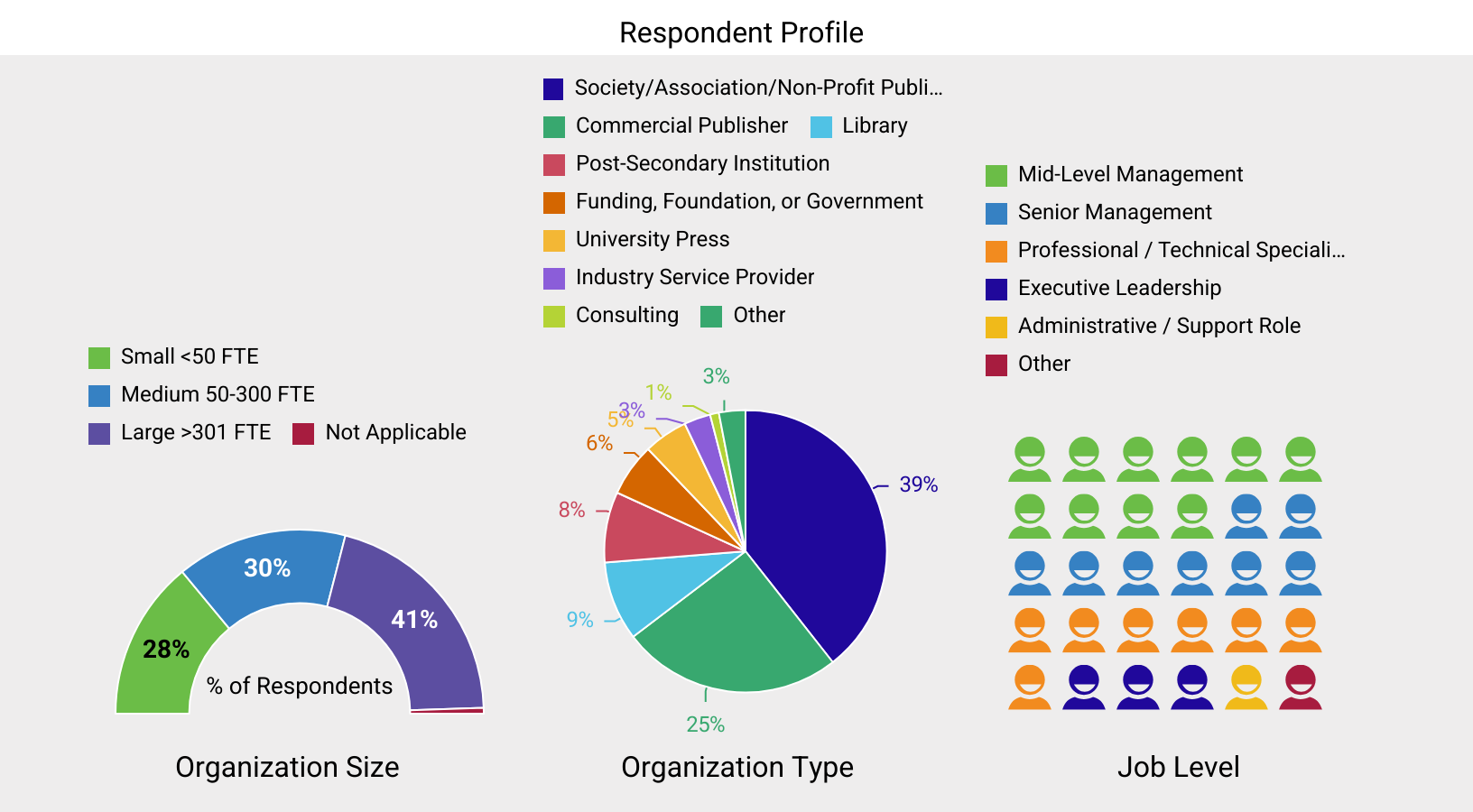
The demographic breakdown of respondents highlighted the wide reach of the survey. Over 40% of participants hailed from large organizations (exceeding 300 full-time equivalent staff), with medium (50-300 FTE) and small (under 50 FTE) organizations each contributing roughly 30% and 28% respectively. Geographically and institutionally, the respondent pool was equally varied. Nearly 40% of respondents were from publishing divisions within research societies, associations, or other non-profits, underscoring the vital role these entities play in maintaining scholarly standards. Commercial organizations constituted the next largest group at 25%, with the remainder comprising a mix of educational institutions and other publishing entities. In terms of professional roles, mid-level management accounted for approximately a third of respondents, while senior management and professional/technical specialists each made up about a quarter. This diverse representation lends significant weight to the poll’s findings, reflecting a broad consensus across the industry.
AI at the Forefront: A Double-Edged Sword for Research Integrity
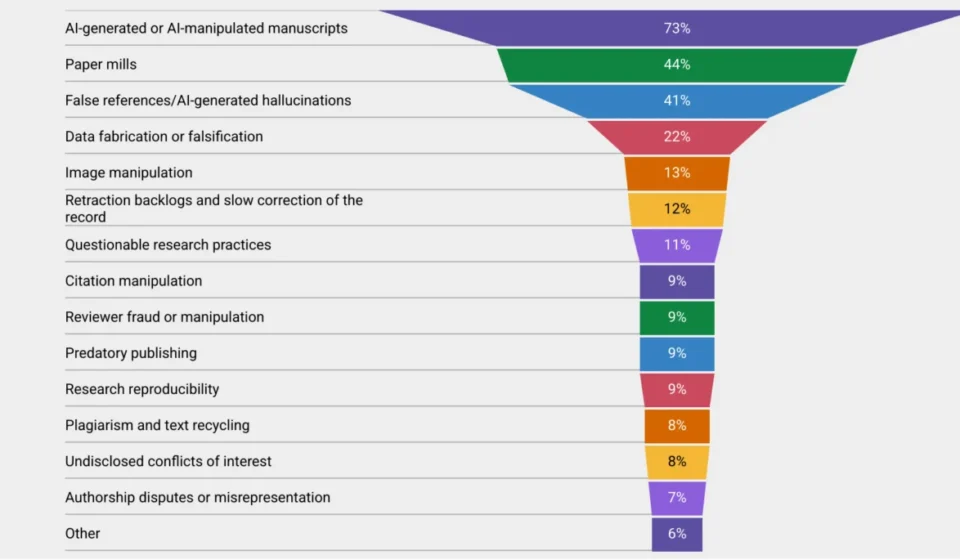
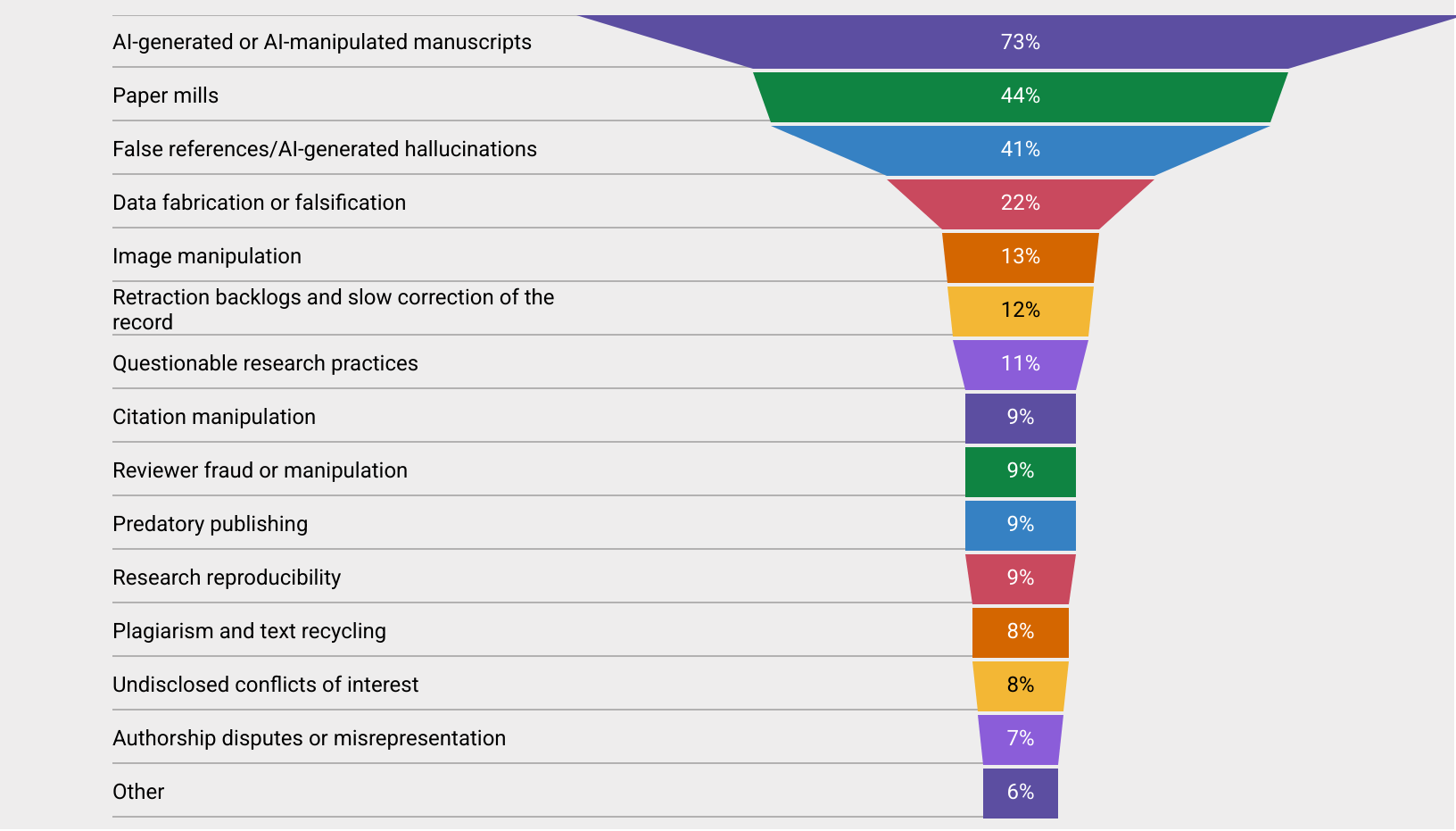
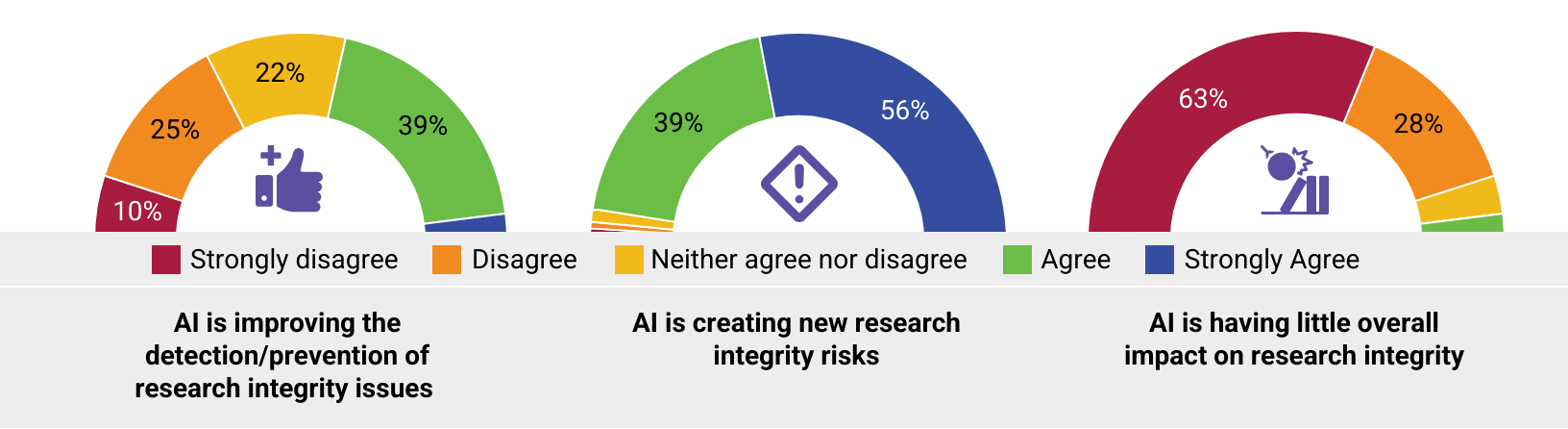
The poll’s findings unequivocally positioned artificial intelligence as the most pressing concern for the scholarly community. A striking 73% of respondents identified AI-generated or AI-manipulated manuscripts as one of their top three integrity challenges. This figure dwarfs other concerns, highlighting the profound and immediate impact of AI on the integrity landscape. The rapid evolution of generative AI models has made it increasingly easy for malicious actors to create highly plausible, yet entirely fabricated, scientific texts and data, presenting a formidable obstacle to traditional peer review and editorial processes.
This heightened concern regarding AI is juxtaposed with a troubling lack of confidence in detecting such sophisticated manipulations. Only a meager 10% of respondents reported being "very" or "extremely" confident in their organization’s ability to detect AI-generated or manipulated manuscripts before publication. Conversely, nearly half (49%) expressed "slightly" or "not at all confident." This significant disparity between concern and detection capability creates a substantial vulnerability for the scholarly record, suggesting that a considerable volume of AI-generated content could be slipping through existing safeguards.
However, the relationship with AI is not entirely adversarial. The survey also revealed a nuanced perception of AI’s role, acknowledging its potential as a tool for bolstering integrity. Approximately 43% of respondents agreed or strongly agreed that AI is improving their ability to detect or prevent integrity issues. This indicates a growing recognition within the community that AI, while a significant source of new risks, also offers promising avenues for developing more robust detection and screening technologies. For instance, AI-powered plagiarism checkers are becoming more sophisticated, and new tools are emerging to identify anomalies indicative of AI-generated text or manipulated images. Yet, a substantial 35% still disagreed or strongly disagreed with this positive assessment, reflecting the ongoing skepticism and the perceived race against AI’s negative applications.
Despite this mixed confidence in AI as a solution, its integration into integrity efforts is already substantial. Over half of the organizations surveyed (54%) reported implementing AI-assisted screening tools, indicating a proactive, albeit cautious, adoption of new technologies to combat the very threats AI itself poses. This dual nature of AI – simultaneously a primary source of integrity risks and a burgeoning component of integrity defense strategies – encapsulates the complex challenge confronting scholarly communications.
Beyond AI: Persistent Threats and Emerging Challenges
While AI dominated the top spot, other significant threats continue to plague the scholarly record. "Paper mills," defined as organized, profit-driven entities that fabricate and sell research manuscripts, were identified as a top concern by 44% of respondents. These operations exploit the academic pressure to publish, creating a shadowy market for fraudulent research that undermines the credibility of scientific output. Closely related, "false references or AI-generated hallucinations" garnered concern from 41% of respondents, highlighting issues with citation manipulation and AI’s propensity to generate non-existent or irrelevant references, further muddying the waters of scholarly discourse.
Beyond these leading issues, the concerns became more diffused but no less critical. Data fabrication or falsification, a long-standing integrity breach involving the deliberate invention or alteration of research data, was selected by 22% of respondents. Image manipulation, often involving the unethical alteration of experimental results or photographic evidence, was cited by 13%. The perennial challenge of "retraction backlogs and slow correction of the scholarly record" was a concern for 12%, pointing to systemic inefficiencies in addressing detected integrity issues post-publication. "Questionable research practices" (QRPs), which encompass a broader range of actions that deviate from accepted scientific norms but are not outright fraud (e.g., selective reporting, HARKing – Hypothesizing After the Results are Known), were highlighted by 11%. Each remaining issue, such as authorship disputes or undisclosed conflicts of interest, was selected by fewer than 10% of respondents, indicating a strong consensus around the most pressing, large-scale threats.
Detection Confidence: A Mixed Picture with Alarming Gaps
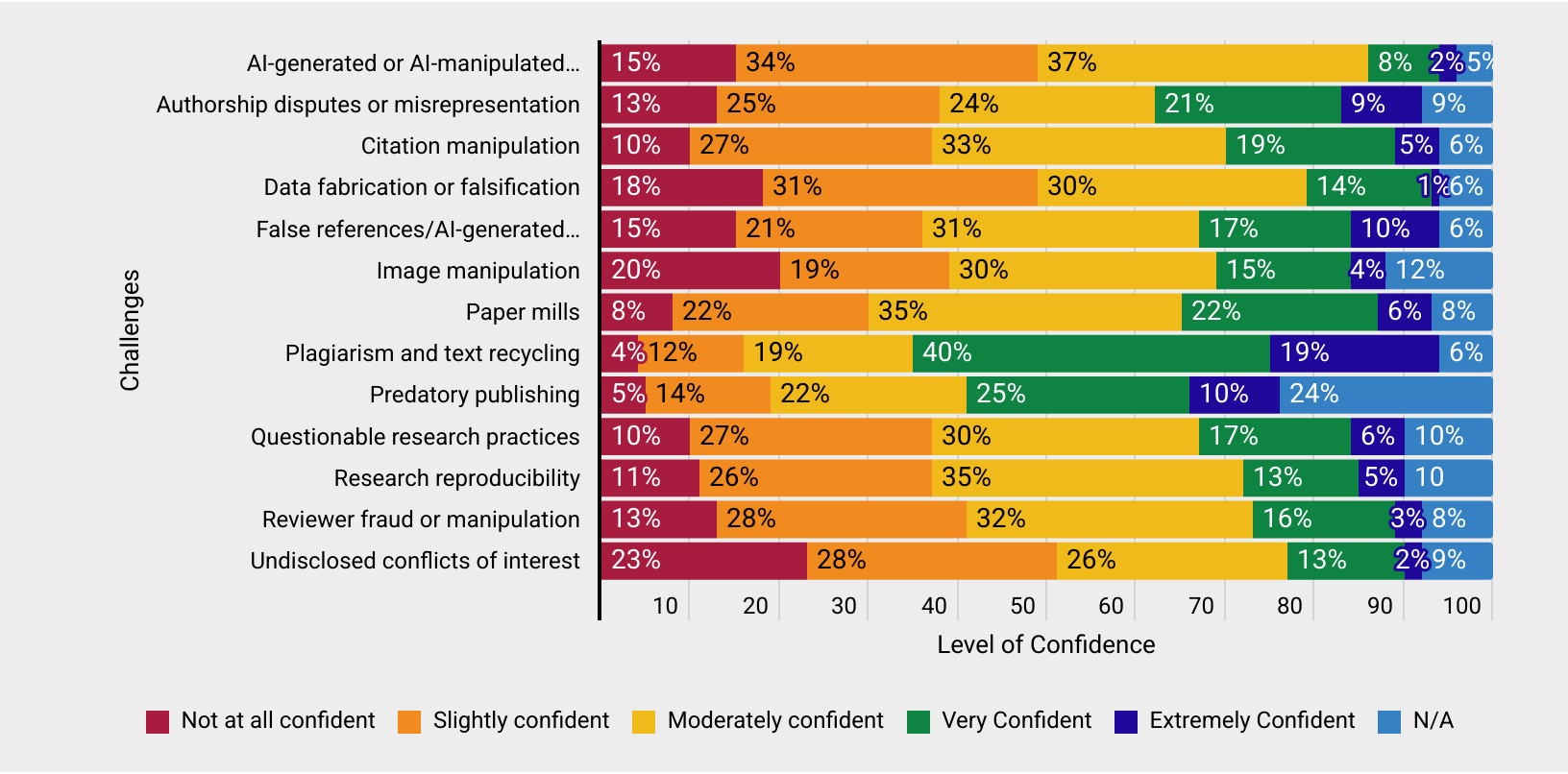
The poll’s findings on detection confidence revealed a concerning landscape, marked by significant variation depending on the type of integrity issue. While organizations demonstrated relatively high confidence in detecting established issues like plagiarism and text recycling—with 59% of respondents feeling "very" or "extremely" confident—this assurance plummeted for more complex and emerging threats.
The most alarming gap appeared between the high concern for AI-generated or manipulated manuscripts (73%) and the very low confidence in detecting them. As noted, only 10% of respondents were "very" or "extremely" confident in their ability to identify these AI-driven fabrications. This stark contrast suggests that while the community recognizes the immediate danger, the tools and expertise required to effectively counter it are still lagging significantly.
Confidence levels were also notably low for other intricate integrity problems. Roughly half of the respondents (49%) reported being "slightly" or "not at all confident" in detecting data fabrication or falsification. Similarly, "undisclosed conflicts of interest" generated the lowest confidence overall, with 51% expressing low confidence and a mere 15% reporting high confidence. This suggests that issues requiring deep investigation, often into human motivations and concealed information, remain particularly challenging to uncover. "Reviewer fraud or manipulation," another complex area involving ethical breaches in the peer-review process, also presented a significant challenge, with 41% reporting low confidence and only 19% high confidence.
Even for "paper mills," a major concern, the picture was mixed: 28% felt "very" or "extremely" confident in detection, while 30% felt "slightly" or "not at all confident." This indicates that while some organizations have developed strategies to identify paper mill output, many still struggle, reflecting the sophisticated and evolving nature of these illicit operations. These findings collectively underscore the urgent need for enhanced detection technologies, improved training, and greater resource allocation to close these critical confidence gaps.
Organizational Responses: A Multifaceted Approach to Strengthening Integrity
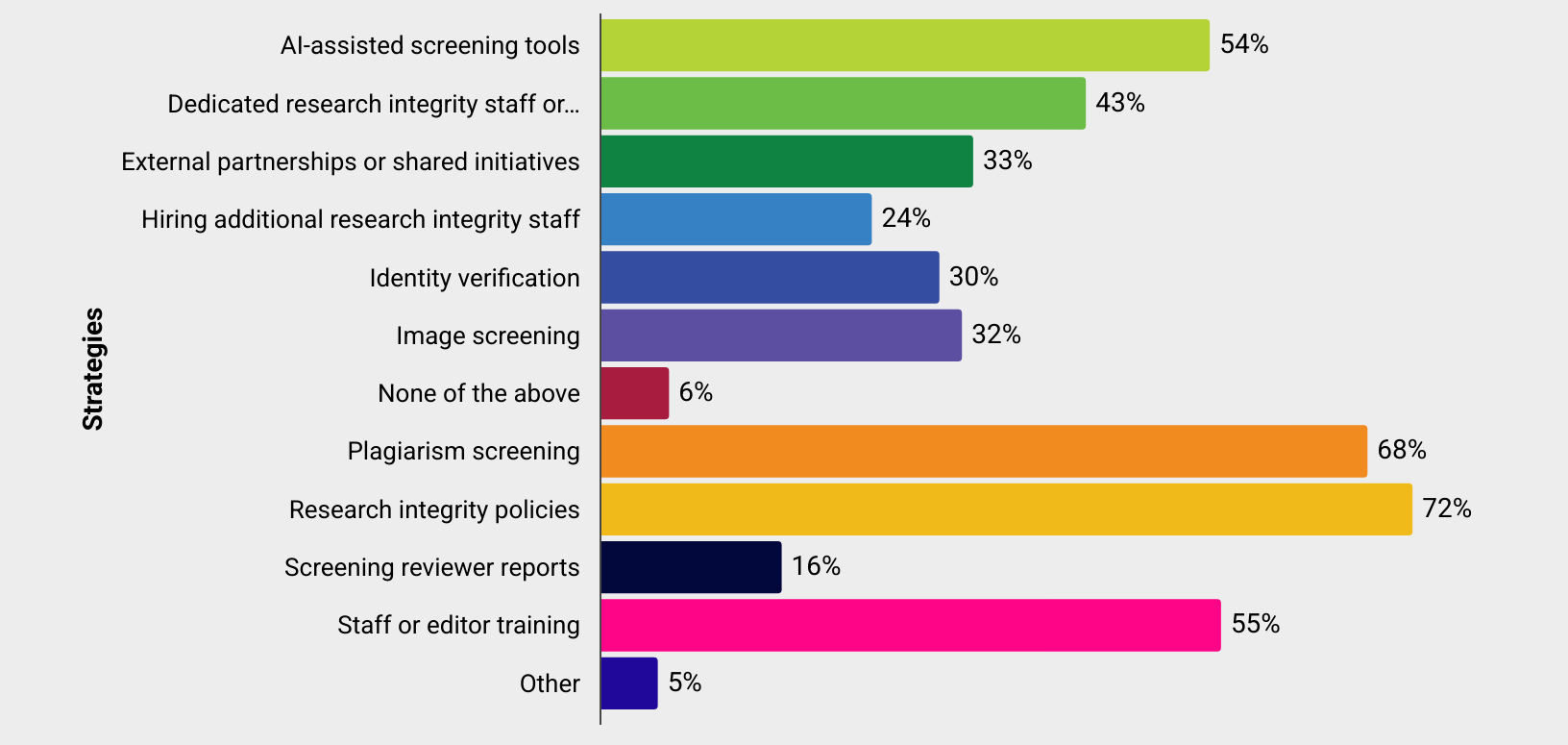
Despite the acknowledged challenges and varying levels of confidence, organizations within the scholarly communications ecosystem are not static. The poll revealed a proactive, multifaceted approach to strengthening research integrity. The most widely implemented measures include foundational elements: 72% of organizations have established or updated "research integrity policies," providing clear guidelines and expectations for ethical conduct. Close behind, 68% have implemented "plagiarism screening" tools, a testament to the continued importance of detecting textual appropriation.
Beyond these standard practices, there’s a clear move towards enhancing human capacity and leveraging new technologies. More than half of respondents (55%) reported investing in "staff or editor training on research integrity," recognizing that human expertise and vigilance remain indispensable. Significantly, 54% have adopted "AI-assisted screening tools," demonstrating a rapid uptake of AI as a defensive mechanism, even amidst concerns about its offensive capabilities. This highlights the urgent imperative to deploy any available technology that might help stem the tide of integrity breaches.
Furthermore, many organizations are formalizing their integrity efforts: 43% have created "dedicated research integrity staff or committees," signaling a more structured and resourced approach to managing these complex issues. Collaborative efforts are also gaining traction, with roughly one-third of organizations engaging in "external partnerships or shared initiatives" to pool resources and expertise. Specialized screening methods like "image screening" (for manipulated figures) and "identity verification" (to combat author fraud) have been adopted by approximately one-third of respondents. Encouragingly, only a small minority (6%) reported having implemented none of the listed measures, indicating a widespread commitment across the community to take concrete action. This broad adoption of various strategies suggests a collective understanding that a multi-pronged defense is essential to safeguard the scholarly record.
Ecosystem-Wide Apprehension: A Crisis of Collective Confidence
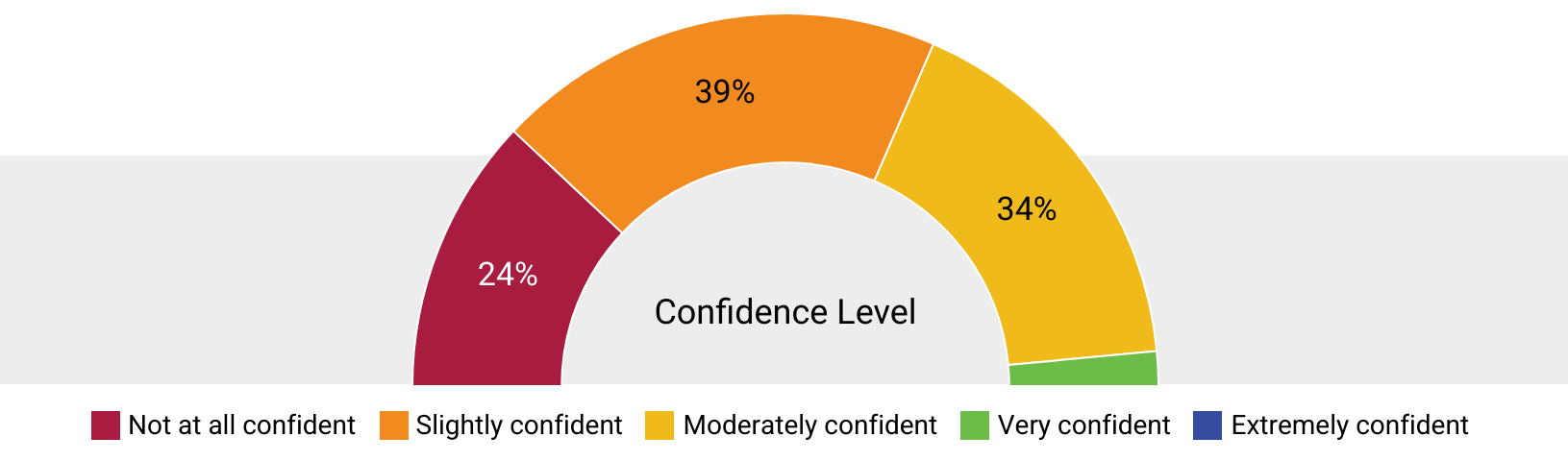
Despite the widespread organizational action, a profound sense of apprehension permeates the scholarly communications community regarding the collective ability to protect the integrity of the scholarly record. Nearly two-thirds of respondents (63%) expressed "slight" or "no confidence at all" in the ecosystem’s overall