Innovations in Medical Science and Public Health: From Mucosal Disease Treatments to Geographic Health Equity

The landscape of modern medicine is undergoing a transformative shift as researchers move beyond traditional drug discovery toward integrated, patient-centric solutions that address both biological ailments and systemic barriers to care. From the development of rapid-relief patches for oral ulcers to the sophisticated mapping of healthcare deserts in the Australian Outback, current scientific endeavors are focusing on "Close-to-Market" innovations and data-driven policy shifts. These advancements represent a multi-pronged approach to global health, prioritizing not only the efficacy of treatment but also the accessibility and simplicity of delivery. As the global population ages and the complexities of chronic conditions increase, the integration of MedTech, translational programs, and geographic intelligence is becoming the cornerstone of 21st-century healthcare.
Addressing Unmet Needs in Mucosal Disease: The Mucocort Innovation
Recurrent Aphthous Stomatitis (RAS), commonly known as canker sores, remains one of the most prevalent yet underserved oral conditions globally. Characterized by painful mucosal ulcers, RAS affects approximately 2% to 3% of the population on any given day. Despite its high prevalence, the medical community has long struggled with a lack of curative treatments, largely because the exact etiology of the condition remains unknown. For many patients, the condition is a chronic burden, with recurring episodes that last up to seven days, significantly impacting their ability to eat, speak, and maintain oral hygiene.
Under the leadership of Jean Lycke, a new innovation strategy is emerging to tackle this unmet medical need. The development of the Mucocort mucoadhesive patch marks a departure from traditional, often messy, topical gels and rinses. This patch is designed for easy application at the first sign of symptoms, providing immediate pain relief by creating a physical and protective barrier over the ulcer. The biodegradable nature of the patch ensures that it does not need to be painfully removed, further enhancing patient compliance.

The Mucocort program is a flagship example of the "Close-to-Market" innovation model. This approach emphasizes simplicity and efficiency within the often-convoluted healthcare regulatory environment. By utilizing the "4R" framework—Re-purposing, Re-formulation, Re-positioning, and Re-patenting—the development team has been able to streamline the path from laboratory concept to commercial availability. This framework allows researchers to take existing, safe compounds and apply them in novel delivery systems, thereby reducing the time and cost associated with traditional drug development.
Beyond RAS, the technology is being adapted for even more severe conditions. The team is currently extending the mucoadhesive innovation into a gel formulation aimed at preventing and treating chemotherapy-induced mucositis. This condition, a frequent and debilitating side effect of cancer treatment, can lead to severe infections and the inability to ingest nutrition. This separate commercialization effort, managed through MucoShield, highlights the scalability of mucoadhesive technology in addressing complex mucosal diseases.
Reimagining Vision Care: The TAAP-2 Initiative in Asia
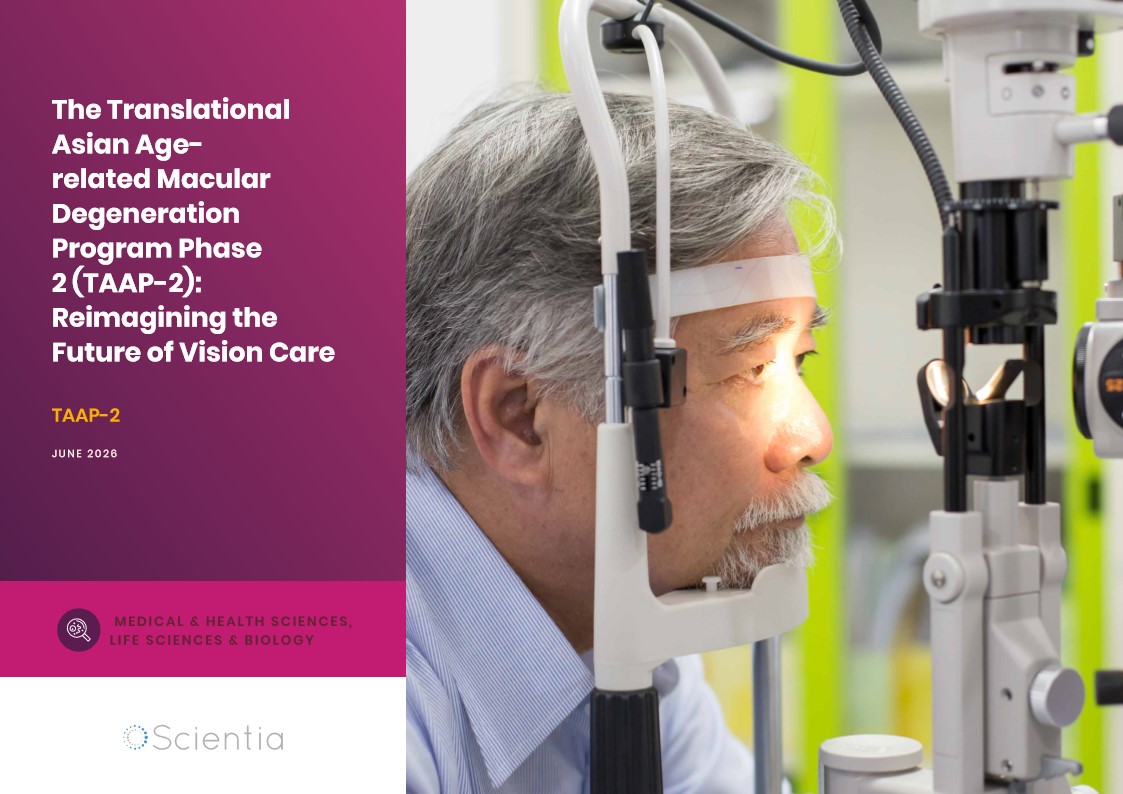
While mucosal research addresses localized pain, the Translational Asian Age-related Macular Degeneration Program (TAAP) is tackling one of the leading causes of permanent disability: vision loss. Age-related macular degeneration (AMD) is a progressive condition that erodes the macula, the part of the eye responsible for sharp, central vision. As populations in Asia age at an unprecedented rate, the socioeconomic impact of AMD is projected to skyrocket, threatening the independence of millions of older adults.
Now entering its second phase, TAAP-2 is an ambitious, multi-disciplinary effort to move laboratory discoveries into clinical settings more rapidly. The program recognizes that Asian populations may present with different genetic markers and phenotypic variations of AMD compared to Western populations, necessitating a localized approach to research and treatment. The "translational" aspect of the program is critical; it bridges the gap between basic science—such as identifying new biomarkers—and the development of practical therapies that can be administered in a standard clinic.

The implications of TAAP-2 extend beyond individual patient outcomes. By improving early detection and treatment, the program aims to reduce the long-term costs associated with vision impairment, such as increased caregiver burden and higher rates of falls and fractures among the elderly. The focus of TAAP-2 on "reimagining the future of vision care" involves integrating artificial intelligence for screening and developing long-acting delivery systems for anti-VEGF treatments, which are currently the standard of care but require frequent, invasive injections.
Pediatric Sleep Health: Moving Beyond Conventional Surgery
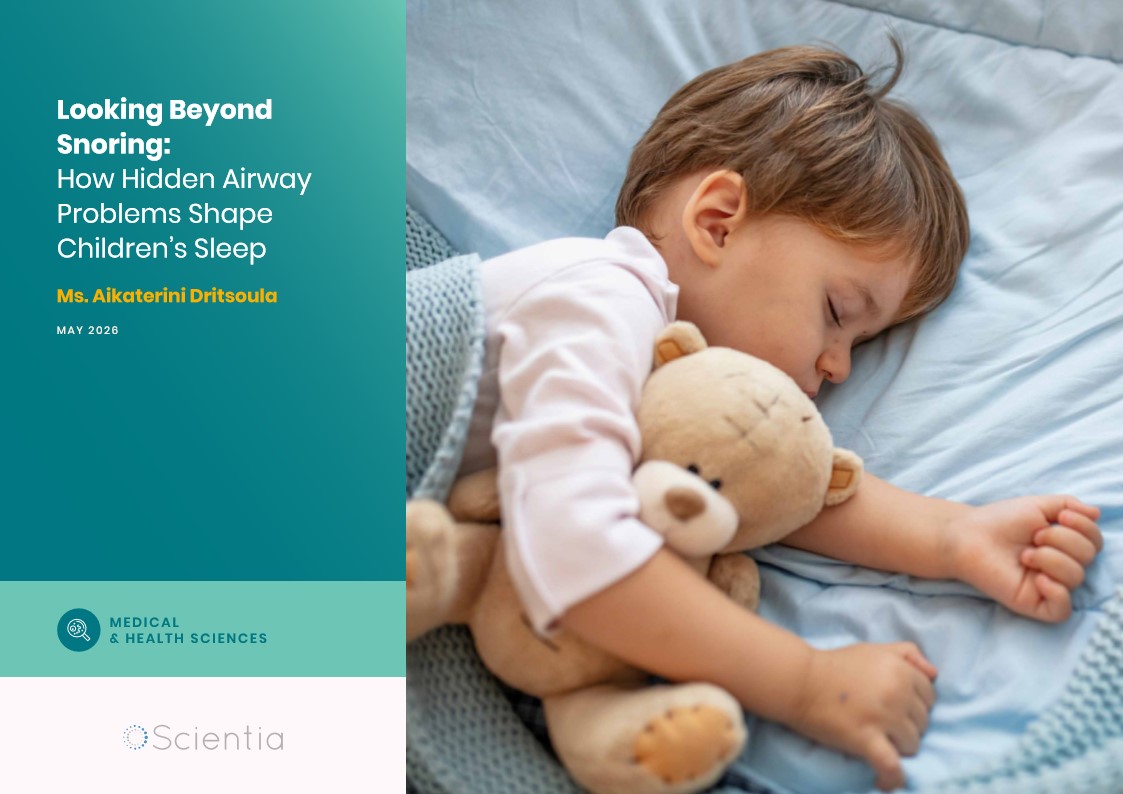
In the realm of pediatric health, research led by Ms. Aikaterini Dritsoula, a Consultant ENT Surgeon at The Leeds Teaching Hospitals NHS Trust, is challenging long-held assumptions about childhood snoring and sleep disorders. For decades, the presence of enlarged tonsils and adenoids was viewed as the primary, and often sole, cause of Obstructive Sleep Apnea (OSA) in children. Consequently, adenotonsillectomy became the standard surgical intervention.
However, Dritsoula’s research suggests that the pathophysiology of pediatric OSA is far more nuanced, particularly in very young children. While surgery remains effective for many, a significant cohort of children continues to experience disrupted breathing post-operation. This indicates that hidden airway problems—such as neuromuscular weakness or craniofacial variations—may be at play.
The stakes for treating pediatric OSA are high. Chronic sleep deprivation in children does not merely result in daytime tiredness; it can lead to hyperactivity, behavioral issues, and significant cognitive delays. By advocating for a more comprehensive diagnostic approach that looks "beyond snoring," Dritsoula is pushing the medical community toward personalized treatment plans. This might include non-surgical interventions, such as myofunctional therapy or specialized positive airway pressure devices, ensuring that every child has the respiratory support necessary for healthy development.
Mapping Health Access: Solving the Geographic "Postcode Lottery"
While biological and clinical innovations are vital, they are ineffective if the patient cannot reach the clinic. In Australia, the tyranny of distance remains a formidable barrier to health equity. Professors Neil Coffee and Vincent Versace at Deakin University’s Centre for Australian Research into Access (CARA) are utilizing address-level intelligence to quantify exactly how difficult it is for rural and remote residents to access essential services.
The CARA team’s work involves a sophisticated synthesis of data, including detailed residential dwelling locations and road network analysis. By calculating precise travel times and distances to the nearest healthcare providers, the researchers can identify "healthcare deserts"—areas where the population is statistically underserved. This modeling goes beyond simple radius circles on a map; it accounts for the actual infrastructure and transit realities of the Australian landscape.
The data generated by Coffee and Versace provides a powerful tool for health planners and policymakers. Rather than relying on anecdotal evidence of service gaps, the government can use these metrics to strategically place new clinics, deploy mobile health units, or expand telehealth infrastructure. Furthermore, this "spatial intelligence" is being applied to other essential sectors, such as education and emergency services, creating a holistic map of social vulnerability and service needs.
Chronology of Innovation and Future Implications
The timeline for these various medical and social innovations reflects a shift toward iterative, data-backed progress.
- Phase 1 (Discovery and Conceptualization): This period saw the identification of the 4R framework for Mucocort and the initial launch of the TAAP program to study AMD biomarkers in Asian cohorts.
- Phase 2 (Implementation and Scaling): Currently, TAAP-2 is expanding its clinical scope, while the Mucocort patch is moving toward OTC availability. Simultaneously, the CARA mapping project is being integrated into national health planning discussions in Australia.
- Phase 3 (Long-term Impact): The future of these programs lies in their ability to influence global standards. For mucosal disease, this means a new category of OTC mucoadhesive products. For AMD, it means a reduction in preventable blindness through precision medicine. For pediatric ENT, it means a lower rate of unnecessary surgeries and better developmental outcomes.
Analysis of Broader Impacts
The common thread among these diverse research areas is the move toward "Precision Public Health." Whether it is tailoring an eye treatment for an Asian genetic profile or mapping the exact road distance a mother must travel to find a pediatrician in the Outback, the goal is to replace "one-size-fits-all" medicine with targeted solutions.
The economic implications are equally significant. Close-to-market strategies, like those used by Jean Lycke, reduce the financial risk for investors and the ultimate cost to the consumer. Meanwhile, the work of Coffee and Versace helps prevent the "misallocation of resources," ensuring that taxpayer dollars are spent where the geographic need is greatest.
As these programs continue to evolve, they highlight a critical reality: the next great medical breakthrough may not be a new "miracle drug," but rather a better way to deliver existing care, a smarter way to diagnose a common condition, or a more equitable way to map our path to the doctor’s office. The integration of technology, geography, and clinical expertise is creating a more resilient healthcare system capable of meeting the needs of diverse populations across the globe.