

Hybrid Pedagogy Expands Scholarly Reach Through Critical Digital Pedagogy Publications and the Release of Undoing the Grade

The international academic community is witnessing a significant shift in the dissemination of educational theory as Hybrid Pedagogy, a leading digital journal and non-profit publisher, pivots its strategic focus toward long-form, book-length scholarship. This transition was recently underscored by the release of Undoing the Grade: Why We Grade, and How to Stop, a comprehensive volume by Jesse Stommel that interrogates the systemic implications of traditional assessment. The publication marks a milestone in the organization’s decade-long evolution from a digital-first article repository to a formal press specializing in critical digital pedagogy and marginalized academic voices.
The Evolution of Hybrid Pedagogy: From Digital Discourse to Print Scholarship
Hybrid Pedagogy was founded in 2011 as a platform to bridge the gap between digital technology and the humanistic traditions of teaching and learning. For over a decade, it has served as a peer-reviewed venue for articles that challenge conventional educational paradigms. However, the organization’s trajectory shifted toward more permanent, extensive records of scholarship in 2014, when it began releasing a series of digital-only books.

The true turning point for the organization’s publishing arm occurred in 2018 with the release of its first print volume, An Urgency of Teachers: The Work of Critical Digital Pedagogy, co-authored by Sean Michael Morris and Jesse Stommel. Since that inaugural print release, Hybrid Pedagogy has accelerated its output, publishing seven print books over the last five years. This growth reflects a broader trend in higher education where practitioners are seeking deep-dive analyses into the "why" of education rather than just the "how" of technology integration.
The press’s ethos remains rooted in creating dialogue rather than merely broadcasting information. By focusing on narrative scholarship and voices often excluded from traditional ivory-tower publishing, Hybrid Pedagogy has carved out a niche in the academic market that prioritizes social justice, equity, and the human element of instruction.
Deconstructing Assessment: The Impact of Undoing the Grade
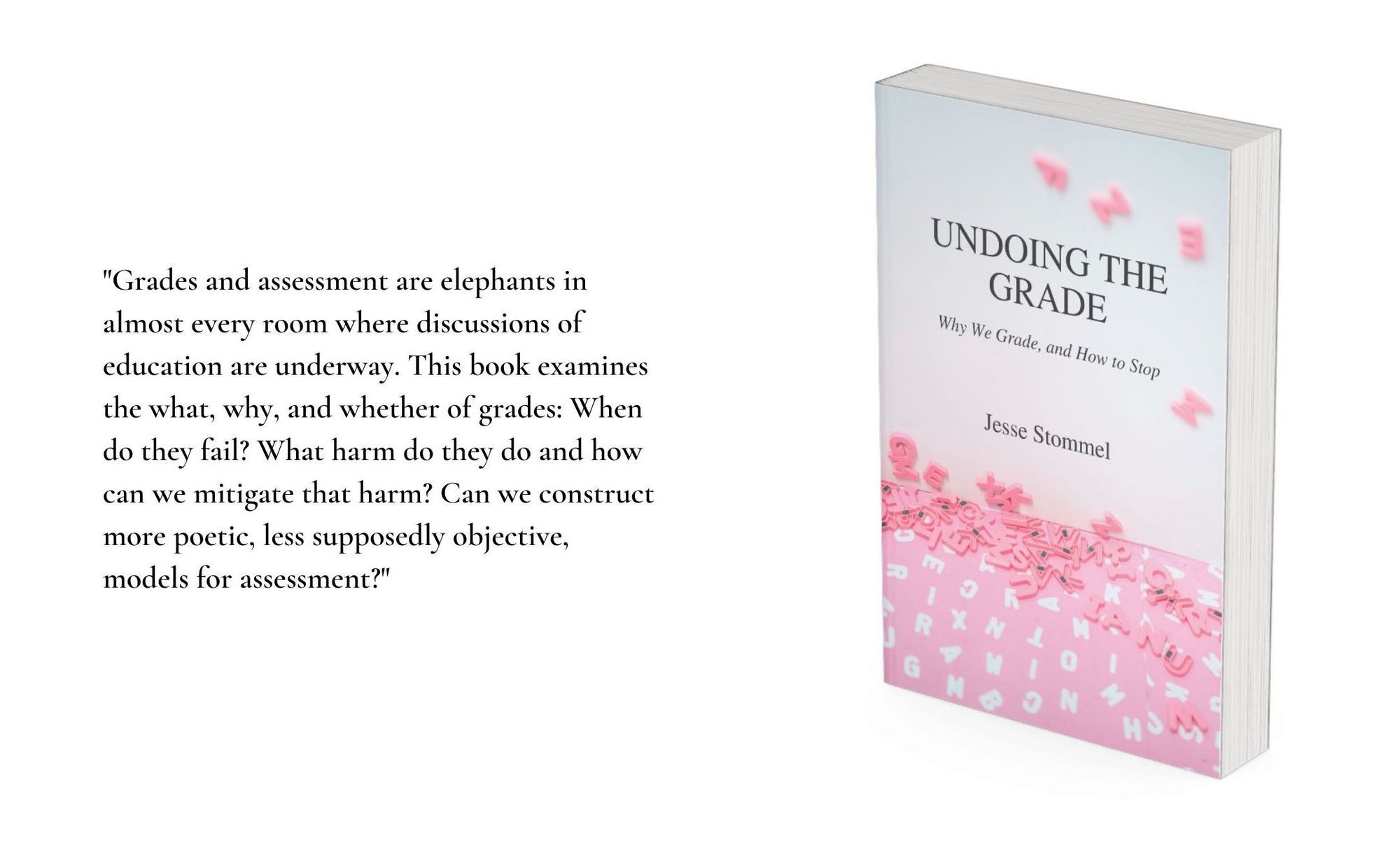
The centerpiece of Hybrid Pedagogy’s current publication cycle is Jesse Stommel’s Undoing the Grade: Why We Grade, and How to Stop. This work represents more than 20 years of research and pedagogical practice focused on the inequities inherent in standardized grading systems. Stommel, the Executive Director of Hybrid Pedagogy and a faculty member at the University of Denver, argues that grades are often "elephants in the room"—pervasive yet frequently unexamined barriers to genuine learning.
The book examines the historical origins of grading, the psychological harm associated with high-stakes assessment, and the structural changes required to move toward "ungrading." Ungrading is defined not merely as the absence of grades, but as a deliberate, ongoing process of questioning the power dynamics of the classroom. The volume offers practical, equitable alternatives to traditional assessment, aiming to construct models that are more "poetic" and less reliant on the false pretense of objective measurement.
To facilitate community engagement with these ideas, Hybrid Pedagogy has launched a series of open online office hours. These sessions, scheduled monthly from September through November, allow educators to discuss the book’s themes and refine their own assessment practices. This model of "open office hours" represents a hybrid approach to scholarship, where the text serves as a catalyst for synchronous, collaborative professional development.
A Chronology of Critical Digital Pedagogy Publications
The Hybrid Pedagogy catalog provides a roadmap of the shifting concerns within higher education over the last decade. Each volume addresses a specific tension between technology, institutional policy, and human care.
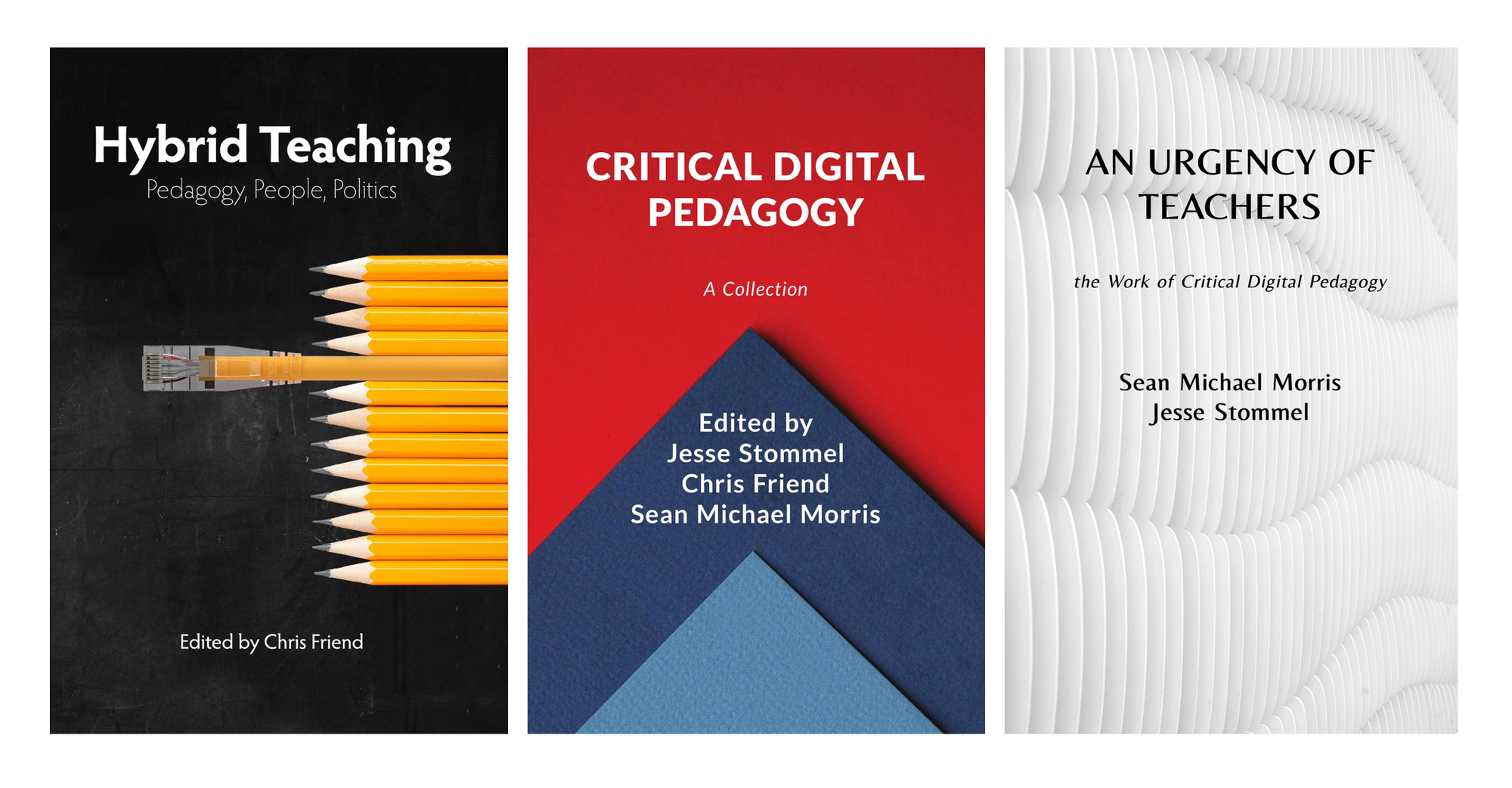
- An Urgency of Teachers (2018): This foundational text critiqued the instrumental use of educational technology, arguing for a "heart and soul" approach to digital learning. It set the stage for the organization’s focus on the political and social dimensions of the digital classroom.
- Critical Digital Pedagogy: A Collection (2020): Edited by Stommel, Chris Friend, and Sean Michael Morris, this was the first peer-reviewed collection specifically centered on the theory of critical digital pedagogy. It curated the best of the journal’s first 400 articles, featuring a foreword by renowned sociologist Ruha Benjamin.
- Hybrid Teaching: Pedagogy, People, Politics (2021): Edited by Chris Friend, this volume emerged during the global pivot to remote and hybrid instruction. It framed teaching as an act of "radical care," emphasizing that educators teach humanity, not technology.
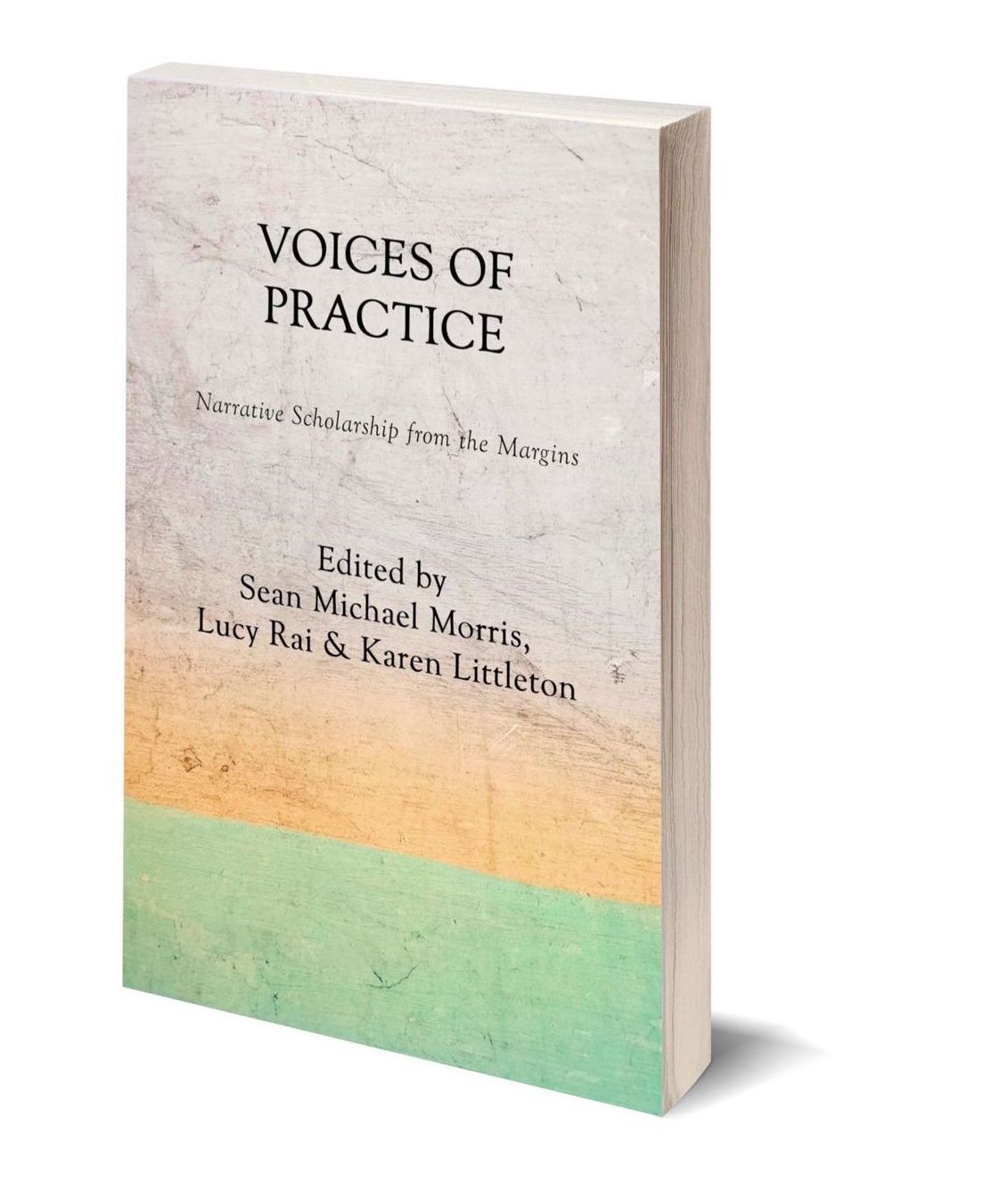
- Voices of Practice: Narrative Scholarship from the Margins (2021): This collection, edited by Morris, Lucy Rai, and Karen Littleton, challenged the definition of "academic" scholarship. Inspired by figures like bell hooks and Ruth Behar, it utilized personal reflections and vignettes to explore the intellectual development of practitioners who often remain at the periphery of mainstream publishing.
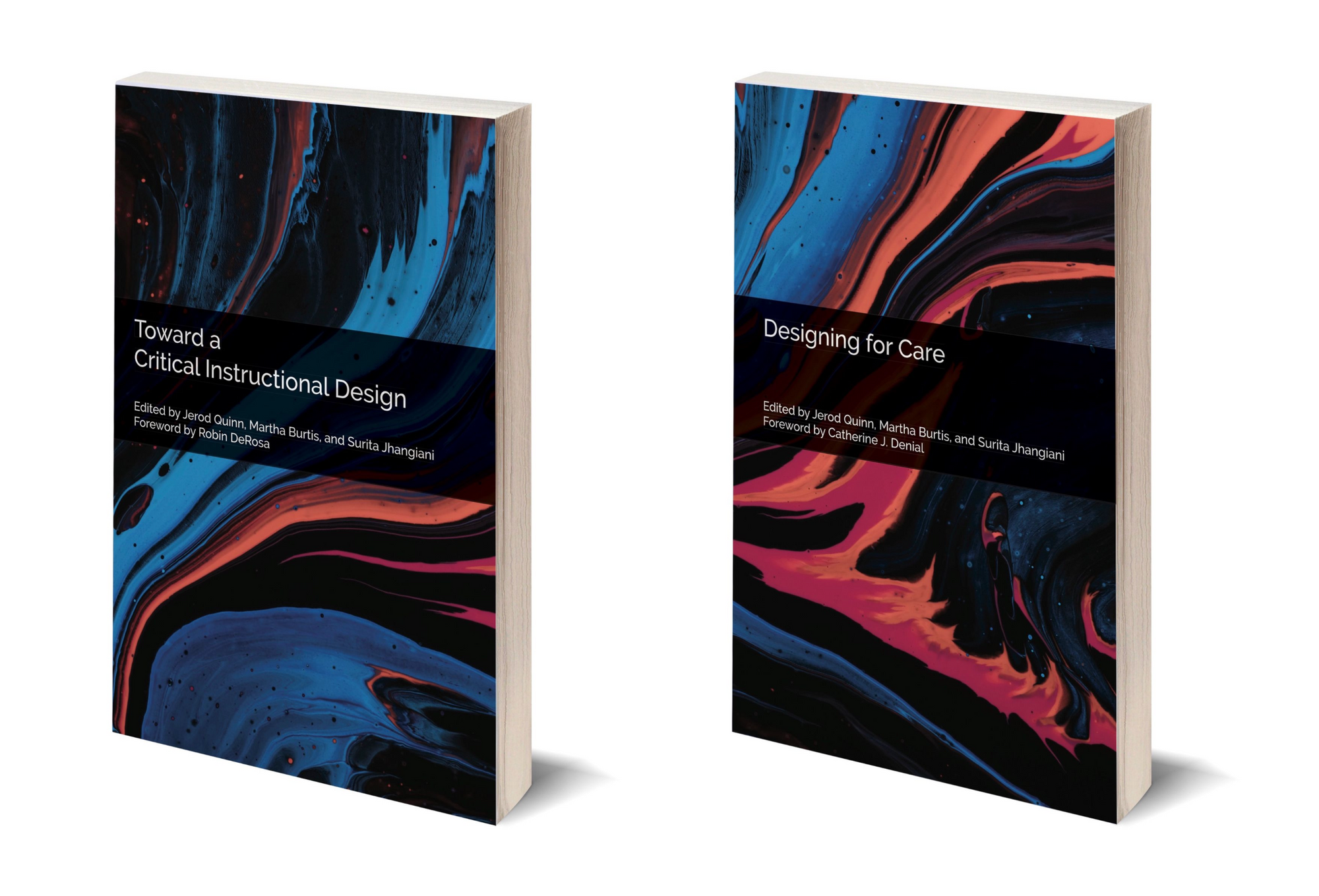
- Toward a Critical Instructional Design and Designing for Care (2022): These "sibling" volumes, edited by Jerod Quinn, Martha Burtis, and Surita Jhangiani, were born out of the COVID-19 crisis. They addressed the failure of traditional instructional design (ID) models during the pandemic, proposing instead a "humanizing, problem-posing" approach to design that prioritizes student and faculty well-being.
Supporting Data: The Rising Demand for Alternative Pedagogy
The shift toward the philosophies championed by Hybrid Pedagogy is supported by a growing body of data regarding student mental health and educational outcomes. According to recent surveys from the American Psychological Association (APA), over 60% of college students meet the criteria for at least one mental health problem, with academic stress—specifically related to grades—cited as a primary stressor.
Furthermore, studies on "ungrading" and intrinsic motivation suggest that when the focus shifts from extrinsic rewards (grades) to formative feedback, student engagement increases. Data from various institutional pilots of ungrading practices indicate that students from marginalized backgrounds often see the most significant benefits, as the removal of traditional grading structures can help mitigate the effects of stereotype threat and systemic bias.
The success of Hybrid Pedagogy’s open-access model also points to a changing economic landscape in academic publishing. By offering books in print, ebook, and "pay-what-you-can" open-access formats, the organization has bypassed traditional paywalls. This approach ensures that pedagogical insights are available to adjunct faculty, graduate students, and international educators who may lack the institutional funding to purchase expensive academic texts.
Official Responses and Inferred Academic Impact
While traditional educational institutions are often slow to adopt radical changes, the response to the "ungrading" and "critical instructional design" movements has been substantial. Leading figures in the field, such as Ruha Benjamin, Audrey Watters, and Maha Bali, have contributed forewords and endorsements to these volumes, signaling a high level of peer validation.

The "Designing for Care" initiative, in particular, has seen significant traction within Instructional Design departments. Many universities, having struggled with the "emergency remote teaching" phase of the pandemic, are now looking to these texts to build more resilient and empathetic online infrastructures. The inferred reaction from the broader academic community is one of cautious but growing interest in "human-centered" design as a necessary evolution of the digital campus.
Broader Implications for the Future of Higher Education
The work being done by Hybrid Pedagogy suggests a future where the digital and the human are not in opposition, but are deeply integrated through a lens of social justice. The organization’s focus on long-form publications indicates that the field of critical digital pedagogy has matured from a collection of experimental blog posts into a robust, evidence-based academic discipline.

The implications of this shift are three-fold:
- Policy Change: As volumes like Undoing the Grade gain traction, institutional leaders may face increased pressure to reform assessment policies, moving away from GPA-centric models toward portfolio-based or narrative evaluations.
- Inclusivity in Scholarship: By elevating "voices from the margins," Hybrid Pedagogy is actively reshaping what counts as "scholarship," potentially influencing tenure and promotion committees to value narrative and practice-based contributions.
- Sustainable Publishing: The non-profit, open-access model provides a blueprint for other academic journals and small presses to disseminate high-quality research without the gatekeeping and high costs associated with major corporate publishers.
As the academic year progresses and the "Ungrading Edition" of office hours continues, the influence of these publications is expected to grow. Hybrid Pedagogy remains open to new ideas for edited collections, signaling that their catalog will continue to expand in response to the evolving needs of the global teaching community. For educators seeking to navigate the complexities of the modern classroom, these books offer not just a critique of the status quo, but a tangible, compassionate path forward.