
Giant Poo Palace. Milking snakes. Devil cancer. And the surprising beauty of slime moulds.

The Biological Frontier: Slime Moulds and Photographic Excellence in Tasmania
In Tasmania, the final day of the festival shines a spotlight on the often-overlooked corners of the natural world. At Rosny Park, the exhibition "Nature’s Jewels: The Tiny, Enchanting World of Slime Moulds" showcases the work of Sarah Lloyd OAM. Slime moulds, or myxomycetes, represent a biological enigma; they are neither animals, plants, nor fungi, but rather belong to the kingdom Protista. Despite lacking a brain or central nervous system, these organisms demonstrate complex problem-solving capabilities, such as navigating mazes and optimizing nutrient distribution networks—a phenomenon that has long intrigued computational biologists and ecologists alike.
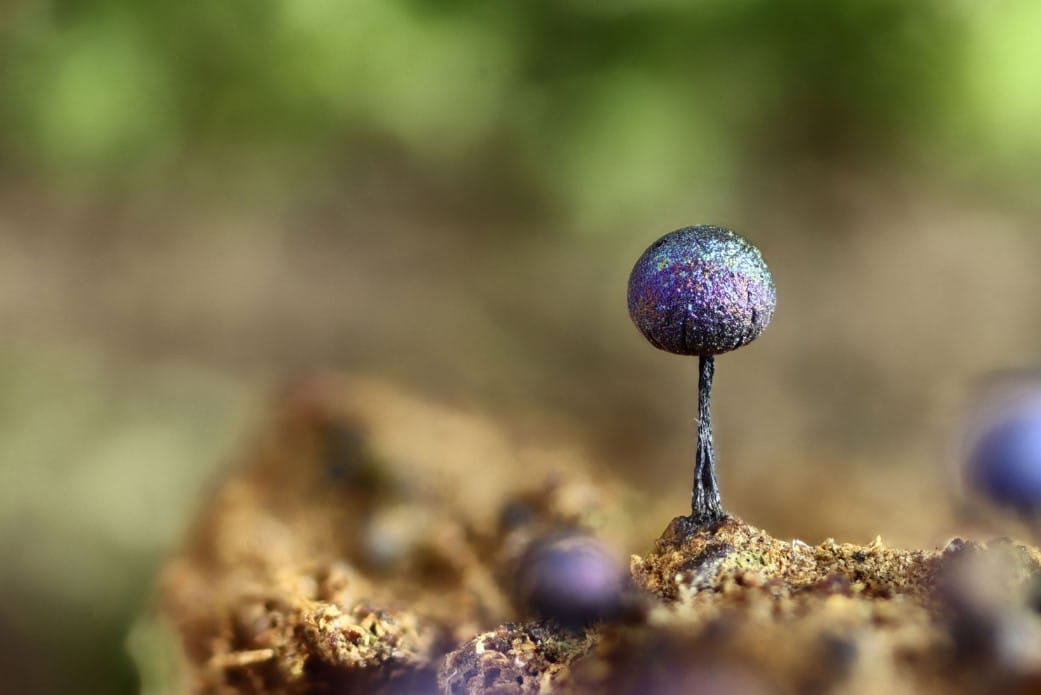
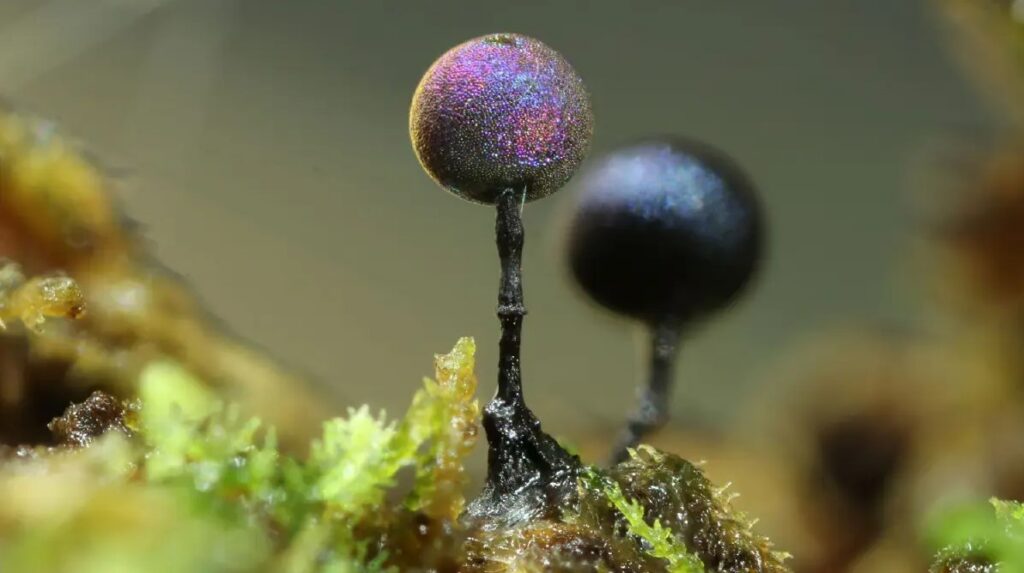
Sarah Lloyd, a dedicated citizen scientist, has spent over 16 years documenting these organisms in the wet eucalypt forests of Northern Tasmania. Her research has led to the discovery of an entirely new genus, Tasmaniomyxa umbilicata, along with four previously undocumented species. The exhibition provides a rare look at the life cycle of these organisms, from their "blob-like" plasmodial stage to the production of microscopic, jewel-like fruiting bodies. Public interest in species like Fuligo septica, colloquially known as "dog’s vomit slime," highlights the festival’s ability to engage the public with the less charismatic, yet ecologically vital, aspects of biodiversity.
Simultaneously, in Hobart, the Beaker Street Science Photography Prize Finalist Exhibition at the Tasmanian Museum and Art Gallery (TMAG) bridges the gap between aesthetic beauty and empirical observation. Featuring 12 finalists, the exhibition covers a spectrum of scientific inquiry, from the microscopic structures of microbes to the vast, retreating ice shelves of Antarctica. The inclusion of judges such as Wiradjuri astrophysicist Dr. Kirsten Banks and Marley Butler from Australian Geographic underscores the prestige of the competition. The exhibition, which runs through early September, allows the public to vote for the People’s Choice Award, reinforcing the festival’s goal of active public participation in scientific discourse.
Conservation and Public Health: Innovations in Queensland and New South Wales
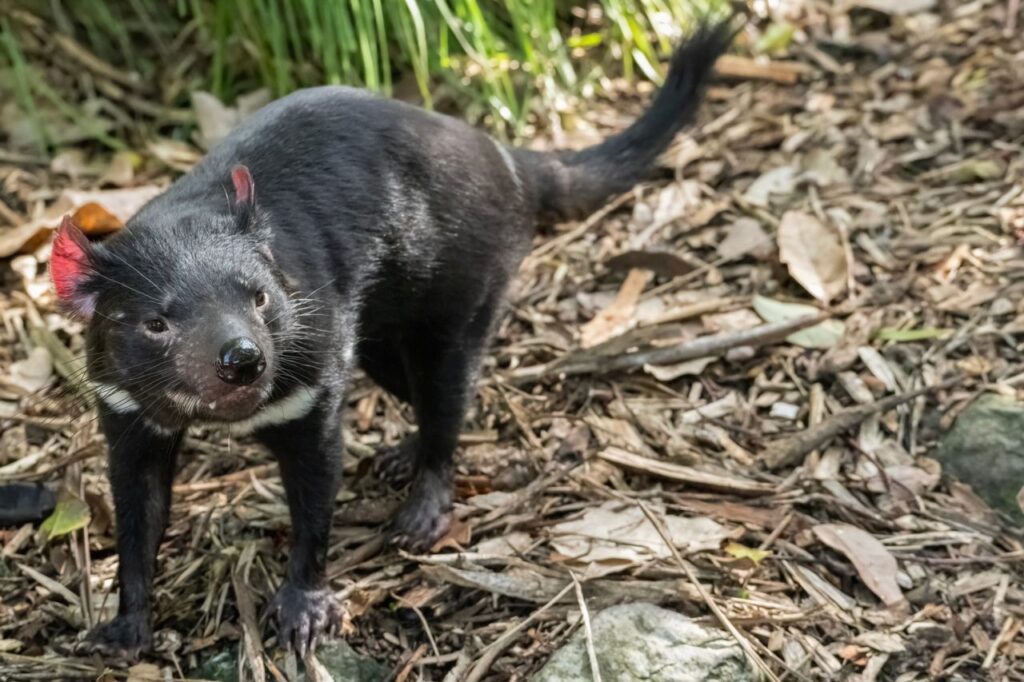
In Queensland, the Enoggera Reservoir hosts a critical dialogue on the survival of the Tasmanian devil (Sarcophilus harrisii). The species has faced a catastrophic population decline—estimated at over 80% in some regions—due to Devil Facial Tumour Disease (DFTD). DFTD is a rare form of transmissible cancer spread through biting, a common social behavior among devils. The event focuses on the "race against time" undertaken by conservationists and geneticists.
Researchers are currently employing a multi-pronged strategy: the establishment of "insurance populations" on islands and in fenced sanctuaries, and the development of potential vaccines. By tracking genetic diversity and monitoring wild populations, scientists hope to foster a resilient generation of devils that can eventually be reintroduced to their native habitats. This event emphasizes that conservation is not merely about preservation but involves sophisticated genomic research and habitat management.
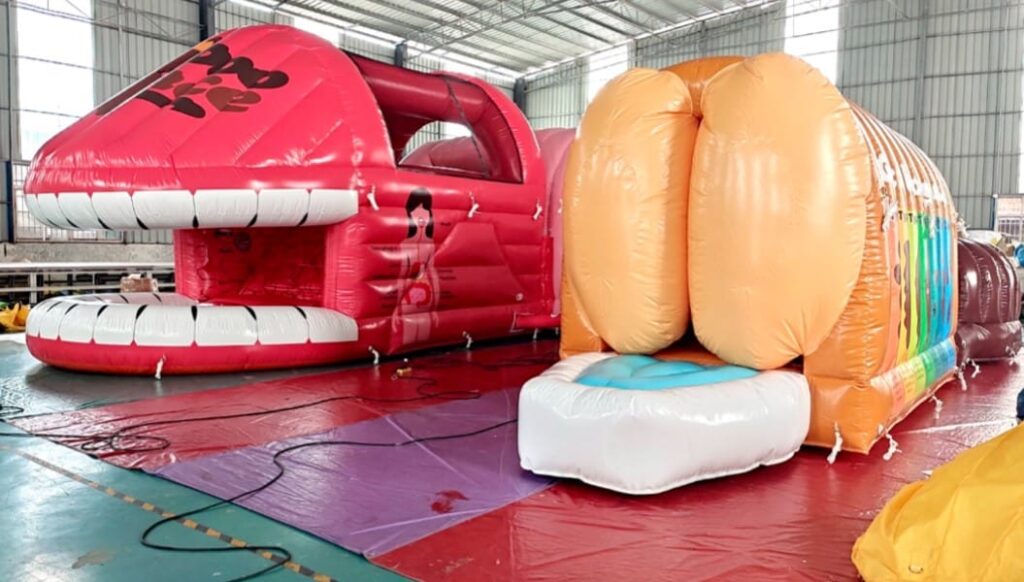
In New South Wales, the Hunter Science Festival at the Newcastle Museum offers a more tactile approach to science communication. The centerpiece of the event is the "Poo Palace," a giant inflatable structure developed by the Hunter Medical Research Institute (HMRI). The installation allows participants to "follow food from lips to lavatory," providing an immersive lesson in human physiology, digestive health, and the microbiome.
The festival in Newcastle serves as a hub for regional engagement, featuring robotics demonstrations, Indigenous science workshops, and "The Bubble Laboratory." By showcasing local achievements from the University of Newcastle and small businesses, the event promotes STEM as a viable and exciting career path within the region. The inclusion of "garbology"—the study of modern refuse and waste management—further connects scientific principles to the pressing contemporary issue of environmental sustainability.
The Intersection of Culture and Science: ACT and Regional NSW
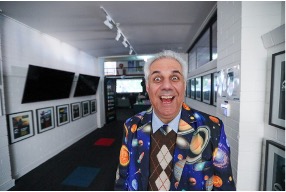
In the Australian Capital Territory, the Space Faring Civilisation (SFC) Film Festival at the National Film and Sound Archive provides a unique narrative-driven perspective on science. Founded by Masoud Varjavandi, an Iranian refugee and dedicated "Trekkie," the festival explores the concept of a "better future" through the lens of science fiction and documentary shorts. Varjavandi, who found solace in the optimistic themes of Star Trek during his family’s persecution in the 1980s, uses the festival to advocate for progress, peace, and international cooperation in space exploration.
The SFC Film Festival is preceded by stop-motion animation workshops in Canberra’s major shopping centers, including Westfield Belconnen and the Canberra Centre. These "Science in the Centres" pop-ups are a strategic component of National Science Week, designed to reach "incidental" audiences who may not otherwise seek out scientific events. By integrating rockets, rocks, and reptiles into the retail environment, the initiative breaks down the barriers between the laboratory and everyday life.

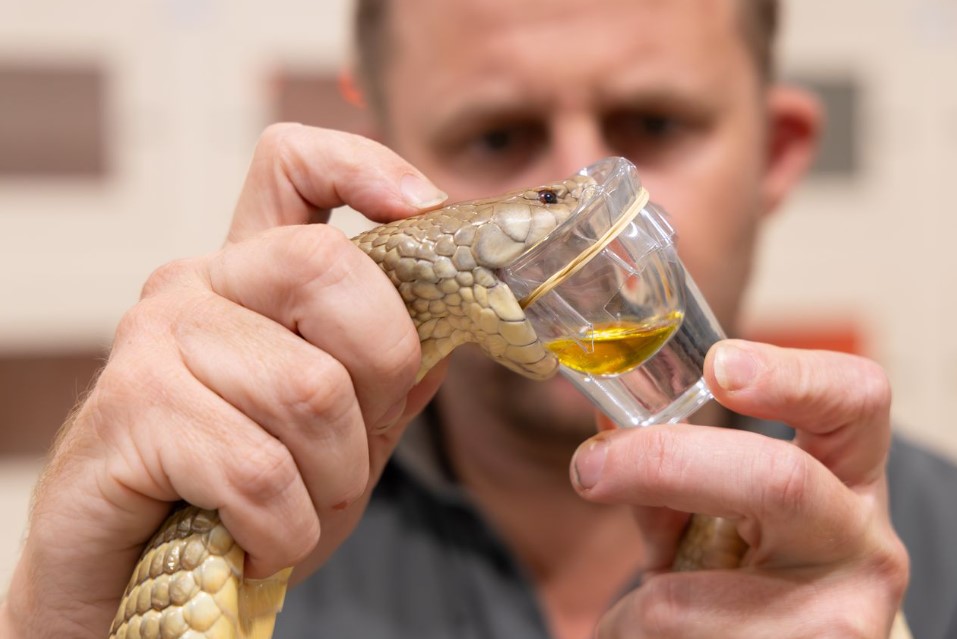
Further south in New South Wales, the Australian Reptile Park near Gosford hosts live demonstrations of one of the most dangerous jobs in science: snake milking. Professional "Venom Keepers," including Billy Collett and Brandon Gifford, demonstrate the extraction of venom from some of the world’s most lethal serpents. This process is the foundational step in the production of life-saving antivenom.
Australia is home to some of the most venomous terrestrial snakes on Earth, including the Inland Taipan and the Eastern Brown Snake. The science of venom—a complex cocktail of proteins and enzymes—is not only vital for emergency medicine but also shows promise in the development of treatments for heart disease and chronic pain. These demonstrations provide a visceral reminder of the practical, life-saving applications of herpetology and pharmacology.
Community Accessibility and Indigenous Knowledge
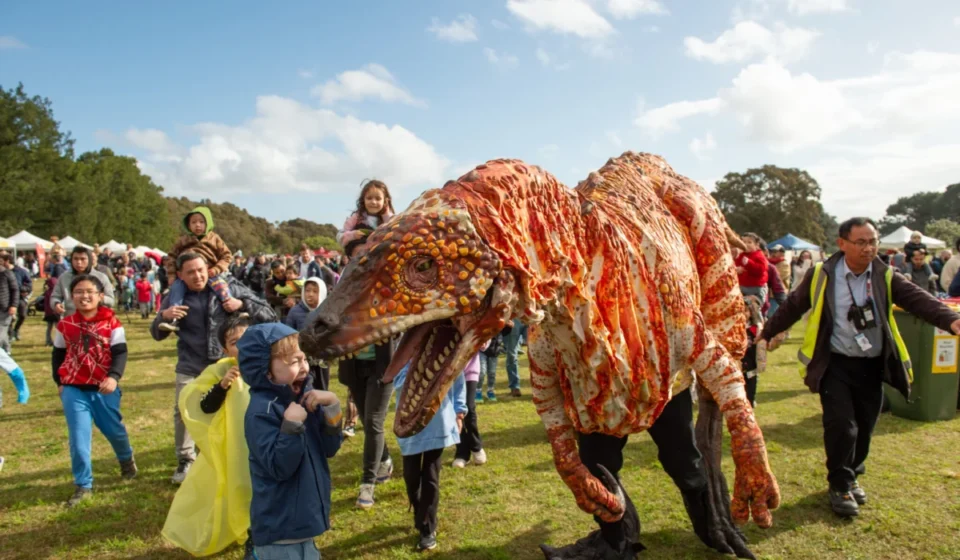
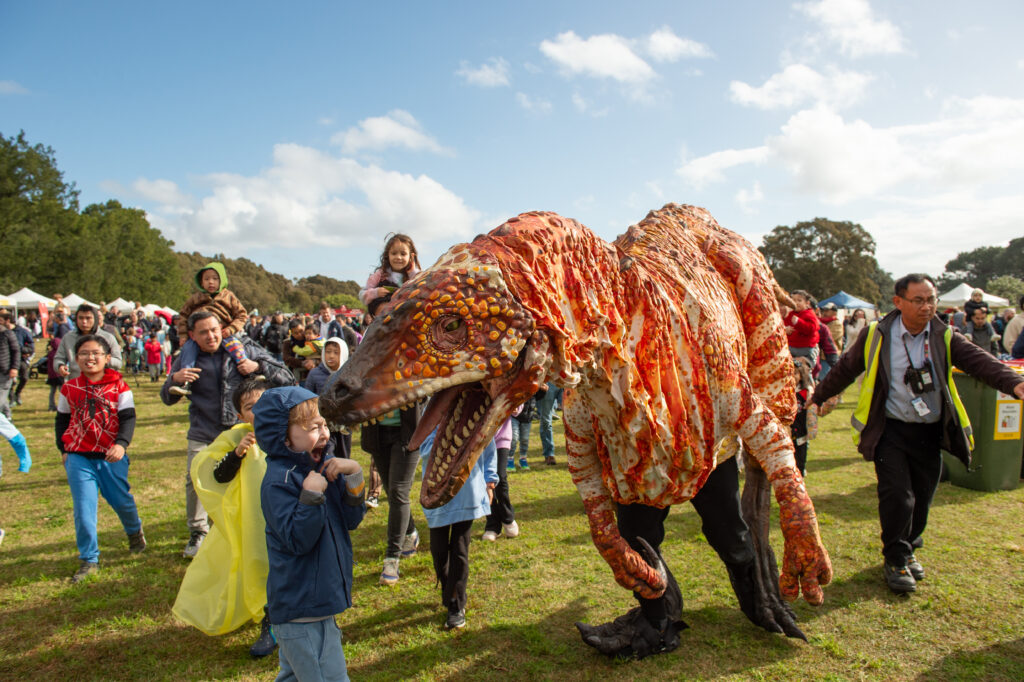
In Western Sydney, "Science in the Scrub" at Lizard Log, Abbotsbury, brings the festival to one of Australia’s most diverse urban populations. The event features "Ginger," a life-sized replica of Australovenator, a theropod dinosaur that roamed Australia during the Cretaceous period. However, the event’s significance extends beyond paleontology. The First Nations Science Village highlights the sophisticated scientific knowledge held by Indigenous Australians for over 60,000 years.
Activities such as Indigenous seaweed harvesting and the tasting of bush cordials illustrate the deep understanding of botany, chemistry, and ecology inherent in Traditional Ecological Knowledge (TEK). Integrating First Nations science into National Science Week acknowledges that science is a global human endeavor with deep roots in the Australian landscape. The "Science in the Scrub" program also includes robotics challenges and the pop-up Ocean Lab, ensuring that high-tech and nature-based science are presented as complementary fields.

Chronology and Strategic Importance of National Science Week
National Science Week operates on a strategic timeline designed to maximize educational impact. While the main festival occurs in August, planning involves a year-round collaboration between the Commonwealth, state governments, and the scientific community.
- February – May: Grant applications and event registration open for schools and community groups.
- June – July: Distribution of educational resources to over 9,000 schools across Australia.
- Early August: Launch of major flagship events and the Beaker Street Festival in Tasmania.
- Sunday 23 August: The final day, marked by high-traffic community events and the closing of major exhibitions.
The economic and social implications of the festival are substantial. According to the Australian Bureau of Statistics and various STEM advocacy reports, the demand for STEM-qualified workers is growing at nearly twice the rate of other occupations. Events like National Science Week are essential for maintaining a "pipeline" of talent. By engaging children in shopping centers and families in parks, the festival demystifies the scientific process and challenges the stereotype of the "isolated scientist."
Broader Impact and Future Implications
The success of the final day of National Science Week reflects a broader shift in how science is communicated to the public. There is a moving away from top-down lectures toward interactive, multi-sensory experiences. Whether it is through the "Poo Palace" in Newcastle or the cinematic visions of a space-faring future in Canberra, the focus remains on relevance and engagement.
Official responses from the scientific community suggest that such public outreach is more critical than ever. In an era of misinformation, fostering a basic understanding of the scientific method—observation, hypothesis, and evidence-based conclusion—serves as a vital safeguard for public discourse. The integration of citizen science, as seen in Sarah Lloyd’s work with slime moulds, also demonstrates that the public can contribute meaningfully to the body of scientific knowledge.
As the final day of National Science Week draws to a close, the focus shifts to the long-term impact of these events. The goal of the organizers is that the curiosity sparked on Sunday, 23 August, will translate into sustained interest throughout the year. With a focus on diversity, from the microscopic to the cosmic, the festival ensures that science remains at the heart of the Australian identity, driving innovation and providing the tools to solve the complex challenges of the 21st century.