Giant Poo Palace. Milking snakes. Devil cancer. And the surprising beauty of slime moulds.

The Evolution and Impact of National Science Week
National Science Week, established in 1997, has grown into one of Australia’s largest annual festivals. With over 1,000 events typically held each year, the initiative is supported by the Australian Government, alongside partners such as the CSIRO, the Australian Broadcasting Corporation (ABC), and the Australian Science Teachers Association (ASTA). The primary objective of the week is not only to celebrate scientific achievement but also to encourage younger generations to pursue careers in science and innovation, which are viewed as critical drivers for the nation’s future economic stability.
The final day of the festival is strategically designed to maximize family participation and community engagement. By utilizing public spaces such as museums, shopping centers, and parks, the program ensures that science is accessible to the general public rather than confined to laboratories or academic institutions.
Biological Wonders: The Intelligence of Slime Moulds
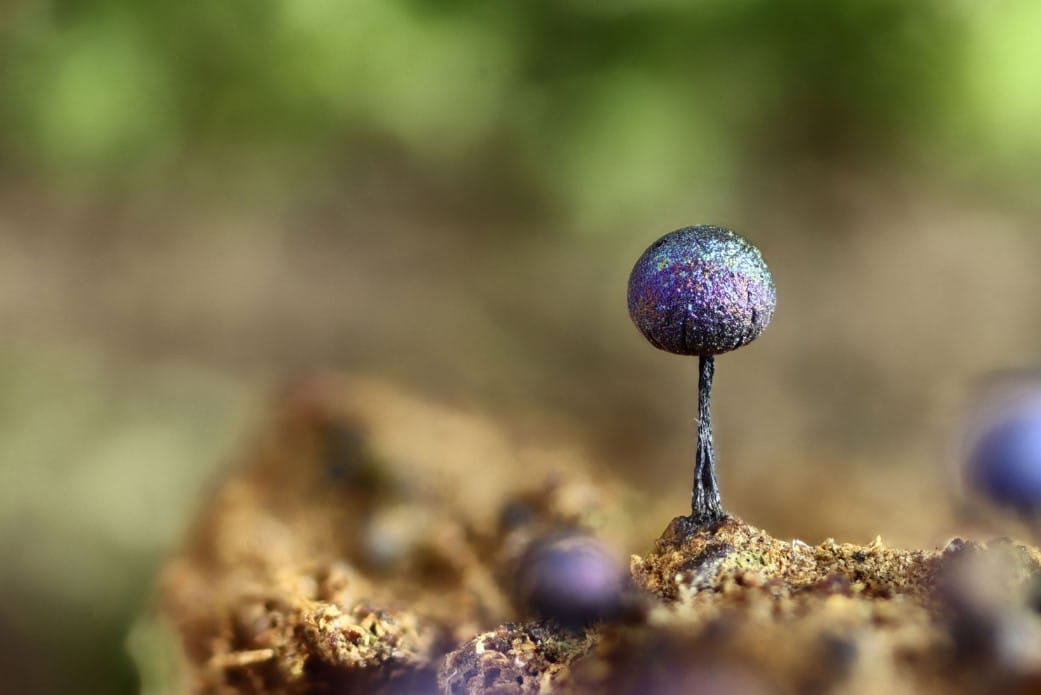
In Rosny Park, Tasmania, the "Nature’s Jewels" exhibition highlights the work of Sarah Lloyd OAM, a dedicated naturalist who has spent over 16 years documenting the often-overlooked world of myxomycetes, or slime moulds. This exhibition is particularly significant because it challenges traditional biological classifications. Slime moulds are neither plants, animals, nor fungi; they are single-celled organisms that exhibit collective intelligence.
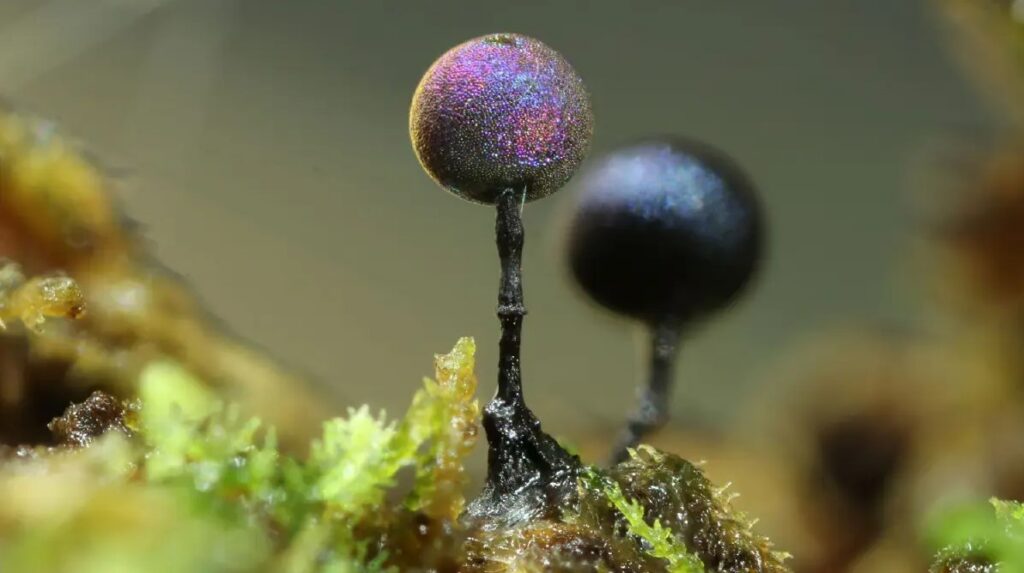
Research into slime moulds, specifically species like Physarum polycephalum, has shown that despite lacking a central nervous system, these organisms can navigate mazes, solve complex spatial problems, and even "remember" the location of food sources. Lloyd’s work in the wet eucalypt forests of Northern Tasmania has led to the discovery of an undocumented genus, Tasmaniomyxa umbilicata, and four new species. By showcasing specimens such as Fuligo septica—colloquially known as "dog’s vomit slime"—the exhibition aims to demystify these organisms and emphasize their vital ecological role in nutrient cycling and soil health.
Conservation Science: The Race to Save the Tasmanian Devil
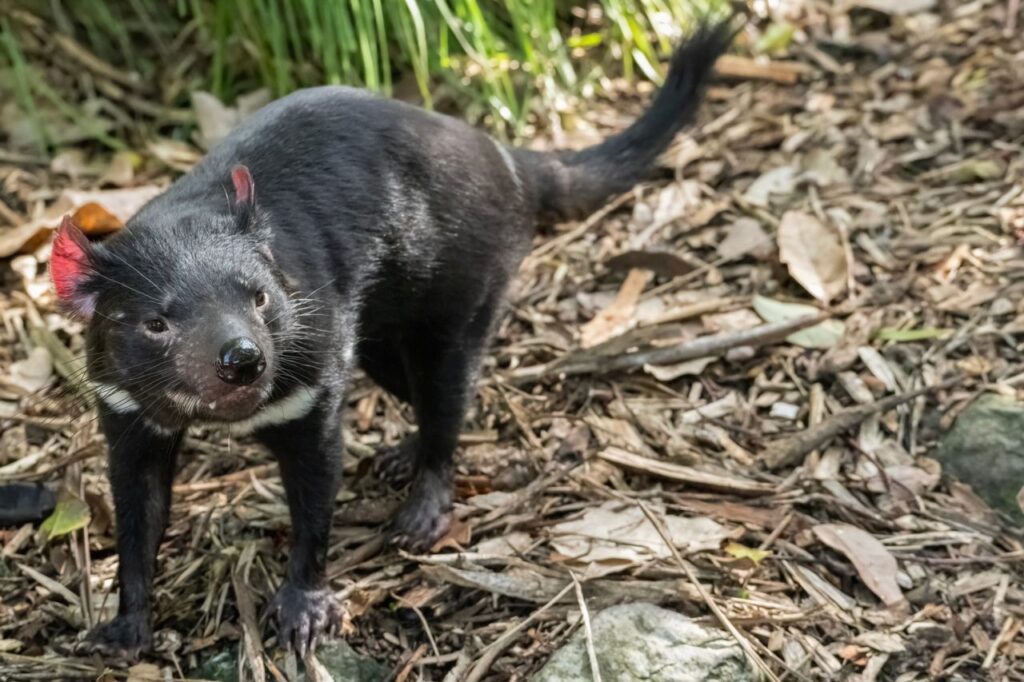
While Tasmania celebrates its flora and micro-organisms, Queensland’s Enoggera Reservoir hosts a critical discussion on the survival of the Tasmanian devil (Sarcophilus harrisii). The species currently faces an existential threat from Devil Facial Tumour Disease (DFTD), a rare form of transmissible cancer. Since the disease was first detected in 1996, wild populations have declined by approximately 80%, leading to the species being listed as endangered.
The Sunday event focuses on the intersection of genetics, immunology, and field biology. Scientists are currently engaged in a multi-pronged strategy to prevent extinction, which includes the "Insurance Population" program—a captive breeding initiative designed to maintain genetic diversity. Furthermore, researchers are investigating the devils’ immune responses to see if some individuals are developing a natural resistance to the tumours. The public presentation underscores how tracking data and genomic sequencing are used to manage wild populations and plan reintroduction efforts, providing a case study in how rapid scientific intervention can stall an ecological disaster.
Public Health Education: The Hunter Science Festival and the Poo Palace
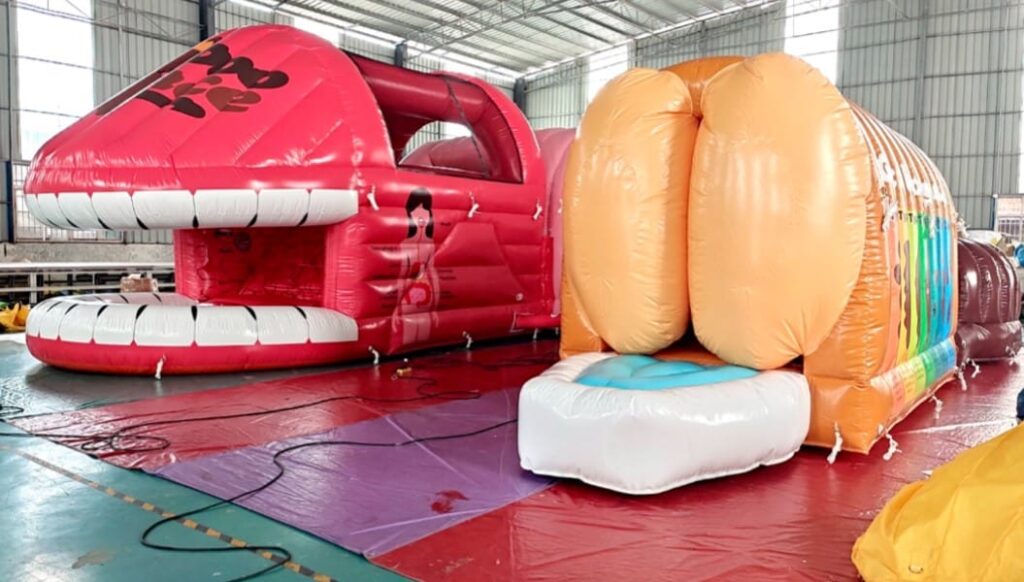
In Newcastle, New South Wales, the Hunter Science Festival at the Newcastle Museum takes a more tactile approach to science communication. A central attraction is the "Poo Palace," a giant inflatable installation created by the Hunter Medical Research Institute (HMRI). This exhibit allows visitors to physically walk through a simulation of the human digestive system, tracing the journey of food from ingestion to excretion.
While the exhibit is designed to be humorous and engaging for children, it carries a serious educational message regarding gut health, microbiology, and the importance of a high-fiber diet. Australia has one of the highest rates of bowel cancer in the world, and initiatives like the Poo Palace are vital for normalizing conversations about digestive health and encouraging early preventative habits. The festival also integrates robotics, Indigenous science, and "garbology"—the study of waste—to provide a holistic view of how science impacts daily urban life.
Science Through Cinema: The Space Faring Civilisation Film Festival
The Australian Capital Territory offers a unique cultural perspective on science through the Space Faring Civilisation (SFC) Film Festival in Canberra. Founded by Masoud Varjavandi, an Iranian refugee and filmmaker, the festival explores the intersection of science fiction and human aspiration. Varjavandi’s background as a member of the Baha’i community, who faced persecution in Iran, informs his view of science as a tool for universal progress and peace.
The SFC Film Festival serves as a platform for science communication through storytelling. By screening award-winning sci-fi and documentary shorts, the event encourages the public to envision a future where space exploration fosters global cooperation rather than conflict. This year’s program includes stop-motion animation workshops, allowing participants to use technology to tell their own scientific stories. The festival highlights a growing trend in STEM education: the "STEAM" movement, which integrates the Arts into traditional science and engineering fields to foster creativity and innovation.
Biomedical Innovation: Venom Milking at the Australian Reptile Park
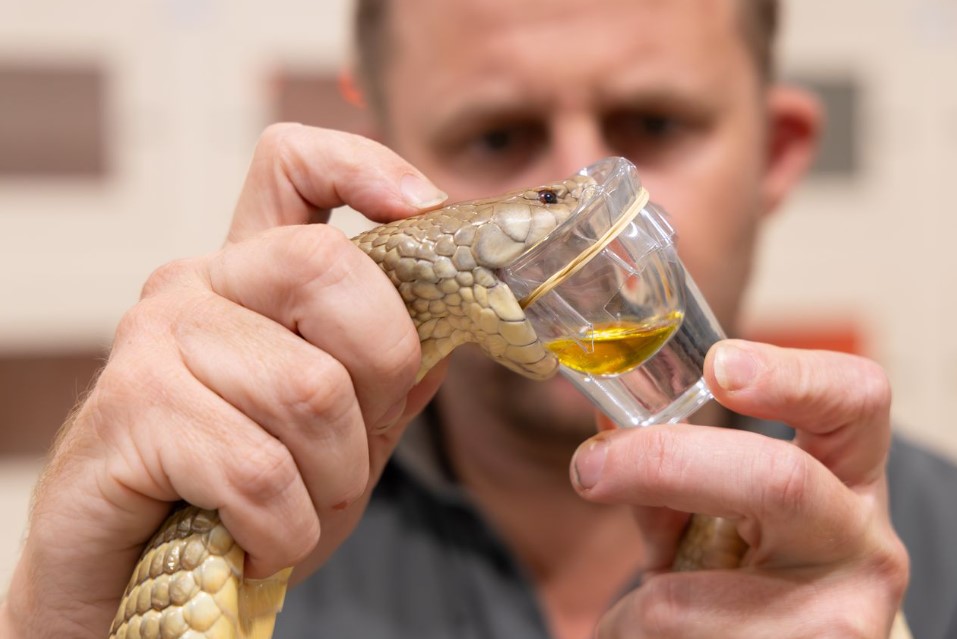
Near Gosford, New South Wales, the Australian Reptile Park provides a live demonstration of life-saving science. The park is home to a rigorous venom-milking program involving some of the world’s most dangerous snakes, including the Inland Taipan and the Eastern Brown Snake. This program is the backbone of Australia’s antivenom production.
The process of milking a venomous snake is a high-stakes task that requires precision and deep biological knowledge. The collected venom is sent to CSL Seqirus, where it is used to produce antivenom that saves hundreds of lives annually. During National Science Week, keepers like Billy Collett and Brandon Gifford explain the biochemical properties of venom—how it attacks the nervous system or the blood—and how those same toxic properties are being researched for potential use in treating blood pressure, heart attacks, and even certain types of cancer. This highlights the dual nature of biological toxins as both a threat to life and a source of medical breakthroughs.
Community Integration: Science in the Scrub and Shopping Centres
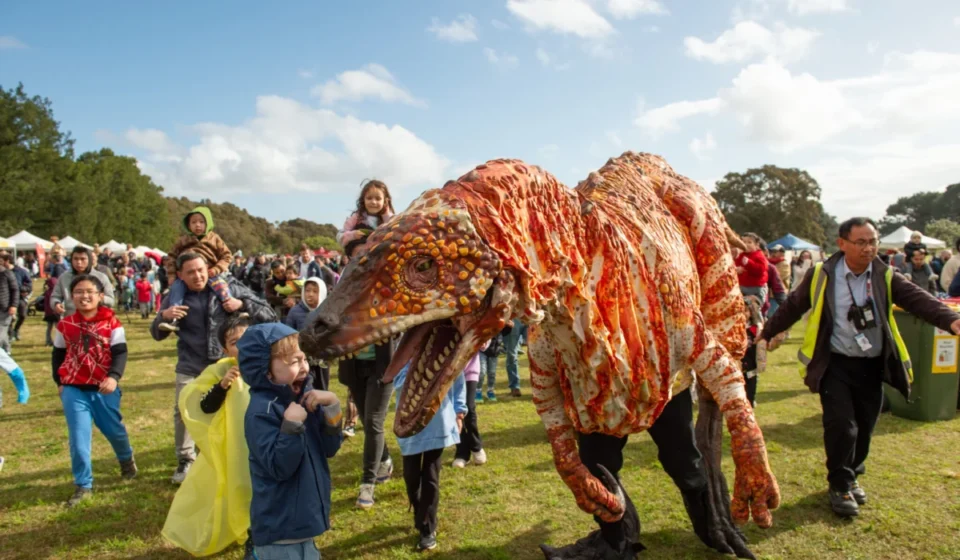
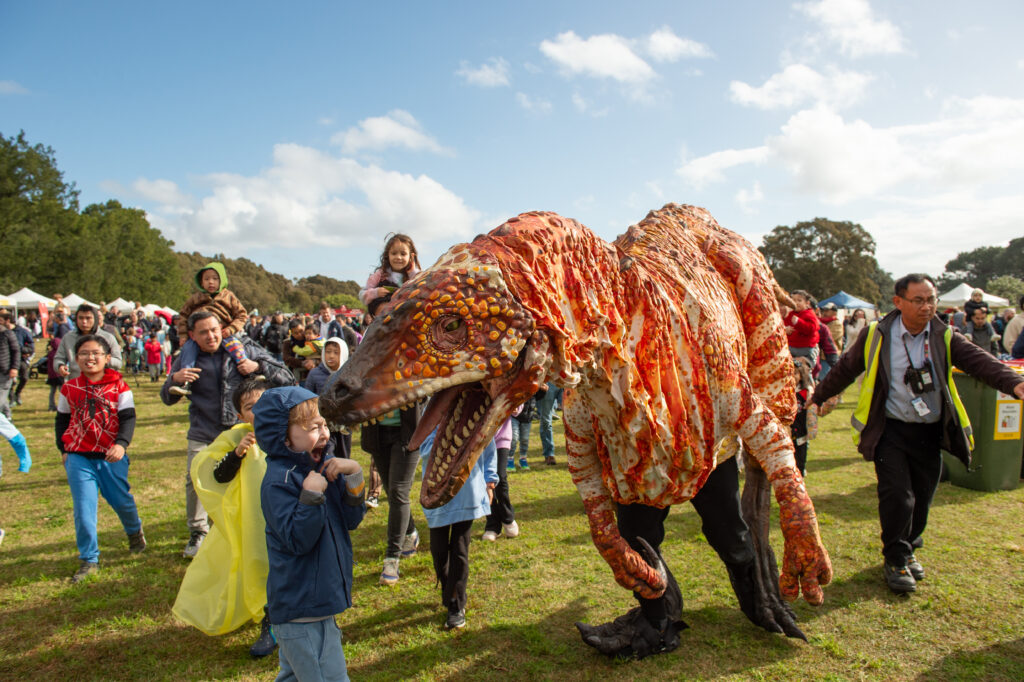
Accessibility remains a cornerstone of the final day’s highlights. "Science in the Scrub" at Lizard Log in Abbotsbury, NSW, brings science to Western Sydney Parklands. A major feature of this event is the First Nations Science Village, which focuses on Indigenous knowledge systems. This includes seaweed harvesting techniques and the use of native plants for medicinal purposes, acknowledging that Aboriginal and Torres Strait Islander people are Australia’s first scientists. By tasting bush cordials and engaging with "Ginger," a life-sized model of the Australovenator dinosaur, visitors are reminded of Australia’s deep prehistoric and cultural history.

Simultaneously, in the ACT, "Science in the Centres" brings pop-up laboratories to major shopping malls like Westfield Belconnen and the Canberra Centre. This strategy targets "passive" audiences—people who may not have intended to visit a science event but are drawn in by interactive displays of rockets, reptiles, and rocks. This model of community engagement is highly effective in breaking down the perceived barriers of science, making it a part of the everyday landscape.
The Visual Power of Research: The Beaker Street Science Photography Prize
In Hobart, the Beaker Street Festival’s Science Photography Prize Finalist Exhibition at the Tasmanian Museum and Art Gallery (TMAG) demonstrates the aesthetic beauty of the natural world. The exhibition features twelve finalist images that range from microscopic views of microbes to panoramic shots of the Antarctic ice shelf.
Photography is a powerful tool for science communication, as it can evoke an emotional response that raw data often cannot. This year’s judges, including astrophysicist Dr. Kirsten Banks and photographer Marley Butler, selected images that emphasize the vulnerability and complexity of the Southern Ocean and Antarctica. As the public votes for the "People’s Choice Award," the exhibition fosters a sense of ownership and curiosity regarding the environmental challenges facing the region, particularly the impact of climate change on polar ecosystems.
Broader Implications and Future Outlook
The final day of National Science Week is more than a series of events; it is a reflection of Australia’s scientific identity. The diversity of the program—spanning from the depths of the ocean to the far reaches of space, and from the microscopic to the prehistoric—illustrates a society that values inquiry and evidence-based knowledge.
Analysis of public engagement during this week suggests that such initiatives are crucial for maintaining a scientifically literate population. In an era of rapid technological change and environmental uncertainty, understanding the scientific method is essential for informed citizenship. Furthermore, the emphasis on regional events, such as those in Newcastle and Gosford, ensures that scientific opportunities are not concentrated solely in capital cities, fostering a truly national culture of innovation.
As the curtains close on Sunday, August 23, the legacy of the week continues through the partnerships formed and the curiosity ignited in the thousands of attendees. The success of these final day highlights ensures that National Science Week remains a vital fixture in the Australian cultural calendar, continuing to inspire the next generation of researchers, explorers, and thinkers who will shape the future of the continent and the world.