
Cultivating Scientific Breakthroughs: The Enduring Power of Research Collaboration and Strategic Networking

If collaborative working is the bedrock of science, then networking is the fertile soil from which it grows. Developing robust professional relationships to nourish research collaborations should transcend mere episodic interactions at conferences or a perfunctory checklist item. Instead, like a healthy, intricate root system, impactful research collaboration must be cultivated deliberately over time through thoughtful planning, consistent nurturing, and dedicated care. This proactive approach is no longer a luxury but a fundamental necessity for scientific advancement in the 21st century.
The Indispensable Role of Collaboration in Modern Science
In today’s complex research ecosystem, the most pressing global challenges—ranging from climate change and global health crises to artificial intelligence ethics and sustainable energy solutions—rarely confine themselves within the narrow boundaries of a single discipline. The era of the lone genius making isolated breakthroughs has largely given way to one where synergistic, interdisciplinary teams drive innovation. Whether researchers are seeking new partnerships, preparing ambitious grant proposals, collecting and analyzing vast datasets, or striving to expand the societal impact of their discoveries, collaboration consistently leads to superior methodology, a broader spectrum of expertise, access to significantly larger and more diverse datasets, and ultimately, greater visibility and influence.
The compelling case for researchers to actively engage in collaborative endeavors continues to strengthen. Empirical evidence underscores this trend:
- Studies have shown a direct correlation between scholar collaboration and the impact and quality of academic papers. For instance, research published in the Journal of Informetrics (Franceschet & Costantini, 2010) demonstrated that collaborative papers tend to receive more citations, suggesting higher scholarly impact.
- Academic collaboration rates and their associated citation advantages vary substantially across different countries and scientific fields, yet the overall trend indicates that collaborative outputs are generally more highly cited (Thelwall & Maflahi, 2020). This global phenomenon highlights a shared understanding of collaboration’s value.
- Further analysis indicates that specific types of international co-authorships, particularly those bridging diverse geographical and institutional contexts, tend to produce higher quality journal articles, as evidenced by more recent findings in the Journal of the Association for Information Science and Technology (Thelwall et al., 2024).
- Beyond citation metrics, the National Research Council’s report "Enhancing the Effectiveness of Team Science" (2015) comprehensively concluded that a team-based approach to science consistently yields results with greater innovation and broader impact than individual efforts, especially when teams span multiple disciplines, institutions, or geographical regions. This report underscored the critical need for training and institutional support for team science to maximize its potential.
Moreover, major funding bodies, recognizing the complexity of contemporary research problems, increasingly prioritize and often mandate collaborative components in their grant calls. Initiatives from organizations like the National Institutes of Health (NIH), the European Research Council (ERC), and various national science foundations actively promote and financially support multi-investigator, interdisciplinary projects, signaling a clear institutional endorsement of team science as the most effective pathway to significant discovery.
The Research Collaboration Lifecycle: A Strategic Imperative
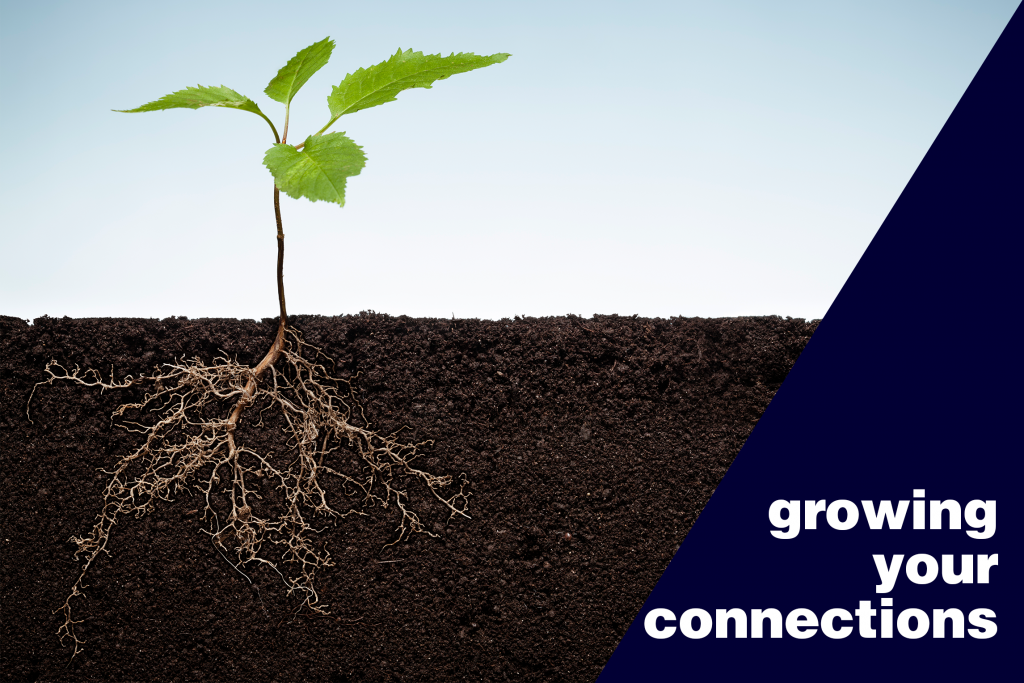
Effective networking, much like a robust root system, operates through continuous branching, reaching, and connecting, often one small, manageable step at a time. Each successful interaction or stage creates the optimal conditions for the next, forming a continuous cycle that deepens connections and expands the network over time. Understanding and strategically navigating this "Research Collaboration Lifecycle" is paramount for researchers aiming to maximize their impact and career trajectory.
Stage 1: Laying the Foundation: Proactive Network Building
The most effective collaborations often emerge from pre-existing relationships rather than being forged in moments of urgent need. Therefore, building a robust professional network before a specific collaborative opportunity arises is a strategic imperative. This proactive approach fosters familiarity, trust, and mutual understanding, which are essential ingredients for successful partnerships. While networking can often feel like an additional burden on an already demanding schedule, integrating it into daily professional life can transform it into a habit with profound long-term benefits.
Key strategies for building a foundational network include:
- Active Participation at Conferences and Workshops: Beyond attending talks, actively engage in Q&A sessions, poster presentations, and informal networking events. Prepare a concise "elevator pitch" about your research interests to facilitate meaningful conversations. Follow up with new contacts via email or professional platforms.
- Leveraging Social Media and Online Platforms: Professional platforms like LinkedIn, ResearchGate, and academic Twitter (X) can be powerful tools for connecting with peers, sharing insights, and discovering potential collaborators. Engaging in relevant discussions, sharing your work, and commenting on others’ research can raise your profile and initiate connections.
- Cultivating an Online Professional Presence: Maintain an up-to-date institutional profile, personal website, or academic blog that clearly outlines your research interests, publications, and expertise. This digital footprint acts as a discoverability tool for potential collaborators worldwide.
- Internal Institutional Engagement: Don’t overlook opportunities within your own university or research center. Attend departmental seminars outside your immediate field, participate in institutional research symposia, and explore interdisciplinary initiatives. Many fruitful collaborations begin with colleagues just down the hall.
- Utilizing Persistent Identifiers: Keeping your ORCID ID (Open Researcher and Contributor ID) meticulously updated is a crucial best practice. While not a direct networking tool, ORCID ensures your research outputs, grants, and institutional affiliations are correctly identified and linked to you across the entire scholarly ecosystem. This persistent identifier enhances discoverability and accurate attribution, making it easier for potential collaborators to find and assess your work.
Building a strong network is an incremental process, built one genuine conversation and one shared insight at a time. It requires consistent effort but yields dividends in future collaborative opportunities.
Stage 2: Cultivating Connections into Active Collaborations
Once the groundwork of network building has been laid, the next critical step is to transition those connections into tangible collaborative projects. This stage requires a delicate balance of professional respect and genuine relationship-building, much like nurturing a friendship. Small, regular interactions are far more effective in building sustained trust than occasional, grand gestures.

Practical ways to transform connections into collaborations include:
- Co-organizing Workshops or Symposia: Taking the initiative to plan an event focused on a shared research interest can bring together diverse expertise and identify common ground for future projects.
- Joint Grant Proposal Development: Even if a proposal isn’t immediately successful, the process of conceptualizing a project together, defining roles, and aligning objectives can solidify a collaborative bond.
- Co-supervising Students: Working together on mentoring graduate or undergraduate students provides a low-stakes environment to assess working styles and build rapport on a shared research endeavor.
- Peer Reviewing Manuscripts or Grant Applications: Offering constructive feedback on a colleague’s work demonstrates commitment and expertise, opening doors for reciprocal engagement.
- Sharing Resources and Expertise: Offering access to specialized equipment, unique datasets, or specific methodological knowledge can be a powerful way to initiate and strengthen collaborative ties.
- Developing Joint Publications or Review Articles: Co-authoring a literature review or a commentary piece can be an excellent way to explore shared interests and test the waters for more extensive research projects.
Before any formal collaboration commences, it is imperative to engage in candid discussions about fundamental aspects such as shared scientific goals, preferred communication styles, publication expectations (including authorship criteria), anticipated time commitments, and resource availability. A crucial insight here is to actively seek out complementary expertise rather than simply gravitating towards researchers who mirror your own skills. Fresh perspectives and diverse methodological approaches are what truly push research boundaries and foster innovation. A familiar face, while comforting, does not automatically equate to a good collaborator; compatibility of vision and working style is paramount.
Stage 3: Structuring Effective Research Partnerships
Once the decision to collaborate has been made, establishing a clear structure is vital for the project’s success and for mitigating potential conflicts. Before the research project formally gets underway, potential co-authors and collaborators should thoroughly discuss and document several key topics:
- Clearly Defined Roles and Responsibilities: Outline who will lead specific tasks, manage data, conduct experiments, perform analyses, and write different sections of the manuscript. A RACI matrix (Responsible, Accountable, Consulted, Informed) can be a useful tool.
- Communication Protocols: Establish regular meeting schedules (e.g., weekly video calls, monthly in-person meetings), preferred communication channels (email, shared documents, messaging apps), and expected response times.
- Data Management and Sharing Plan: Agree on data collection methods, storage locations, backup procedures, data ownership, access rights, and protocols for data sharing (adhering to FAIR principles – Findable, Accessible, Interoperable, Reusable). Ethical considerations, such as data privacy and informed consent, must also be addressed.
- Intellectual Property (IP) and Ownership: Discuss potential patents, copyrights, and the commercialization of research outcomes. Clear agreements on IP ownership and revenue sharing should be established early, ideally with institutional legal counsel involvement.
- Authorship Criteria and Order: This is a frequent source of conflict. Agree on criteria for authorship (e.g., following ICMJE guidelines or specific journal policies), the order of authors, and the role of corresponding and contributing authors. Documenting these decisions minimizes disputes later.
- Conflict Resolution Mechanism: Establish a predetermined process for addressing disagreements. This could involve an impartial mediator, escalation to department chairs, or a pre-agreed voting system. Anticipating friction and having a plan prevents small issues from escalating.
- Project Timeline and Milestones: Develop a realistic timeline with clear milestones and deadlines, ensuring all collaborators understand the project’s scope and pace.
While not every collaborative journey will be entirely smooth, most potential friction points can be proactively avoided through transparent communication and detailed planning at the outset. Interdisciplinary collaboration, while inherently complex, consistently uncovers questions and insights that individual researchers might overlook on their own.
Common collaboration challenges and their best practices for avoidance include:
- Challenge: Misaligned Expectations: Best Practice: Develop a "collaboration charter" or memorandum of understanding outlining project goals, individual contributions, timelines, and communication norms.
- Challenge: Poor Communication: Best Practice: Establish a clear communication plan, including regular check-ins, designated communication channels, and protocols for sharing updates and feedback.
- Challenge: Unequal Contribution/Credit: Best Practice: Define roles and responsibilities early, track contributions systematically, and agree on authorship criteria (e.g., CRediT taxonomy) before manuscript preparation.
- Challenge: Personality Clashes/Conflict: Best Practice: Implement a pre-agreed conflict resolution process, focusing on objective problem-solving rather than personal attacks, and be prepared to seek external mediation if necessary.
- Challenge: Data Sharing/Management Issues: Best Practice: Create a detailed data management plan (DMP) covering data collection, storage, access, ownership, and sharing protocols, ensuring compliance with ethical and institutional guidelines.
- Challenge: Institutional or Funding Discrepancies: Best Practice: Address administrative and financial agreements (e.g., sub-awards, data use agreements) early with institutional research offices to ensure seamless resource flow and compliance.
Stage 4: Maximizing Impact Through Joint Publication

The ultimate goal of all the teamwork, planning, and collaborative effort is to produce high-quality research that culminates in submission to a peer-reviewed journal. This stage is where the collective strength of the collaboration truly shines. Collaborative working consistently leads to stronger, more rigorous manuscripts, benefiting from increased visibility across disciplines, more robust validation of findings, and a wider array of critical perspectives during the drafting process.
As noted earlier, the evidence overwhelmingly supports the team approach to science, which tends to produce results with greater innovation and impact than solo work, particularly when the team is diverse in terms of disciplines, institutions, or geographies. This collective strength enhances the manuscript’s intellectual depth, methodological rigor, and overall scientific contribution.
It is particularly crucial at this stage to revisit and finalize author assignments, as accurate recognition of contributions is paramount to maintaining scientific integrity and fairness. This is your collective contribution to the scientific record, and it must be recognized precisely. Key to get right is the clear distinction between corresponding and contributing authors.
- The corresponding author typically serves as the primary point of contact with the journal throughout the entire submission, peer-review, and publication process. They bear significant responsibility for the manuscript’s integrity, ensuring all co-authors approve the final version and addressing any post-publication queries.
- The corresponding author’s institution also often plays a critical role in funding Article Processing Charges (APCs) for open access publishing, especially under transformative agreements like "read and publish" or specific publisher initiatives (e.g., AIP Fusion). Understanding these agreements is vital for ensuring open access to research, which significantly increases its discoverability and impact.
All collaborators must be diligent in meeting their chosen journal’s specific authorship guidelines, as these can vary. Adherence to established criteria (e.g., ICMJE guidelines) ensures that everyone who made a substantial intellectual contribution is properly credited. Resources like AIPP’s author guidelines are invaluable tools for navigating this complex but essential process.
Stage 5: Sustaining Momentum and Expanding Influence Post-Publication
Achieving publication in a reputable journal is a significant milestone, deserving of celebration. However, it is not the endpoint; rather, it marks a new beginning for the research and the collaborative network. Post-publication, it is imperative for all partners to actively promote the paper to maximize its reach and impact. The same networking strategies employed to build the initial collaboration can be leveraged to disseminate the work more broadly and build new connections that can seed future projects. The Research Collaboration Cycle is a continuous loop, designed to grow and deepen professional networks with each successful endeavor.
Maintaining momentum after publishing can take many forms:
- Promoting Across Institutional Channels: Coordinate with university press offices for news releases, feature articles on institutional websites, and social media campaigns.
- Leveraging Personal Networks and Platforms: Share the published paper on professional social media (LinkedIn, ResearchGate, X), personal websites, and through email lists to relevant colleagues and stakeholders.
- Presenting at Future Conferences and Seminars: Use the published work as a basis for new presentations, highlighting key findings and implications, and engaging in discussions that can attract new collaborators.
- Engaging with Media and Public Outreach: Participate in interviews, write accessible summaries for general audiences, or contribute to public science communication initiatives to broaden the impact beyond academia.
- Following Up on Inquiries: When someone reaches out about your poster, presentation, or published paper, respond promptly and thoughtfully. These interactions are invaluable for generating new ideas, identifying potential new partners, and potentially leading to the next collaboration.
- Mentoring the Next Generation: Use the experience gained to mentor junior researchers, helping them navigate the complexities of collaboration and network building.
A published paper often serves as the crucial proof-of-concept that enables subsequent, larger collaborations. Continuously developing professional relationships ensures that the network that helped you achieve one publication continues to support and carry you through every subsequent stage of your career. This circle widens as a researcher’s career progresses: early on, it might involve finding mentors and co-authors; later, it evolves into leading multidisciplinary teams and sponsoring the next generation of scientific talent.

Collaboration Creates Enduring Momentum
Meaningful networking transcends the simple act of filling an address book; it embodies a commitment to the fundamental principles of community, shared discovery, and collective advancement. Every conversation, every conference attended, every co-authored paper, and every peer review contributes to the construction of a robust professional network that not only propels scientific knowledge forward but also significantly enhances individual careers.
Researchers who consistently invest in authentic, strategic collaboration invariably build stronger research programs, produce a higher volume of impactful publications, and become highly valued, influential contributors to the broader scientific community. The journey does not demand perfection at every step, but rather the courage to begin and the persistence to cultivate. AIP Publishing, dedicated to igniting curiosity and paving the way toward new horizons in the physical sciences, sees itself as an integral part of this scientific community. Whether you are just embarking on building your professional network or seeking to deepen existing connections, AIPP’s comprehensive resources for researchers are designed to provide essential guidance and support.
For those looking to refine their publication strategy, a valuable resource is available. Download "Expert Advice: Selecting the Right Journal to Publish Your Research," featuring insights from Melissa Patterson, Ph.D., Head of Journal Development, offering insider tips to optimize your next submission.
References:
- Massimo Franceschet, Antonio Costantini, The effect of scholar collaboration on impact and quality of academic papers, Journal of Informetrics (2010). https://doi.org/10.1016/j.joi.2010.06.003.
- Thelwall, M. & Maflahi, N. Academic collaboration rates and citation associations vary substantially between countries and fields. J Assoc Inf Sci Technol 71(8), 968–978 (2020). https://doi.org/10.1002/asi.24315
- Thelwall, M., Kousha, K., Abdoli, M., Stuart, E., Makita, M., Wilson, P. & Levitt, J. Which international co-authorships produce higher quality journal articles? J Assoc Inf Sci Technol 75(7), 769–788 (2024). https://doi.org/10.1002/asi.24881
- National Research Council. Enhancing the Effectiveness of Team Science. National Academies Press, Washington, DC (2015). https://www.ncbi.nlm.nih.gov/books/NBK310391/