
Agnes Scott College and Decatur Forge Groundbreaking Partnership for Climate Resilience, Setting a National Standard for Town-Gown Collaboration

Decatur, Ga. – In a compelling demonstration of localized climate action and inter-institutional synergy, Agnes Scott College has emerged as a national exemplar for its robust partnership with the City of Decatur. This innovative collaboration, centered around a joint Climate Resilience Plan (CRP), has seen students actively deploying and monitoring heat and flood sensors across their campus and the broader city since 2022. This initiative, which has garnered national recognition with Second Nature’s prestigious Climate Luminary Honors, serves not only to gather critical data for mitigating the increasing risks of extreme weather events but also establishes a powerful blueprint for how higher education institutions can integrate with their communities to address pressing environmental challenges.
Pioneering a Data-Driven Approach to Climate Mitigation
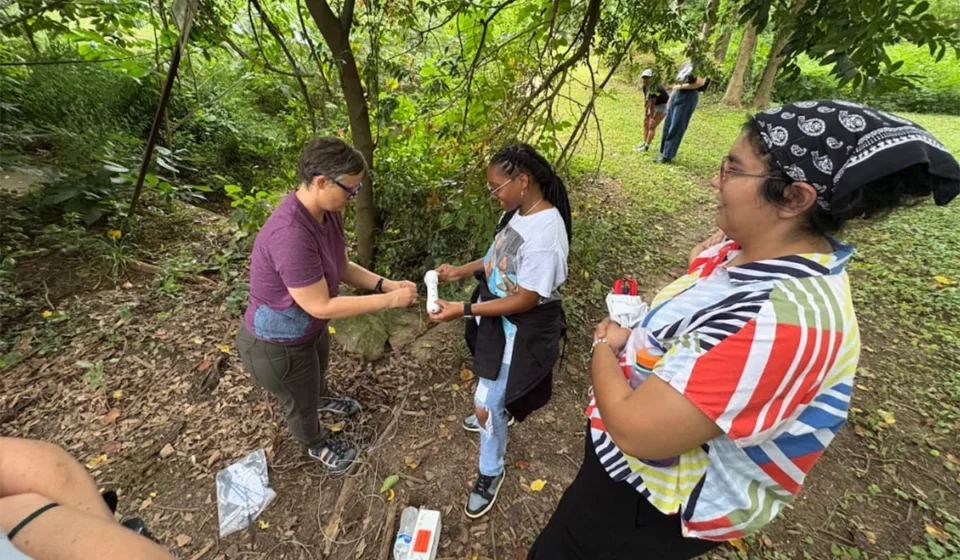
The core of this collaborative effort involves a sophisticated, data-driven approach to understanding and combating the localized impacts of climate change. Since 2022, Agnes Scott students have been instrumental in placing 36 advanced heat sensors throughout the college campus and surrounding Decatur. These sensors continuously collect ambient air temperature data, providing researchers with granular insights into urban heat island effects – phenomena where metropolitan areas experience significantly higher temperatures than outlying rural areas due to human activities and infrastructure. By pinpointing these heat hotspots, the partnership can develop targeted strategies to protect vulnerable populations, inform urban planning decisions, and design effective cooling solutions, such as increased green infrastructure or reflective surfaces.
Beyond heat, the initiative extends to hydrological concerns. Students have also installed flood monitors in critical waterways, including the nearby Sugar Creek. These monitors provide real-time data on water levels, offering invaluable early warning systems for potential flash floods—a growing concern in many urban areas due to increased impervious surfaces and extreme rainfall events. This immediate data not only aids in emergency preparedness and response but also informs long-term flood mitigation strategies, such as permeable pavement installations and wetland restoration projects. The hands-on involvement of students, as exemplified by senior Indie Lorick who helped install both heat sensors and flood monitors, transforms abstract climate science into tangible community service and professional development. Lorick remarked, "It took me a while to catch on to just how big the project was. I’ve taken sustainability and biology classes, but this gave me the opportunity to look at those topics with a wider lens," underscoring the profound educational impact of such practical engagement.
Further enhancing this data-driven strategy, the partnership is collaborating with the Atlanta Regional Commission to create a "digital twin" of Decatur. This cutting-edge virtual replica of the city allows experts to simulate various extreme heat and flood scenarios, testing the efficacy of different mitigation strategies in a controlled environment before costly physical implementation. This technological leap provides an unparalleled tool for proactive urban planning and climate adaptation.
A Legacy of Sustainability: Agnes Scott’s Journey to Carbon Neutrality
Agnes Scott College’s commitment to climate action is not a recent endeavor but rather the culmination of a long-standing dedication to environmental stewardship. The institution embarked on its sustainability journey formally in 2007, when it adopted an ambitious goal of achieving carbon neutrality. This early declaration positioned Agnes Scott as a leader among its peers, recognizing the imperative of addressing institutional environmental footprints. Since then, the college has made significant strides, successfully halving its carbon footprint and remaining firmly on track to achieve its neutrality target by 2037.
A pivotal moment in this trajectory occurred in 2014 when Agnes Scott became one of the first 30 institutions to sign the Resilience Commitment put forth by Second Nature. Second Nature, a leading nonprofit dedicated to accelerating climate action in higher education, created this commitment to encourage colleges and universities to move beyond solely reducing emissions (mitigation) and also address adaptation to the unavoidable impacts of climate change. The Resilience Commitment is particularly rigorous, requiring signatory institutions to work directly with local governments to assess community climate vulnerabilities. This assessment then serves as the foundation for developing a comprehensive climate action plan that actively engages all students, both within academic coursework and through extracurricular initiatives. This commitment marked a strategic shift, recognizing that a college’s sustainability efforts are inextricably linked to the well-being and resilience of its surrounding community.

The Genesis of a Joint Vision: Crafting the Climate Resilience Plan
The signing of Second Nature’s commitment catalyzed the formal development of the joint Climate Resilience Plan (CRP) between Agnes Scott College and the City of Decatur. In 2015, the Climate Resilience Plan Task Force was established, bringing together a diverse array of stakeholders. This task force comprised representatives from Agnes Scott College, the City of Decatur, and crucial community partners such as Columbia Theological Seminary and Georgia Interfaith Power & Light. This multi-sectoral approach ensured that the plan was comprehensive, equitable, and reflective of the entire community’s needs and assets.
Over the subsequent years, the task force undertook an exhaustive vulnerability assessment, meticulously mapping community assets and identifying areas most susceptible to climate impacts. This detailed analysis laid the groundwork for the final CRP, a forward-thinking document designed with dual objectives: "to both prepare for increasingly severe climate events and to ensure the community has the resources needed to respond to these events." Crucially, the plan also aimed to "move beyond limited funding and incentives for climate response in Georgia, create new solutions, and jointly find funding support when needed." This foresight recognized the often-scarce resources available for climate initiatives at local levels and emphasized the power of collaboration in overcoming such constraints.
Overcoming Hurdles: Collective Action Amidst Funding Challenges
The timing and success of this partnership are particularly noteworthy given the broader national context. As noted in the original article, the Trump administration’s policies led to significant cuts in federal funding for climate research and related initiatives. This reduction in national support amplified the importance of localized, self-sustaining efforts. In this environment, the Agnes Scott-Decatur collaboration has not only persisted but thrived.
"Climate resilience requires collective action. This isn’t something a city can do alone," stated Cara Scharer, assistant city manager for Decatur’s public works department. Her remarks underscore the foundational principle guiding this partnership: that complex challenges like climate change necessitate shared responsibility and pooled resources. Scharer further highlighted the tangible benefits, noting, "The partnership has helped us build our capacity around data collection for grants and brainstorm about different projects or funding opportunities across both organizations." Indeed, since the formal collaboration began in 2021, Agnes Scott and the city have jointly secured five new grants, demonstrating their efficacy in attracting crucial financial support. This success in securing external funding, often competitive, speaks volumes about the credibility and innovative nature of their joint plan, proving that a united front can indeed overcome resource limitations.
Tangible Progress: Initiatives Driving Community Resilience
The joint Climate Resilience Plan is not merely a theoretical framework but a dynamic action agenda with a growing list of completed and ongoing initiatives. As of the latest assessment, 75 percent of the new initiatives outlined in the plan have either been completed or are actively underway. These projects extend beyond the aforementioned sensor installations, encompassing a wide array of efforts designed to enhance Decatur’s adaptive capacity:
- Digital Twin of Decatur: In partnership with the Atlanta Regional Commission, this project creates a virtual model of the city to simulate climate scenarios and test mitigation strategies, providing advanced urban planning capabilities.
- Energy Efficiency and Electrification Guide: The partnership produced a Decatur-specific guide to promote energy conservation and the transition to electric appliances and vehicles, empowering residents and businesses to reduce their carbon footprint and save costs.
- Science Sprints for Undergraduates: These intensive, short-term research projects engage undergraduates in analyzing local climate resilience and justice data, fostering critical thinking and contributing directly to the plan’s objectives.
- Re-establishing Community Emergency Response Team (CERT) Training: Recognizing the importance of preparedness, the partnership has revived CERT training for adults and teens in Decatur. This program equips community members with essential skills for disaster response, enhancing overall community safety and self-sufficiency during emergencies.
- Green Infrastructure Development: While not explicitly detailed in the original excerpt, similar initiatives in comprehensive resilience plans often include projects like tree planting campaigns, creation of rain gardens, and pervious surface installations to mitigate urban heat and manage stormwater runoff more effectively. These are often inferred components of a holistic resilience strategy.
These diverse initiatives illustrate a holistic approach, addressing both mitigation (reducing emissions through energy efficiency) and adaptation (preparing for impacts through sensors, digital twins, and emergency training).

Empowering the Next Generation: Students at the Forefront of Change
A defining characteristic of the Agnes Scott-Decatur partnership is the deep and meaningful integration of students into every facet of the Climate Resilience Plan. The college’s commitment to experiential learning has ensured that at least 115 students have gained invaluable professional development experience through internships or coursework directly intersecting with the plan’s implementation. This hands-on engagement transforms academic concepts into real-world application, equipping students with practical skills and a profound understanding of complex environmental issues.
Kimberly Reeves, executive director of Agnes Scott’s center for sustainability, emphasized the transformative power of this direct involvement: "Being able to bring our colleagues in from the city just makes the work real. It’s not only that we’re reading about [climate-related issues] and that it’s some problem that other communities are facing. Rather, the hands-on learning shows that it’s happening here and we’re part of the solution." This sentiment encapsulates the pedagogical philosophy at play, where students move beyond passive learning to become active agents of change within their own community. They are not merely observing but contributing to solutions, developing competencies in data collection, analysis, project management, and inter-organizational collaboration – skills highly valued in today’s workforce, particularly in the burgeoning fields of sustainability and urban planning. For students like Indie Lorick, these opportunities provide a crucial bridge between theoretical knowledge and practical application, fostering a more comprehensive understanding of the intricacies involved in building a resilient community.
National Recognition: Second Nature’s Climate Luminary Honors
The remarkable success of Agnes Scott’s plan – as both an educational tool and a powerful engine for climate resilience – has not gone unnoticed on the national stage. Last month, Agnes Scott College was one of only six colleges and universities across the nation to receive an annual award known as the Climate Luminary Honors program from Second Nature. This prestigious recognition is bestowed upon institutions for "advancing bold, effective, and equitable climate solutions on their campuses and in partnership with surrounding communities."
Timothy Carter, president of Second Nature, lauded Agnes Scott’s approach, particularly highlighting the strength of its community relationships. "The beautiful thing about Agnes Scott’s plan is that from the beginning they brought in their community partners to co-create the solutions. Too often, higher education thinks they know what’s best for the community," Carter observed. He emphasized that this collaborative, inclusive methodology is key to generating "durable solutions that don’t end when a workshop ends." This endorsement from a leading national organization underscores the innovative and replicable nature of the Agnes Scott-Decatur model, positioning it as a benchmark for other institutions grappling with similar challenges.
Broader Implications: A Blueprint for Sustainable Communities
The partnership between Agnes Scott College and the City of Decatur represents more than just a local success story; it offers a compelling blueprint for how communities nationwide can effectively address the escalating climate crisis. The model demonstrates several critical implications:
- The Power of Town-Gown Collaboration: This partnership exemplifies the immense potential when academic expertise, research capabilities, and student energy are combined with municipal resources, regulatory authority, and community reach. It creates a synergy that can achieve far more than either entity could alone.
- Localized Climate Justice: By focusing on specific vulnerabilities within the Decatur community and actively engaging diverse local partners, the plan inherently promotes climate justice. It ensures that solutions are tailored to local needs and that the benefits of resilience efforts are distributed equitably, particularly protecting those most susceptible to climate impacts.
- Innovation in Funding and Resource Mobilization: In an era of unpredictable federal support for climate initiatives, the partnership’s success in jointly securing grants provides a valuable lesson in creative resource mobilization. It highlights the importance of strong, credible local initiatives that can attract external funding.
- Experiential Learning as a Catalyst for Change: The deep integration of students into the plan’s implementation not only provides invaluable educational experiences but also creates a pipeline of future climate leaders and practitioners, equipped with practical skills and a commitment to sustainability.
- Scalability and Replicability: The comprehensive nature of the plan, from data collection and vulnerability assessment to policy development and community engagement, makes it a highly replicable model for other colleges and cities seeking to enhance their climate resilience. It proves that with strategic planning, dedicated leadership, and collaborative spirit, local communities can indeed drive meaningful climate action.
As global temperatures continue to rise, leading to more frequent and intense heatwaves, unpredictable precipitation patterns, and increased risks of natural disasters, the need for proactive, community-based climate solutions has never been more urgent. Agnes Scott College and the City of Decatur are not just responding to these challenges; they are actively shaping a more resilient, sustainable future, demonstrating that true progress begins at the local level through collective action and shared vision.