
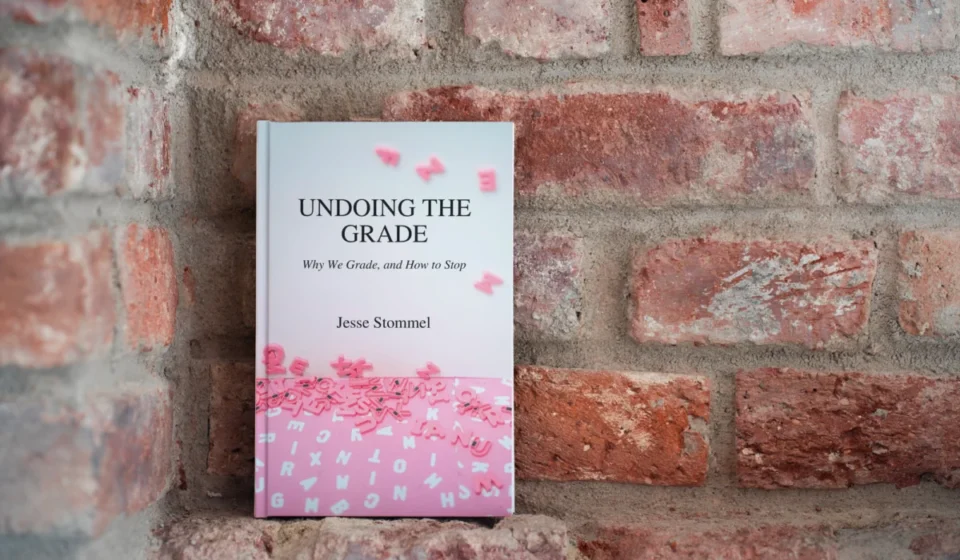
Hybrid Pedagogy Expands Scholarly Reach Through Long-Form Publications and Critical Digital Pedagogy Monographs

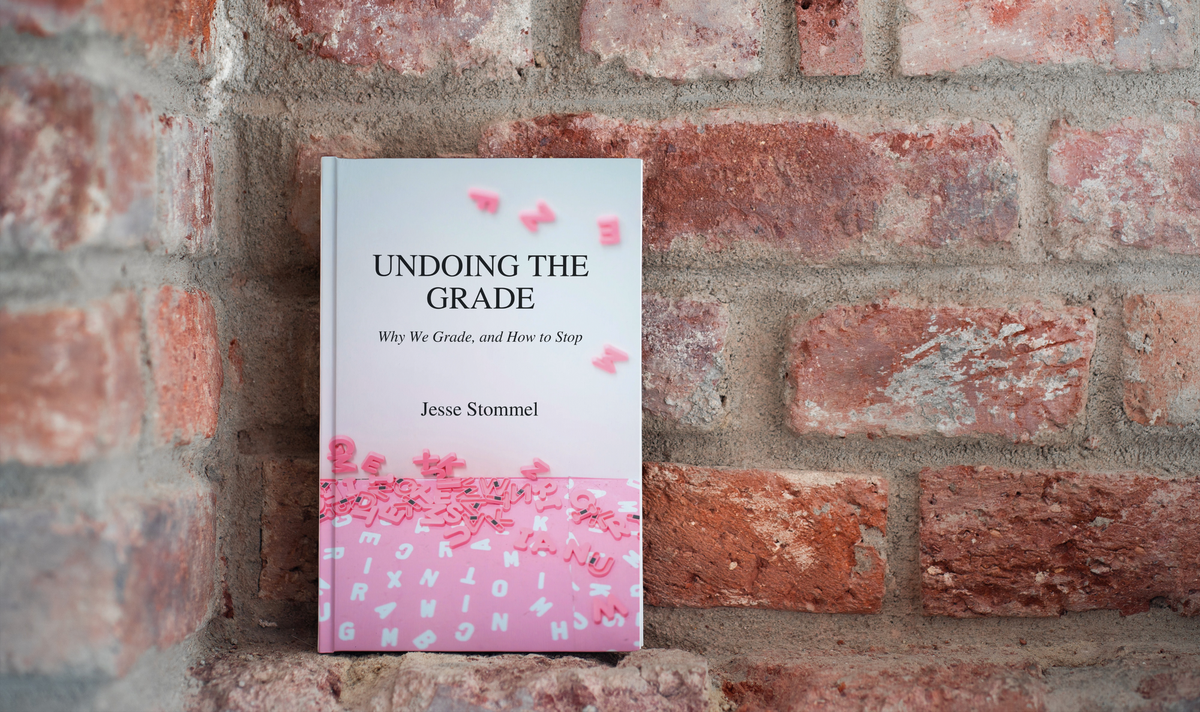
Hybrid Pedagogy, a prominent digital journal and non-profit organization focused on the intersection of education and technology, has formally announced a strategic shift toward the publication of long-form scholarly works. This transition marks a significant evolution for the platform, which has historically been known for its agile, article-based interventions in the field of critical digital pedagogy. The organization recently underscored this new direction with the release of Undoing the Grade: Why We Grade, and How to Stop, a comprehensive examination of assessment practices authored by Jesse Stommel, the Executive Director of Hybrid Pedagogy and a faculty member at the University of Denver.
The move into book-length publications represents a maturation of the platform’s mission to foster dialogue and elevate marginalized voices within the academy. Since its inception in 2011, Hybrid Pedagogy has served as a peer-reviewed venue for over 400 articles, featuring contributions from more than 200 authors. However, the leadership team identified a growing need for more sustained, deep-dive explorations of pedagogical theory and practice that short-form digital articles cannot always accommodate. By transitioning into a boutique academic press, Hybrid Pedagogy aims to provide a structured home for "narrative scholarship" and "critical instructional design," themes that have become increasingly central to contemporary educational discourse.
A Chronology of Scholarly Evolution
The trajectory of Hybrid Pedagogy’s publishing arm reflects broader trends in the digital humanities and open-access scholarship. The organization began its foray into book-length content in 2014 with the release of a series of digital-only books. These early experiments were designed to test the feasibility of translating the journal’s collaborative, peer-to-peer review model into a more traditional book format.
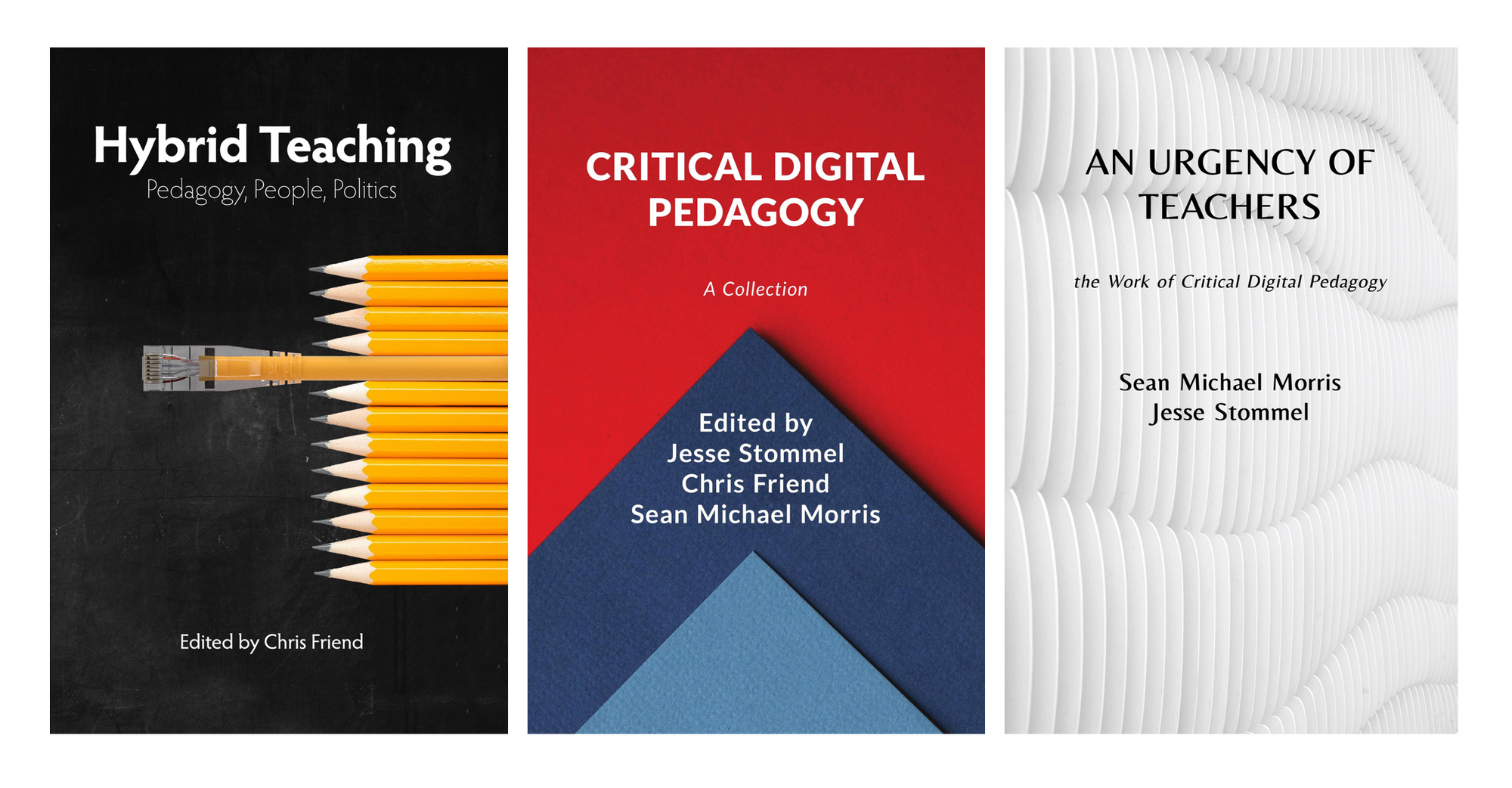
By 2018, the organization reached a major milestone with the publication of its first print volume, An Urgency of Teachers: The Work of Critical Digital Pedagogy, co-authored by Sean Michael Morris and Jesse Stommel. This work served as a manifesto for the field, arguing that educational technology must be grounded in humanistic values rather than instrumental efficiency. The success of this volume catalyzed a period of rapid production; in the last five years alone, Hybrid Pedagogy has released seven print books, each focusing on different facets of the educational experience, from the politics of hybrid teaching to the ethics of instructional design.
Undoing the Grade and the Movement Toward Ungrading
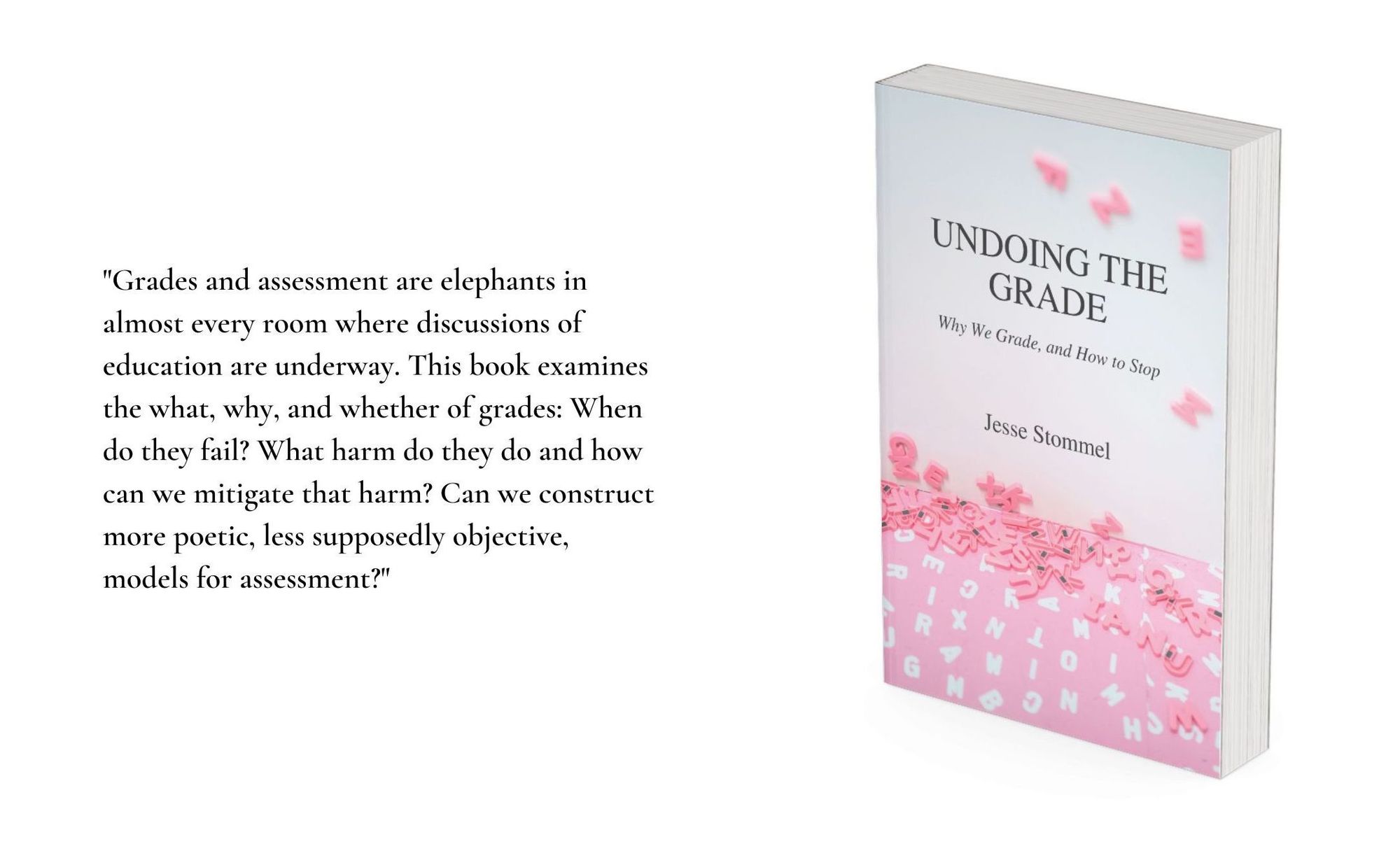
The centerpiece of the current publication cycle is Jesse Stommel’s Undoing the Grade: Why We Grade, and How to Stop. This work is the culmination of over 20 years of research and pedagogical practice. The book posits that traditional grading systems are not merely objective measures of learning but are, in fact, systemic barriers that reinforce inequities and stifle student agency.
Stommel’s work defines "ungrading" as a present participle—an ongoing, reflexive process rather than a static destination. The book explores the historical roots of the A-F grading scale, its psychological impact on learners, and practical strategies for educators to mitigate the harm caused by standardized assessment. To support the implementation of these ideas, Hybrid Pedagogy has organized a series of open online office hours. These sessions, scheduled monthly from September 8 through November 10, are designed to facilitate community dialogue and provide practitioners with a space to refine their assessment strategies in real-time.
The publication of Undoing the Grade comes at a time when higher education is facing a crisis of confidence regarding traditional metrics. With the rise of generative artificial intelligence and a growing awareness of student mental health issues, many institutions are re-evaluating the efficacy of high-stakes testing and conventional grading. Stommel’s book provides a theoretical framework for this transition, urging a shift toward more "poetic" and "less supposedly objective" models of evaluation.
Humanizing Design: The Sibling Collections
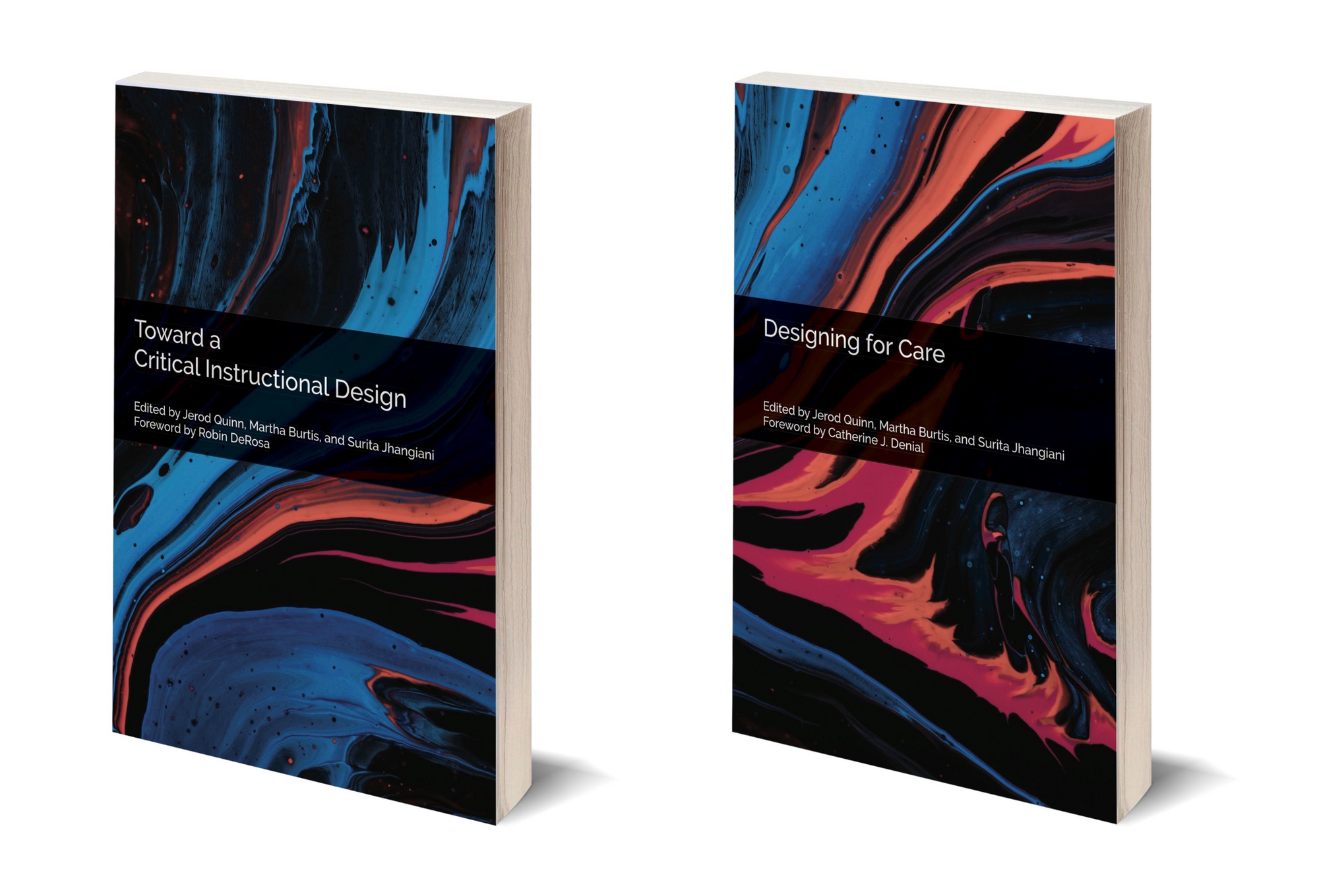
In response to the global disruptions caused by the COVID-19 pandemic, Hybrid Pedagogy launched a call for contributors in early 2021 to address the failures of traditional instructional design. The editorial team, led by Jerod Quinn, Martha Burtis, and Surita Jhangiani, noted that many of the assumptions underpinning educational technology were found wanting when faced with a global crisis.
This initiative resulted in the creation of two "sibling" collections: Toward a Critical Instructional Design and Designing for Care. These volumes are intended to be read in tandem, though they function as standalone texts. Toward a Critical Instructional Design focuses on problem-posing approaches to the architecture of learning, challenging the "add-on" nature of most educational software. Meanwhile, Designing for Care examines the emotional and relational labor of teaching, arguing that instructional design must prioritize the well-being of both students and faculty.
The inclusion of forewords by noted scholars such as Robin DeRosa and Catherine J. Denial emphasizes the collaborative nature of these projects. The collections argue that the pandemic did not create new problems in education so much as it exposed existing fractures, particularly the ways in which standardized design can dehumanize the learning process.
Amplifying Marginalized Perspectives through Narrative Scholarship
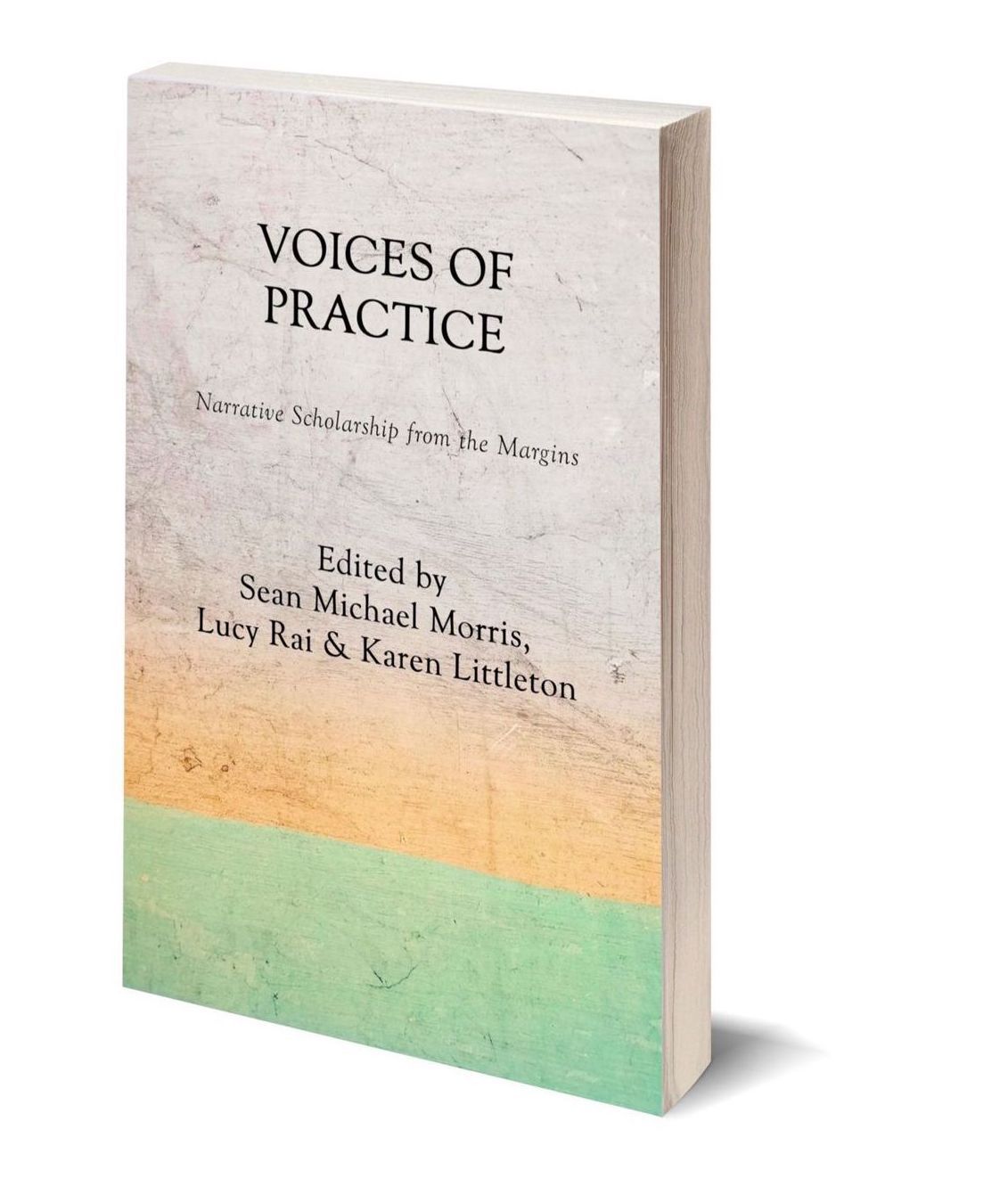
One of the more unique offerings in the Hybrid Pedagogy catalog is Voices of Practice: Narrative Scholarship from the Margins. Edited by Sean Michael Morris, Lucy Rai, and Karen Littleton, this volume intentionally blurs the line between personal reflection and academic inquiry. Inspired by the work of bell hooks and Ruth Behar, the book features educators who may not traditionally identify as "academics" or whose work is primarily focused on the practice of teaching rather than the production of scholarship.

The volume addresses the concept of "marginality" as both a visible and invisible state, touching on class background, sexuality, and disability. By utilizing poignant vignettes and intellectual timelines, the contributors interrupt the standard academic narrative, offering a more nuanced view of professional development in the 21st century. This focus on narrative scholarship is a hallmark of the Hybrid Pedagogy ethos, which seeks to democratize the publishing process and provide a platform for voices often sidelined by mainstream academic presses.
The Foundations of Critical Digital Pedagogy
The current catalog is anchored by several foundational texts that have helped define the field of critical digital pedagogy. Hybrid Teaching: Pedagogy, People, Politics, edited by Chris Friend, explores the radical act of care inherent in teaching. The book argues that teaching is a political act that influences not just the students in the classroom, but the broader communities and institutions they inhabit.

Furthermore, Critical Digital Pedagogy: A Collection, edited by Stommel, Friend, and Morris, serves as the first peer-reviewed publication centered specifically on the theory and practice of the field. It compiles a selection of the most impactful articles published by the journal since 2011, providing a comprehensive entry point for scholars and practitioners new to the discipline. With a foreword by Ruha Benjamin, the collection highlights the intersectional nature of digital pedagogy, addressing issues of race, technology, and power.
A Social Justice Model for Academic Publishing
In an era of rising textbook costs and restrictive paywalls, Hybrid Pedagogy has adopted an unconventional economic model for its book-length works. All publications are available in multiple formats, including print, ebook, and open-access. While print and ebook versions are sold through traditional online retailers, the organization encourages readers to "pay what you can" for open-access versions.

This model is intended to ensure that scholarly insights are available to educators globally, regardless of their institutional affiliation or financial status. Proceeds from book sales and voluntary donations benefit the Hybrid Pedagogy Non-profit, a 501(c)(3) organization. This financial structure aligns with the organization’s broader commitment to social justice and the belief that educational resources should be treated as a public good.
Broader Impact and Implications for Higher Education
The expansion of Hybrid Pedagogy into long-form publishing signals a broader shift in the landscape of academic communication. As traditional university presses face increasing financial pressure, independent, mission-driven publishers like Hybrid Pedagogy are stepping in to fill the void. By prioritizing dialogue, narrative, and marginalized voices, the organization is challenging the conventional standards of what constitutes "legitimate" scholarship.

The focus on themes such as ungrading and critical instructional design suggests a growing appetite within the academy for transformative rather than incremental change. As institutions grapple with the post-pandemic reality and the integration of emerging technologies, the work produced by Hybrid Pedagogy provides a vital roadmap for a more human-centered approach to education.
The organization’s invitation for new book ideas and edited collections indicates that this is only the beginning of their long-form publishing journey. By fostering a community of practice that extends from digital articles to print monographs and online office hours, Hybrid Pedagogy is creating a robust ecosystem for pedagogical innovation. As Jesse Stommel notes in the introduction to his latest work, the goal is not just to talk about education, but to "construct more poetic, less supposedly objective, models for assessment" and learning that can truly meet the needs of the modern student.