Crossref’s Second Metadata Sprint Ignites Scholarly Innovation Across Latin America in São Paulo

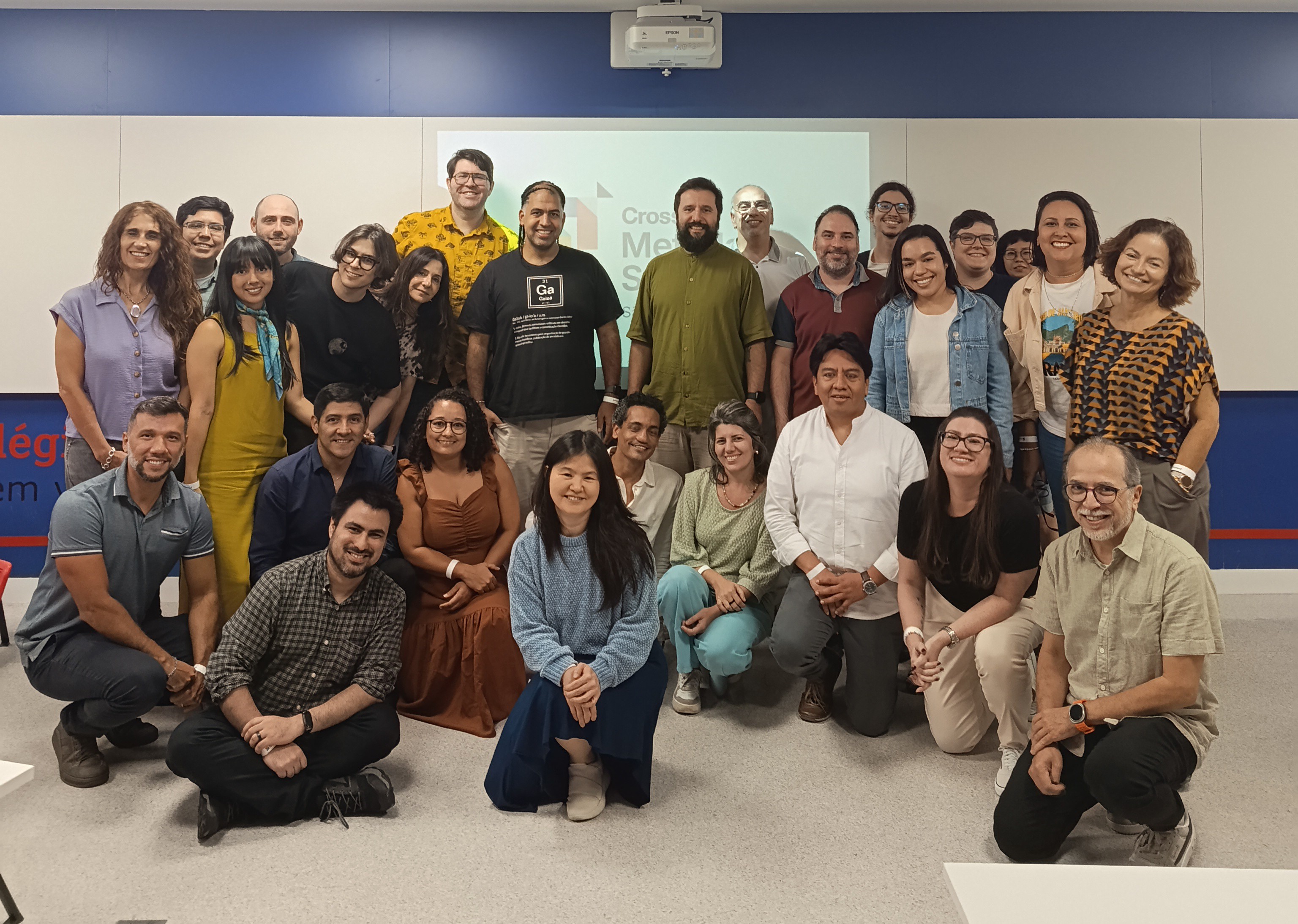
The vibrant city of São Paulo, Brazil, served as the epicenter for scholarly innovation from March 4th to 6th, 2026, as Crossref successfully hosted its second Metadata Sprint. This landmark event, specifically designed to spotlight and empower the Latin American research community, brought together 31 dedicated participants from Argentina, Brazil, Colombia, Ecuador, and Mexico in Crossref’s first-ever tri-lingual gathering. The core objective was to cultivate community co-creation, leveraging the power of open scholarly metadata to address regional challenges and propel advancements in global academic communication. Over three intensive days, a diverse cohort of professionals engaged in a dynamic environment of questioning, ideation, collaborative research, and the proposal of innovative solutions aimed at enhancing the utility of metadata within and beyond traditional scholarly frameworks.
The Imperative of Open Scholarly Metadata: A Global Context
Crossref, a not-for-profit membership organization, stands as a cornerstone of the global scholarly communication infrastructure. Its fundamental mission revolves around making research outputs easy to find, cite, link, and assess through the provision of persistent identifiers (DOIs) and robust metadata services. In an era of ever-increasing research output, high-quality, openly accessible metadata is not merely a technical requirement but a critical enabler of discoverability, reproducibility, and the broader open science movement. It allows researchers, institutions, and the public to navigate the vast landscape of academic knowledge, fostering connections between disparate works and ensuring the long-term integrity of the scholarly record.
Metadata Sprints, a strategic initiative by Crossref, are designed as focused, collaborative workshops where participants work intensively on specific challenges related to scholarly metadata. These events move beyond theoretical discussions, encouraging hands-on problem-solving, tool development, and the creation of practical resources. The success of the first Metadata Sprint provided a clear blueprint, demonstrating the power of bringing diverse expertise together to "hit the ground running" on complex issues. The decision to center the second sprint on Latin America underscored a recognition of the region’s burgeoning research landscape, its unique linguistic diversity, and the pressing need for localized solutions that resonate with distinct scholarly practices and infrastructural realities. Latin America has seen significant growth in research output and a strong commitment to open access, largely championed by initiatives like SciELO, making it a fertile ground for metadata innovation.
A Collaborative Genesis: From Interest to Innovation
The enthusiastic response to the São Paulo Sprint was immediately evident, with Crossref receiving over 100 expressions of interest from individuals eager to contribute. This overwhelming engagement highlighted a palpable desire within the Latin American scholarly community to actively shape the future of their research infrastructure. Balancing this keen interest with the need for a productive group size, 31 participants were carefully selected, ensuring a rich tapestry of expertise and perspectives. The cohort comprised librarians, researchers, graduate students, developers, journal editors, and scholarly communications professionals, reflecting the multi-faceted nature of scholarly work.
Crucially, learning from the experiences of the inaugural Metadata Sprint, Crossref implemented a pre-event strategy to maximize collaborative efficiency. Participants were encouraged to interact and familiarize themselves with each other remotely before converging in São Paulo. This preparatory phase allowed for initial project ideas to be refined and teams to coalesce, ensuring that when the sprint officially commenced, participants could dive directly into intensive work, leveraging the collective intelligence from day one. This proactive approach significantly contributed to the quality and progress of the projects undertaken during the sprint, fostering a sense of camaraderie and shared purpose even before the physical gathering.
On the Ground in São Paulo: A Tri-lingual Hub of Innovation
From March 4th to 6th, 2026, the São Paulo venue buzzed with vibrant discussions and focused activity. The event marked a significant milestone as Crossref’s first tri-lingual sprint, with conversations fluidly transitioning between Spanish, Portuguese, and English. This linguistic flexibility was not merely a logistical necessity but a deliberate embrace of the region’s inherent diversity, allowing for richer, more nuanced exchanges about varying editorial practices and localized challenges across Latin America. It facilitated genuine understanding and collaboration, bridging potential communication gaps that often arise in international forums.

The sprint’s activities were closely coordinated with the esteemed SciELO Brazil team, who also actively participated. SciELO (Scientific Electronic Library Online) is an internationally recognized model for open access publishing, particularly influential in Latin America, and a vital source of open scholarly content and metadata encompassing articles, books, preprints, and datasets in multiple languages. This collaboration provided invaluable regional context and expertise, ensuring that the projects developed were grounded in practical needs and aligned with existing open science infrastructures.
A dedicated team of Crossref staff—Susan Collins, Luis Montilla, Isaac Farley, Jason Portenoy, and Leandro Contreras—served as facilitators. Their role was pivotal in providing general support, offering expert guidance on Crossref tools and interfaces, and clarifying the intricate details of metadata best practices. Their presence ensured that participants had immediate access to the institutional knowledge and technical assistance required to transform their innovative ideas into tangible projects.
Unleashing Potential: Projects and Outcomes
The core of the Metadata Sprint lay in its project-driven approach. Participants were invited to pitch individual project ideas that creatively utilized Crossref metadata to answer specific questions or provide solutions to problems faced by their local communities. These initial proposals were then refined and developed into collaborative team projects during the pre-sprint phase and throughout the event itself. While the full list of projects will be unveiled at a later date, the scope of work was broad and impactful, demonstrating the versatility of open metadata.
The projects encompassed a range of innovations, from the development of interactive dashboards designed to visualize scholarly trends, to clever API integrations that streamline metadata workflows, and the creation of best practice manuals tailored to specific regional contexts. One notable example that emerged from the sprint was a free tool for registering retractions, spearheaded by Eugênio Telles of GeniusDesign. This project directly addressed the critical need for enhanced research integrity, aiming to simplify the Crossmark registration process for retractions, making it more user-friendly and accessible. Such initiatives are crucial for maintaining trust in the scholarly record and ensuring that corrections and retractions are transparently communicated across the academic ecosystem.
The collaborative spirit and practical output of the sprint are a testament to the power of focused, community-led innovation. These projects, born from genuine local needs, hold the potential to significantly improve the discoverability, accessibility, and reliability of scholarly information originating from Latin America. To share these achievements with the broader community, Crossref will host a tri-lingual Sprint Showcase call on April 22nd. This virtual event will provide an opportunity for the project teams to present their creations directly, allowing interested parties to learn more about the specific solutions developed and engage with the innovators behind them.
Voices from the Community: Reflections and Impact
The success of the São Paulo Metadata Sprint resonated deeply with both Crossref staff and participants, fostering a sense of accomplishment and renewed commitment to collaborative open science.
Leandro Contreras, User Experience Researcher at Crossref, captured the sentiment: "I am still in awe at what our community achieved in such a short time in the Sprint: dashboards, clever API integrations, best practices manuals… all of these projects are sure to make a mark. The Metadata Sprint in São Paulo is a testament to my belief that great ideas are everywhere, and I’m happy to have taken part in amplifying them!" His words highlight the profound impact of empowering local communities to drive innovation.
Isaac Farley, Crossref’s Head of Support, echoed this enthusiasm: "Like many in attendance, this was my first Crossref Metadata Sprint. I went into the event hoping to make connections, help where I could, and learn from those in attendance. Thanks to Susan and Luis for all their planning and thoughtful leadership and the collaborative spirit of everyone participating in São Paulo, the sprint was three days full of rich co-creating, thoughtful shared problem solving, and lots of fun. It exceeded my expectations! I learned a lot and am eager for the next steps with the projects completed there. I hope to be able to participate in another Crossref sprint again very soon (and, encourage everyone reading to get to one in the future)!" Farley’s reflection underscores the value of direct engagement and the vibrant atmosphere of shared learning.
Participants also shared their experiences online, offering compelling insights into the sprint’s immediate impact. Carina Munhoz de Lima, a Librarian at Revista Brasileira de Cancerologia, noted on LinkedIn: "Being in this collaborative space allows us to deepen knowledge, exchange experiences with professionals from different countries and, above all, improve the quality of the metadata of our articles. This technical work, often invisible to the reader, is essential to ensure greater visibility, traceability and scientific impact to RBC’s publications." Her statement eloquently articulates the direct benefits of enhanced metadata quality for journal publications.
Sandra Gisela Martín, Library System Director at the Catholic University of Córdoba, reflected on the broader implications: "The session was a valuable opportunity to exchange knowledge, strengthen professional ties and reflect on the current challenges around metadata management and scholarly communication." Sofia E. Calle Pesántez, a Research Impact and Scholarly Publishing Consultant, emphasized the synergy: "The best experience of the Sprint was recognizing the potential of combining open infrastructure, reusable data and collaboration, with the accompaniment of Crossref experts."
Alex Mendonça, Client Solutions Manager at ScholarOne, expressed gratitude for Crossref’s regional focus: "I am grateful to see Crossref’s concern in personally listening to the demands of the Latin American scientific community!" This sentiment highlights the importance of responsive and localized support from global infrastructure providers. Fabiano Sant’Ana, Founder at Galoá Science, articulated his team’s specific objective: "It’s been an absolute privilege representing Galoá at the Crossref metadata Sprint in Brazil… our specific focus during this Sprint has been clear: rolling up our sleeves to elevate the quality of metadata for Brazilian and Latin American scientific publications." Zach Coble, a Graduate Research Assistant from the University of Missouri-Columbia, appreciated the networking aspect: "It was wonderful to connect with so many people working to strengthen scholarly communication in the region, and to meet the Crossref staff who organised such a thoughtful and engaging program." These testimonials collectively paint a picture of an event that fostered deep collaboration, addressed critical needs, and built lasting professional connections.
The Broader Implications: Advancing Open Science in Latin America and Beyond
The second Crossref Metadata Sprint in São Paulo represents more than just a successful event; it signifies a pivotal moment in the ongoing development of open scholarly infrastructure in Latin America. By placing a spotlight on the region’s unique challenges and empowering its professionals to co-create solutions, Crossref has reinforced its commitment to a globally equitable and robust scholarly ecosystem. The enhanced metadata quality and innovative tools emerging from this sprint will directly contribute to greater discoverability and impact for Latin American research, ensuring that valuable contributions from the region are not overlooked on the global stage.
Furthermore, the tri-lingual format and the strong emphasis on community engagement set a precedent for future international collaborations, demonstrating how linguistic and cultural diversity can be harnessed as strengths rather than barriers. The partnership with SciELO also exemplifies the power of aligning global infrastructure providers with established regional initiatives, creating a synergistic effect that benefits the entire scholarly community. The "growing enthusiasm" for metadata innovation, evidenced by the high number of expressions of interest, signals a fertile ground for continued investment and development in this space. Crossref’s pledge to "find new ways to channel it" suggests a strategic long-term vision for empowering diverse communities worldwide.
The projects developed, from dashboards to best practice guides, are not isolated endeavors. They are building blocks for a more interconnected, transparent, and efficient scholarly communication landscape. They reinforce the principles of open science by making data more accessible and usable, promoting research integrity through tools like the retraction registry, and fostering a culture of collaboration that transcends institutional and national boundaries. The São Paulo Metadata Sprint serves as a powerful model for how targeted, collaborative efforts can yield significant progress in addressing complex challenges within scholarly communication, ultimately benefiting researchers, institutions, and society at large.
A Roster of Innovators: The Participants
The profound impact of the Metadata Sprint was undeniably driven by the dedication and expertise of its participants. Hailing from a wide array of institutions and roles across Latin America, their collective knowledge fueled the sprint’s success. The group included representatives from leading academic bodies like the Public Knowledge Project and various federal and state universities in Brazil, such as Universidade Estadual de Maringá, Universidade Federal de Santa Catarina, Universidade Federal do Paraná, Universidade Federal de Uberlândia, Universidade Estadual do Sudoeste da Bahia, Universidade de São Paulo, and Universidade Federal de São Paulo. Other key institutions included Editora E-papers, GeniusDesign, Lepidus Tecnologia, Journals & Authors, Sabesp, Universidad de La Sabana, Centro Universitário de Mineiros, Instituto de Física Gleb Wataghin, Universidade Estadual de Santa Cruz, Universidade Federal do Triângulo Mineiro, and Universidad Católica de Córdoba. Organizations focused on broader scholarly impact, such as Data-PASS Journal Editors Discussion Interface, Red Iberoamericana de estudios científicos de la edición, evaluación y circulación del libro, and Galoá Science, were also strongly represented, alongside individuals from the University of Missouri and SciELO. This diverse assembly of professionals underscored the widespread commitment to improving scholarly communication practices and the quality of metadata across the region. Their individual contributions and collaborative spirit were indispensable to the vibrant exchange of ideas and the successful development of innovative solutions witnessed in São Paulo.
The São Paulo Metadata Sprint stands as a beacon of collaborative innovation, demonstrating the tangible benefits of focused, community-driven efforts in advancing open scholarly communication. As the projects developed continue their journey from inception to implementation, their impact will undoubtedly ripple through the Latin American research community and beyond, reinforcing the vital role of high-quality metadata in the global pursuit of knowledge.