Voices from the Pathways to Inclusive Publishing Summit: Presenters Share Insights on Advancing DEIA in Scholarly Communication

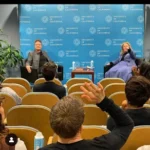
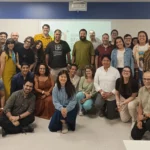
This article represents the second installment in a series exploring the critical discourse surrounding diversity, equity, inclusion, and accessibility (DEIA) within the scholarly publishing landscape, specifically through the lens of the American Society of Civil Engineers’ (ASCE) recent Pathways to Inclusive Publishing Summit. Building upon an initial report that captured attendee perspectives, this segment delves into the candid reflections and strategic insights offered by the summit’s presenters. These anonymous voices, protected to foster open dialogue without fear of professional reprisal, reveal the motivations, challenges, and enduring commitments driving the DEIA movement in scholarly communication. The series is authored by Randy Townsend, Damita Snow (Director for Accessibility and DEI Strategy for ASCE Publications & Standards), and Maxine Aldred (Director of Publications Production at ASCE), who have made comprehensive summit resources available for wider access.
The Imperative of Inclusive Publishing: Setting the Stage for the ASCE Summit
In an era demanding greater transparency, equity, and broad participation, the scholarly publishing community finds itself at a pivotal juncture. The historical structures of academic dissemination, often criticized for their inherent biases and exclusionary practices, are under increasing pressure to evolve. The American Society of Civil Engineers (ASCE), a globally recognized professional body dedicated to the advancement of civil engineering, has proactively engaged with this imperative. Established in 1852, ASCE plays a crucial role not only in setting technical standards and promoting professional development but also in fostering the ethical and equitable dissemination of knowledge within its vast discipline. Recognizing that the strength of scientific and engineering progress is inextricably linked to the diversity of voices contributing to it, ASCE spearheaded the Pathways to Inclusive Publishing Summit.
Held as a significant event in the calendar of scholarly discourse, the summit aimed to address the multifaceted challenges and opportunities in making scholarly publications truly inclusive and accessible. It brought together stakeholders from across the publishing ecosystem—authors, editors, publishers, technologists, and accessibility advocates—to collectively forge pathways toward a more equitable future. This initiative is particularly timely given broader societal movements advocating for DEIA, which have underscored systemic inequalities in various professional sectors, including academia and publishing. The global discourse around representation, equitable access to information, and the dismantling of historical barriers has propelled organizations like ASCE to move beyond superficial gestures and engage in deep, structural reform.
Inside the Pathways to Inclusive Publishing Summit: A Deeper Dive
The Pathways to Inclusive Publishing Summit, detailed in its initial report from the vantage point of attendees, served as a vital forum for introspection and collaboration. Participants collectively identified several key themes that resonated profoundly, signaling a shared industry-wide commitment to DEIA. These included the complex interplay between technological advancements and the imperative for accessible practices, the strategic importance of building robust professional networks to champion inclusivity, and the foundational role of reinforcing equitable communities grounded in shared principles. The first part of this series highlighted how these discussions inspired new ideas and reaffirmed existing commitments among those present.
This second part transitions from the collective attendee experience to the individual insights of those who shaped the summit’s content: its presenters. These experts, hailing from diverse backgrounds and organizations within scholarly publishing, volunteered to share their experiences, initiatives, and forward-looking perspectives. Their decision to participate underscores a growing recognition that real progress requires open dialogue, even about past failures and ongoing challenges. The anonymity afforded to these guest authors in this report acknowledges the sensitive nature of DEIA work in some contexts, where advocating for change can, unfortunately, still carry risks of professional threats or persecution. This measure ensured a safe space for truly candid sharing, allowing for an unfiltered look at the realities of implementing DEIA strategies.
The Presenters’ Imperative: Why They Stepped Forward
The decision to present at a summit like ASCE’s Pathways to Inclusive Publishing is often driven by a blend of personal conviction and a desire to contribute to industry-wide transformation. For many, it was a direct invitation from ASCE leaders, particularly Damita Snow and Maxine Aldred, who recognized the value of their pioneering work in accessibility and broader DEIA initiatives. As one anonymous presenter shared, their motivation stemmed from the ASCE team’s affirmation that their organization’s efforts in embedding accessibility and DEIA into book and journal production workflows were significant enough to warrant sharing. This presenter emphasized a crucial, often overlooked point: "there is no easy way to get started, you just have to get started." This statement encapsulates the pragmatic, action-oriented spirit necessary for driving change in complex environments.
Another presenter revealed a long history of working on accessibility initiatives "behind the scenes," spanning from early epub conversions with rudimentary methods like zoning images and destructive scanning, to the more sophisticated, integrated accessibility workflows of today. Their motivation was to speak "honestly about what hasn’t worked, not just the wins." This willingness to expose vulnerabilities and lessons learned from setbacks is invaluable for a community grappling with similar challenges. It moves the conversation beyond mere success stories to a more realistic and helpful exploration of the entire journey, fostering a culture of shared learning and continuous improvement. Such transparency is vital for establishing trust and enabling peers to navigate their own DEIA journeys more effectively.
DEIA: A Foundation for Growth and Innovation
The intrinsic importance of diversity, equity, inclusion, and accessibility resonates deeply with presenters, both on a personal level and within their organizational mandates. For some, the drive is fundamentally about amplifying voices that have historically been marginalized. As one presenter articulated, "It’s important for different voices to be heard and feel welcome – it’s the only way to grow and ensure the conversations, within the scholarly community, are robust, fulsome, and inclusive." This perspective highlights DEIA not merely as a moral imperative but as a strategic necessity for intellectual vitality and comprehensive knowledge creation. Without a multitude of perspectives, scholarly discourse risks becoming insular and limited, failing to address the complexities of a globalized world.
For another presenter, the commitment to DEIA is profoundly personal, stemming from their identity as "an African American, gay, woman." This lived experience fuels a powerful drive "to use my voice in spaces where in the past, there was no space for someone like me. And also open the door for others to make sure their voices are heard." This statement underscores the crucial role of representation and advocacy by individuals from underrepresented groups, not only for their own empowerment but for paving the way for future generations. It emphasizes that DEIA is about creating genuinely welcoming environments where everyone feels a sense of belonging and agency.
Beyond individual experiences, the rationale for DEIA is also firmly rooted in the nature of scientific progress itself. One presenter eloquently stated, "Science moves incrementally. Until it doesn’t. And a new world opens up with a massive paradigm shift. But those shifts can come from anywhere. And anyone. It is our responsibility as science communicators to make sure we include as many people as possible." This perspective frames DEIA as essential for innovation. By broadening the pool of contributors and ensuring equitable access to information, scholarly publishing maximizes the potential for groundbreaking discoveries and paradigm shifts that benefit all of humanity. It’s a recognition that limiting participation is, ultimately, limiting progress.
Beyond Compliance: Cultivating Usability and Engagement
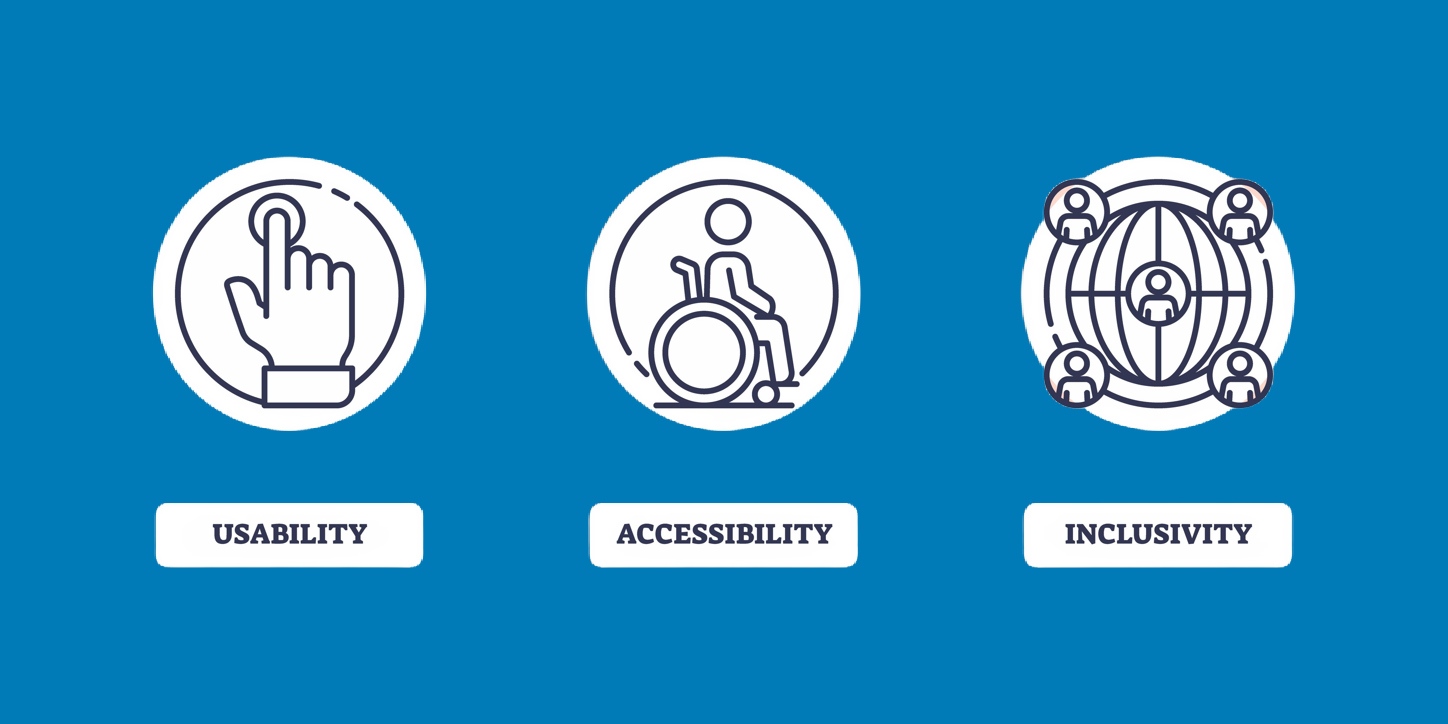
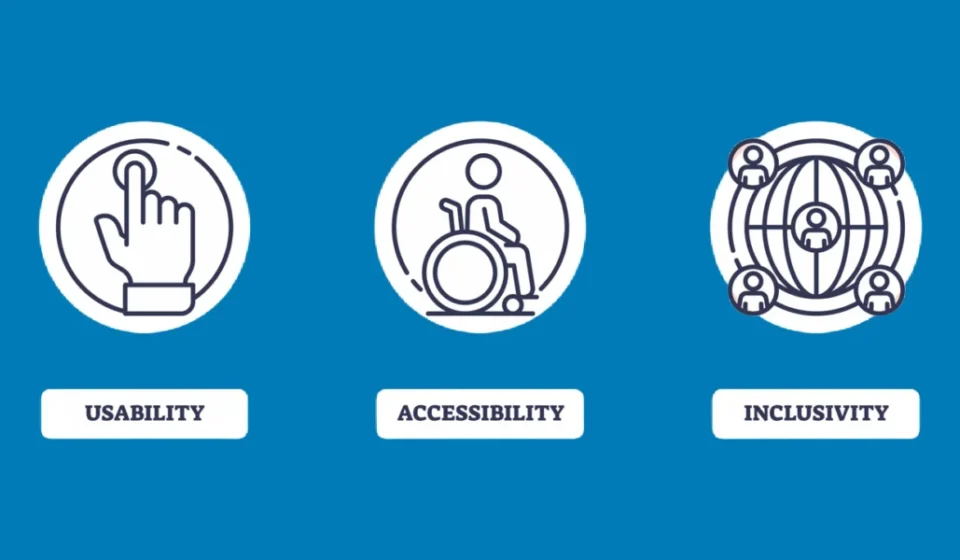
A recurring theme among presenters was the distinction between mere compliance with accessibility standards and the deeper goal of creating genuinely useful and engaging content for all readers. One presenter highlighted that DEIA efforts are not only "surviving and thriving" despite contemporary constraints but are also continually being initiated, revitalized, and sustained within publishing committees. This points to the resilience and growing institutionalization of DEIA work, even in challenging environments. Another presenter hoped attendees would find a "starting point to their journey in adding accessibility elements to their publications" and, crucially, discover "an ally in the pursuit of DEIA and support systems for them to continue their work." This emphasizes the importance of practical guidance and community support.
Perhaps the most impactful message articulated was the clear differentiation between "compliance" and "usefulness." As one presenter elucidated, "Compliance is a fundamentally different thing than being useful. Compliance is relatively simple; it’s tick marks on a list. But usefulness is a far different goal that takes time, patience, and determination." This insight challenges publishers to move beyond minimum legal or technical requirements to genuinely consider the user experience of diverse audiences. Historically, publishing focused on "making pretty pages, optimized for reading the printed page." However, the digital age and a heightened awareness of diverse learning styles demand a re-evaluation. The goal now is to "get science into as many hands, and minds, as possible," recognizing that people "learn differently, who consume content differently." This implies a fundamental shift in workflow design, editorial practices, and technological integration, moving towards multi-modal content that serves a truly universal audience. The example of alt-text writing for images was cited as a prime case study: if alt-text is meant to be heard rather than seen, then workflows must evolve to empower authors and editors to create "truly engaging, multi-modal content" from the outset.
Sustaining the Momentum: Institutionalizing DEIA Commitments
Ensuring that DEIA commitments remain a priority, even amidst leadership changes, shifting circumstances, or resource constraints, is a critical challenge for organizations. Presenters offered several strategic approaches to embed DEIA principles into the organizational fabric. One key recommendation is to formalize DEIA initiatives by integrating them into "institutional processes rather than tying them to individual champions." This includes incorporating DEIA metrics into strategic planning, investing in ongoing training, and developing explicit policies. This approach transforms DEIA from a discretionary effort into a core operational component, ensuring its resilience over time. Despite recent challenges, having DEIA as a "core part of our strategic plan allows us to remain intentional and accountable in our efforts, even amid uncertainty."
Another effective strategy involves fostering continuous staff engagement. Providing staff with "space and opportunities to meaningfully engage with DEIA," whether through committee work, curated DEIA libraries or book clubs, or social outings to relevant events, can sustain enthusiasm and expertise from within. This bottom-up approach complements top-down directives, creating a culture where DEIA is a shared responsibility and a source of collective pride.
The role of leadership is also paramount. While ideally, DEIA commitment should "come from the top," presenters acknowledged that this isn’t always the case. In such scenarios, the advice is to "understand what the focus of your organization is and speak through that lens." This pragmatic approach suggests aligning DEIA efforts with existing organizational priorities, such as sales or market reach. For instance, arguing that "having accessible EPUB files with accurate metadata helps with the sale of that format by broadening your customer base" can demonstrate the tangible business benefits of DEIA, making it a compelling proposition even for those primarily focused on financial outcomes. This reframing illustrates that DEIA is not just a moral good but also a strategic advantage.
Finally, one presenter offered a powerful, discipline-specific reminder: "our scope by nature is diverse – it spans every ecosystem, every population, every corner of the planet. Our publishing activities need to be equally as rich and inclusive." This highlights that for many scientific publishers, the very subject matter they disseminate demands an inclusive approach. The inherent diversity of the natural and built world necessitates a diverse and accessible approach to its communication.
Catalyzing Community: The Broader Impact of Collaborative Events
Events like the Pathways to Inclusive Publishing Summit play a crucial role in galvanizing the scholarly publishing community and fostering collective action. They provide a unique "opportunity to step out of the day-to-day pressures of their roles and reflect together," which is particularly vital during "challenging political and social times" when open discussions about DEIA might feel risky or resource-constrained. The summit, and similar initiatives, normalize these conversations by demonstrating that many organizations are "grappling with the same barriers and uncertainties." This creates a "safe and supportive space" where individuals feel empowered to share experiences, learn from peers, and find solidarity in their efforts.
The impact extends beyond the immediate attendees. Presenters noted the "enthusiasm our community holds for DEIA work" and described the "true gift to feel connected to the wider scholarly publishing community." One presenter recounted being recognized at the London Book Fair as a summit presenter and receiving follow-up questions about content accessibility, indicating that the event generated tangible interest and a desire for practical solutions across the industry. This demonstrates that such summits serve as vital hubs for knowledge exchange, answering questions, and identifying resources for those uncertain about where to begin. Ultimately, these events "inspire and energize the whole community," providing a crucial reminder of hope and the potential for "small discrete improvements" to collectively drive significant change.
From Conversation to Concrete Action: A Call to the Scholarly Community
Translating the rich discussions and insights from the Summit into meaningful, sustained action is the ultimate goal. Presenters offered clear pathways forward. One simple yet profound suggestion is to "start by bringing what we learned, even just the little tidbits that stuck out, into our everyday work." This emphasizes incremental, consistent application rather than overwhelming, large-scale overhauls.
Many follow-up questions focused on "how to do something"—how to add alt-text, how to add translations to abstracts, how to ensure correct metadata. This highlights a strong demand for practical guidance. Providing "some practical steps for attendees to act on might be a great way to move into meaningful action," underscoring the need for actionable takeaways and toolkits.
A more systemic approach involves embedding accessibility and DEIA considerations into fundamental operational decisions. This means integrating these principles into "procurement conversations, your author guidelines, your peer review criteria." The message is clear: "Accessibility can’t live only in dedicated summits – it has to show up in the unglamorous operational decisions too." This ensures that DEIA becomes an inherent part of the publishing workflow, rather than an afterthought or a separate initiative.
The overarching call to action from the presenters is one of resilience and continuous engagement. "Don’t be discouraged and keep going. The world is a lot right now but attending the Summit reminded me there are a lot of organizations working to make their space as inclusive and equitable as possible. So, you’re not alone and the work you do matters. Please don’t forget that." This serves as a powerful affirmation for those engaged in often challenging DEIA work, reinforcing the sense of a supportive community. Another succinct call to action challenges everyone to simply "ask the question" during workflow decisions: "The next time you’re making a workflow decision, ask whether it makes accessibility easier or harder. That’s it. Just ask the question." This simple yet profound query can instigate a fundamental shift in mindset and practice, gradually embedding DEIA into the very fabric of scholarly publishing.
The insights from these anonymous presenters underscore that the journey toward truly inclusive publishing is ongoing, requiring sustained effort, shared learning, and a commitment to moving beyond mere compliance toward genuine usefulness and equitable engagement. The ASCE Pathways to Inclusive Publishing Summit serves as a crucial catalyst in this vital evolution, demonstrating that through collaboration and candid dialogue, the scholarly community can collectively build a more accessible and equitable future for knowledge dissemination.