The Global Race to Map Mycorrhizal Fungi and Protect Earths Critical Carbon Reservoirs

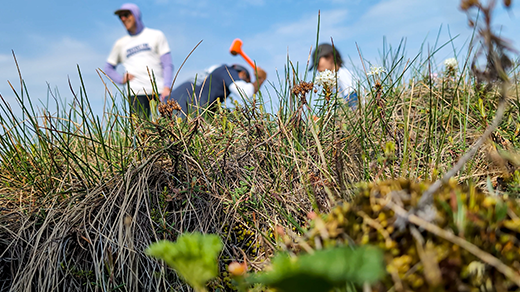
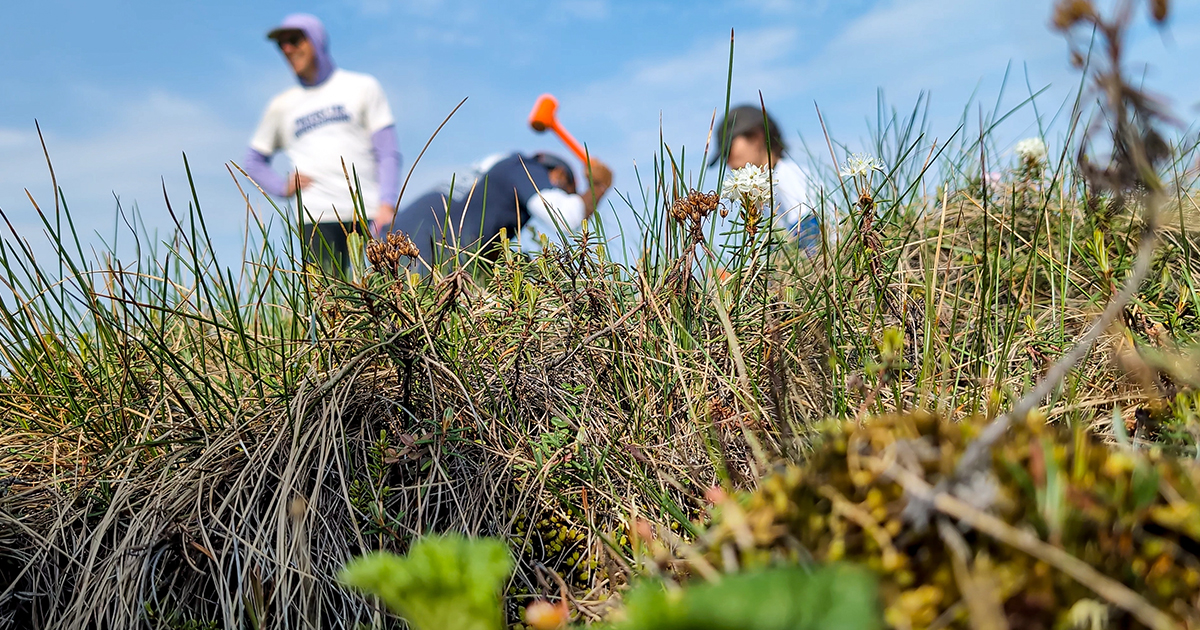
Deep beneath the frozen expanse of the Alaskan tundra, a vast and invisible architecture of fungal threads is dictating the future of the global climate. In June 2025, a team of biologists led by the Society for the Protection of Underground Networks (SPUN) embarked on an intensive expedition along the northernmost reaches of North America to document this hidden world. Their mission, set against the backdrop of Alaskas perpetual polar summer, was part of a high-stakes global effort to understand mycorrhizal fungi—microscopic organisms that form symbiotic relationships with plant roots and serve as one of the planets most significant carbon sinks. As climate change accelerates the thawing of northern permafrost, researchers are racing to identify and protect these fungal networks before the carbon they sequester is released into the atmosphere, potentially triggering a catastrophic feedback loop.
The Architect of the Underground: Understanding Mycorrhizal Symbiosis
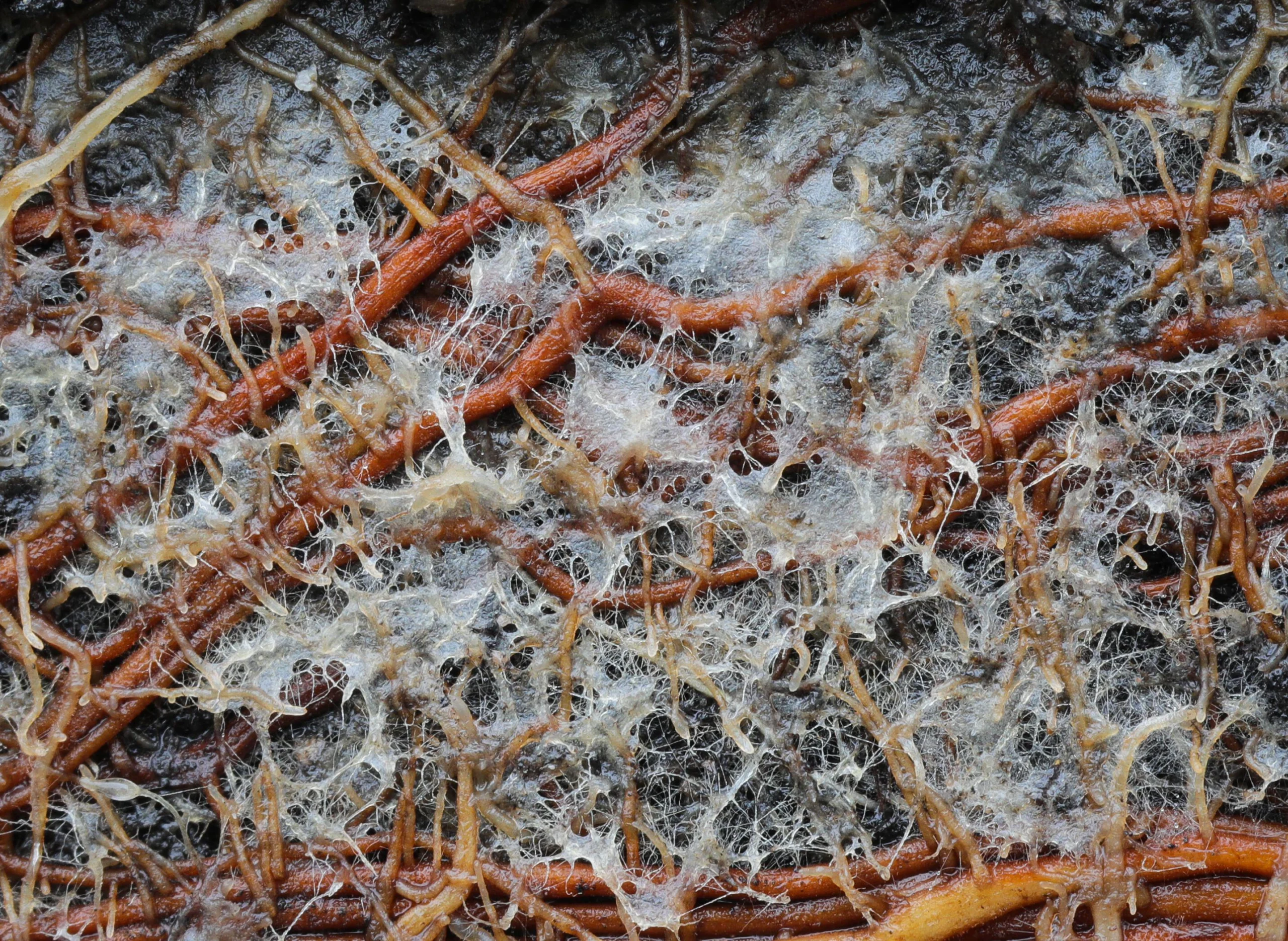
For more than a century, the scientific community struggled to categorize the role of soil-dwelling fungi. Initially dismissed by 19th-century botanists as infectious parasites, and later viewed as passive infrastructure for plant life, mycorrhizal fungi are now recognized as active biological merchants. These organisms extend thin, thread-like filaments known as hyphae through the soil, creating a sprawling network that can extend dozens of feet from a single plant.
The relationship is one of sophisticated trade. Fungal hyphae, often just five micrometers wide—roughly one-tenth the width of a human hair—can penetrate microscopic crevices and air pockets that plant roots cannot reach. From these depths, the fungi extract scarce nutrients like nitrogen and phosphorus, delivering them to the plant. In exchange, the plant provides the fungus with carbon, produced through photosynthesis. This carbon is used by the fungus to build its own body and expand its reach through the soil.
Toby Kiers, an evolutionary biologist at Vrije Universiteit Amsterdam and the chief scientist of SPUN, describes this dynamic as a fundamental shift in ecological understanding. Rather than plants simply using fungi, Kiers suggests that fungi may effectively be "farming" plants from below. Recent advancements in robotics and high-resolution imaging have allowed scientists to observe this trade in real-time, revealing nutrient superhighways where resources pulse through fungal tunnels in a highly efficient, decentralized network.
The Alaska Expedition: A Four-Day Race Against Time
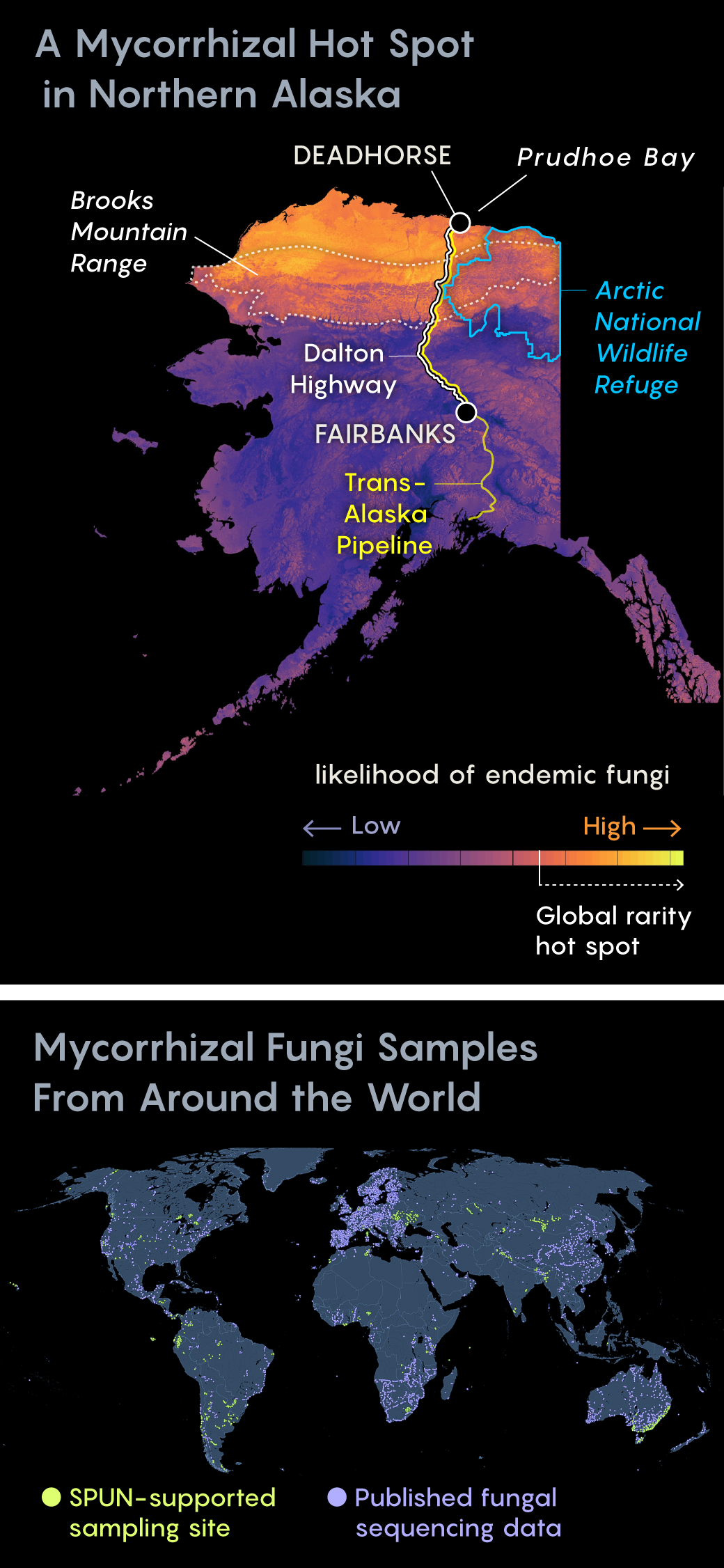
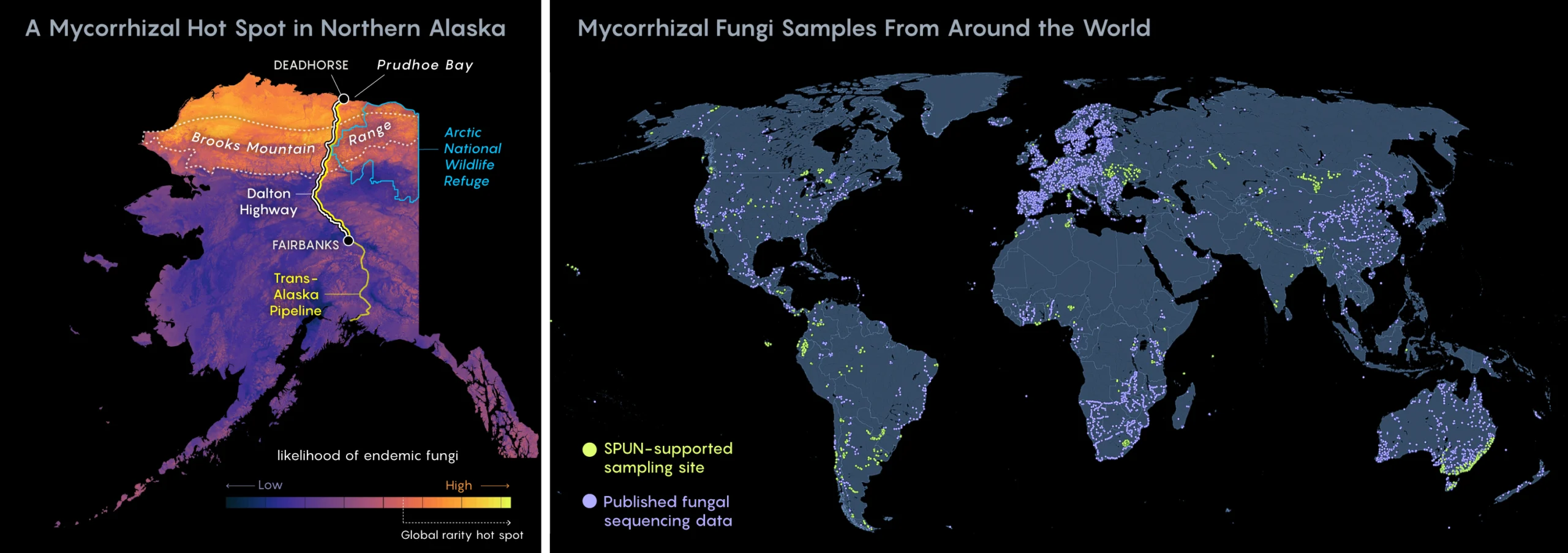
The June 2025 expedition focused on a 150-mile stretch of the Dalton Highway, a gravel-and-asphalt artery cutting through the tundra of Alaskas North Slope. Led by Michael Van Nuland, a data scientist and biologist, the team sought to validate a groundbreaking machine-learning model published in Nature earlier that year. The model, which processed 25,000 soil samples and 2.8 billion fungal DNA sequences, predicted that the Alaskan tundra is a global "hotspot" for rare and diverse mycorrhizal species.
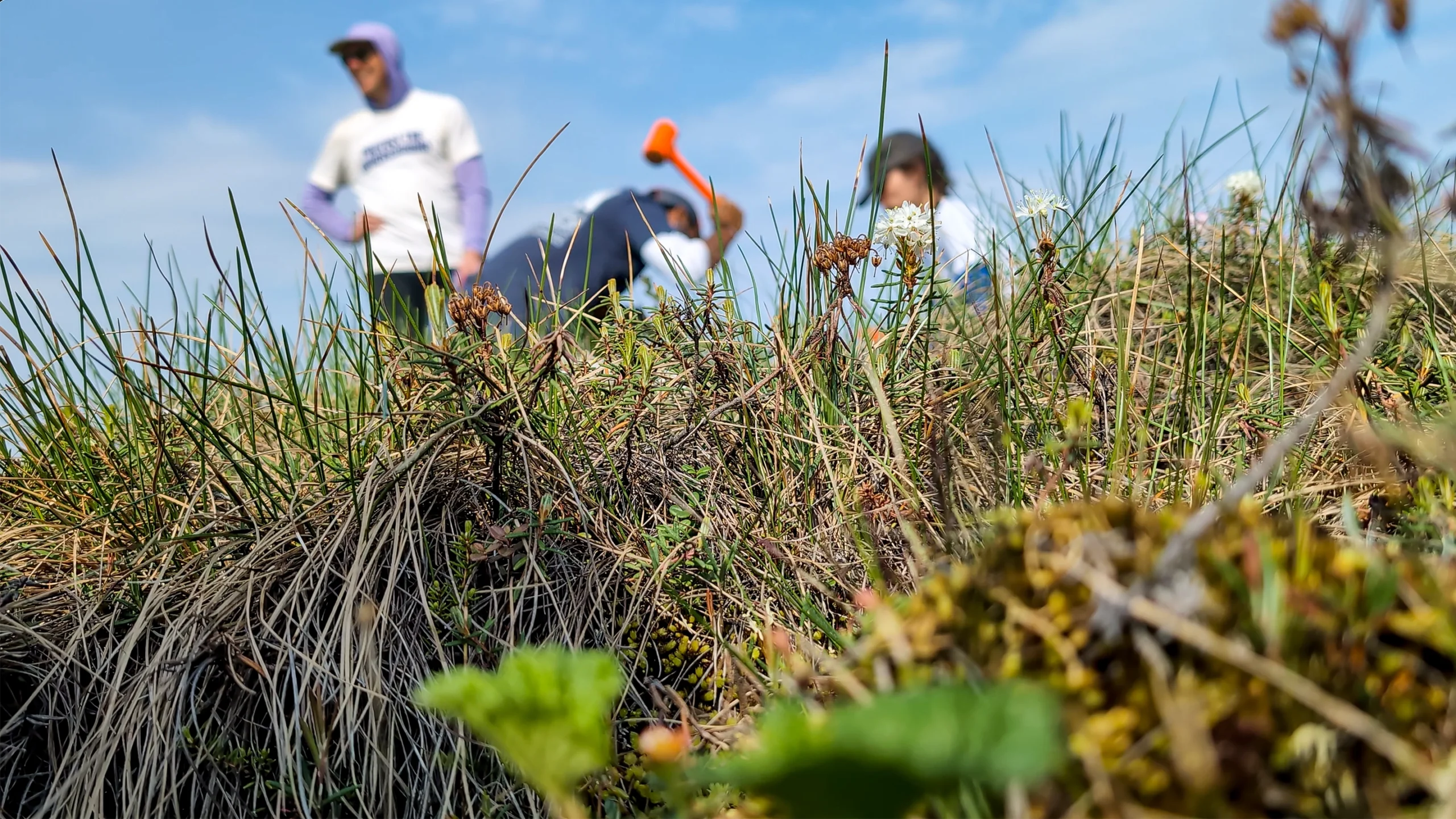
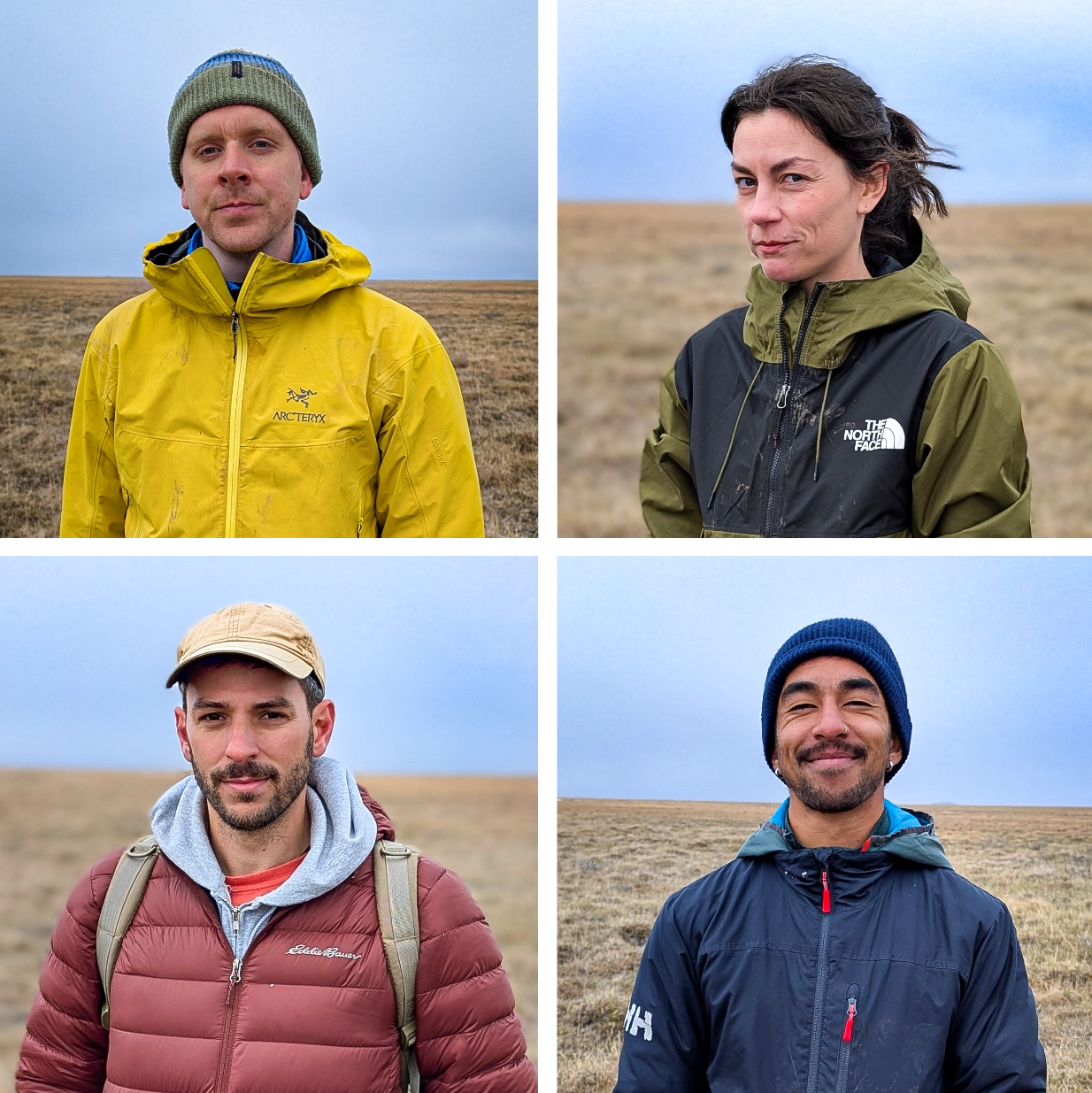
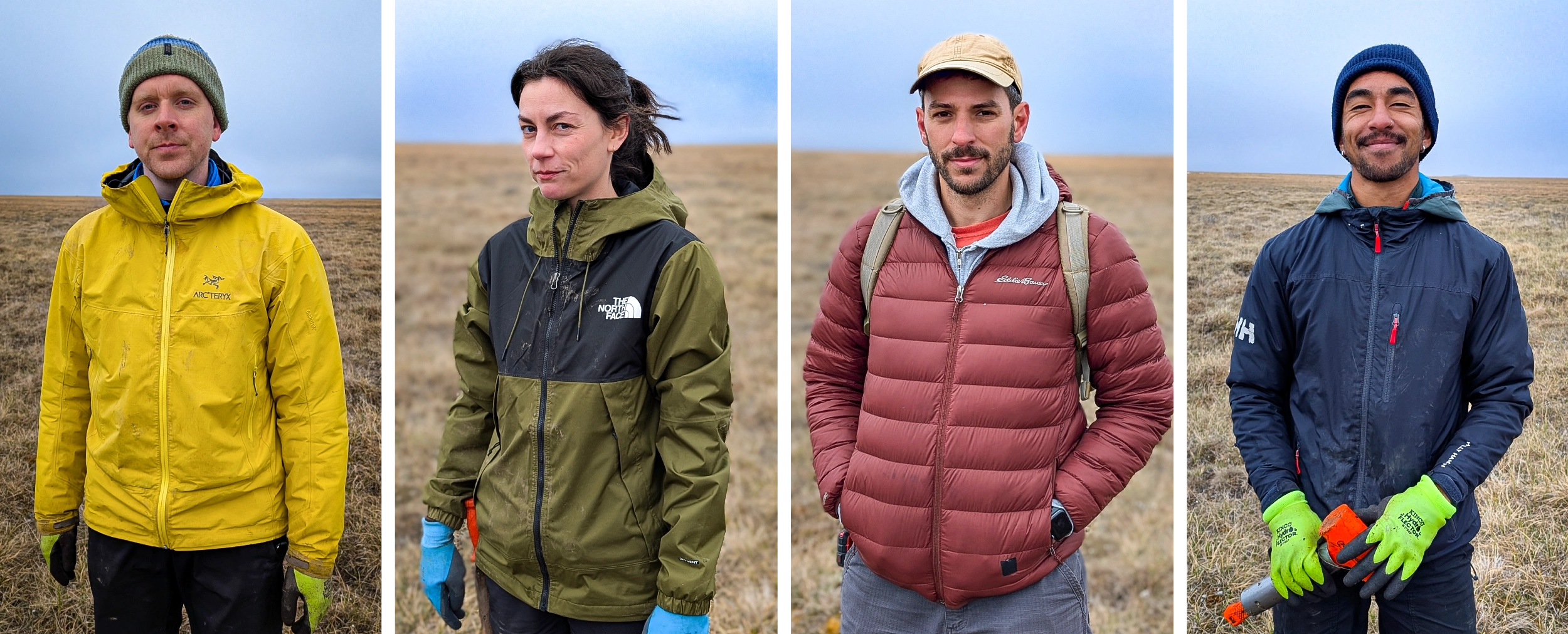
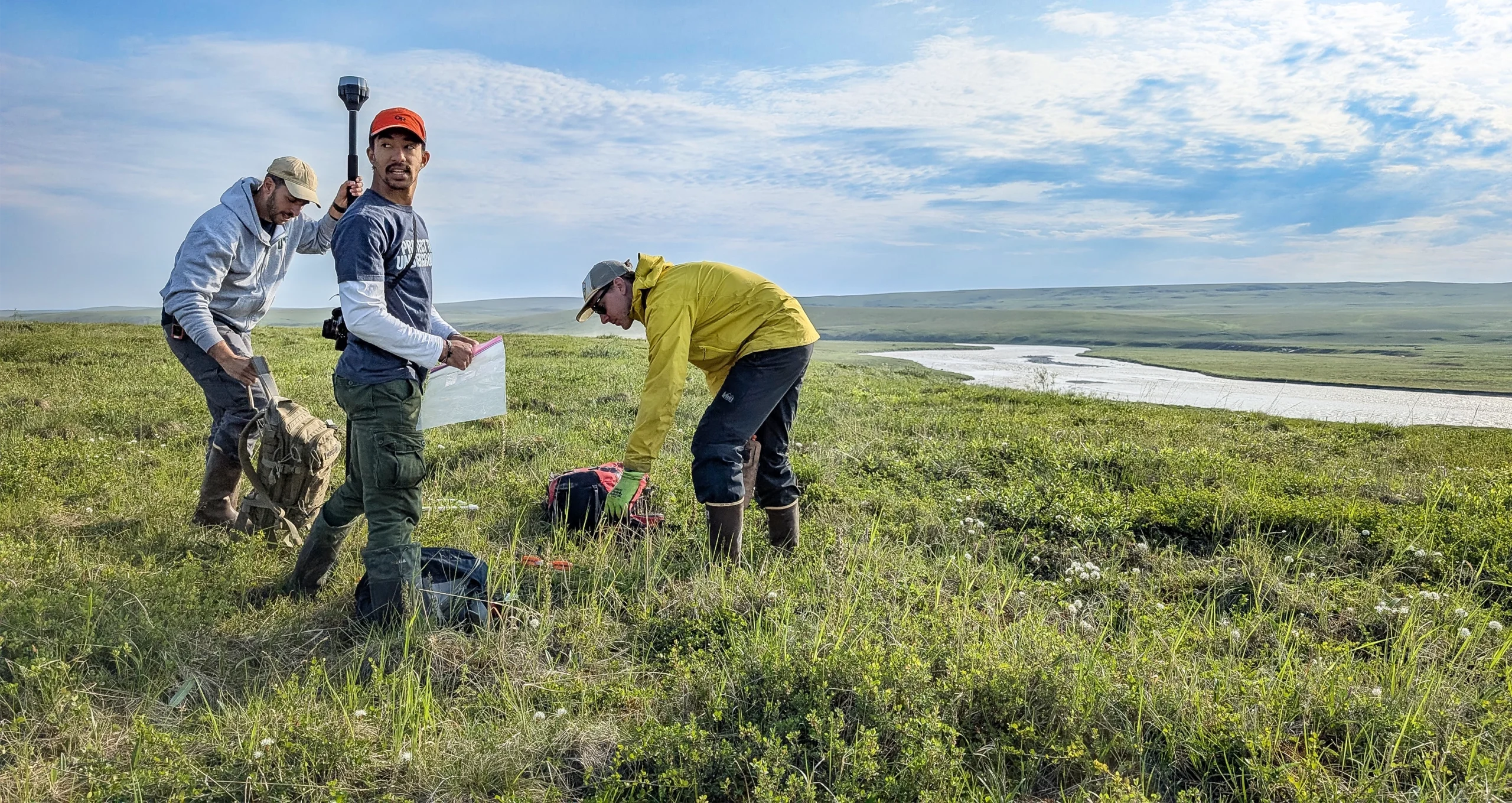
The field team, which included geospatial scientist Jinsu Elhance and University of Alaska microbiologist Mario Muscarella, worked with grueling efficiency. Over four days, they collected 540 soil cores from 60 different sites, ranging from the oilfield-support hub of Deadhorse to the foothills of the Brooks Range. Each site required precise GPS mapping, temperature and moisture readings, and the extraction of soil "pucks" that contained a census of life underground.
The expedition faced significant logistical hurdles, including mechanical failures and the physical toll of mucking through marshes and calf-deep snowmelt. However, the motivation remained high: the team sought to exceed the sampling records of previous SPUN expeditions in places like Kazakhstan. By the end of the fourth day, the team had reached their goal of 60 sites, providing a massive dataset of the fungal communities inhabiting one of the most remote regions on Earth.
Preliminary Findings: A Hidden Kingdom of Endemic Species
By November 2025, preliminary analysis of the Alaskan samples revealed a staggering level of biodiversity. The researchers identified 354 distinct species of ectomycorrhizal fungi—the type that dominates high-latitude ecosystems. Most notably, 253 of these species were previously unknown to science.
The data suggests that the North Slope is not just diverse, but unique. Approximately 75% of the species detected in the samples have been found nowhere else on Earth. Van Nuland attributes this high level of endemism to the geographic isolation of the region, which is hemmed in by the 8,000-foot peaks of the Brooks Range to the south and the Arctic Ocean to the north. This isolation has allowed plant-fungal partnerships to co-evolve for millions of years, creating specialized symbioses that exist as biological islands.
The discovery of hundreds of unnamed species underscores how little is known about the "Amazons of the soil." While conservation efforts frequently focus on visible megafauna or vast rainforests, the foundational microbial networks that sustain these ecosystems remain largely unmapped and unprotected.
The Carbon Bomb: Fungi as a Climate Buffer
The global significance of these fungal networks cannot be overstated. Research co-authored by Van Nuland and Kiers in 2023 estimated that mycorrhizal fungi store the equivalent of 36% of the world’s annual carbon emissions from fossil fuels. This amounts to approximately 13 billion metric tons of carbon dioxide sequestered underground each year.
In the Arctic, the stakes are even higher. The northern permafrost holds an estimated 1 trillion metric tons of carbon—roughly ten times the amount found in the entire Amazon rainforest. As the planet warms, this permafrost is beginning to thaw, activating microbial decomposers that digest organic matter and release greenhouse gases like methane and carbon dioxide.
Mycorrhizal fungi play a dual role in this "carbon bomb" scenario. Some species are "carbon keepers," efficiently storing carbon in the soil and their own biomass. Others are "carbon leakers," which may inadvertently facilitate the release of gases as they break down organic matter. Understanding which species will thrive as the Arctic warms is critical for climate modeling. If the "winners" in a warming world are the carbon-sequestration specialists, the tundra may continue to act as a buffer against climate change. If the "leakers" dominate, the region could become a massive source of new emissions.
Global Context and Future Implications
The Alaska expedition is part of a broader, 79-country initiative led by SPUN to map the worlds fungal hotspots. Beyond the Arctic, the organization is investigating diverse ecosystems:
- Kazakhstan: Studying how fungi help grassland plants survive extreme drought.
- Palmyra Atoll: Investigating how fungal partners help native trees compete against invasive species in coral rubble.
- Lesotho: Exploring the role of fungi in preventing soil erosion on agricultural land.
Despite their critical importance, less than 10% of the fungal hotspots identified by SPUN’s models fall within protected lands. This lack of protection leaves these networks vulnerable to industrial development, agricultural runoff, and the overarching threat of climate change. In the Alaskan tundra, the tension between conservation and industry is palpable, as researchers collect samples within sight of the high-pressure pipelines that carry fossil fuels across the landscape.
Conclusion: The Road to 2026
The work on the North Slope is far from over. Van Nuland and his team plan to return to Deadhorse in the summer of 2026 to perform more granular measurements of carbon flux—the movement of carbon in and out of the soil. By connecting specific fungal species to the rate of carbon drawdown, they hope to provide policymakers with the evidence needed to include soil biodiversity in global conservation frameworks.
The race to map the underground is a race to understand the very foundation of life on land. As Van Nuland notes, the fungi will provide the answers to those patient enough to listen. In the face of a changing climate, these invisible threads may represent our best hope for stabilizing the planets carbon balance, provided we can identify and protect them before they vanish. The "silent guardians" of the tundra are no longer a mystery; they are a priority for the survival of the biosphere aboveground.