

National Science Week, Australia’s largest annual celebration of science and technology, enters its eighth day of a strategically extended nine-day schedule, showcasing a diverse array of events that bridge the gap between high-level research and public engagement. Established in 1997, the initiative has grown into a nationwide phenomenon, attracting over a million participants across more than 1,000 events. As the penultimate day of the 2025 program, Saturday, August 22, features a cross-continental itinerary ranging from Indigenous knowledge systems in Sydney to the physics of brewing in the Northern Territory, and the intersection of neuroscience and immunology in Melbourne.

The overarching objective of National Science Week is to foster a scientifically literate society by highlighting the contributions of Australian scientists and providing accessible pathways for the public to engage with STEM (Science, Technology, Engineering, and Mathematics). This year’s "9-day week" structure—encompassing two full weekends and the intervening work week—was designed to maximize community participation and provide ample opportunity for regional and rural engagement.
Indigenous Knowledge and Ancient Technologies in New South Wales
At the Redfern Community Centre in Sydney, the Indigenous Science Experience serves as a cornerstone of the day’s activities. This event emphasizes that Indigenous Australians have been practitioners of science for over 60,000 years, utilizing complex systems of chemistry, physics, and ecology to manage the continent’s unique landscapes. The program includes interactive demonstrations of native bee husbandry and the multifaceted uses of seaweed. Beyond the physical exhibits, the event features a Virtual Reality (VR) experience of Torres Strait Islander culture, illustrating how modern technology can be used to preserve and share traditional knowledge.

Further south, the Sydney Science Trail at the Australian Botanic Garden Mount Annan provides a rare look at the National Herbarium of New South Wales and the PlantBank. These facilities function as a "botanical insurance policy," a critical infrastructure project in an era of accelerating climate change. The PlantBank stores millions of seeds, providing a genetic reservoir to prevent the extinction of native flora. This scientific effort is particularly relevant following the 2019-2020 bushfire season, which decimated vast swaths of native habitat. Scientists at the site are currently working with the FrogID team to monitor amphibian populations, which serve as vital bioindicators of ecosystem health.
In Western Sydney’s Abbotsbury, "Science in the Scrub" transforms Lizard Log into an outdoor laboratory. Featuring over 50 stalls, the event includes the "Ocean Lab" and robotics challenges, aiming to engage younger demographics through hands-on interaction. A notable highlight is the First Nations Science Village, which continues the theme of integrating traditional ecological knowledge with contemporary scientific inquiry.

Culinary Science and Evolutionary Biology in Queensland
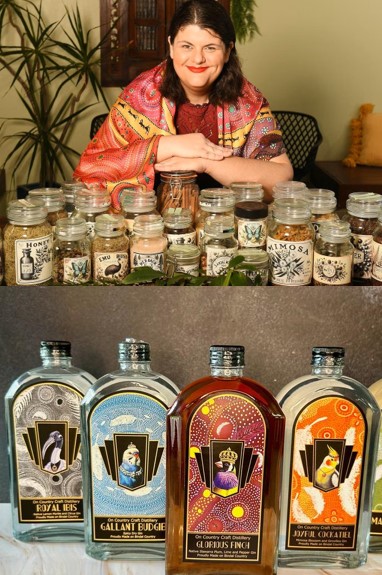
In Townsville, the "Bush Alchemy" event hosted by the On Country Craft Distillery—Australia’s only distillery owned and operated entirely by First Nations women—explores the chemical complexity of native botanicals. Lead distiller Clair Ryder, a Wiradjuri woman, demonstrates how traditional knowledge of plants like native lemongrass (Cymbopogon) informs modern distillation processes. Interestingly, the event highlights the genetic component of sensory perception; for instance, native lemongrass may taste like roses to some and lemon to others, depending on an individual’s olfactory receptor genes. This session underscores the commercial and scientific potential of ethically sourced Indigenous botanicals.
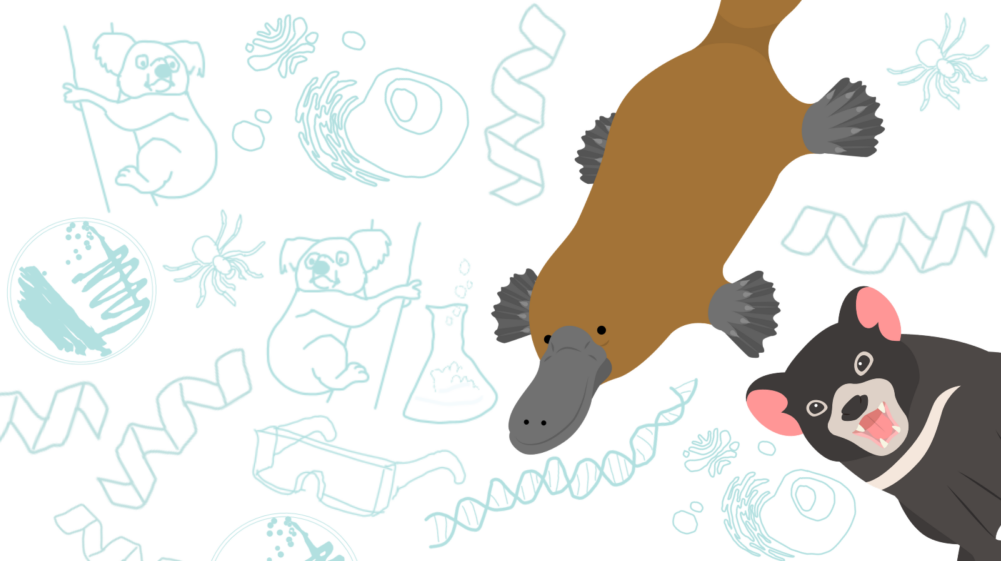
In the Enoggera Reservoir, the ARC Centre of Excellence for Innovations in Peptide and Protein Science presents "Platypus Venom Revealed." This session dives into the evolutionary biology of the platypus, one of the world’s few venomous mammals. Researchers explain that only male platypuses produce venom, and exclusively during the spring breeding season to compete for mates. Unlike the neurotoxic venom of many snakes, platypus venom is composed of unique defensin-like proteins (DLPs) that cause immediate, intense pain. Studying these proteins offers potential breakthroughs in pain management research, as they interact with the human nervous system in ways distinct from traditional opioids.

Biodiversity Conservation and Marine Science in South Australia
South Australia’s scientific contributions are highlighted through the work of the Adelaide Botanic Garden’s Seed Bank. The state is home to approximately 3,500 plant species, 85% of whose threatened varieties are currently safeguarded within this facility. The Seed Bank is a member of a global partnership involving 100 countries, emphasizing the international nature of conservation science. During Saturday’s events, ecologists demonstrate how these stored seeds are used for post-fire revegetation, specifically citing the restoration of clover glycine and leafy greenhoods in the Adelaide Hills following recent wildfire events.
In North Adelaide, marine science takes a cinematic turn with the premiere of two animated short films: Little Scientists, Big Blue and Porci Explores Marine Parks. These films, featuring "Porci the Porcupinefish," are designed to educate the public on South Australia’s 26 state and Commonwealth marine parks. The event serves as a platform for marine scientists to discuss the importance of kelp forests and deep-sea ecosystems in maintaining marine biodiversity and sequestering carbon.
Neuroscience, Immunology, and Institutional Curation in Victoria
The Monash University Gastroenterology, Immunology and Neuroscience (GIN) Program brings cutting-edge medical research to a public forum in Melbourne. The "Bridges of the Body" talks explore the "gut-brain axis," a field of study that has revolutionized our understanding of chronic health conditions. Research suggests that approximately 90% of chronic diseases are linked to the interactions between the digestive system, the immune system, and the brain. Speakers address topics such as the impact of microplastics on early-life development and how gut microbiota can influence cognitive function and mental health.
Simultaneously, the Melbourne Museum hosts "Science on Show," an event that pulls back the curtain on the institution’s vast collections. Museum scientists and curators share rare specimens and fossils, explaining the rigorous process of scientific classification and the importance of museum archives in tracking long-term environmental changes. This event provides insight into the "hidden" science that supports public education and historical preservation.

Addressing the Digital Gender Gap and Cognitive Health in the ACT
In Canberra, the Australian National University (ANU) is tackling a systemic issue in the history of science: the underrepresentation of women. The "Inclusive Biographies in STEMM" workshop, held in partnership with Wikimedia Australia, aims to address the fact that fewer than 20% of Wikipedia’s biographical pages feature women. This "Wiki-hackathon" is a strategic effort to ensure that the contributions of female and gender-diverse scientists are documented. This is of critical importance not only for public record but also for artificial intelligence, as AI models are frequently trained on Wikipedia data. If women are excluded from the database, the resulting AI agents will inherit and perpetuate a male-centric bias.
The ACT also hosts a "Creative Computing for Seniors" workshop, utilizing Scratch, a block-based coding language. This initiative addresses cognitive health in an aging population, framing computer programming as a modern alternative to traditional brain exercises like crosswords. By encouraging seniors to build interactive stories and games, the program aims to improve digital literacy and social connectivity. Additionally, "Science in the Centres" brings pop-up laboratories to seven major shopping malls across Canberra, integrating science education into the daily routines of the public.

Physics of Brewing and Tropical Ecology in the Northern Territory
The Northern Territory offers a pragmatic look at physics and chemistry through the "Don’t Lose Your Head" session in Winnellie. Hosted by the Darwin and NT Homebrewers, the demonstration explains the science of beer foam—a complex interaction of proteins from malt and bittering acids from hops. The stability of a beer’s "head" is a matter of surface tension and fluid dynamics, and the session educates enthusiasts on how cleanliness and technique affect the chemical integrity of the beverage.
In Jingili, Landcare NT’s Eco Fair addresses the specific challenges of tropical horticulture. Gardening in the "Top End" requires a deep understanding of soil composition, irrigation, and pest management tailored to a monsoon climate. The event features experts in water-wise design and native gardening, emphasizing the role of urban backyards in supporting local wildlife corridors.

Evolutionary Education and Regional Outreach in Tasmania and WA
In Hobart, Dr. Tiana Pirtle presents "The Clitoral Chronicles," a theatrical production that blends comedy with reproductive ecology. Dr. Pirtle, who holds a PhD in reproductive physiology, uses the performance to challenge historical biases in biological research. The show highlights the "driver’s seat" role of female animals in reproduction and evolution, citing examples of complex vaginal structures and sperm-sorting mechanisms in the animal kingdom. This approach to sex education seeks to replace outdated scientific narratives with inclusive, fact-based perspectives.
Finally, in Western Australia, the Perth Observatory extends its reach to the Goldfields region with "Outback Under the Stars." This event in Coolgardie utilizes the region’s low light pollution to provide a high-quality astronomical experience, highlighting the importance of regional access to scientific equipment and expertise.
Broader Impact and Implications
The diverse range of activities on day eight of National Science Week illustrates a shift in science communication from a "top-down" information delivery model to a more participatory and culturally integrated approach. By combining high-level research (such as the gut-brain axis and peptide science) with community-driven initiatives (like the koala census and Wikipedia editing), the program successfully democratizes scientific knowledge.
The inclusion of First Nations science as a central theme reflects a growing institutional recognition of Indigenous knowledge as a valid and essential scientific discipline. Furthermore, the emphasis on conservation science—through seed banks and citizen science projects—highlights the urgent role of STEM in addressing the biodiversity crisis. As National Science Week concludes its penultimate day, the high level of engagement suggests a robust public interest in the sciences, which is essential for future innovation and informed policy-making in Australia.