
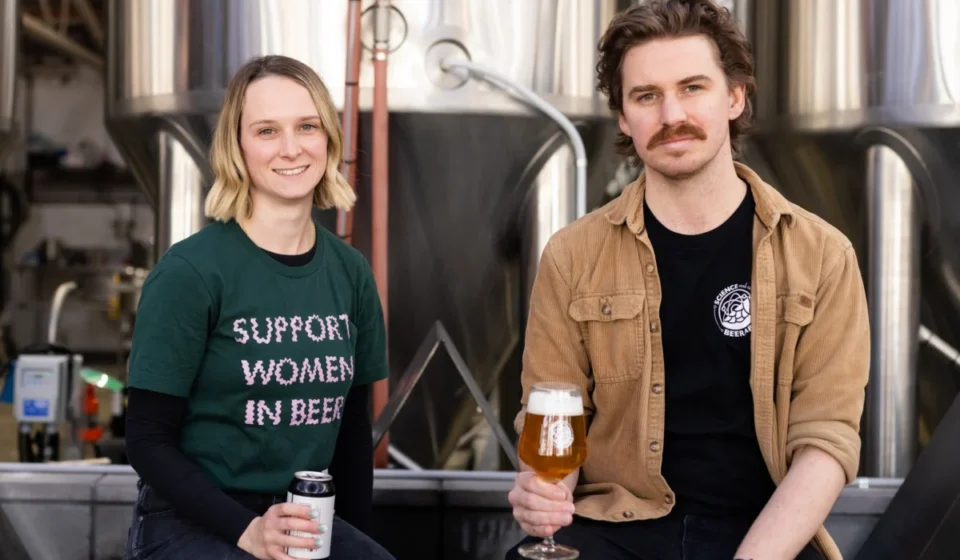

National Science Week, Australia’s annual celebration of science and technology, has reached its seventh day of a specialized nine-day schedule designed to maximize public engagement across two consecutive weekends. On Friday, 21 August, the program features a diverse array of events that bridge the gap between complex laboratory research and public understanding. From the legacy of Alan Turing in Sydney to the chemistry of brewing in Hobart and the frontiers of digital health in the virtual space, Day 7 serves as a focal point for the festival’s mission to demonstrate the ubiquity of science in daily life.
Established in 1997, National Science Week has grown into one of Australia’s largest commemorative festivals, involving over 1,000 events and attracting more than one million participants annually. The "9-day week" format is a strategic decision by organizers to ensure that regional communities and working families have ample opportunity to participate in hands-on activities, lectures, and digital forums.
The Legacy of Alan Turing and the Evolution of Artificial Intelligence
In Sydney, the intersection of mathematics, history, and social justice takes center stage as Professor Benjamin Burton explores the enduring legacy of Alan Turing. Turing, often cited as the father of modern computer science and artificial intelligence, remains a figure of immense scientific and cultural significance. His work at Bletchley Park during World War II is credited with shortening the conflict by at least two years, yet his personal life was marked by the tragedy of state-sanctioned persecution.

Professor Burton, a software developer and mathematician from the University of Queensland, represents "Queers in Science," an organization dedicated to supporting LGBTQIA+ professionals in STEM. His lecture delves into Turing’s "Universal Turing Machine"—the conceptual precursor to the modern computer—and his later work on morphogenesis, which sought to explain how patterns occur in nature.
The event also addresses the ethical dimensions of Turing’s life, specifically his 1952 conviction for "gross indecency" and subsequent chemical castration. This historical context provides a backdrop for modern discussions on diversity in the tech industry. In 2009, the British government issued a formal apology for Turing’s treatment, followed by a posthumous royal pardon in 2013. Analysts suggest that highlighting Turing’s story during National Science Week serves to humanize the often-abstract field of mathematics and encourages a more inclusive future for AI development.

Combating the Silent Pandemic: Antimicrobial Resistance
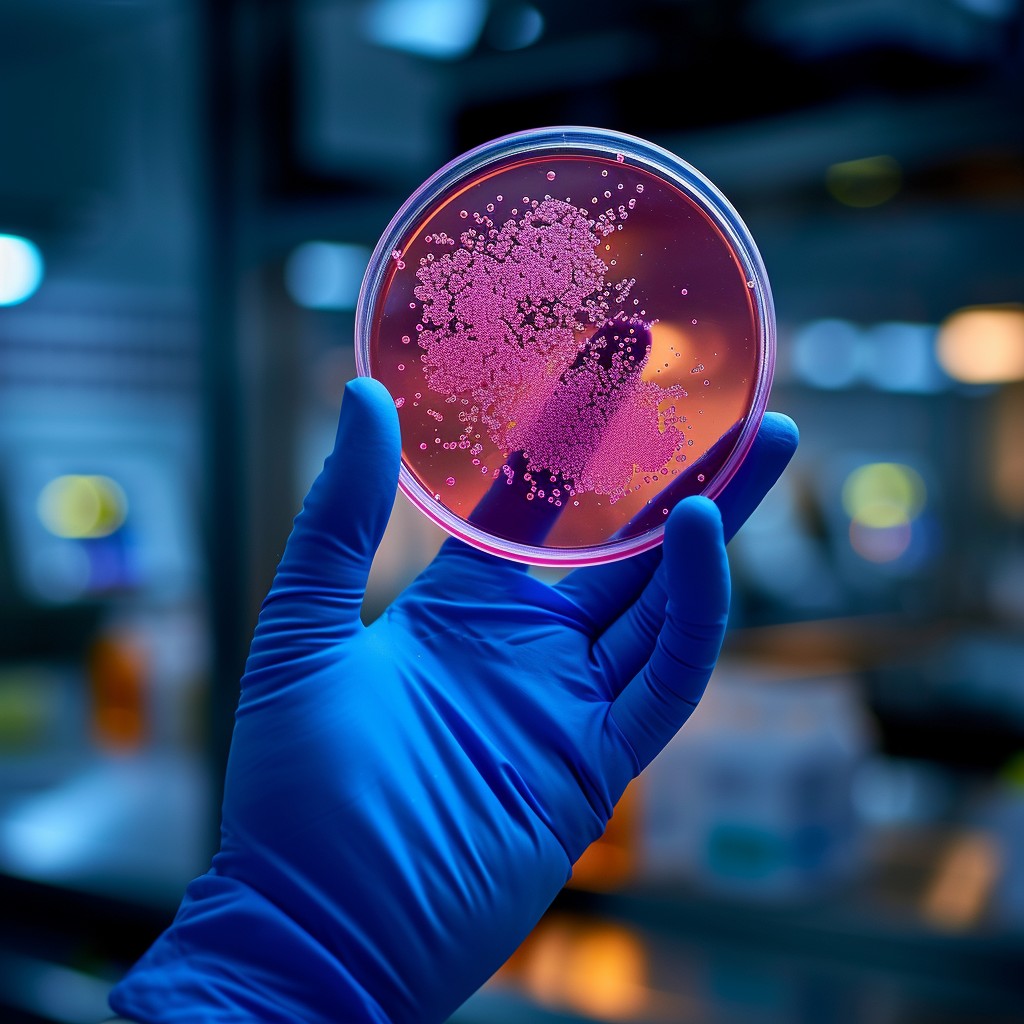
In Saint Lucia, Queensland, the University of Queensland (UQ) is hosting an immersive experience titled "Hunt the Superbugs." This event addresses antimicrobial resistance (AMR), which the World Health Organization (WHO) has identified as one of the top ten global public health threats facing humanity.
The interactive demonstrations allow participants to step into the role of a microbiologist, observing how bacteria evolve to outsmart existing medications. According to recent clinical data, drug-resistant infections contribute to nearly five million deaths globally each year. The UQ event emphasizes that without new antibiotics and better stewardship of existing drugs, routine medical procedures—such as cesarean sections or hip replacements—could become high-risk due to the threat of untreatable infections.

Supporting research presented during the week highlights the importance of "citizen science" in monitoring bacterial spread. By educating the public on proper hand hygiene and the dangers of overusing antibiotics, researchers aim to slow the progression of resistance while they work on developing next-generation treatments.
Digital Frontiers: The Virtual Emergency Department
The evolution of healthcare is further explored in an online panel featuring Dr. Loren Sher, Director of the Victorian Virtual Emergency Department (VVED). This session highlights a paradigm shift in Australian medical care: the transition of emergency triage from physical waiting rooms to digital lounge rooms.
The VVED represents one of the largest digital health experiments in the country’s history. Data indicates that a significant percentage of emergency calls do not require physical hospitalization if expert consultation is available via high-definition video link. This model not only reduces the burden on overstretched hospital infrastructure but also improves patient outcomes by providing immediate care in a familiar environment.
Panellists, including graduates from La Trobe University, discuss the emergence of "digital health" as a distinct career path. A decade ago, the roles of telehealth coordinators and medical data analysts were peripheral; today, they are central to the sustainability of the national healthcare system. This shift underscores a broader trend in National Science Week: the recognition that technological literacy is now a prerequisite for the next generation of medical professionals.
Environmental Conservation and the "Hidden Life of Seeds"
Western Australia’s unique biodiversity is the focus of a self-guided tour at Kings Park in Perth. The "Hidden Life of Seeds" program showcases the innovative work being done to repair mine sites and restore native flora. One of the more unconventional highlights is the development of "spinifex cookie dough"—a specialized mixture of seeds and soil designed to facilitate large-scale environmental rehabilitation in the Pilbara region.
Western Australia is home to some of the world’s most diverse plant life, much of which is found nowhere else on Earth. However, the state’s massive mining industry poses a constant challenge to conservation. The research at Kings Park focuses on seed technology—understanding how to break seed dormancy and ensure survival in harsh, post-mining landscapes.
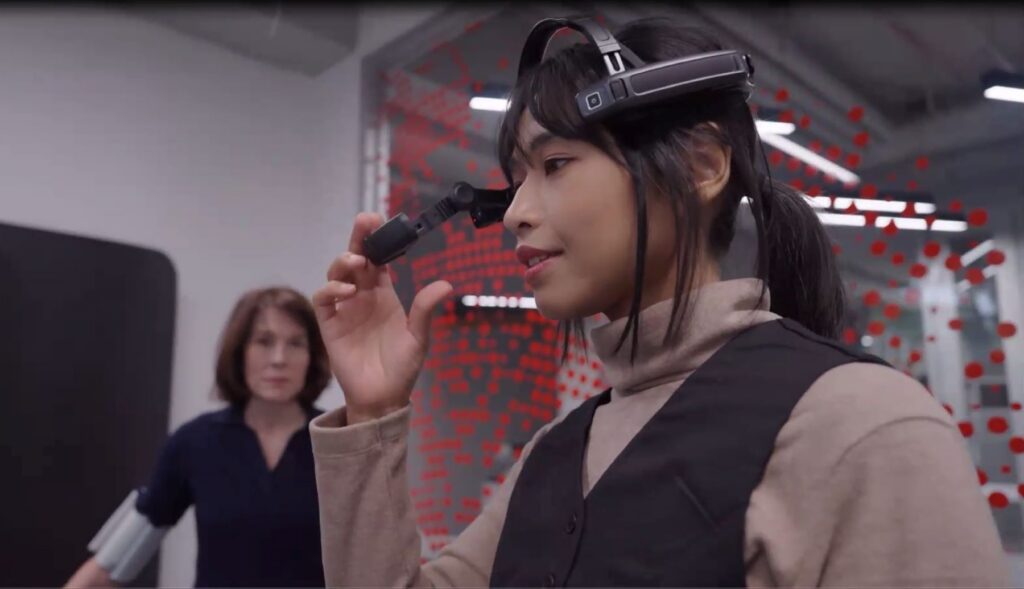
The program includes a "journey passport" for visitors, rewarding engagement with custom-designed flora pins. This initiative reflects a growing emphasis on "restoration ecology," a field that combines botanical science with engineering to mitigate the ecological footprint of industrial activity.
National Wildflower Vote: Citizen Science in Action
Parallel to the physical events, ABC Science is concluding its national search for Australia’s most amazing wildflower. The shortlist includes ten species, such as the Fringe Lily, Sturt’s Desert Pea, and the Queen of Sheba Orchid. Unlike traditional beauty pageants, this competition focuses on "flower power"—the biological adaptations that allow these plants to thrive in Australia’s nutrient-poor soils and fire-prone landscapes.
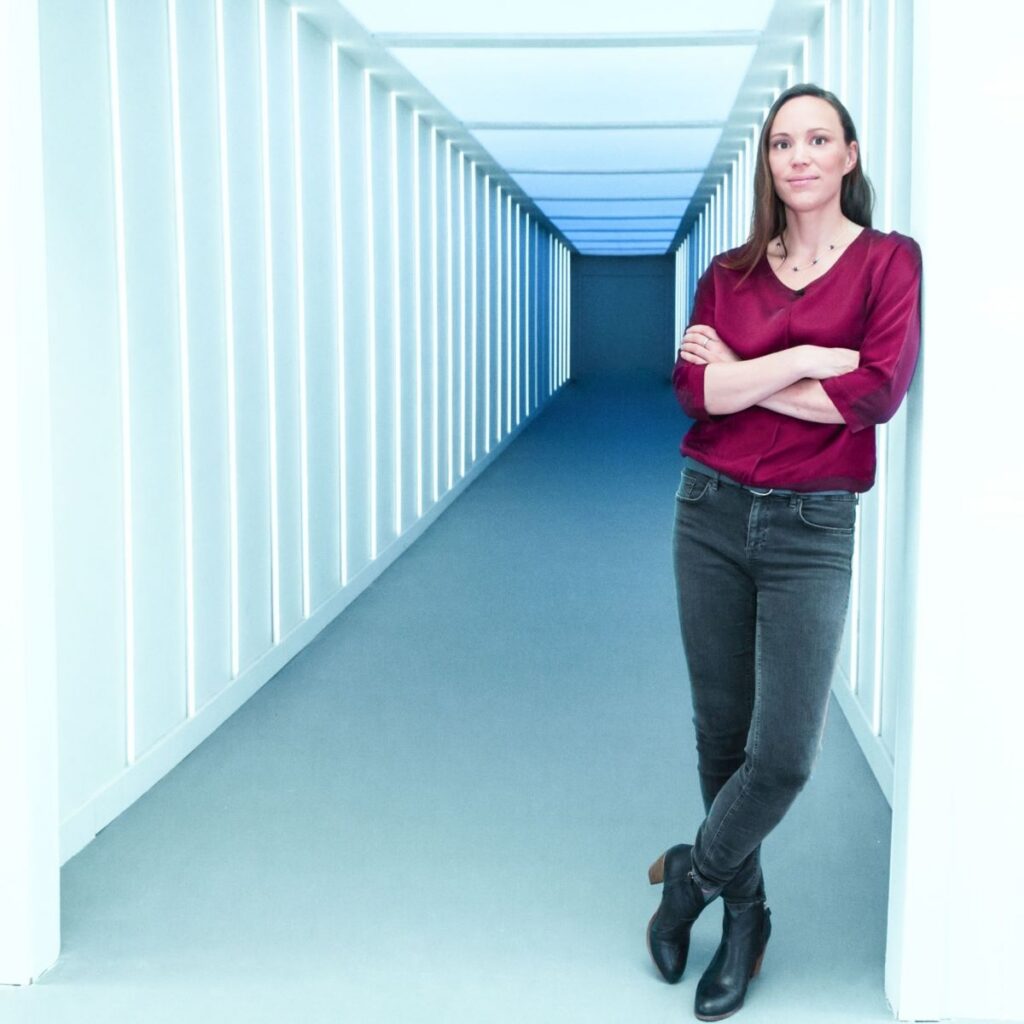
The winner is set to be announced on Radio National, marking the culmination of weeks of public voting. Scientists involved in the project note that such competitions are more than just public relations exercises; they provide valuable data on public perception of biodiversity and can drive funding toward the conservation of "less charismatic" but ecologically vital species.
STEAM: The Intersection of Art, Music, and Science
National Science Week 2026 continues to champion the "STEAM" movement (Science, Technology, Engineering, Arts, and Mathematics). In Toowong, Queensland, Nate Eggins (performing as Conspiracy of One) presents a planetarium concert that blends pop-rock-funk music with cosmic education. The show aims to combat misinformation by teaching audiences how to distinguish between genuine science and "pseudoscience pretenders" through the medium of song.

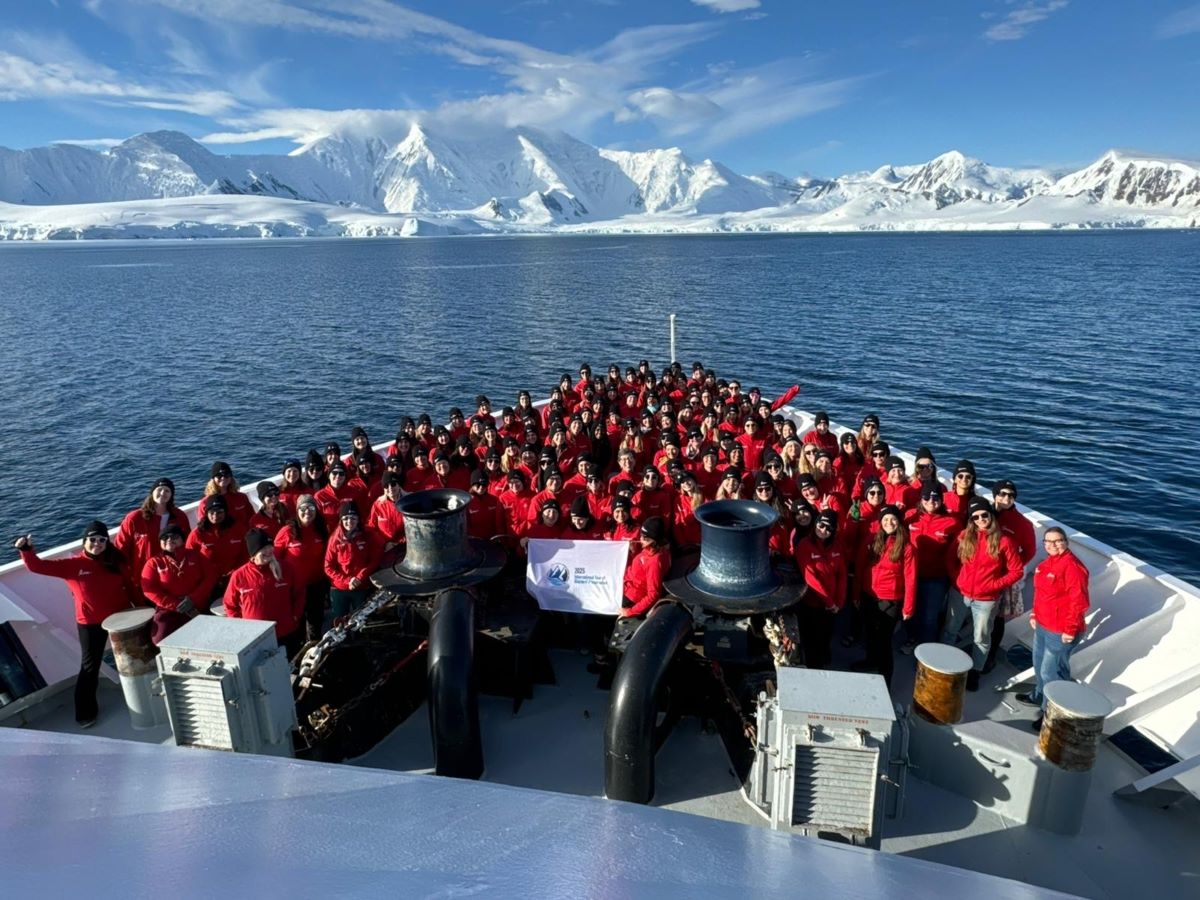
Similarly, in Camperdown, NSW, Canadian multimedia artist Peter McLeish presents "Postcards from Antarctica." This immersive lecture uses film and visual storytelling to translate the data collected by 124 women and non-binary researchers who participated in the Homeward Bound voyages. By using art to communicate the urgency of polar climate change, the project seeks to bridge the emotional gap that often exists in purely data-driven scientific reporting.
Regional Engagement: Solar Car Racing in Muswellbrook
In the regional hub of Muswellbrook, NSW, the focus shifts to renewable energy and engineering. Up to 150 students from local schools are participating in the Solar Car STEM Challenge. Working with professional models from the University of New South Wales (UNSW), students explore gear ratios, solar panel alignment, and the concept of "urban mining"—the recovery of precious metals from electronic waste.

This event is particularly significant for the Hunter Valley region, which is currently navigating an economic transition from coal mining to renewable energy. By engaging students in solar technology, organizers are fostering the skills necessary for the region’s future workforce. The provision of Solar Engineering Kits to participating schools ensures that the learning continues well beyond Science Week, leading into the Newcastle EV Challenge in September.
Broader Implications and Societal Impact
The day concludes with a high-level panel in Melbourne titled "Climate, AI and Inequality: Why Science Needs Society." Chaired by Professor Kate Darian-Smith, President of the Academy of the Social Sciences in Australia, the discussion argues that the most pressing technical challenges of the 21st century cannot be solved without the social sciences.
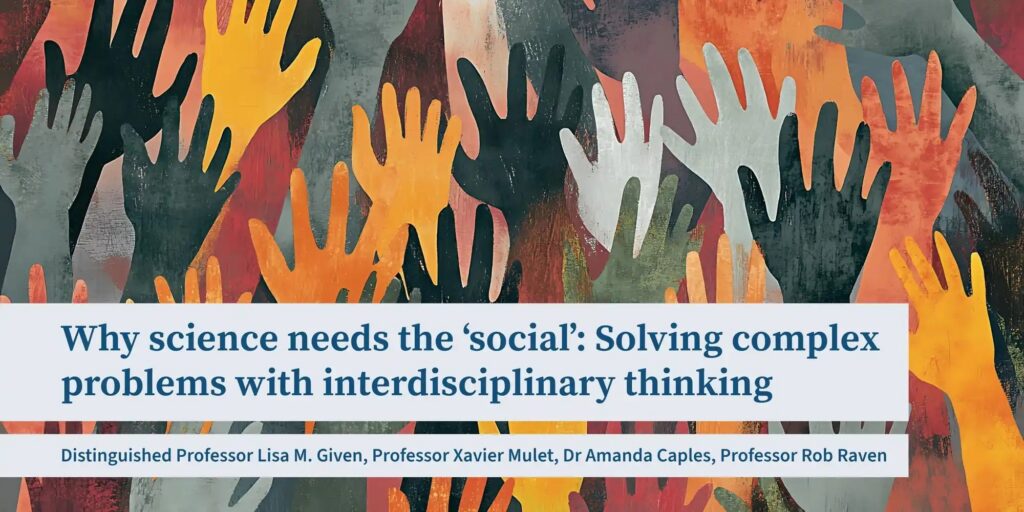
The panel posits that while natural science can tell us how the climate is changing or how an algorithm works, the social sciences are required to understand why people resist change and how policy can ensure that technological advancements do not exacerbate existing inequalities. This interdisciplinary approach is a hallmark of modern Australian research, reflecting a move away from "siloed" thinking toward a more holistic problem-solving framework.
As Day 7 of National Science Week draws to a close, the diverse range of events underscores a singular message: science is not a remote activity confined to laboratories, but a dynamic, human-driven endeavor that shapes every aspect of Australian life. From the microscopic battle against superbugs to the celestial melodies of a planetarium concert, the festival continues to inspire a nation of curious minds, preparing them for the challenges and opportunities of a technology-driven future.