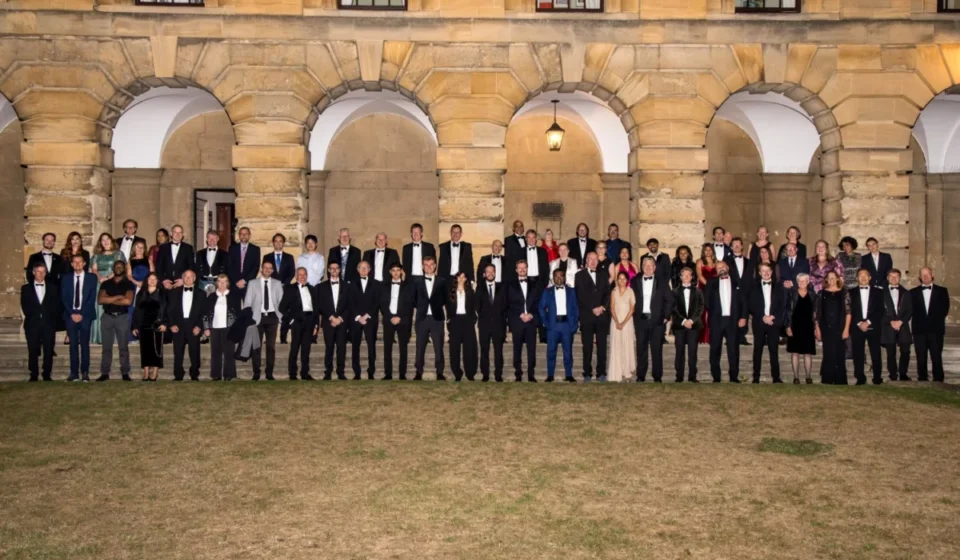
European Space Agency Business Incubation Centre UK Celebrates 15 Years of Transforming Space Technology into Real-World Solutions

The European Space Agency Business Incubation Centre UK (ESA BIC UK) is marking a significant milestone this year: its 15th anniversary. Since its inception in 2011, this government-backed business incubator has been a pivotal force in nurturing nearly 180 early-stage companies, successfully translating the intricate applications of space science and technology into tangible solutions that benefit life on Earth and advance the UK’s capabilities in space. The collective economic impact of these incubated businesses is estimated to have generated a remarkable £486 million for the UK economy, underscoring the profound return on investment in space-driven innovation.
A Decade and a Half of Catalytic Growth
For fifteen years, the ESA BIC UK has been at the forefront of fostering ambitious entrepreneurs, providing them with the essential resources, expertise, and strategic guidance needed to transform nascent space technologies into groundbreaking products, robust businesses, and drivers of economic prosperity across the nation. A recent independent evaluation, commissioned to commemorate this significant anniversary, has meticulously detailed the extensive reach and profound impact of the programme since its launch. This evaluation highlights the incubator’s consistent dedication to identifying and supporting promising ventures, fostering an ecosystem where groundbreaking ideas can flourish and mature into market-ready innovations.
The ESA BIC UK operates under the management of the Science and Technology Facilities Council (STFC), in close collaboration with the UK Space Agency and the University of Leicester. As an integral part of the broader European Space Agency’s successful network of Business Incubation Centres, it offers UK-based start-ups unparalleled access to state-of-the-art research and development facilities, alongside invaluable technical expertise. Crucially, this support extends beyond scientific and technical domains, encompassing specialist business mentoring, strategic advice, and crucial financial backing.
Start-ups that successfully enter the ESA BIC UK programme typically receive over £51,000 in direct funding. This financial injection is coupled with a comprehensive two-year support package that includes dedicated mentoring from industry experts, access to modern workspace facilities, and vital introductions to potential investors and commercial customers. This holistic approach is designed to empower entrepreneurs, enabling them to refine their innovative concepts, solidify their business models, and effectively transition cutting-edge space technology into commercially viable products and services.
From Ambitious Concepts to Tangible Global Impact
Paul Vernon, Executive Director of Business and Innovation at STFC, who was instrumental in establishing the ESA BIC UK in 2011, reflected on the programme’s journey and achievements. "From robotics and healthcare to satellites and space infrastructure, the companies supported by ESA BIC UK demonstrate what can be achieved when space technology is given the opportunity to address challenges both here on Earth and in the realm of space exploration," Vernon stated. He further elaborated on the programme’s fifteen-year legacy, emphasizing its role in transforming early-stage ideas into thriving enterprises, which in turn create jobs, attract significant investment, and cultivate technologies with substantial real-world potential.
Vernon also highlighted the alignment of ESA BIC UK’s mission with national strategic objectives. "As part of UK Research and Innovation, we are actively supporting the ambitions outlined in the UK Government’s new National Space Strategy," he explained. Looking ahead, Vernon expressed his enthusiasm for continuing the incubator’s crucial work: "I am looking forward to continuing our mission to help the next generation of space businesses grow, seize new opportunities, and make a tangible difference across the UK." This forward-looking perspective underscores the programme’s commitment to sustained growth and its pivotal role in shaping the future of the UK’s space sector.
Bridging Sectors: Space Technology’s Reach Beyond Orbit
A testament to the versatility and adaptability of space technology is the diverse range of sectors now benefiting from innovations incubated at ESA BIC UK. The companies supported by the centre span an impressive 17 distinct market areas, including sectors that might initially seem far removed from space, such as tourism, logistics, and financial services. This broad reach powerfully illustrates how technologies and data originally developed for the demanding environment of space can be effectively repurposed to address complex challenges across a multitude of terrestrial industries.
The programme’s success in fostering cross-sectoral innovation is exemplified by several notable ventures. For instance, Crover’s innovative robotic grain monitor navigates through stored grain to meticulously assess temperature and moisture levels. This technology plays a critical role in helping farmers to significantly reduce spoilage and waste, contributing to global food security and economic efficiency.
In the field of healthcare, BioOrbit is pioneering methods for manufacturing cancer medicines within the unique environment of microgravity. This research holds immense potential for developing more efficient and accessible drug delivery systems, possibly enabling easier administration of these vital treatments in home settings.
IoTa Technology’s contribution lies in its development of a satellite-based magnetometer. This sophisticated instrument provides scientists with enhanced capabilities to understand subtle yet crucial changes in Earth’s magnetic field. Such insights are invaluable for improving the accuracy and reliability of navigation systems employed by ships and aircraft, thereby enhancing safety and efficiency in global transportation.
A Remarkable Track Record: Ensuring Business Longevity
The ESA BIC UK boasts an exceptional track record in fostering sustainable businesses, with over 95% of the companies it supports surviving beyond their first five years of operation. This high survival rate is a strong indicator of the programme’s effectiveness in providing the foundational support and strategic guidance necessary for start-ups to thrive in a competitive market.
A compelling case study of this success is Open Cosmos. The company joined the ESA BIC UK in 2016 with a team of just five employees. By the conclusion of its incubation period, the company had expanded its workforce to 30, successfully launched its inaugural satellite, secured a significant contract with the European Space Agency, and raised an impressive $7 million in funding. Their growth trajectory has continued unabated, and Open Cosmos now employs over 130 individuals across Europe. The funding and business support received during their incubation were instrumental in helping the company refine its commercial strategy and successfully diversify into offering broader satellite mission services, demonstrating the transformative power of targeted incubation.
Cultivating the UK’s Space Capabilities: A Dual Focus
The companies nurtured by the ESA BIC UK are not only instrumental in finding novel applications for space technology on Earth, but they are also actively developing crucial technologies and capabilities that directly contribute to the advancement of the UK’s own space sector. In recent years, there has been a noticeable increase in the proportion of ESA BIC UK companies focusing on developing technologies specifically for use in space.
One such company is Spaceflux, which utilizes advanced optical sensors and artificial intelligence to meticulously track satellites and space debris. This vital work is crucial for ensuring the safety and sustainability of space operations as the orbital environment becomes increasingly congested.
Other ESA BIC UK ventures are at the forefront of developing technologies for critical areas such as orbital manufacturing, advanced satellite communications, and next-generation propulsion systems. These innovations are poised to play a significant role in shaping the UK’s future contributions to and presence in space, fostering a more independent and capable national space industry.
Championing the Next Wave of Space Entrepreneurs
The impact and importance of the ESA BIC UK’s work have been recognized at the highest levels of government. Baroness Khan, the UK’s Space Minister, emphasized the programme’s vital role in driving innovation and economic growth. "The ESA BIC UK continues to champion incredible space research and innovation that directly improves people’s lives, from the development of cancer medicines manufactured in microgravity to sophisticated monitors that prevent grain spoilage," she stated.
Baroness Khan further highlighted the tangible economic benefits generated by the programme: "Their work in transforming great ideas into successful businesses has so far created over 1,000 skilled jobs while attracting hundreds of millions of pounds in private investment." She concluded by reinforcing the government’s commitment to supporting such initiatives: "Programmes like this will continue to be vital as we deliver our new National Space Strategy and back the next generation of space businesses to start up, scale up, and succeed." This endorsement underscores the strategic importance of the ESA BIC UK in achieving national ambitions for the space sector.
Opportunities for Aspiring Innovators
The ESA BIC UK actively seeks out and supports businesses with a clear connection to space technology. UK-registered companies that are less than five years old and can demonstrate a compelling link to the space sector are encouraged to explore eligibility for joining the programme. The incubation centres are strategically located across the UK, offering accessible support to entrepreneurs nationwide. Further details about the application process and the programme’s benefits can be found on the official ESA BIC UK website. The comprehensive independent evaluation, conducted by Technopolis, provides in-depth insights into the programme’s impact and is also available on the website, offering valuable information for potential applicants and stakeholders alike.